- Industrial zone, South of Anping Town, Hengshui, Hebei, China.
- sales@hfpetromesh.com
- +86-18931809706
Premium Shale Shaker Screen: Durable & Efficient Solutions
Industry Trends in Solids Control Technology
The global oil and gas industry, alongside mining and other resource extraction sectors, continuously demands more efficient and environmentally responsible solids control solutions. Central to this evolution is the advancement of the shale shaker screen. Current trends indicate a significant shift towards higher-performance screens capable of finer cuts, increased throughput, and extended service life. The focus is on reducing drilling fluid losses, minimizing waste volume, and achieving superior separation efficiency, particularly in challenging formations and with non-aqueous drilling fluids (NAF).
Technological innovations in shale shaker screen design are driven by the need for screens that are more resistant to blinding, offer improved conductance, and can withstand aggressive operational environments. Composite frame screens, in particular, are gaining traction over traditional steel frame options due to their lighter weight, enhanced durability, and superior sealing capabilities, leading to reduced NPT (non-productive time) and lower operational costs. Furthermore, the market for shale shaker screen suppliers is increasingly globalized, with a strong emphasis on consistent quality and competitive pricing from shale shaker screen manufacturers.
Manufacturing Process: Precision Engineering for Optimal Performance
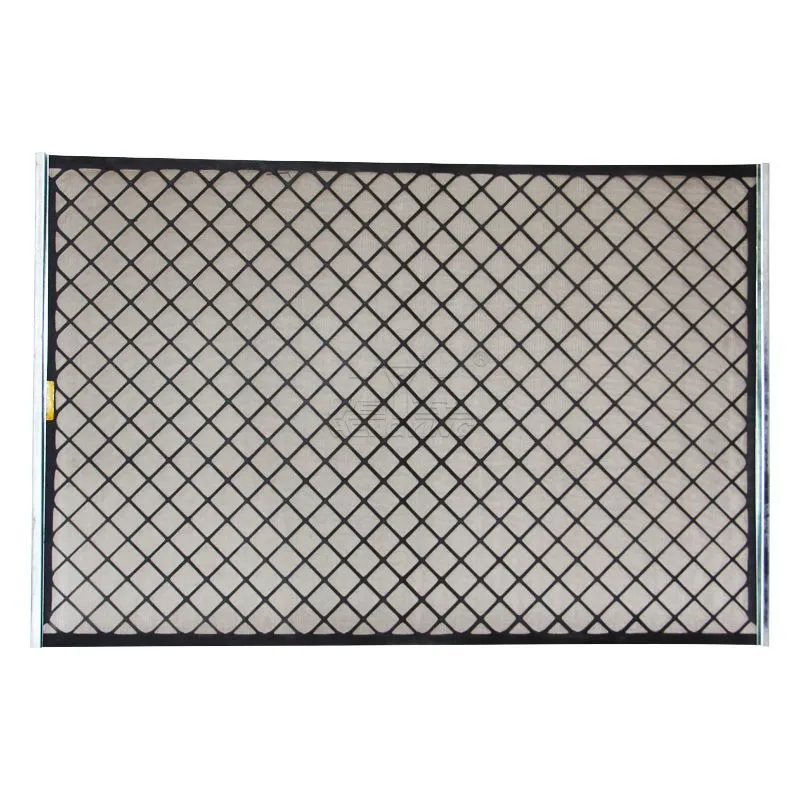
The manufacturing of a high-quality shale shaker screen is a meticulous process, combining advanced material science with precision engineering. Our Hook Strip Soft Screen exemplifies this, designed for robust performance in demanding conditions. The process flow typically involves several critical stages:
1. Material Selection and Preparation:
- Screen Mesh Material: High-grade stainless steel wire cloth (typically SS304 or SS316L) is selected for its superior corrosion resistance and mechanical strength. The wire diameter and weave pattern (e.g., plain, twilled, Dutch) are chosen based on the desired API mesh size and separation efficiency. Multi-layer screens often utilize different mesh sizes for optimal filtration and structural support.
- Frame Material: For soft screens, robust steel hook strips are used, ensuring a secure fit onto the shaker. For composite screens, advanced polymer composites (e.g., polyurethane) are chosen for their vibration dampening properties, impact resistance, and chemical stability.
2. Mesh Weaving and Layering:
- Specialized weaving machines produce the precise shale shaker screen mesh according to API RP 13C specifications.
- Multiple layers of mesh (typically 2 to 4 layers) are precisely cut and stacked to create the desired screening area and support structure. This layering is critical for achieving fine cuts while maintaining high conductance and preventing premature wear.
3. Frame Integration:
- For Hook Strip Soft Screens: The layered mesh is tensioned and bonded to high-strength steel hook strips. This process involves specialized machinery to ensure uniform tension across the entire screen surface, which is vital for effective separation and extended service life. The edges are then meticulously sealed to prevent fluid bypass.
- For Composite Frame Screens: The tensioned mesh layers are encapsulated within an injection-molded composite frame. This casting process ensures a strong, seamless bond between the mesh and the frame, eliminating potential weak points and enhancing resistance to delamination.
4. Finishing and Quality Control:
- Each shale shaker screen undergoes rigorous inspection and testing. Key parameters include mesh integrity, tension uniformity, frame dimensions, and sealing effectiveness.
- Testing standards adhere strictly to ISO 9001 quality management systems and API Recommended Practice 13C (ISO 13501) for screen designation. This ensures consistent product quality and predictable performance in the field.
Target Industries and Advantages:
Our screens serve diverse target industries including petrochemical, oil & gas drilling, mining, wastewater treatment, and metallurgy. Advantages in typical application scenarios include significant energy saving through optimized fluid dynamics, superior corrosion resistance even in harsh chemical environments, and extended service life reducing replacement frequency and operational downtime.
Technical Specifications and Performance Parameters
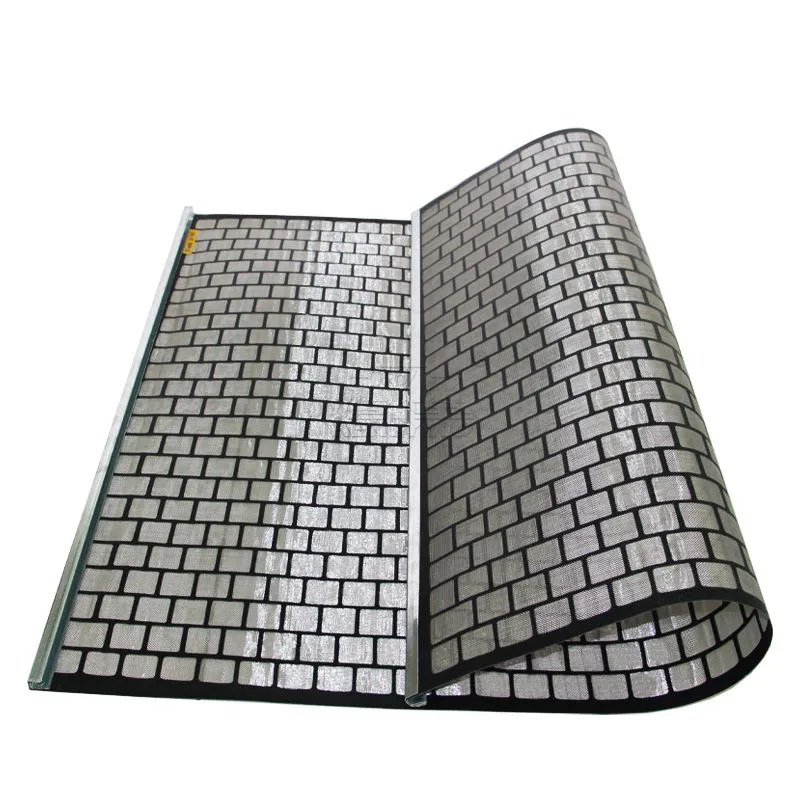
Understanding the precise technical specifications of a shale shaker screen is paramount for optimizing solids control operations. The performance is quantified by several key parameters, standardized by API RP 13C, ensuring comparability across different shale shaker screen suppliers.
Hook Strip Soft Screen Specifications:
Our screens are manufactured to meet or exceed these industry benchmarks, providing reliable and consistent performance.
Application Scenarios and Technical Advantages
The versatility and robustness of our Hook Strip Soft shale shaker screen make it indispensable across a spectrum of demanding applications. Its technical design provides distinct advantages that translate directly into operational efficiencies and cost savings.
Typical Application Scenarios:
- Oil & Gas Drilling: Primary and secondary solids control for both vertical and horizontal drilling, utilizing water-based muds (WBM) and non-aqueous fluids (NAF). Effective in separating drill cuttings from drilling fluid, ensuring mud integrity and equipment protection.
- Environmental Waste Management: Processing industrial wastewater and slurries from various manufacturing processes, aiding in the separation of solid contaminants.
- Mining Operations: Dewatering and sizing of mineral slurries, enhancing mineral recovery rates and managing tailings.
- Slurry Treatment: General applications involving fluid-solid separation in chemical processing, construction (e.g., piling, tunneling), and municipal waste treatment.
Technical Advantages:
- Enhanced Separation Efficiency: Precision-woven shale shaker screen mesh, adhering to strict API RP 13C guidelines, ensures superior D-100 cut point accuracy, effectively removing fine solids while minimizing valuable fluid loss. This leads to cleaner drilling mud and extended fluid life.
- Increased Throughput Capacity: Optimized non-blanked open area and advanced mesh designs maximize fluid conductance (k-value), allowing for higher flow rates without compromising separation quality. This translates to more efficient processing and reduced equipment footprint.
- Superior Durability and Service Life: Constructed from high-strength SS304/SS316L shale shaker screen material and robust hook strips, our screens exhibit exceptional resistance to abrasion, corrosion, and fatigue from continuous vibration, leading to significantly longer operational periods and reduced screen replacement costs.
- Reduced Blinding: Innovative mesh patterns and proper tensioning minimize blinding (clogging of screen apertures by solids), maintaining consistent performance and reducing the need for frequent cleaning or replacement.
- Cost-Effectiveness: The combination of extended service life, high separation efficiency, and reduced fluid loss contributes to substantial operational savings, making our screens a cost-effective solution for solids control.
Vendor Comparison: Choosing the Right Shale Shaker Screen Partner
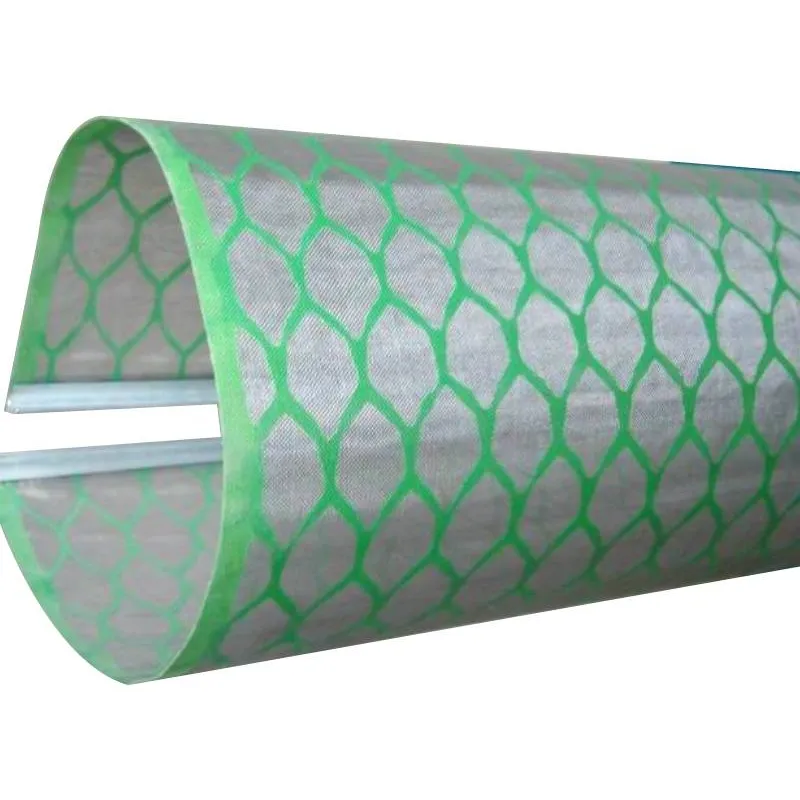
Selecting the right shale shaker screen supplier is a critical decision that impacts operational efficiency, cost, and overall project success. While many shale shaker screen manufacturers exist, distinguishing factors include product quality, technical support, customization capabilities, and pricing structure. Below is a conceptual comparison framework:
Choosing a reputable shale shaker screen factory with a proven track record, like HF PetroMesh, ensures access to superior product quality, consistent supply, and expert technical guidance for your specific operational needs. Our commitment to ISO 9001 standards and API RP 13C compliance positions us as a trusted partner for reliable solids control solutions.
Customized Solutions and Application Case Studies
Recognizing that every drilling or processing environment presents unique challenges, we specialize in providing customized shale shaker screen solutions tailored to specific client requirements. This flexibility, combined with our technical expertise, allows us to optimize solids control for maximum efficiency and cost-effectiveness.
Customized Solutions:
- Tailored API Mesh Sizes: Beyond standard API designations, we can provide screens with precise D-100 cut points to match specific drilling fluid rheologies and formation types, minimizing mud losses and optimizing drilling rates.
- Multi-Layer Configurations: Design of unique mesh layering combinations to balance conductance and cut point for challenging drilling conditions, such as high-viscosity muds or very fine solids.
- Material Adaptations: Custom fabrication using specialized shale shaker screen material for extreme corrosive environments or high-temperature applications where standard SS304/316L may not suffice.
- Frame Modifications: Production of screens to fit non-standard shaker models or older equipment, ensuring seamless integration and continued operational efficiency.
Application Case Study: Enhanced Efficiency in Offshore Drilling
Client: Major Offshore Drilling Contractor operating in the North Sea.
Challenge: The client was experiencing excessive drilling fluid loss and premature blinding of their existing shale shaker screens for sale, leading to high operational costs and frequent screen replacements. The fine, sticky cuttings from deep-water shale formations were particularly problematic for their conventional screens, necessitating more frequent cleaning cycles and impacting drilling speed.
Solution: HF PetroMesh collaborated with the client's engineering team to design a custom Hook Strip Soft Screen. This solution featured a proprietary multi-layer mesh configuration with an optimized non-blanked open area and a specific API 200 designation, engineered to handle the unique rheology of their non-aqueous drilling fluid and the fine particle size distribution of the cuttings. The shale shaker screen material was upgraded to premium SS316L for enhanced corrosion resistance against the aggressive drilling fluid.
Results:
- Reduced Fluid Loss: Over 15% reduction in drilling fluid volume lost with cuttings, resulting in significant cost savings on expensive NAF.
- Extended Screen Life: Average screen service life increased by 70%, from 250 hours to over 425 hours, drastically cutting replacement frequency and associated labor costs.
- Improved Throughput: Shaker deck capacity improved by 20%, allowing for higher drilling rates without compromising solids control efficiency.
- Minimized Blinding: Client reported a 50% decrease in screen blinding incidents, leading to fewer manual cleaning interventions and greater operational uptime.
This case study exemplifies our capability to deliver tangible benefits through bespoke solids control solutions, proving our commitment as a leading shale shaker screen supplier.
Frequently Asked Questions (FAQ)
Q1: What is the primary difference between a soft screen and a composite screen?
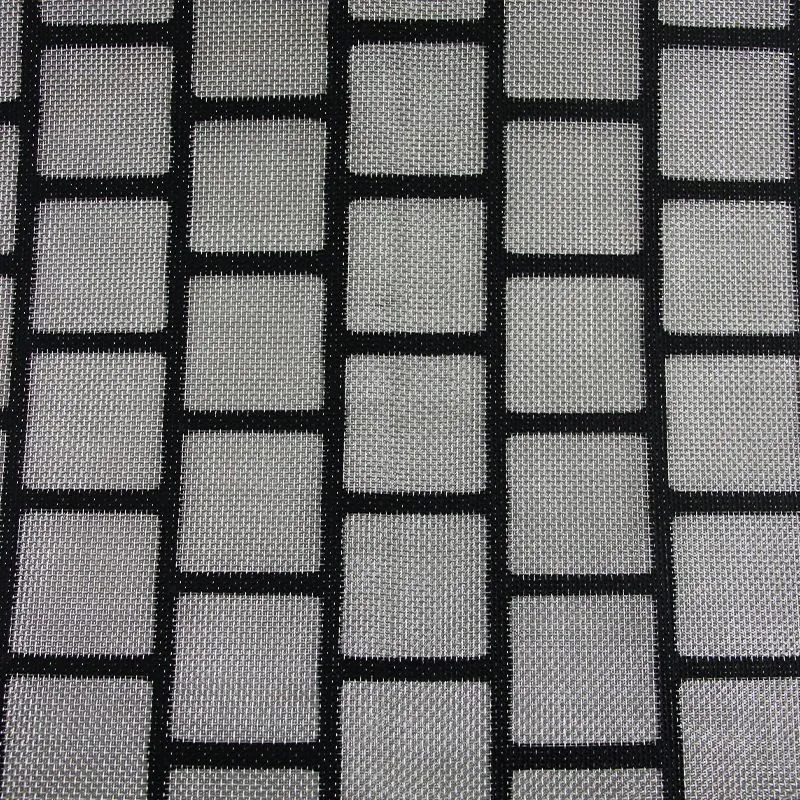
A1: A soft shale shaker screen, like our Hook Strip Soft Screen, typically features multiple layers of mesh bonded to steel hook strips for tensioning. Composite screens, conversely, embed the mesh layers within an injection-molded polymer frame. Soft screens are generally more cost-effective for certain applications, while composite screens offer enhanced durability, lighter weight, and improved sealing against bypass.
Q2: How do I choose the correct API mesh size for my operations?
A2: The correct API mesh size depends on several factors: the rheology of your drilling fluid, the size distribution of the solids you need to remove, and your desired drilling rate. Our technical experts can assist you in selecting the optimal API shale shaker screen for your specific mud system and formation characteristics to achieve the best balance between fluid recovery and solids removal.
Q3: What affects the service life of a shale shaker screen?
A3: Several factors influence service life, including the abrasiveness of the drill cuttings, the vibration intensity of the shaker, the type and properties of the drilling fluid, proper screen installation, and maintenance practices. Our screens are designed with high-grade shale shaker screen material to maximize durability under typical operating conditions.
Lead Time, Warranty, and Customer Support
Lead Time & Fulfillment:
Standard Hook Strip Soft shale shaker screen orders are typically fulfilled within 7-14 business days, depending on quantity and current inventory. For custom orders or large volumes, lead times will be provided upon inquiry, taking into account specific design and manufacturing requirements. We maintain a robust supply chain and efficient logistics to ensure timely delivery to our global clientele from our shale shaker screen factory in China.
Warranty Commitments:
All our shale shaker screen for sale products are backed by a limited warranty covering manufacturing defects for a period of 90 days from the date of purchase. This warranty assures our commitment to quality and craftsmanship. Full details of our warranty policy are available upon request.
Customer Support:
Our dedicated customer support team is available 24/7 to assist with technical inquiries, order placement, and after-sales service. We offer comprehensive support, including product selection guidance, installation best practices, and troubleshooting. Contact us via our website, email, or direct phone line for prompt and professional assistance.
Conclusion
The continuous evolution of shale shaker screen technology remains pivotal to achieving efficient, cost-effective, and environmentally responsible solids control in various industries. By focusing on advanced materials, precision manufacturing, and rigorous quality assurance, manufacturers like HF PetroMesh are driving innovation that directly benefits operational performance. Our Hook Strip Soft Screen, with its superior design, robust construction, and proven performance, stands as a testament to our commitment to delivering top-tier solids control solutions. Partnering with a trusted shale shaker screen supplier ensures not only access to high-quality products but also to the technical expertise and support necessary for optimizing your operations.
References
- 1. American Petroleum Institute. (2007). API Recommended Practice 13C: Drilling Fluids Processing Equipment Evaluation. 4th ed. Washington, D.C.: API.
- 2. International Organization for Standardization. (2007). ISO 13501: Petroleum and natural gas industries - Drilling fluids - Processing equipment evaluation. Geneva, Switzerland: ISO.
- 3. World Oil Magazine. (Annual). Solids Control Technology Reports. Houston, TX: Gulf Publishing Company.
- 4. Society of Petroleum Engineers. (Various issues). SPE Drilling & Completion Journal. Richardson, TX: SPE.
-
The Ultimate Guide to Choosing a French Drain Grate CoverNewsApr.16,2026
-
Ultimate Guide to Durable Metal Channel Drain Grates for DrainageNewsApr.09,2026
-
Driveway Channel Drain Grate Systems for Effective Water ManagementNewsApr.07,2026
-
Comprehensive Guide to Durable Cast Iron Trench Drain Covers for Various ApplicationsNewsApr.04,2026
-
Comprehensive Guide to Driveway Storm Drain Grates for Optimal Water ManagementNewsMar.31,2026
-
Comprehensive Guide to Durable Steel Driveway Grates for Enhanced DrainageNewsMar.28,2026