- Industrial zone, South of Anping Town, Hengshui, Hebei, China.
- sales@hfpetromesh.com
- +86-18931809706
Comprehensive Guide to Durable Cast Iron Trench Drain Covers for Various Applications
Understanding Cast Iron Trench Drain Covers: A Comprehensive Guide
Cast iron trench drain covers are a vital component of effective stormwater management and safety in various industrial, commercial, and public spaces. These robust covers protect open trenches while allowing water to pass through, preventing accidents and maintaining efficient drainage. This article explores the benefits, applications, materials, and factors to consider when choosing cast iron trench drain covers, providing valuable insights for engineers, contractors, and property managers. Ensuring the right drain cover is selected is crucial for long-term performance and safety.
The Benefits of Choosing Cast Iron
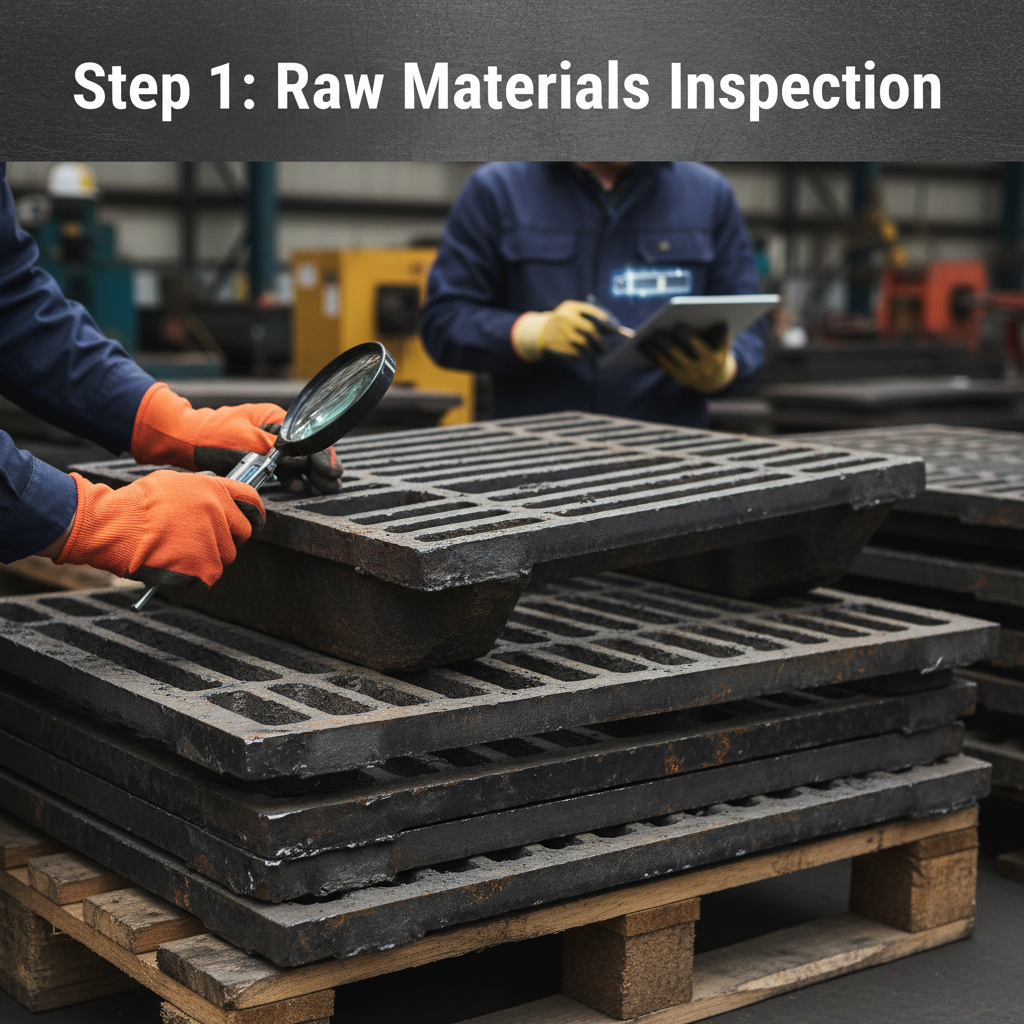
Cast iron offers a unique combination of properties that make it ideal for trench drain covers. Its exceptional strength and durability can withstand heavy loads from vehicular traffic, industrial equipment, and pedestrian use. Furthermore, cast iron is highly resistant to corrosion, ensuring a long service life even in harsh environments. Compared to other materials like plastic or steel, cast iron provides a superior level of security against theft and vandalism. The inherent weight of cast iron also contributes to stability, preventing the covers from shifting or becoming dislodged. Finally, cast iron is a recyclable material, making it an environmentally responsible choice.
Key Advantages: Exceptional strength, corrosion resistance, durability, security, and recyclability.
Applications of Cast Iron Trench Drain Covers
Cast iron trench drain covers find application in a diverse range of settings. These include parking lots, roadways, industrial facilities, wastewater treatment plants, loading docks, and public walkways. In transportation infrastructure, they effectively manage stormwater runoff and prevent vehicle hazards. Industrial settings benefit from their ability to withstand heavy equipment and corrosive chemicals. Commercial properties utilize them for pedestrian safety and aesthetic appeal. Municipalities rely on their longevity and reliability in public spaces. They're particularly well-suited for areas with high traffic volume or potential for heavy loads.
Common Application Areas:
• Parking Lots
• Industrial Facilities
• Roadways and Highways
• Wastewater Treatment Plants
Cast Iron Trench Drain Covers: Comparing Grades and Designs
Not all cast iron is created equal. Different grades of cast iron offer varying levels of strength and corrosion resistance. Ductile iron, a more refined form of cast iron, provides superior strength and ductility. Furthermore, drain covers come in various designs, including solid covers, grating covers, and recessed covers. Grating covers allow for maximum water flow, while solid covers offer greater security. Recessed covers are often used in areas with pedestrian traffic to minimize tripping hazards. Selecting the appropriate grade and design depends on the specific application requirements and load-bearing capacity needed. You can explore different options at HF PetroMesh's product catalog.
Factors to Consider When Selecting Covers
Several factors must be considered when choosing the right cast iron trench drain covers. These include the anticipated load (pedestrian, vehicular, industrial equipment), the required flow rate, the environmental conditions (corrosion potential), and local regulations. It's important to select a cover with a load-bearing capacity that exceeds the expected load. Ensuring adequate flow capacity is critical to prevent flooding and maintain efficient drainage. Consider coatings or specialized alloys for highly corrosive environments. Always verify compliance with local codes and standards.
Maintenance and Longevity
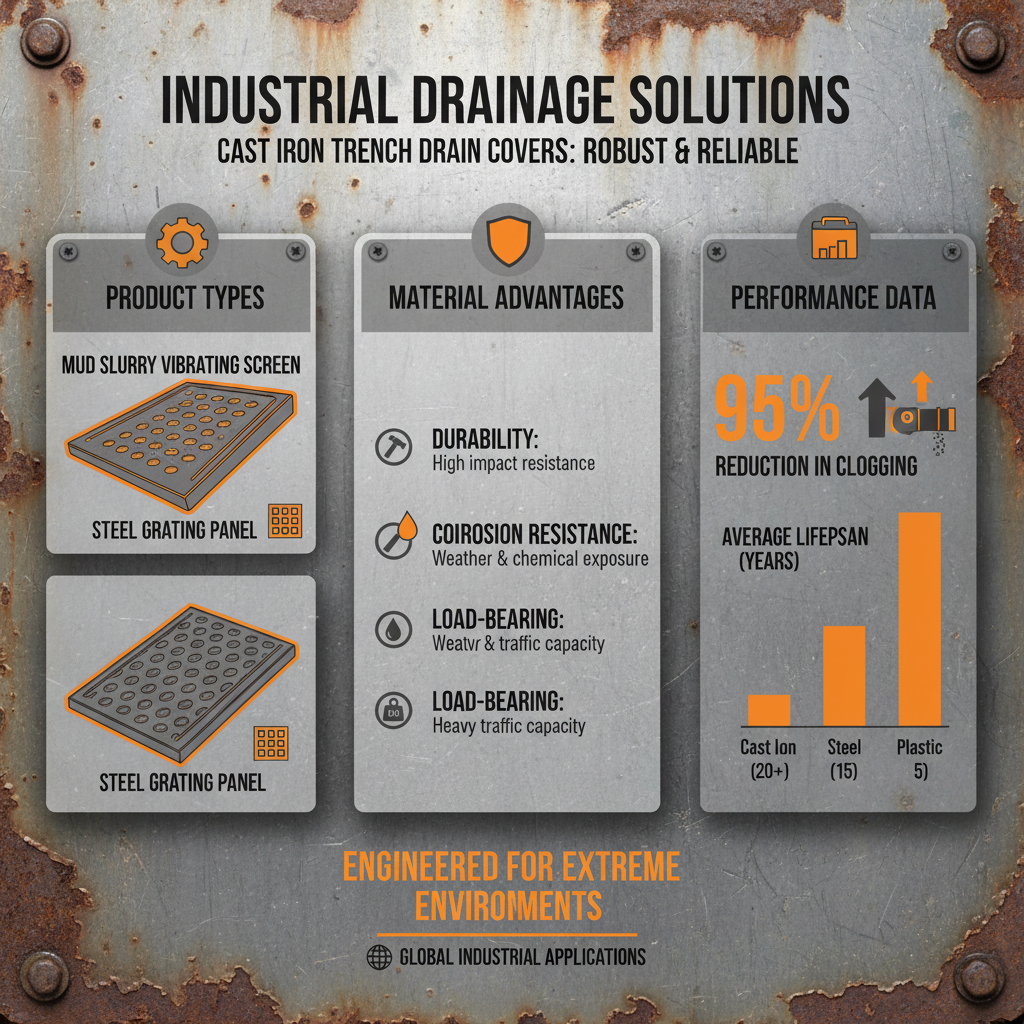
While cast iron trench drain covers are exceptionally durable, regular inspection and maintenance are crucial to ensure their continued performance. Periodically inspect for cracks, corrosion, or damage to the locking mechanisms. Remove any debris that may obstruct water flow. Consider applying a protective coating to enhance corrosion resistance, especially in harsh environments. Proper maintenance will significantly extend the lifespan of the covers and minimize the risk of costly repairs or replacements. HF PetroMesh offers guidance on proper maintenance practices to maximize the longevity of their products.
Conclusion: Investing in Reliable Drainage Solutions
Choosing the right cast iron trench drain covers is a long-term investment in safety, efficiency, and durability. By understanding the benefits, applications, and factors to consider, you can select covers that meet your specific needs and provide reliable performance for years to come. Don't compromise on quality – choose a trusted supplier like HF PetroMesh.
Frequently Asked Questions (FAQs)
What load capacity should I look for in a trench drain cover?
The required load capacity depends on the expected traffic. For pedestrian-only areas, a lower capacity may suffice. However, if vehicles or heavy equipment will be operating nearby, you'll need a cover rated for significantly higher loads. Refer to industry standards and local regulations to determine the appropriate load rating for your specific application. It's always advisable to overestimate the required capacity to ensure safety and prevent damage. HF PetroMesh offers covers with varying load ratings to meet diverse requirements.
Are cast iron trench drain covers susceptible to corrosion?
While cast iron is generally corrosion-resistant, it can corrode over time, especially in harsh environments with high salinity or exposure to chemicals. Ductile iron offers improved corrosion resistance compared to gray iron. Additionally, applying protective coatings, such as epoxy or galvanizing, can significantly enhance corrosion protection. Regular inspection and maintenance are also crucial to identify and address any signs of corrosion early on.
What is the difference between a solid cover and a grating cover?
Solid covers provide a complete barrier over the trench, offering greater security and preventing objects from falling in. They're ideal for areas where security is a concern or where a flush surface is desired. Grating covers allow water to flow through while still providing a protective barrier. They are better suited for applications where efficient drainage is paramount and security is less of a concern. The choice depends on the specific needs of the application.
How do I ensure a proper fit for the drain covers?
Accurate measurements of the trench opening are essential to ensure a proper fit. The covers should sit securely and flush with the surrounding surface, without any gaps or loose edges. Consider the depth of the trench and select covers with appropriate frame heights. If necessary, use shims or leveling compounds to achieve a perfectly level and secure fit. Improperly fitted covers can pose a safety hazard and compromise the integrity of the drainage system.
-
The Ultimate Guide to Choosing a French Drain Grate CoverNewsApr.16,2026
-
Ultimate Guide to Durable Metal Channel Drain Grates for DrainageNewsApr.09,2026
-
Driveway Channel Drain Grate Systems for Effective Water ManagementNewsApr.07,2026
-
Comprehensive Guide to Driveway Storm Drain Grates for Optimal Water ManagementNewsMar.31,2026
-
Comprehensive Guide to Durable Steel Driveway Grates for Enhanced DrainageNewsMar.28,2026