Let's talk grating steel price. It's not just numbers on a spreadsheet, folks. I’ve spent years on muddy construction sites, seeing what works and what doesn’t. Grating steel is the backbone of so much – walkways, platforms, drainage systems, even security features. Its price dictates project budgets, impacts safety, and ultimately, affects how quickly we get things built. Understanding the factors driving that price – raw material costs, manufacturing processes, even transportation – is crucial for anyone involved in construction, engineering, or infrastructure development. It’s about more than just getting the cheapest deal; it’s about getting the right steel for the job at a justifiable cost.
The global demand for steel, driven by infrastructure projects in developing nations and ongoing construction in established economies, plays a massive role in grating steel price fluctuations. We’ve seen prices surge with supply chain disruptions and geopolitical instability. Tracking these trends isn't some academic exercise; it directly impacts our ability to deliver projects on time and within budget. Think about a large-scale refinery upgrade – every dollar increase in the grating steel price adds up quickly, potentially impacting the entire project’s viability.
The reality is, this isn’t a commodity purchase. Knowing how to assess quality, understand different grating types, and negotiate effectively with suppliers can save companies significant money – and, more importantly, prevent potential safety hazards. This impacts everything from small local projects to massive infrastructure undertakings. That's why understanding grating steel price isn't just for procurement; it’s for every engineer, foreman, and project manager involved.
The Significance of Grating Steel Price
From my experience on-site, managing projects effectively always comes down to understanding material costs. Grating steel price is a critical element, influencing everything from initial project bids to ongoing maintenance budgets. It's not just about the immediate cost; it's about the long-term durability and safety that the right steel provides. We've learned the hard way that skimping on quality to save a few bucks upfront can lead to costly repairs and, even worse, safety issues down the line. Understanding the nuances of grating steel price allows for informed decision-making, and ultimately, building safer, more reliable infrastructure.
The price volatility of steel demands constant vigilance. Staying informed about market trends, supplier capabilities, and potential disruptions is essential. We rely on building strong relationships with our suppliers – not just to negotiate price, but also to ensure consistent quality and timely delivery. grating steel price monitoring isn’t a one-time task; it’s a continuous process that requires dedicated attention and proactive planning.
Global Market Dynamics & Grating Steel Price
The global steel market is a beast. Demand from rapidly industrializing countries like India and Southeast Asia exerts significant pressure on supply and, consequently, on grating steel price. Trade policies, tariffs, and currency fluctuations all add layers of complexity. I’ve seen projects delayed simply because of unexpected steel price spikes caused by international trade disputes. It's a constant game of anticipating and mitigating risk.
According to recent World Steel Association reports, global steel demand continues to grow, although at a slower pace than in previous years. This sustained demand, coupled with ongoing supply chain challenges, suggests that grating steel price will likely remain elevated in the near to medium term. Understanding these broader economic forces is vital for accurate project budgeting and risk assessment.
Furthermore, environmental regulations and the increasing focus on sustainable manufacturing practices are driving up production costs for some steel producers. This translates to higher prices for grating steel. Companies are increasingly seeking steel produced using greener methods, which often comes at a premium.
Defining Grating Steel Price and its Relevance
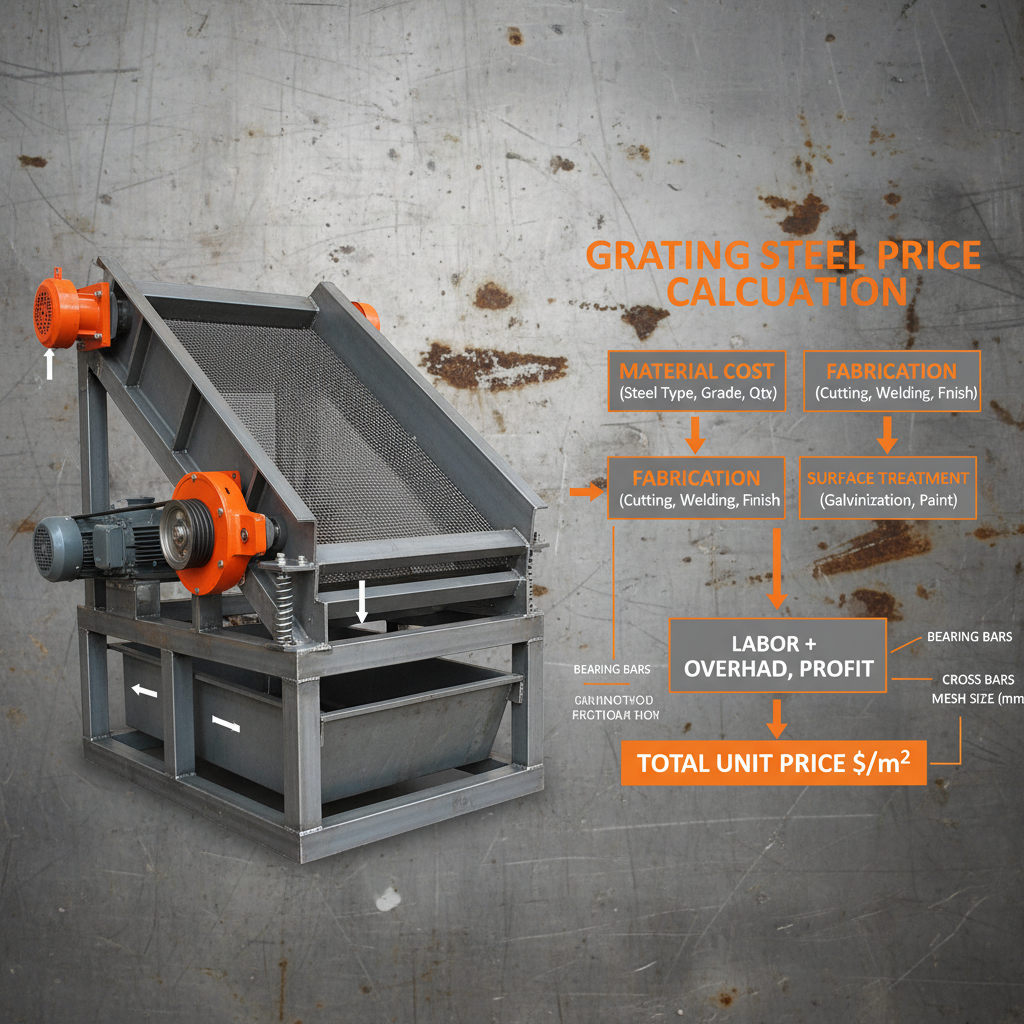
Grating steel price refers to the cost of steel grating products, encompassing the raw material (steel), manufacturing processes (welding, pressing, etc.), and associated costs like transportation, handling, and supplier margins. It's not a single price point; it varies significantly based on the type of grating (welded, riveted, molded), the steel grade, the load-bearing capacity, and the specific dimensions.
Its relevance extends far beyond simply choosing a product. It affects project feasibility, return on investment, and long-term operational costs. In industries like oil and gas, where safety is paramount, choosing lower-quality, cheaper grating steel can have catastrophic consequences. We’re talking about platforms, walkways, and stairways that need to withstand heavy loads and harsh environmental conditions.
Ultimately, understanding grating steel price requires a holistic view. It’s not just about finding the lowest price; it’s about balancing cost with quality, performance, and safety to achieve the best overall value for the project. It’s about considering the total cost of ownership, including maintenance and replacement costs, over the lifetime of the grating.
Core Components Influencing Grating Steel Price
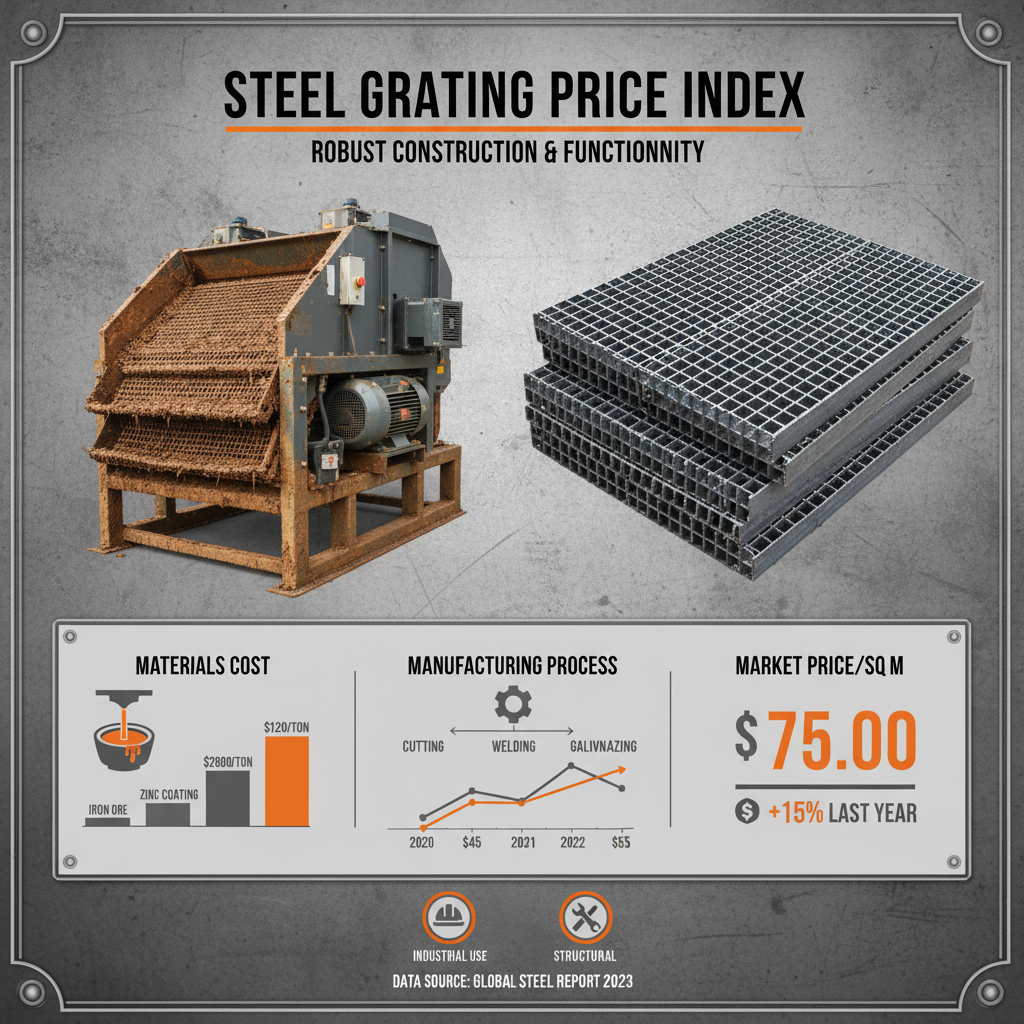
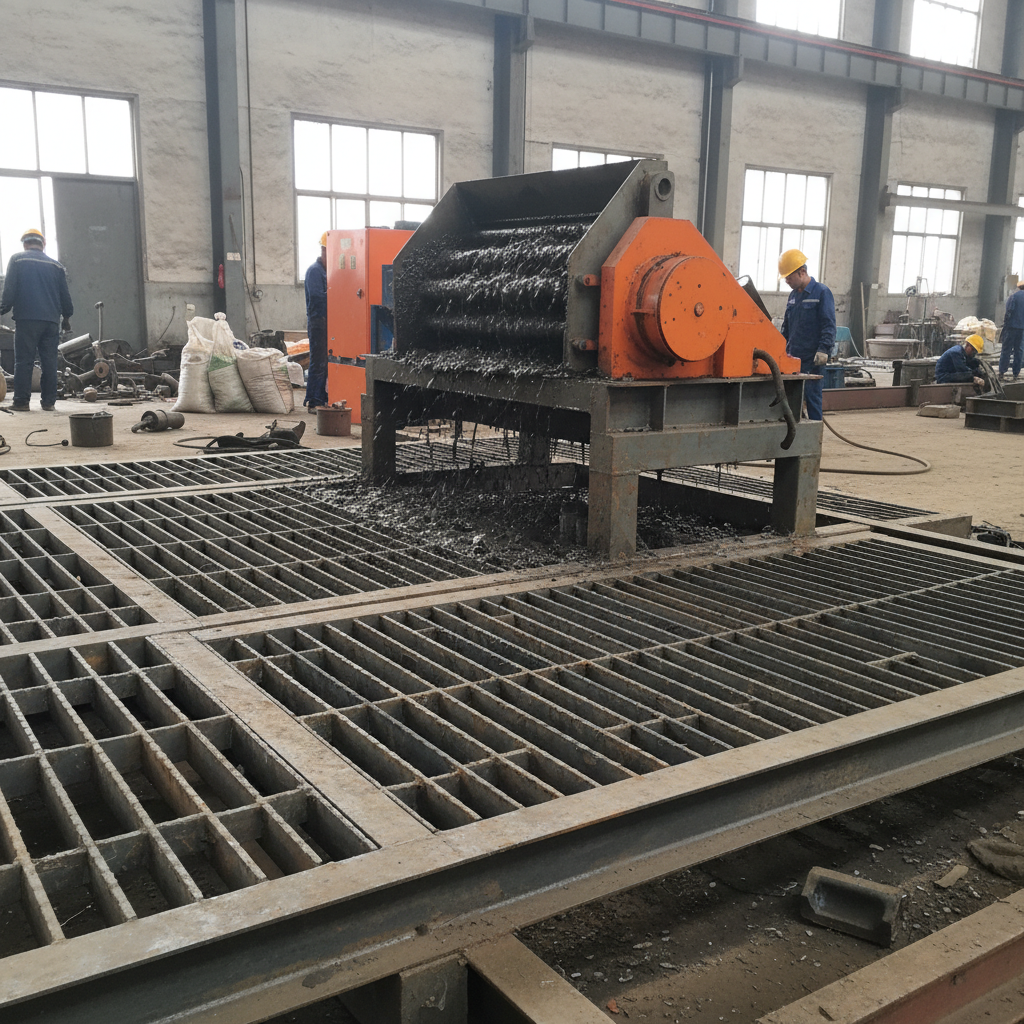
Let’s break down what really drives the price. First, raw material costs – the price of iron ore, coal, and other alloying elements – have a huge impact. Global market conditions and geopolitical events significantly influence these costs. Then there’s the manufacturing process. Welded grating tends to be more cost-effective than molded grating, for example.
Steel grade is another critical factor. Higher-strength steel, required for heavy-duty applications, commands a higher price. The thickness and bearing bar spacing also influence price; heavier gratings with closer spacing are more expensive. Finally, consider finishing options – coatings like galvanization or epoxy painting add to the cost but significantly enhance corrosion resistance and extend the grating’s lifespan.
Grating Steel Price Breakdown
Real-World Applications of Grating Steel
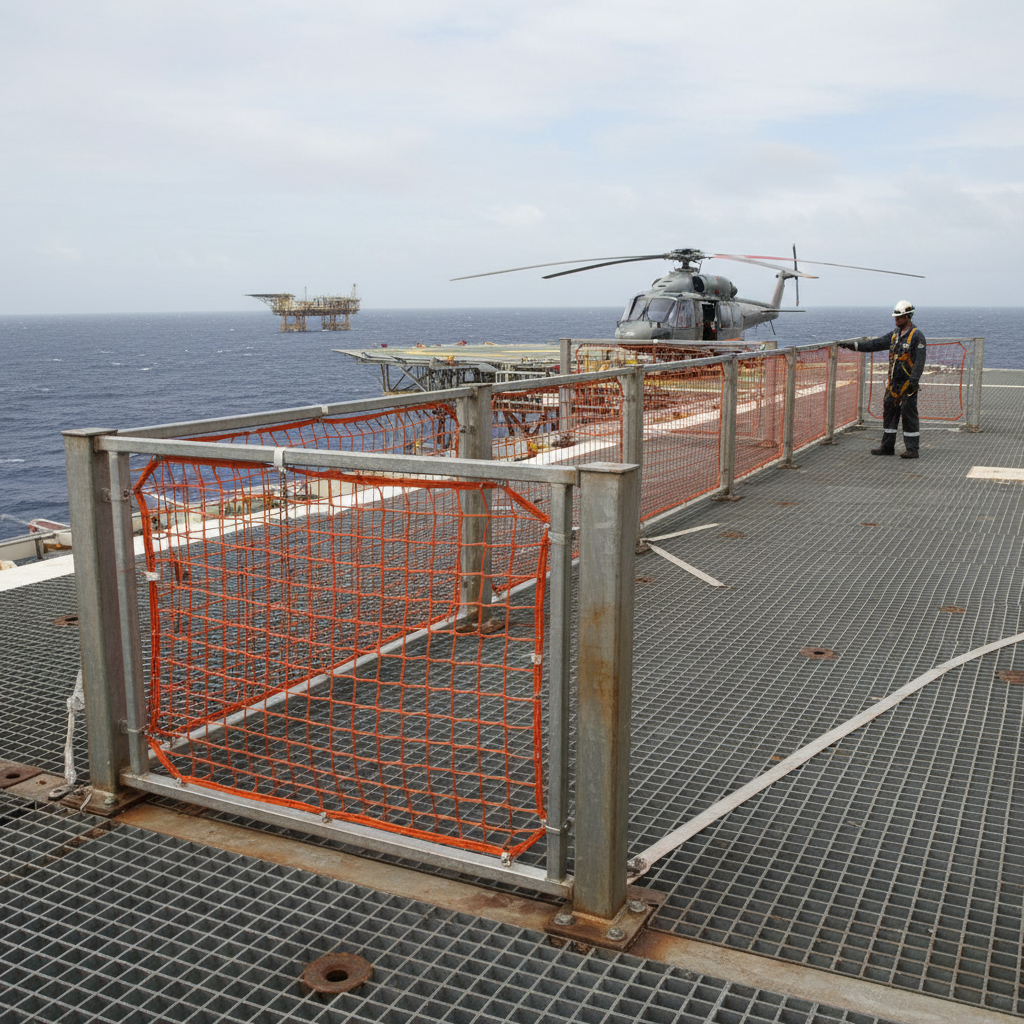
You see grating steel everywhere. Walkways in industrial plants, offshore platforms in the oil and gas sector, drainage systems in municipal infrastructure – it’s the unsung hero of countless applications. In wastewater treatment facilities, it provides safe and durable platforms for workers to access equipment.
I’ve seen it used extensively in power plants for cable tray support and ventilation systems. Its open design allows for air circulation, preventing overheating. In the food and beverage industry, it's favored for its hygienic properties and ease of cleaning. From large-scale infrastructure projects to smaller commercial installations, the versatility of grating steel is undeniable.
Long-Term Value and Advantages
Investing in high-quality grating steel pays off in the long run. Durability is key. A well-maintained grating steel structure can last for decades, minimizing replacement costs. Its low maintenance requirements contribute to significant cost savings over its lifespan. And let's not forget the safety aspect – a secure and reliable grating system reduces the risk of accidents and injuries.
Beyond the purely economic benefits, grating steel offers environmental advantages. Steel is a highly recyclable material, making it a sustainable choice. Choosing responsibly sourced steel contributes to a circular economy and reduces our environmental footprint. This is increasingly important as companies strive to meet sustainability goals.
Future Trends and Innovations in Grating Steel
We’re seeing innovations in steel alloys that enhance strength, corrosion resistance, and weldability, ultimately impacting the grating steel price. Lightweight grating materials, like fiberglass reinforced plastic (FRP) grating, are gaining traction in certain applications where weight is a critical factor. These alternatives offer corrosion resistance but come with different cost and performance trade-offs.
Digital fabrication technologies, such as laser cutting and automated welding, are improving manufacturing efficiency and reducing production costs. Smart grating systems, equipped with sensors to monitor load, corrosion, and structural integrity, are also emerging. These systems provide valuable data for preventative maintenance and safety monitoring.
The push for sustainable construction practices is driving demand for “green” steel – steel produced using renewable energy sources and lower-carbon manufacturing processes. This is likely to become a major trend in the coming years, influencing grating steel price and procurement decisions.
Summary of Factors Influencing Grating Steel Price
| Material Composition |
Manufacturing Process |
Market Demand |
Transportation Costs |
| Type of steel alloy (carbon steel, stainless steel) |
Welded vs. Molded vs. Riveted construction |
Global industrial growth and infrastructure projects |
Fuel prices and shipping distances |
| Steel grade and strength requirements |
Automation levels and manufacturing efficiency |
Regional supply and demand imbalances |
Port congestion and logistical challenges |
| Corrosion resistance additives |
Quality control processes and defect rates |
Government regulations and trade policies |
Insurance and security costs during transport |
| Raw material sourcing practices |
Waste management and recycling programs |
Currency exchange rates |
Fuel surcharges and transportation infrastructure |
| Compliance with industry standards (ASTM, ISO) |
Labor costs and skill levels |
Seasonal demand fluctuations |
Impact of geopolitical events |
| Availability of rare earth elements |
Energy consumption during manufacturing |
Inventory levels and lead times |
Customs duties and import taxes |
FAQS
Raw material costs (iron ore, coal), global demand, manufacturing processes, transportation costs, and geopolitical events all play a role. I've seen prices jump due to unexpected tariffs or supply chain disruptions. Staying informed about these factors is crucial for budgeting and risk assessment. Understanding these global forces is vital for accurate project budgeting and risk assessment.
Generally, welded grating is more cost-effective to produce than molded grating. Molded grating involves a more complex manufacturing process and typically requires higher tooling costs. However, molded grating offers certain advantages in terms of design flexibility and load-bearing capacity that might justify the higher price for specific applications.
With proper maintenance – regular cleaning and inspection for corrosion – a steel grating system can easily last 30-50 years or even longer. The lifespan depends on the environment it's exposed to (e.g., saltwater, harsh chemicals) and the quality of the initial steel and coating. Preventative maintenance is key to maximizing its longevity.
Establish strong relationships with reliable suppliers, consider locking in prices through long-term contracts, explore alternative grating materials (like FRP) for specific applications, and factor in a contingency budget to account for potential price increases. Thorough planning and proactive risk management are essential.
Galvanization provides excellent corrosion resistance, extending the lifespan of the grating and reducing maintenance costs. This is especially important in harsh environments like coastal areas or industrial facilities with corrosive fumes. It's a worthwhile investment that can save you money in the long run.
Yes, the demand for "green" steel is growing. Look for steel produced using renewable energy sources and lower-carbon manufacturing processes. Also, steel is highly recyclable, so choosing steel grating supports a circular economy. It's a step towards more sustainable construction practices.
Conclusion
Understanding grating steel price is more than just knowing the numbers; it’s about comprehending the interplay of global market forces, manufacturing processes, material science, and long-term project needs. A truly informed approach goes beyond simply seeking the lowest price and focuses on maximizing value through quality, durability, and sustainable sourcing. It's about building structures that are safe, reliable, and cost-effective over their entire lifespan.
Looking ahead, embracing innovative materials, digital fabrication techniques, and sustainable practices will be crucial for navigating the evolving landscape of grating steel. Staying informed about these trends and building strong relationships with trusted suppliers will be key to success. For more information on grating steel and current pricing, visit our website: www.hfpetromesh.com.