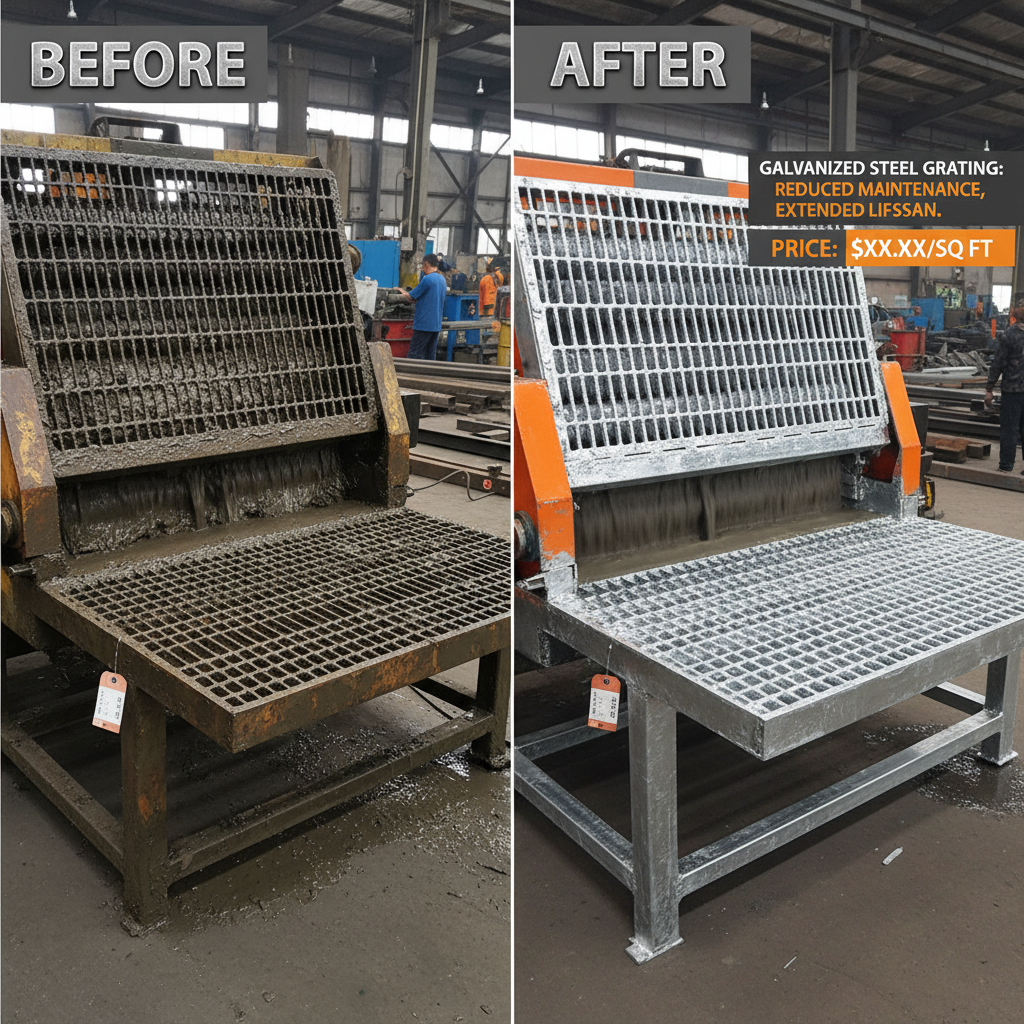
Steel grating heavy duty represents a critical component in modern infrastructure, offering robust and reliable flooring and safety solutions across a vast range of industries. Its inherent strength, coupled with open grid designs, make it ideal for applications demanding high load-bearing capacity and efficient drainage. Understanding its applications and benefits is vital for engineers, architects, and project managers involved in constructing and maintaining safe, durable, and cost-effective structures.
The global demand for steel grating heavy duty is directly linked to industrial growth, infrastructure development, and stringent safety regulations. According to the World Steel Association, global steel demand is projected to continue rising, fueling the need for supporting components like heavy-duty grating. This demand is particularly pronounced in developing nations undergoing rapid industrialization.
Addressing challenges like corrosion, maintenance, and long-term durability are paramount. Heavy-duty steel grating provides a long-lasting, low-maintenance solution, minimizing lifecycle costs and ensuring operational safety in demanding environments.
Introduction to steel grating heavy duty
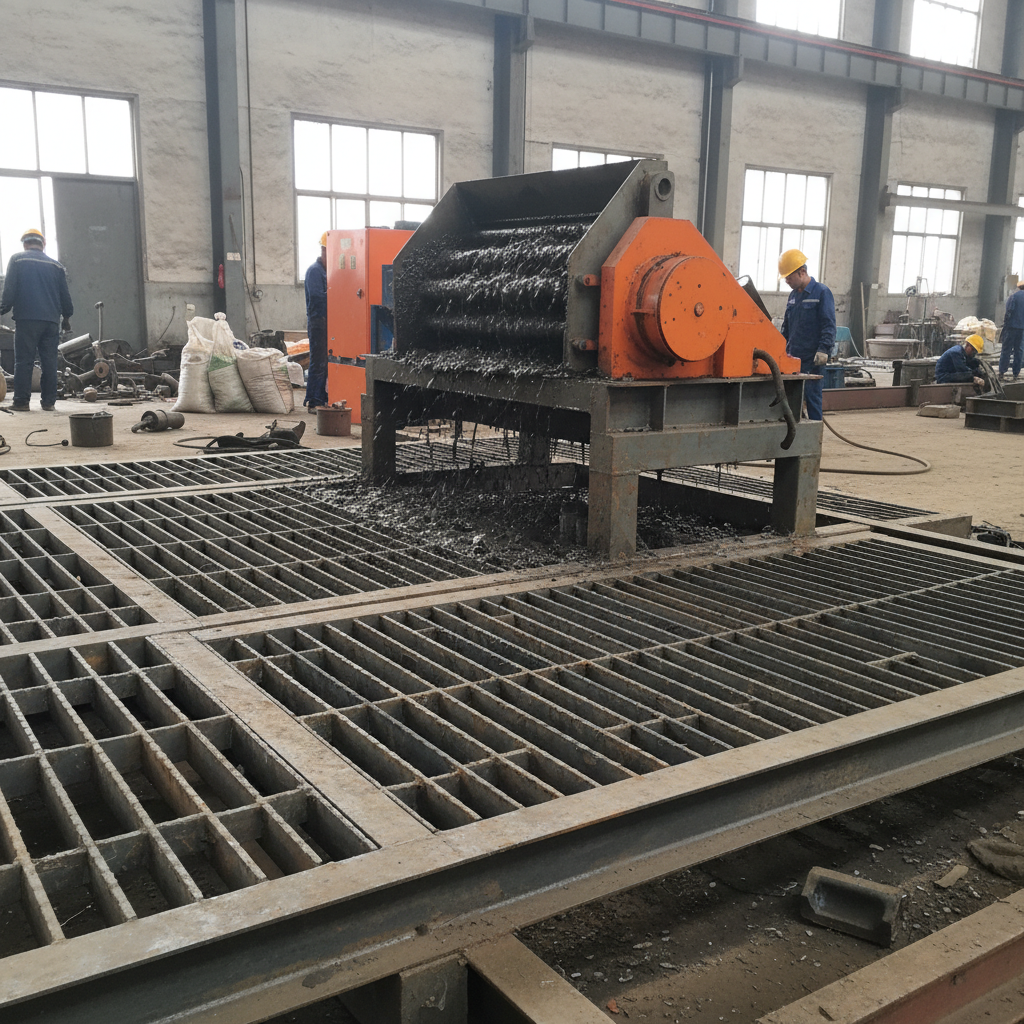
Heavy-duty steel grating isn’t merely a flooring solution; it’s a cornerstone of safety and efficiency in countless industrial and commercial environments. Its open grid construction promotes airflow, reduces material buildup, and allows for efficient drainage, particularly crucial in potentially hazardous areas. steel grating heavy duty solutions are engineered for longevity and resilience.
The selection of appropriate steel grating is heavily influenced by the specific application and anticipated load. Factors like the steel alloy composition, welding techniques, and surface treatment all contribute to the grating's overall performance and lifespan. Properly specified and installed, heavy-duty steel grating delivers a substantial return on investment through reduced maintenance and enhanced safety.
Global Relevance and Industry Context
The demand for steel grating heavy duty is deeply intertwined with the growth of industries like oil and gas, power generation, chemical processing, and wastewater treatment. These sectors often operate in harsh environments and require robust, corrosion-resistant flooring and walkways. The ISO standards related to safety and structural integrity directly influence the specification and implementation of steel grating in these industries.
Rapid urbanization and infrastructure development in emerging economies are driving increased demand for steel grating in construction projects. From elevated walkways in urban centers to platforms in industrial facilities, the need for safe, durable, and efficient flooring solutions is constantly growing. This increase in demand is coupled with a growing emphasis on worker safety and compliance with international standards.
The United Nations Sustainable Development Goals (SDGs), particularly those related to sustainable infrastructure (SDG 9) and responsible consumption and production (SDG 12), indirectly influence the demand for durable and long-lasting materials like steel grating. Choosing robust solutions reduces the need for frequent replacements, minimizing environmental impact and promoting resource efficiency.
Defining steel grating heavy duty
Steel grating heavy duty refers to an open grid system constructed from interwoven metal bars, typically made of carbon steel or stainless steel, designed to support significant loads. It’s characterized by its strength-to-weight ratio, allowing for robust structural support with minimal material usage. The ‘heavy duty’ designation indicates a higher load-bearing capacity and thicker materials compared to lighter-duty grating options.
This type of grating is essential for creating safe walking surfaces, platforms, stair treads, and drainage systems in demanding industrial and commercial settings. Unlike solid flooring, the open grid design permits the passage of liquids, debris, and air, preventing accumulation and reducing the risk of slip-and-fall accidents.
The connection between steel grating heavy duty and modern industry lies in its ability to enhance safety, improve operational efficiency, and reduce maintenance costs. It’s a critical component in industries prioritizing worker well-being and adhering to stringent safety regulations, and often contributes to the overall design and functionality of complex infrastructure projects.
Key Factors of steel grating heavy duty
Durability: Heavy-duty steel grating is engineered to withstand substantial loads, impacts, and environmental factors, providing a long service life even in harsh conditions. Properly maintained, it can last for decades, minimizing the need for costly replacements.
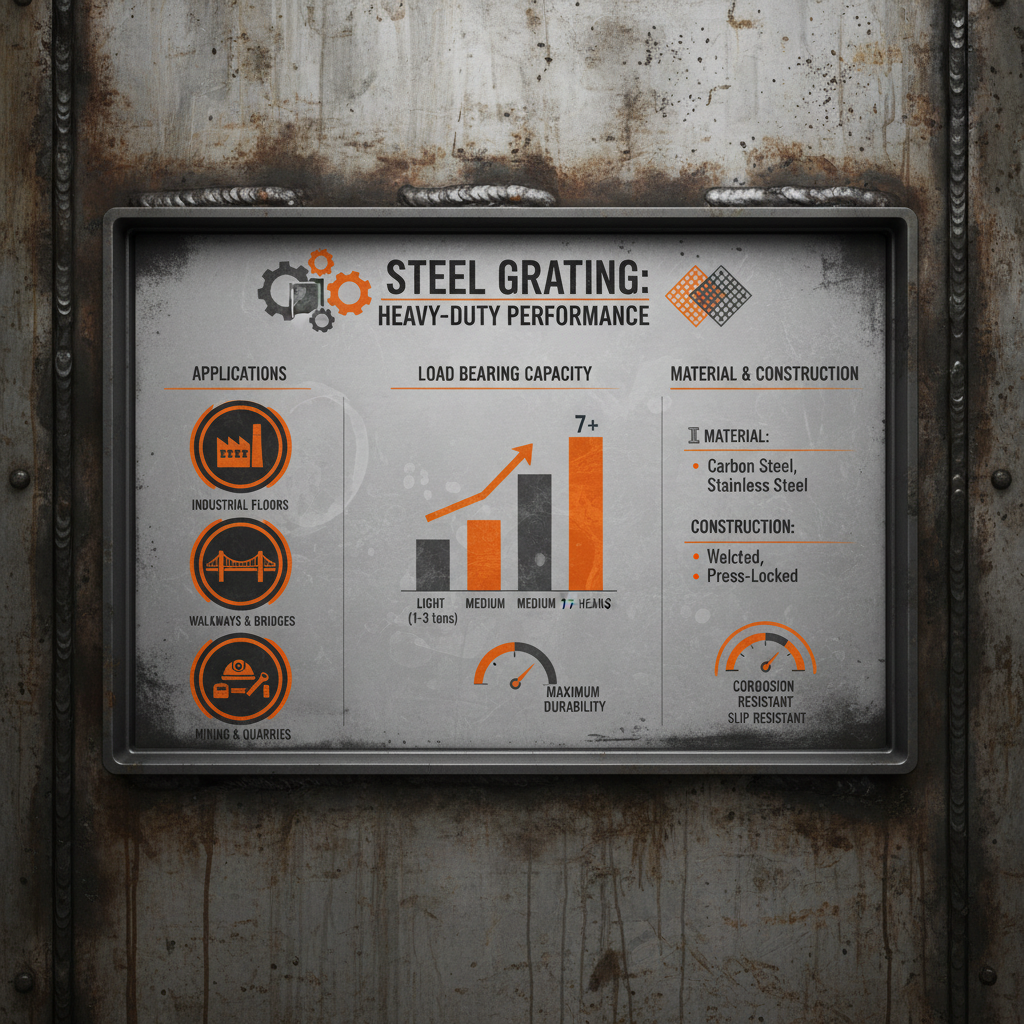
Load Capacity: The load-bearing capacity is a crucial factor, dictated by the steel grade, bar spacing, and overall grating design. Heavy-duty grating is specifically designed to handle heavy machinery, equipment, and pedestrian traffic without deformation or failure.
Steel Grating Heavy Duty Performance Metrics
Global Applications and Use Cases
In the oil and gas industry, steel grating heavy duty is essential for creating safe walking surfaces and platforms on offshore rigs and refineries. Its resistance to corrosion and ability to withstand harsh weather conditions make it ideal for these demanding environments. In post-disaster relief operations, steel grating can be rapidly deployed as temporary walkways and access points.
Wastewater treatment plants utilize steel grating for walkways, platforms, and covers over tanks and channels, providing safe access for maintenance personnel and preventing debris from entering the treatment process. In remote industrial zones, its durability and low maintenance requirements are highly valued, minimizing the need for frequent repairs and replacements.
Advantages and Long-Term Value
The tangible benefits of steel grating heavy duty extend beyond immediate safety improvements. The cost-effectiveness is a major draw – its long lifespan reduces lifecycle costs compared to alternatives like concrete or wood. Furthermore, steel is a highly recyclable material, promoting sustainability and reducing environmental impact.
From a social impact perspective, steel grating contributes to worker safety and productivity by providing a secure and stable working environment. The enhanced safety fosters trust and confidence among employees, leading to improved morale and reduced workplace accidents. The inherent reliability and robustness contribute to a sense of innovation and trust in the infrastructure.
Future Trends & Innovations in steel grating heavy duty
Innovations in materials science are leading to the development of new steel alloys with enhanced corrosion resistance and increased strength-to-weight ratios. This will enable the creation of even more durable and efficient steel grating solutions. The integration of smart technologies, such as embedded sensors for structural health monitoring, is also emerging as a potential trend.
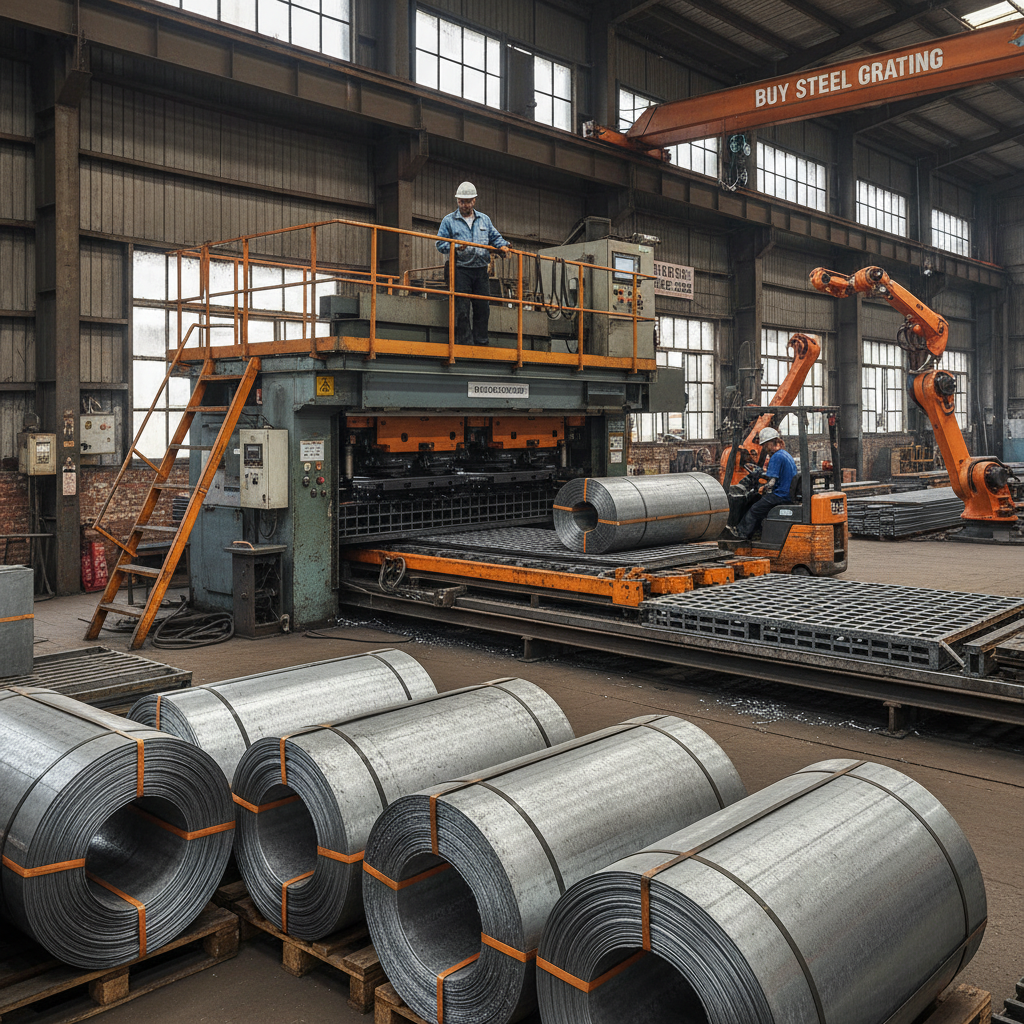
Green energy initiatives and a focus on sustainability are driving demand for eco-friendly materials and manufacturing processes. Manufacturers are increasingly adopting sustainable practices, such as using recycled steel and reducing energy consumption during production. Digital transformation and automation are streamlining the design and fabrication of steel grating, improving accuracy and reducing lead times.
Challenges & Solutions
Corrosion remains a significant challenge, particularly in marine and highly corrosive industrial environments. However, advancements in surface treatments, such as hot-dip galvanizing and powder coating, offer effective protection against corrosion. Maintaining consistent quality control during the manufacturing process is crucial to ensure the structural integrity of the grating.
Addressing installation challenges, such as ensuring proper support and alignment, requires skilled labor and adherence to industry best practices. Pre-fabricated grating systems and modular designs can simplify installation and reduce on-site labor costs. Exploring the potential of composite materials, combining steel with polymers, could offer lightweight, high-strength solutions for specialized applications.
The following table summarizes common challenges and their corresponding solutions in steel grating heavy duty applications.
Summary of Challenges and Solutions in Steel Grating Heavy Duty Applications
| Challenge |
Severity (1-10) |
Solution |
Implementation Cost (USD) |
| Corrosion in Marine Environments |
9 |
Hot-Dip Galvanizing & Epoxy Coating |
$500 - $1,500 |
| High Load Requirements |
7 |
Increase Bar Thickness & Reduce Spacing |
$300 - $800 |
| Installation Complexity |
6 |
Prefabricated Grating Sections |
$200 - $500 |
| Surface Slippage |
5 |
Abrasive Surface Treatment (serrated edges) |
$100 - $300 |
| Structural Fatigue |
8 |
Regular Inspections & Maintenance |
$100 - $200 (annual) |
| Material Costs Fluctuations |
4 |
Long-Term Contracts with Suppliers |
$0 (contractual) |
FAQS
With proper maintenance, including regular cleaning and surface treatment reapplication when necessary, steel grating heavy duty installations can last for 25-50 years or even longer. The lifespan is highly dependent on the operating environment. Highly corrosive environments will require more frequent maintenance and may shorten the lifespan. Utilizing high-quality materials and coatings is vital to maximizing durability.
While the initial material cost of steel grating heavy duty can sometimes be higher than concrete, the overall lifecycle cost is often lower. Concrete requires more extensive foundations and can be subject to cracking and deterioration over time, leading to costly repairs. Steel grating is lighter, easier to install, and requires minimal maintenance, resulting in long-term savings. Furthermore, steel is fully recyclable, reducing waste disposal costs.
Common surface treatments include hot-dip galvanizing, which provides a robust zinc coating, and powder coating, which offers a durable, colorful finish. Epoxy coatings are also used for enhanced corrosion resistance, particularly in harsh chemical environments. The choice of treatment depends on the specific application and exposure conditions. Regular inspection and re-application of coatings are essential to maintain protection.
Yes, steel grating heavy duty is highly customizable. Manufacturers can tailor the bar size, spacing, and overall dimensions to meet specific project needs. Load-bearing capacity can be adjusted by altering the steel grade and grating pattern. Custom fabrication allows for seamless integration into a wide range of applications and architectural designs. steel grating heavy duty specialists can offer engineering support to ensure optimal performance.
Several safety standards govern the installation of steel grating heavy duty, including OSHA regulations for fall protection and structural integrity. Compliance with relevant ISO standards is also critical. Proper fastening and support mechanisms are essential to prevent accidents. Regular inspections and maintenance are required to ensure continued safety and compliance.
The open grid design allows for excellent drainage, preventing the accumulation of liquids and debris that can create slip and fall hazards. It also allows for visibility of underlying surfaces, reducing the risk of tripping. The inherent strength and stability of steel grating provide a secure walking surface, contributing to a safer work environment.
Conclusion
Steel grating heavy duty remains a vital component in modern infrastructure, providing durable, safe, and cost-effective flooring and safety solutions across a diverse range of industries. Its strength, corrosion resistance, and open grid design contribute to enhanced operational efficiency, reduced maintenance costs, and improved worker safety. Understanding the key factors, applications, and future trends surrounding this material is crucial for engineers, architects, and project managers.
Looking ahead, continued innovation in materials science and manufacturing processes will further enhance the performance and sustainability of steel grating. Embracing smart technologies and prioritizing lifecycle cost analysis will drive wider adoption of this essential material. For robust and reliable steel grating solutions, visit our website: www.hfpetromesh.com.