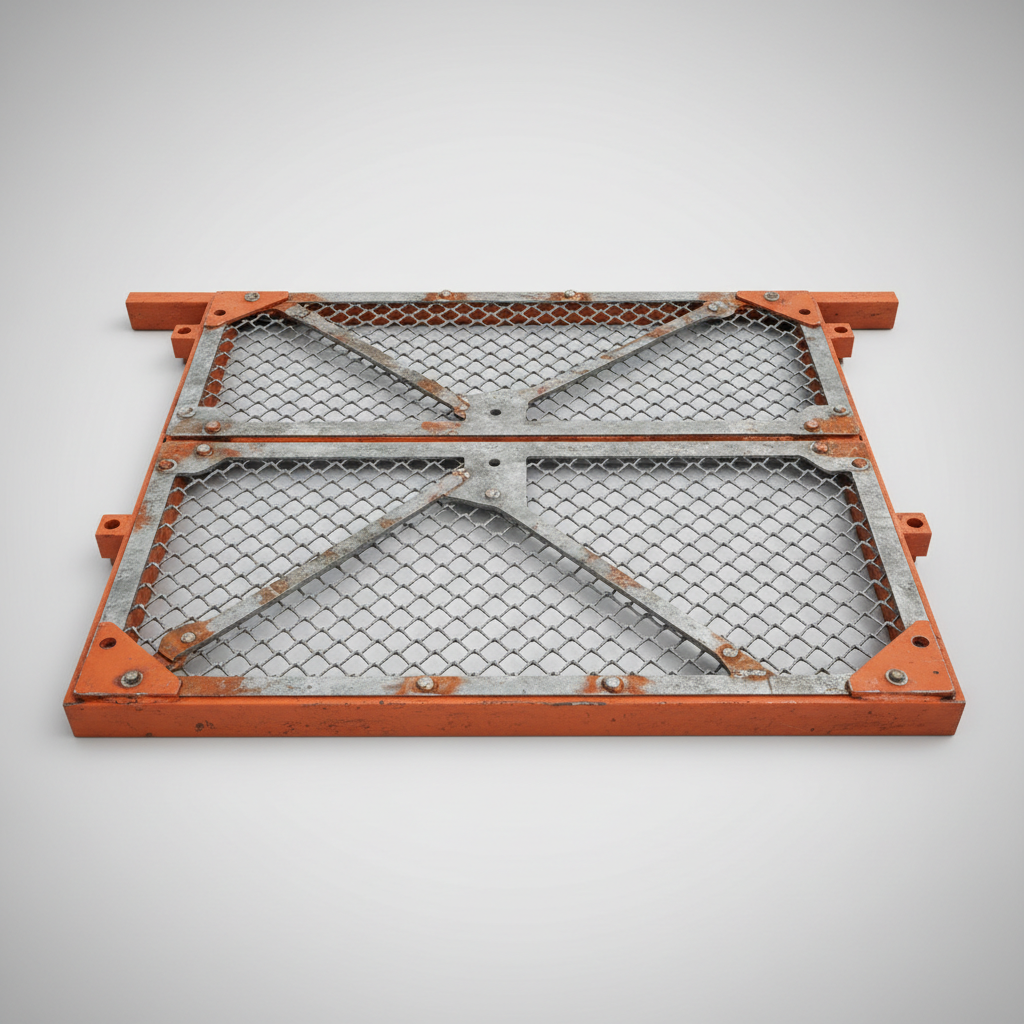
Steel grating is a foundational element in modern infrastructure, providing safe and durable walking surfaces across a multitude of applications. From industrial plants and wastewater treatment facilities to architectural walkways and security barriers, the demand for quality buy steel grating is consistently high. Understanding its properties, applications, and the factors influencing its procurement is critical for engineers, architects, and procurement professionals alike.
Globally, the steel grating market is experiencing steady growth, driven by expanding industrialization in emerging economies and a focus on safety regulations. The UN’s Sustainable Development Goal 9, focusing on industry, innovation, and infrastructure, directly supports the need for reliable and robust materials like steel grating. However, challenges remain in ensuring consistent quality, competitive pricing, and sustainable manufacturing practices when you buy steel grating.
Ultimately, selecting the right steel grating isn't just about cost; it's about long-term performance, safety, and contributing to resilient infrastructure. A well-informed decision process can save significant costs and mitigate risks associated with premature failure or inadequate load capacity.
Introduction to Steel Grating
Steel grating, at its core, represents a robust and versatile construction material. It's formed by creating an open grid pattern using intersecting metal strips, typically welded or pressed together. This design lends itself to exceptional strength-to-weight ratios, making it an ideal solution for applications where load-bearing capacity and open airflow are crucial. When you buy steel grating, you're investing in a product that prioritizes both safety and efficiency.
The initial investment for steel grating is often offset by its longevity and reduced maintenance needs. Unlike materials prone to rot or corrosion, properly maintained steel grating can endure decades of heavy use. This durability is particularly significant in harsh environments, making it a cost-effective choice over the product’s lifecycle.
Defining Buy Steel Grating
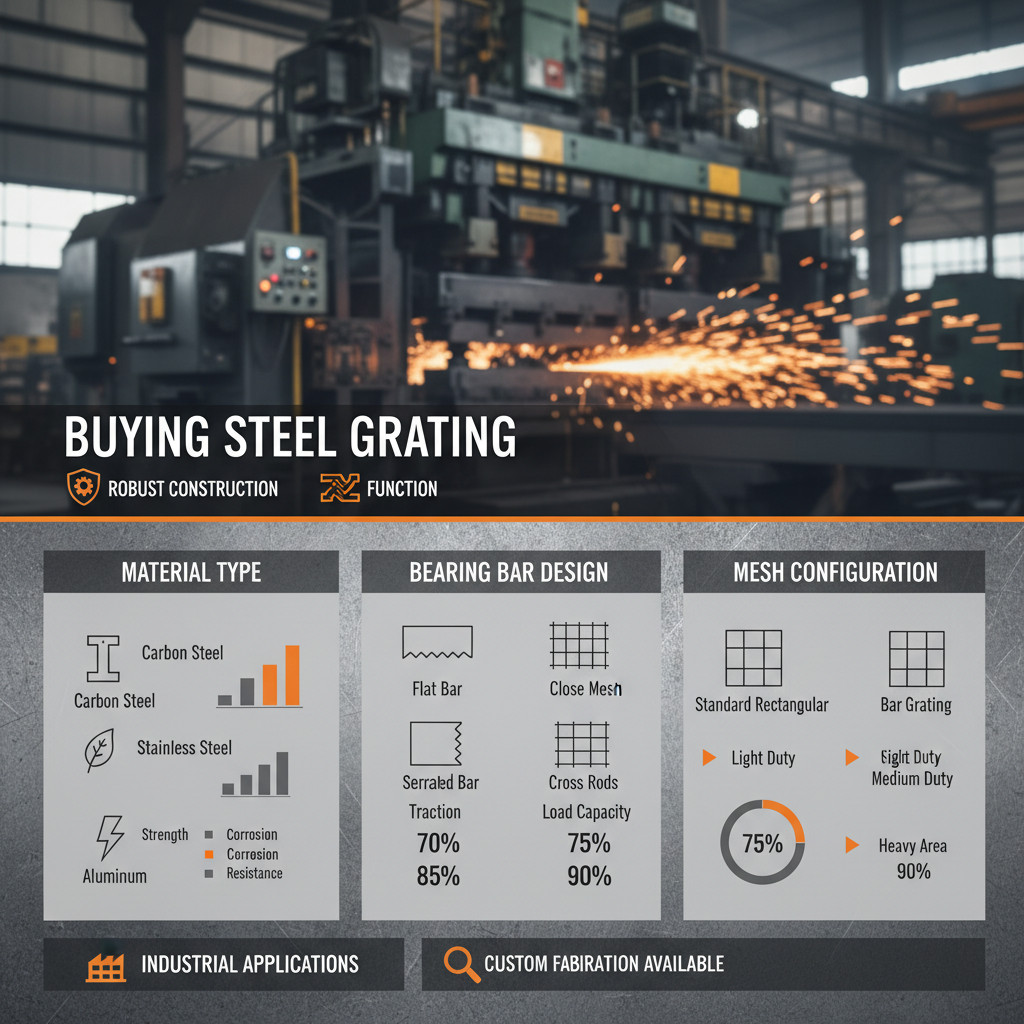
To "buy steel grating" implies the acquisition of prefabricated panels or sections of this metallic grid structure. These are manufactured in various materials (typically carbon steel, stainless steel, or aluminum), bearing patterns (spacing between the bars), and surface treatments (galvanization, powder coating) depending on the intended application. The term encompasses the entire process, from sourcing suppliers to receiving the finished product.
Understanding the nuances of these options is vital. For instance, stainless steel grating is a popular choice in environments demanding corrosion resistance, such as marine applications or food processing facilities. Carbon steel, being more affordable, is frequently used in industrial settings. When you buy steel grating, specifying the correct material is paramount.
This material is deeply connected to modern industry and infrastructural development. Its utilization spans countless sectors, from securing walkways in factories to creating aesthetically pleasing architectural features. It's a fundamental component in maintaining safe and efficient operational environments globally.
Key Characteristics of Steel Grating
One of the primary characteristics of steel grating is its outstanding strength. The interconnected bars distribute load efficiently, allowing it to support significant weight. Different manufacturing methods, like welded or swaged construction, affect the grating's load-bearing capacity, making it important to choose a product suited to the anticipated load.
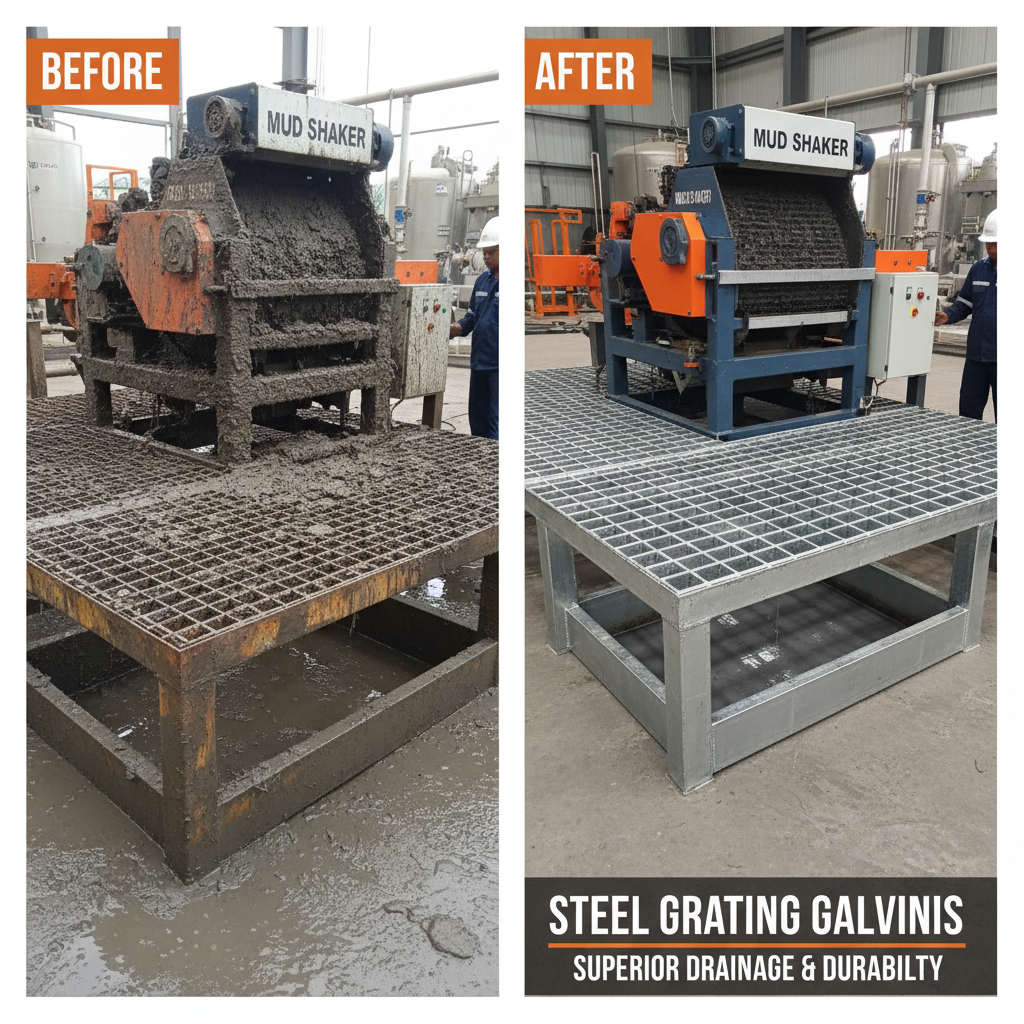
Secondly, the open grid design provides excellent drainage and ventilation. This is critical in environments where liquids or gases need to dissipate, such as in wastewater treatment plants or chemical processing facilities. Selecting the appropriate bearing bar spacing is vital for optimizing drainage and preventing the accumulation of debris.
Corrosion resistance is a key factor impacting the lifespan of steel grating. Galvanization, powder coating, and the use of stainless steel are common methods to protect against rust and degradation. Considering the environmental conditions where the grating will be installed is crucial when choosing the appropriate coating or material when you buy steel grating.
Applications Across Industries
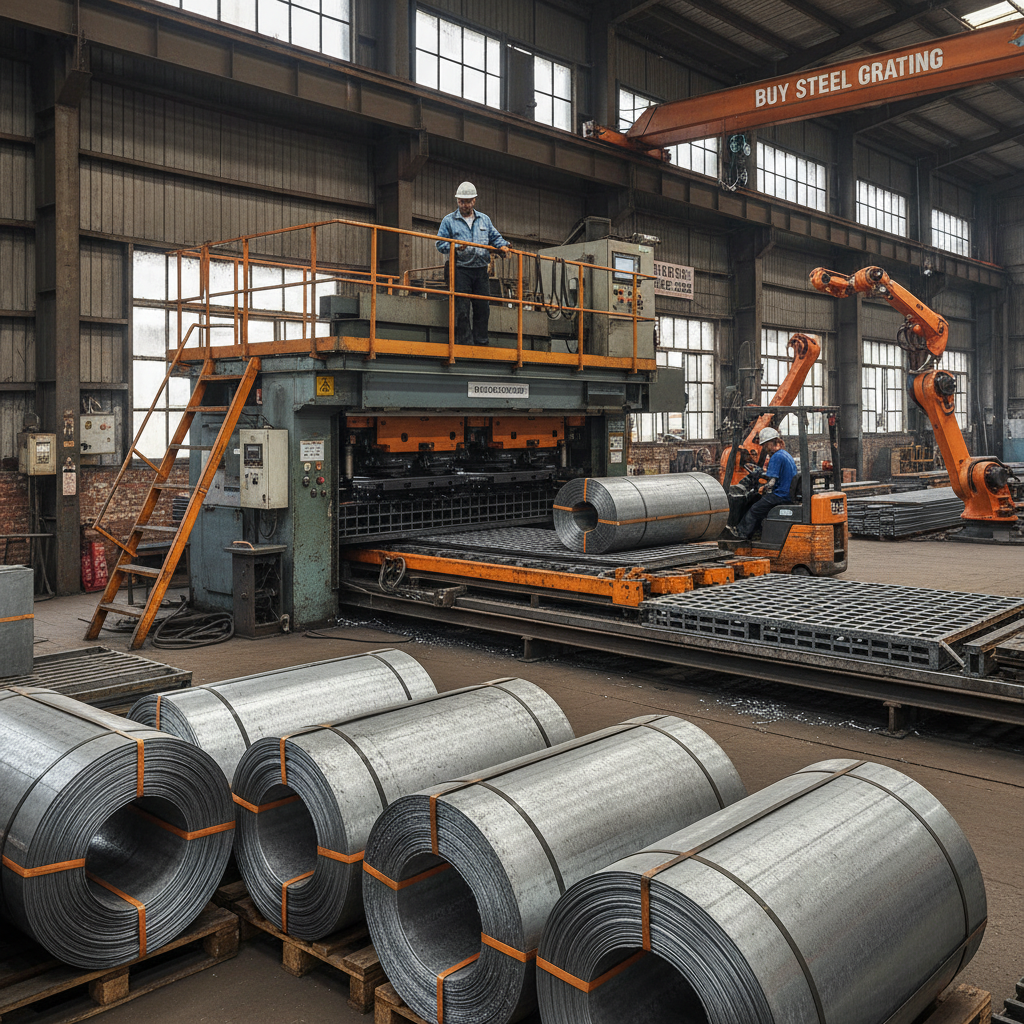
Steel grating finds extensive use in the industrial sector, serving as flooring, walkways, and platforms in factories, power plants, and refineries. Its robust nature and non-slip surface contribute significantly to worker safety in these demanding environments. It's also commonly used in offshore oil and gas platforms where corrosion resistance is paramount.
In the architectural realm, steel grating is increasingly popular for creating aesthetically pleasing and functional features like stair treads, bridge decking, and sunshades. Its modern look and durability make it a desirable choice for designers seeking both form and function. Numerous public spaces utilize steel grating for its security and visibility.
Steel Grating Application Breakdown
Advantages and Long-Term Value
The primary advantage of steel grating is its cost-effectiveness over its lifespan. While the initial cost may be higher than some alternative materials, the minimal maintenance requirements and exceptional durability translate into significant savings over time. This makes it a responsible investment for projects prioritizing long-term value.
From a sustainability perspective, steel is a highly recyclable material. At the end of its useful life, steel grating can be readily recycled, reducing its environmental impact. Choosing reputable suppliers committed to sustainable manufacturing practices when you buy steel grating further enhances this benefit.
Future Trends in Steel Grating
The integration of smart technologies is emerging as a notable trend. Researchers are developing steel grating with embedded sensors capable of monitoring load distribution, structural integrity, and even detecting potential corrosion. This data-driven approach enables proactive maintenance and prevents catastrophic failures.
Another area of innovation involves the development of lighter-weight, high-strength alloys for steel grating. These advancements are particularly important for applications where weight is a critical factor, such as in aerospace or transportation infrastructure.
Challenges & Mitigation Strategies
A common challenge is ensuring consistent quality control across different manufacturers. Variations in welding techniques or material composition can affect the grating’s structural integrity. Thoroughly vetting suppliers and requesting third-party certifications are essential steps in mitigating this risk.
Corrosion, despite protective coatings, remains a long-term concern, especially in harsh environments. Implementing regular inspection and maintenance programs, including re-coating or replacing damaged sections, can significantly extend the lifespan of the grating.
Finally, fluctuating steel prices can impact project budgets. Establishing long-term contracts with suppliers or exploring alternative materials (where appropriate) can help manage cost volatility.
Summary of Steel Grating Challenges and Mitigation Strategies
| Challenge |
Severity (1-10) |
Mitigation Strategy |
Implementation Cost (1-10) |
| Inconsistent Manufacturing Quality |
8 |
Supplier Audits & Certifications |
6 |
| Corrosion in Harsh Environments |
9 |
Regular Inspection & Re-coating |
5 |
| Steel Price Fluctuations |
7 |
Long-Term Contracts & Material Alternatives |
7 |
| Improper Installation |
6 |
Certified Installers & Detailed Instructions |
4 |
| Load Capacity Miscalculation |
7 |
Professional Engineering Review |
8 |
| Difficulty in Cutting & Fitting |
5 |
Pre-fabricated Sections & Experienced Fabricators |
5 |
FAQS
The lifespan of steel grating varies depending on the material, coating, and environmental conditions. Generally, properly maintained galvanized or stainless steel grating can last 25-50 years or even longer. Carbon steel, without adequate protection, may require replacement sooner, typically within 15-20 years. Regular inspection and maintenance are key to maximizing longevity.
Load-bearing capacity is crucial. You must determine the maximum anticipated load, including static loads (weight of equipment/people) and dynamic loads (impact, vibration). Consult with an engineer to calculate these loads accurately. Different grating designs and materials have varying capacities; selecting the appropriate type is essential for safety and structural integrity.
Yes, steel grating is commonly used outdoors. However, selecting the right material and coating is critical. Stainless steel or galvanized steel are highly recommended for outdoor use due to their corrosion resistance. Consider the exposure to saltwater, chemicals, or other harsh elements when making your selection.
Bearing bar spacing impacts several performance aspects. Closer spacing provides greater support and load-bearing capacity but reduces open area. Wider spacing increases drainage and ventilation but may reduce support. The optimal spacing depends on the application’s specific needs, balancing load requirements with drainage and ventilation needs.
Welded steel grating is created by welding the bearing bars and crossbars together, offering high strength and cost-effectiveness. Swaged steel grating involves pressing the bearing bars into the crossbars, creating a tighter connection and potentially higher strength in some applications, but usually at a slightly higher cost.
Regular cleaning is essential. Remove debris, dirt, and corrosive substances promptly. For galvanized steel, avoid abrasive cleaners. Periodically inspect for signs of corrosion and re-coat as needed. For stainless steel, mild detergent and water are usually sufficient.
Conclusion
Steel grating remains a vital material in countless industries, offering a compelling combination of strength, durability, and cost-effectiveness. Its versatility allows for a broad range of applications, from enhancing safety in industrial settings to contributing to architectural aesthetics. Understanding the key characteristics, proper selection criteria, and long-term maintenance requirements is essential for maximizing its value and ensuring a lasting return on investment.
Looking ahead, innovations in materials science and smart technologies promise to further enhance the performance and functionality of steel grating. By embracing these advancements and prioritizing sustainable practices, we can ensure that this foundational material continues to play a crucial role in building resilient and efficient infrastructure for future generations. To learn more about the best options to buy steel grating, visit our website today.