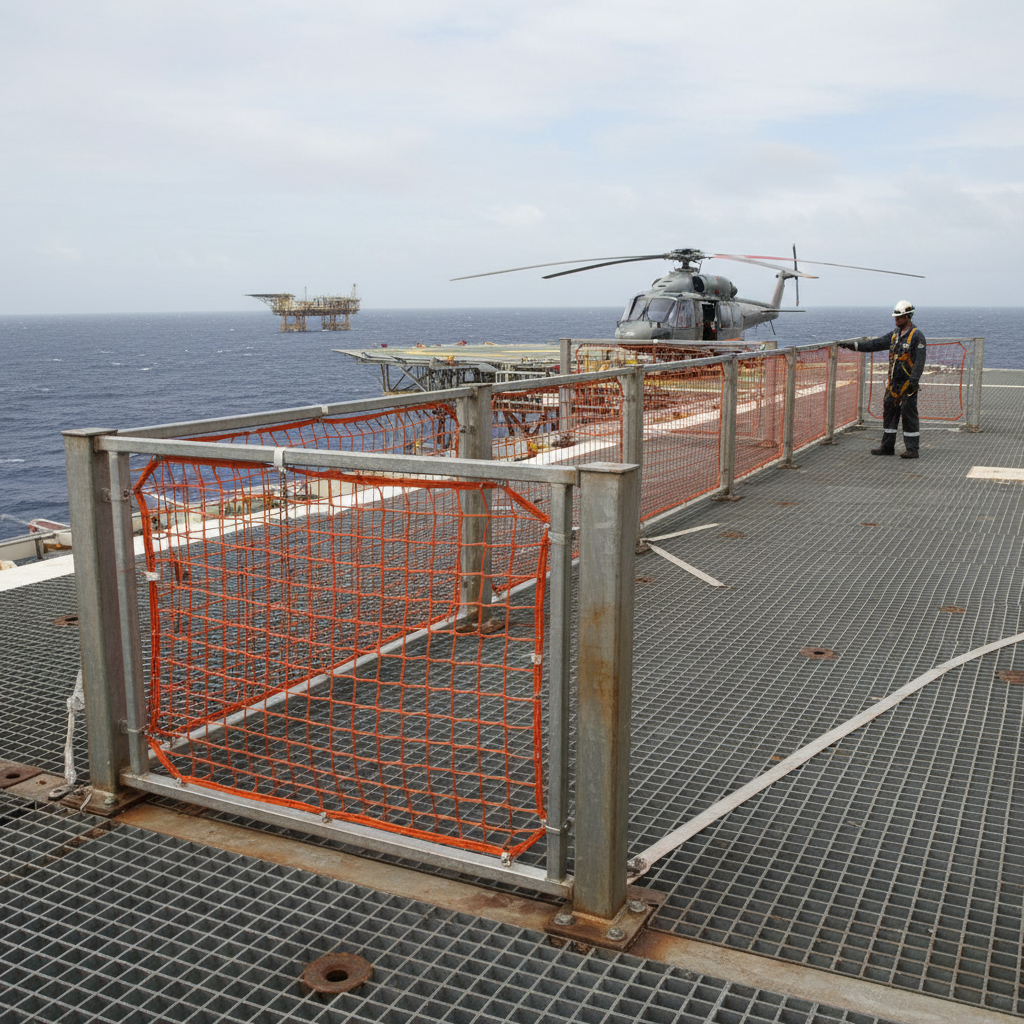
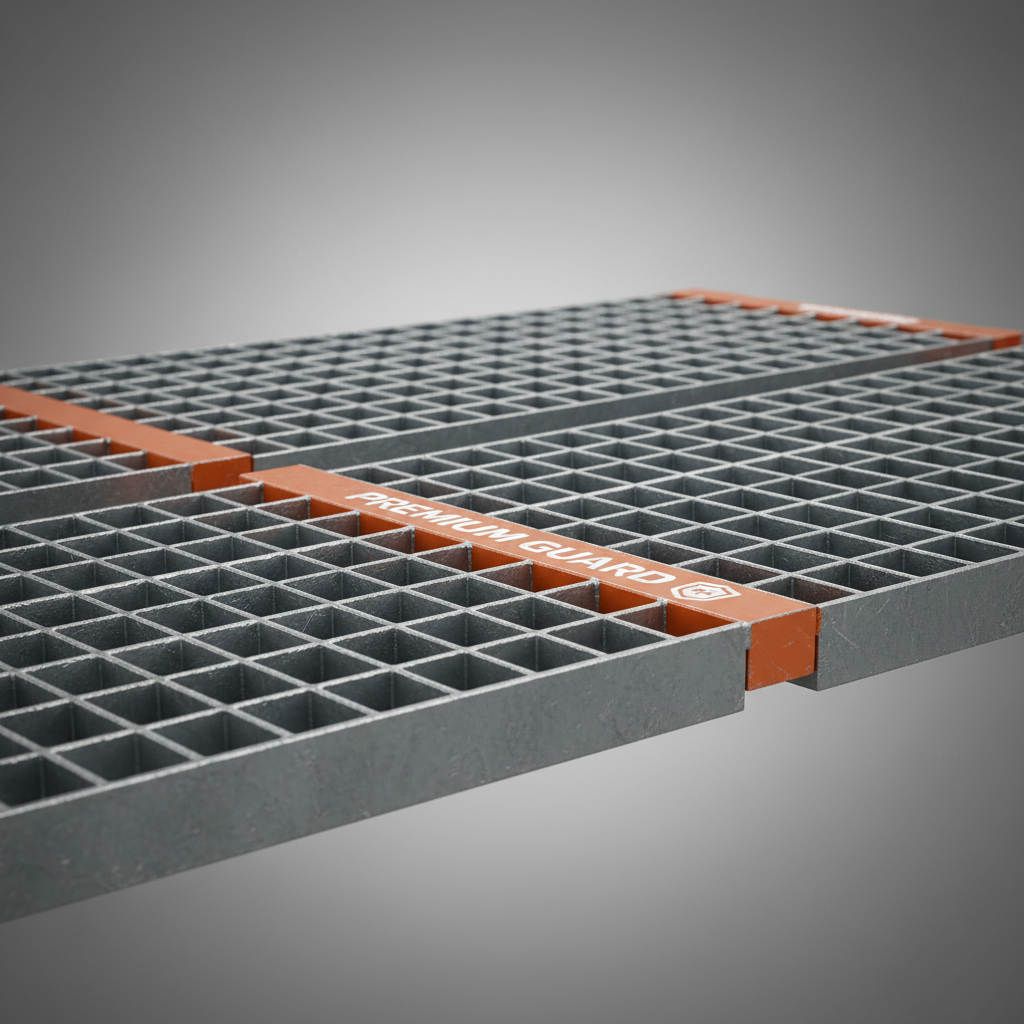
Helideck perimeter safety nets are critical components in ensuring safe helicopter operations, particularly in offshore environments and remote locations. These nets act as a vital secondary containment system, preventing tools, equipment, and personnel from falling overboard, minimizing the risk of serious injury or fatality. The importance of robust helideck safety measures has grown exponentially with the increase in offshore energy exploration and the reliance on helicopter transport for personnel and supplies.
Globally, the demand for effective helideck safety solutions is driven by stringent regulatory requirements set by organizations like the International Civil Aviation Organization (ICAO) and national aviation authorities. Failure to comply with these regulations can result in hefty fines, operational shutdowns, and most importantly, puts lives at risk. The financial implications of a single incident involving dropped objects or personnel loss are substantial, further highlighting the economic benefits of investing in reliable helideck perimeter safety nets.
Understanding the principles behind helideck perimeter safety nets, their correct installation, and regular inspection is paramount for all stakeholders involved in helicopter operations – from platform operators and maintenance crews to helicopter pilots and passengers. Effective implementation contributes directly to a safer working environment and a reduction in operational hazards.
Introduction to Helideck Perimeter Safety Nets
Helideck perimeter safety nets represent a crucial layer of protection in a complex system designed to mitigate risks associated with helicopter operations. Their primary function is to prevent objects and personnel from falling overboard, significantly reducing the potential for accidents and ensuring a safer working environment. These nets are not simply a regulatory requirement; they are a demonstrable commitment to the well-being of personnel.
The design and installation of these nets must adhere to stringent industry standards and are subject to regular inspection and maintenance to guarantee their continued effectiveness. Factors such as net material, mesh size, attachment points, and overall structural integrity are all critical considerations. Understanding these elements is essential for operators seeking to maximize the benefits of their safety investment.
Defining Helideck Perimeter Safety Nets
Helideck perimeter safety nets are engineered netting systems specifically designed and installed around the perimeter of a helideck – the designated landing area for helicopters on offshore platforms, ships, and other structures. These nets act as a secondary barrier, catching dropped objects, preventing tools or equipment from being blown overboard by wind, and most importantly, safeguarding personnel from accidental falls.
The modern concept of helideck perimeter safety nets evolved from earlier, less effective containment methods. Originally, simple netting was used, but advancements in materials science and engineering have led to the development of high-strength, durable nets capable of withstanding harsh weather conditions and significant impact forces.
Their implementation is directly linked to modern industry's commitment to safety and operational efficiency. The nets are an integral part of a comprehensive helideck safety management system, encompassing procedures, training, and ongoing monitoring to ensure continuous protection.
Core Components of Effective Safety Nets
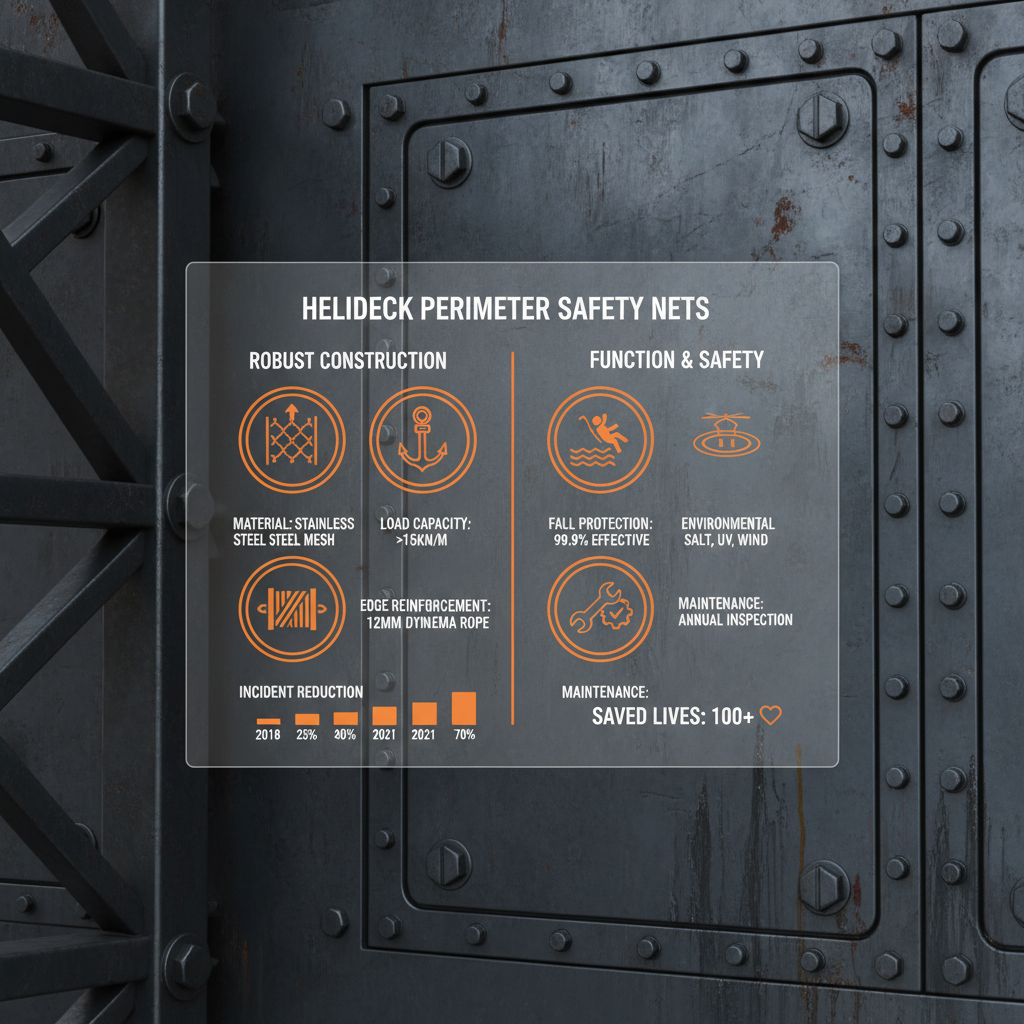
Several key factors contribute to the overall effectiveness of helideck perimeter safety nets. Durability is paramount, with nets constructed from high-tenacity materials like nylon or polyester, engineered to resist abrasion, UV degradation, and the corrosive effects of saltwater. These materials must also maintain their strength and flexibility across a wide temperature range.
Mesh Size is another critical consideration. The net’s mesh openings must be small enough to prevent objects from passing through but large enough to minimize wind loading and allow for adequate drainage. Attachment Points are vitally important; they must be strategically located and securely fastened to the helideck structure to ensure the net can withstand significant forces without detaching.
Load Capacity defines the maximum weight the net can safely contain. This is typically specified in accordance with industry standards and is crucial for preventing net failure. Inspectability refers to the ease with which the net can be visually inspected for damage, wear, and tear. Regular inspections are essential for identifying and addressing potential hazards before they compromise the net’s integrity. Compliance with relevant regulations (ICAO, national aviation authorities) is non-negotiable and ensures the net meets established safety standards.
Each of these components works in concert to provide a robust safety barrier. Selecting a net system that prioritizes all these aspects is essential for maximizing protection and minimizing risks. The proper integration of these factors translates into a safer and more reliable operational environment.
Performance Indicators for Helideck Perimeter Safety Nets
Evaluating the performance of helideck perimeter safety nets requires a multifaceted approach, focusing on several key indicators. One important metric is Object Retention Rate, which measures the percentage of dropped objects successfully contained by the net. Regular testing and monitoring can help establish this rate.
Another critical indicator is the Frequency of Inspections and Maintenance, which reflects the commitment to proactive safety management. A well-documented inspection schedule and prompt repair of any damage are essential. Compliance with Regulatory Standards serves as a benchmark for adherence to industry best practices.
Further, the Net Lifespan and Replacement Schedule, based on material degradation and usage, are important indicators. Establishing a clear replacement policy prevents the use of compromised netting.
Helideck Perimeter Safety Nets Performance Metrics
Global Applications and Industry Use Cases
Helideck perimeter safety nets find widespread application across numerous industries where helicopter operations are integral to logistical support and personnel transport. Offshore oil and gas platforms are primary users, given the remote locations and reliance on helicopter access for workers and supplies. These nets are mandated by regulatory bodies to mitigate the high risk environment.
The maritime industry, particularly vessels involved in offshore support, supply chain logistics, and search and rescue operations, also extensively utilizes these nets. Similarly, remote mining operations, especially those located in challenging terrain, benefit significantly from the enhanced safety provided by these systems.
In post-disaster relief operations, where helicopters are often the only viable means of access to affected areas, quickly deployable helideck perimeter safety nets are invaluable for establishing safe landing zones and facilitating the delivery of critical aid.
Advantages and Long-Term Value Proposition
The advantages of investing in high-quality helideck perimeter safety nets extend far beyond mere regulatory compliance. The most significant benefit is, undoubtedly, enhanced safety for personnel and a reduction in the risk of serious accidents. This translates into a more positive safety culture and improved employee morale.
From a financial perspective, the cost of installing and maintaining these nets is significantly lower than the potential costs associated with an accident – including medical expenses, legal liabilities, and operational downtime. Furthermore, a robust safety record can enhance a company’s reputation and attract investors.
Future Trends and Innovations in Helideck Safety
The field of helideck safety is continuously evolving, driven by advancements in materials science, sensor technology, and automation. We are seeing the emergence of “smart” safety nets equipped with integrated sensors that can detect objects falling towards the perimeter and provide real-time alerts.
Research is also focused on developing lighter and stronger net materials, such as those incorporating carbon fiber or advanced polymers, to improve performance and reduce overall weight. Digitalization also plays a role, with cloud-based systems for managing inspection data and tracking net integrity gaining traction. These innovations promise to further enhance the safety and efficiency of helideck operations.
Challenges and Solutions
Despite the advancements in helideck perimeter safety nets, several challenges remain. One common issue is ensuring proper installation and adherence to manufacturer’s specifications. Improper installation can significantly compromise the net’s effectiveness. Another challenge is maintaining consistent inspection schedules and accurately documenting any damage or wear.
To address these issues, comprehensive training programs for installation and maintenance personnel are essential. The implementation of digital inspection tools, coupled with cloud-based data management systems, can streamline the inspection process and improve data accuracy. Utilizing helideck perimeter safety nets from trusted suppliers with robust quality control procedures is also crucial.
Furthermore, fostering a proactive safety culture within organizations – where safety is prioritized at all levels – is paramount for sustained improvement and minimizing risks.
Summary of Helideck Perimeter Safety Net Challenges & Solutions
| Challenge |
Impact Severity (1-10) |
Proposed Solution |
Implementation Cost (USD) |
| Improper Installation |
9 |
Certified Installer Program |
$5,000 |
| Inconsistent Inspections |
8 |
Digital Inspection Checklist & Scheduling |
$2,000 |
| Material Degradation |
7 |
Regular Material Testing |
$1,000/year |
| Lack of Training |
6 |
Comprehensive Training Modules |
$3,000 |
| Poor Documentation |
5 |
Cloud-Based Data Management System |
$4,000/year |
| Inadequate Safety Culture |
10 |
Leadership-Driven Safety Initiatives |
$1,500/year |
FAQS
The primary regulations governing helideck perimeter safety nets are set by the International Civil Aviation Organization (ICAO) through its Annex 14, Volume II. National aviation authorities, such as the FAA in the US and the CAA in the UK, then adapt and enforce these standards within their jurisdictions. Compliance involves adhering to specific requirements regarding net material strength, mesh size, attachment methods, and inspection frequencies. Failure to meet these regulations can result in significant penalties and operational restrictions.
Helideck perimeter safety nets should undergo regular inspections based on usage and environmental conditions. A minimum inspection frequency of once every six months is generally recommended, but more frequent inspections are necessary in harsh environments or with high helicopter traffic. Inspections should cover the entire net structure, including attachment points, for any signs of wear, damage, or corrosion. A detailed inspection log must be maintained to document all findings and corrective actions.
Helideck perimeter safety nets are commonly constructed from high-tenacity materials like nylon or polyester, chosen for their strength, durability, and resistance to UV degradation. Polypropylene is another option, offering good buoyancy and water resistance. High-performance polymers and even carbon fiber reinforced materials are emerging as promising alternatives for specialized applications requiring exceptional strength-to-weight ratios. The selection depends on specific operational requirements and environmental factors.
The lifespan of a helideck perimeter safety net varies depending on environmental conditions, usage frequency, and material quality. Typically, a well-maintained net can last between 5 to 10 years. However, it's crucial to adhere to the manufacturer's recommendations and conduct regular inspections to identify any signs of degradation. A proactive replacement schedule is vital to ensure continued safety and compliance.
Minor damage to a helideck perimeter safety net, such as small tears or broken attachment points, can often be repaired by qualified personnel using appropriate materials and techniques. However, extensive damage or compromise to the net’s structural integrity necessitates complete replacement. Repairs must be documented and verified to ensure the net continues to meet safety standards.
The cost of installing helideck perimeter safety nets varies significantly depending on the helideck size, location, and net specifications. Installation costs can range from $5,000 to $20,000 or more. Ongoing maintenance, including inspections, repairs, and eventual replacement, requires an annual budget allocation. However, these costs are considerably lower than the potential financial and human costs associated with an accident.
Conclusion
Helideck perimeter safety nets are an indispensable component of a comprehensive helideck safety management system. Their ability to mitigate risks, protect personnel, and ensure compliance with stringent regulations makes them a vital investment for any organization involved in helicopter operations. By prioritizing the selection, installation, and maintenance of these nets, operators demonstrate a commitment to safety and operational excellence.
Looking ahead, the integration of smart technologies and advancements in materials science will further enhance the effectiveness of these safety systems. Continuous monitoring, proactive maintenance, and a strong safety culture are key to maximizing the long-term benefits of helideck perimeter safety nets. For reliable solutions and expert guidance, visit our website: www.hfpetromesh.com