Bar grating prices – they’re the heartbeat of any construction project, and frankly, a topic I spend more time on than I’d like to admit. As someone who lives on sites, not in boardrooms, I can tell you, it's not just about the initial cost. It's about longevity, safety, and keeping the job moving. We're talking about the grid you walk on, the platforms you build on, the security around machinery. It's crucial stuff, and getting the pricing right impacts everything from the budget to worker wellbeing.
What I’ve seen over the years is a constant push and pull between getting the cheapest price and getting something that won’t fall apart after a year. The market’s volatile, raw material costs fluctuate wildly, and you've got different manufacturers offering everything from standard steel to specialized alloys. Knowing what drives those bar grating prices, and understanding how to navigate the options, is what separates a smooth project from a costly headache.
And it's not just about direct costs. Think about installation, maintenance, and replacement. A cheaper option upfront can quickly become a money pit if you're constantly repairing or replacing sections. I’ve seen projects stall because they skimped on grating, and the delays cost far more than the initial savings. So, let’s break down what actually influences bar grating prices and how to make smart decisions.
Look, I don’t deal in theoreticals. I need to know what something is going to cost me, installed and working, over its lifespan. Bar grating prices aren’t just a number on a quote; they’re a reflection of material quality, fabrication precision, and the manufacturer's overhead. I've learned to look beyond the initial bid and ask tough questions. What’s the lead time? What’s the warranty? What’s their reputation for handling issues when things inevitably go sideways?
Frankly, a lot of guys just go for the lowest price. That's a recipe for disaster. You get what you pay for, and in this case, "what you pay for" is the safety of your crew and the structural integrity of your project. I've seen too many projects delayed by shoddy grating that didn’t meet specs or failed under load. A little extra upfront investment can save a world of trouble down the line.
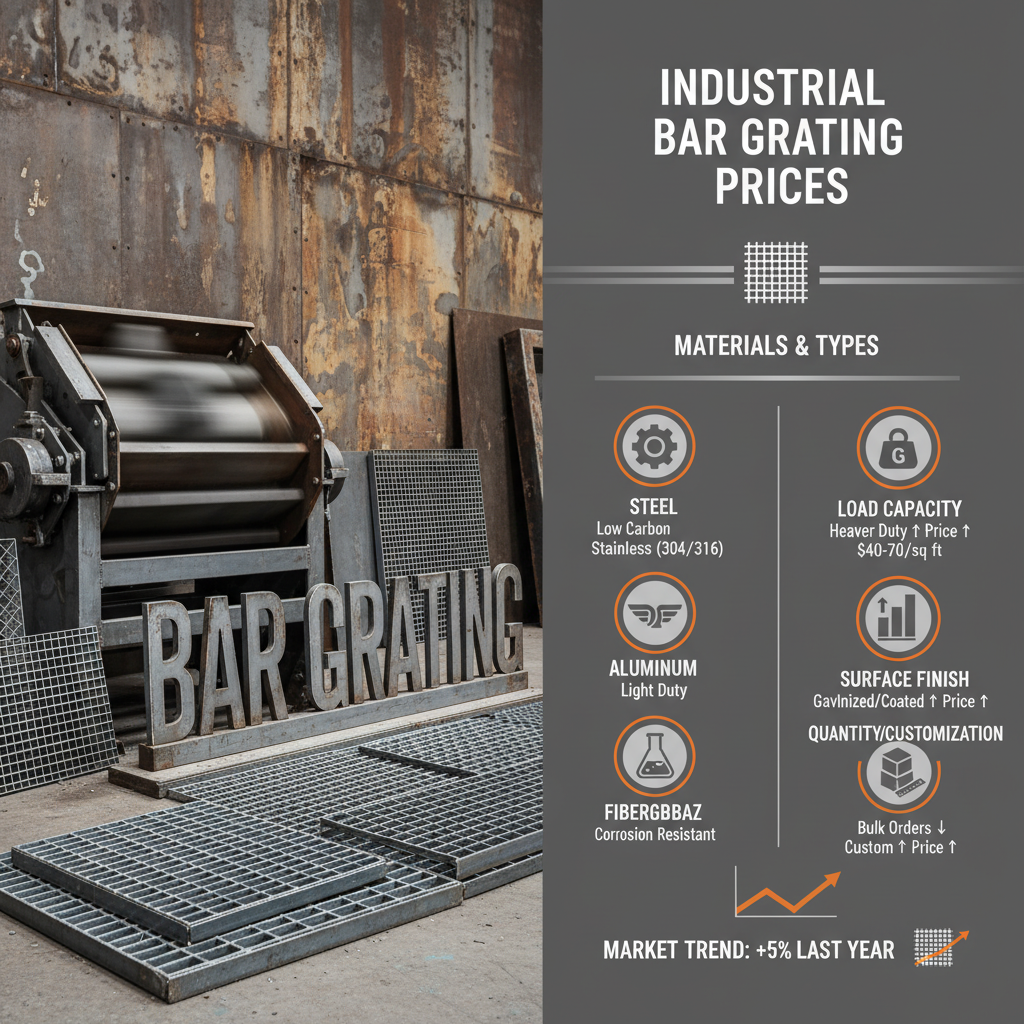
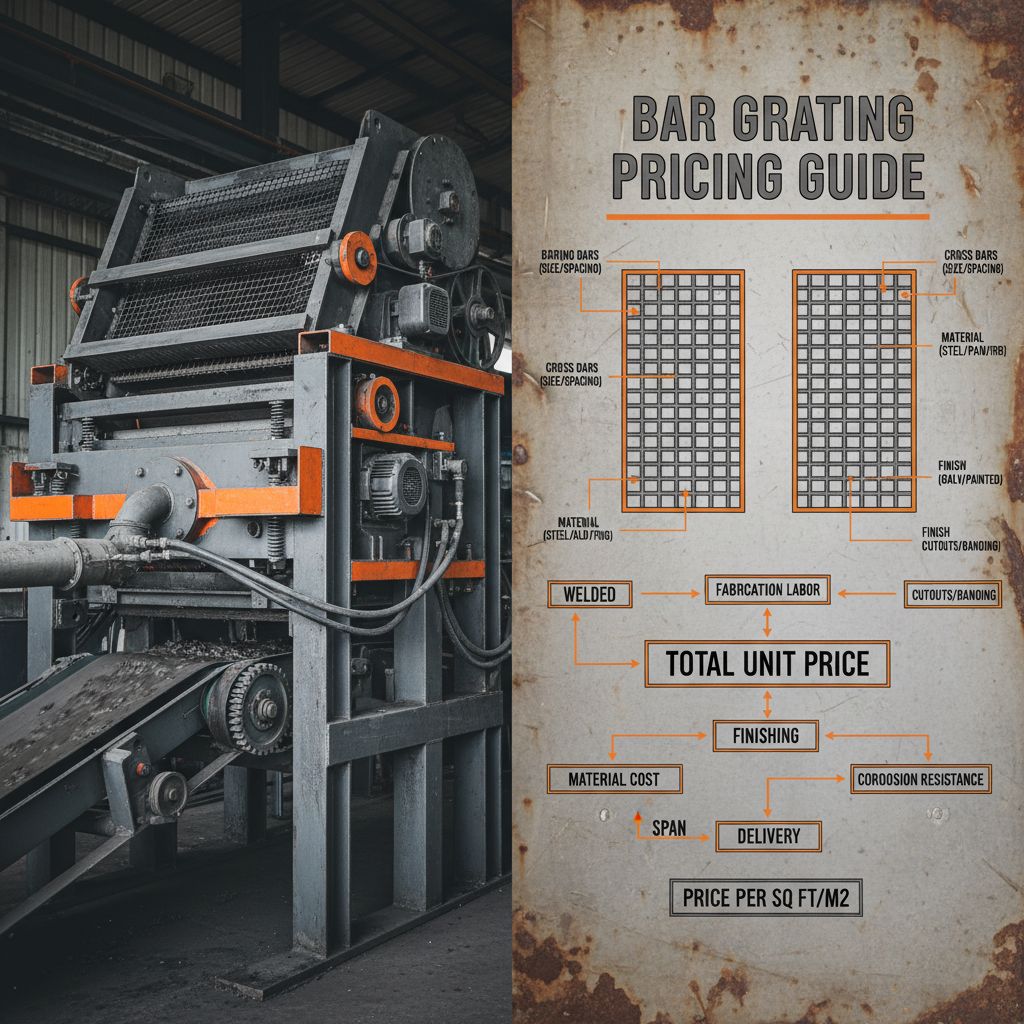
The biggest driver of bar grating prices is, unsurprisingly, the steel itself. Global steel markets are crazy volatile. Tariffs, demand in China, disruptions in supply chains – all of it trickles down to what we pay. But it’s not just steel prices. Fabrication complexity is huge. Simple, standard grating is going to be cheaper than custom designs with intricate cuts or specialized finishes.
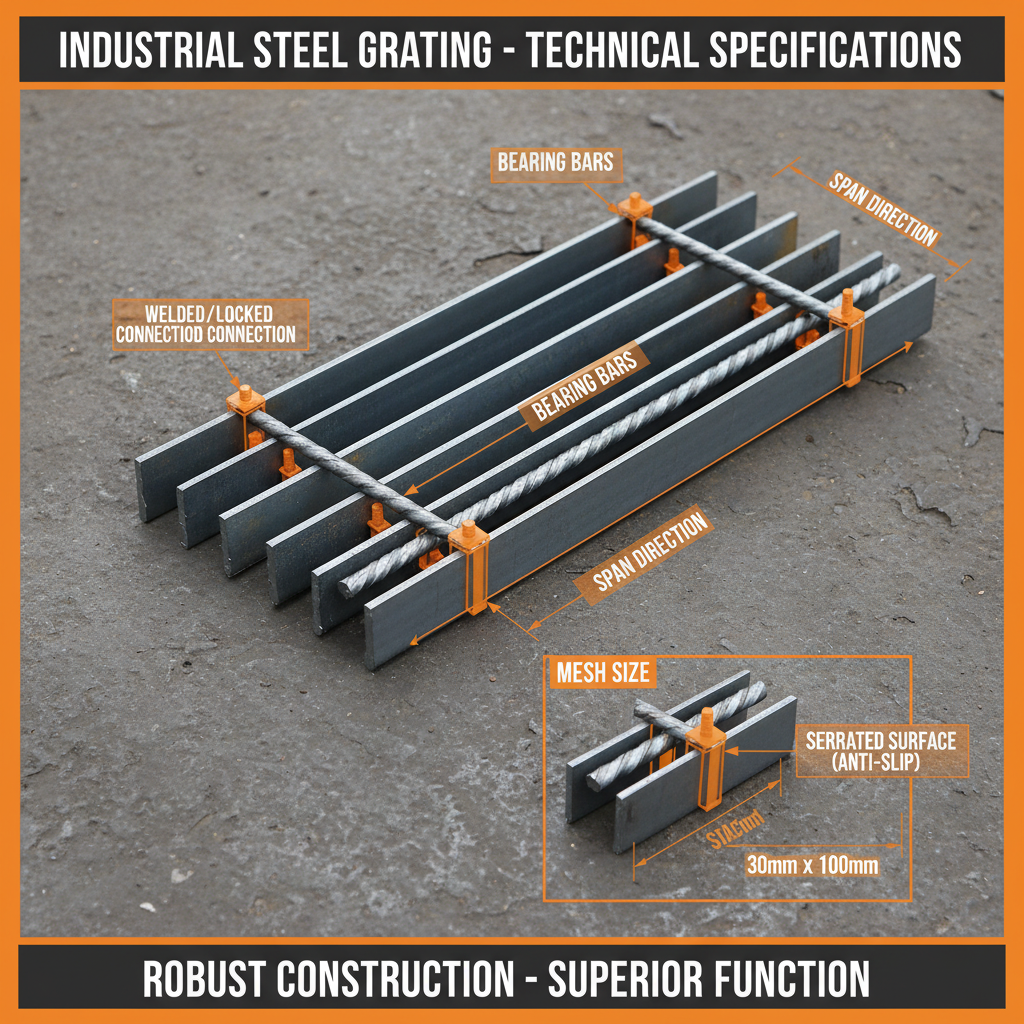
Then there’s the bearing bar size and spacing, and the thickness of the cross bars. Heavier-duty grating, designed for higher loads, obviously costs more. And don't forget the finish! Plain mill finish is cheapest, but if you need hot-dip galvanization for corrosion resistance – and you almost always do, especially in coastal environments – that adds to the cost.
Finally, the manufacturer matters. Large, established companies with streamlined production and bulk purchasing power will generally offer better prices than smaller fabricators. But, sometimes a smaller shop can be more flexible and responsive to your specific needs, which can be worth a slight premium.
You’ve got your standard carbon steel, which is the workhorse of the industry and the most affordable option. But depending on the environment, carbon steel can rust like crazy. That’s where stainless steel comes in. It’s significantly more expensive upfront, but its corrosion resistance can make it a smart choice in harsh conditions, like chemical plants or offshore platforms.
Aluminum grating is another option, especially when weight is a concern. It's lighter than steel, non-magnetic, and corrosion-resistant, but it’s typically pricier than carbon steel and not as strong. Then you have fiberglass reinforced plastic (FRP) grating. It’s extremely corrosion-resistant, non-conductive, and lightweight, making it ideal for specialized applications, but it’s the most expensive material by far. Choosing the right material is critical.
I always advise clients to consider the total life-cycle cost. Sometimes a more expensive material upfront will actually save money in the long run by reducing maintenance and replacement costs. It's about looking at the big picture, not just the initial bar grating prices tag.
Getting accurate pricing requires a bit of work. Simply asking for a "quote on bar grating" isn’t going to cut it. You need to be specific about your requirements. What are the dimensions? What’s the load-bearing capacity? What’s the environment? The more detail you provide, the more accurate the quote will be.
I recommend getting quotes from at least three different manufacturers. Don't just look at the bottom line. Compare the specifications, the lead times, and the warranty terms. And always ask for a breakdown of the costs. What’s the price of the material? What’s the fabrication cost? What’s the shipping cost? Knowing where the money is going can help you negotiate a better deal.
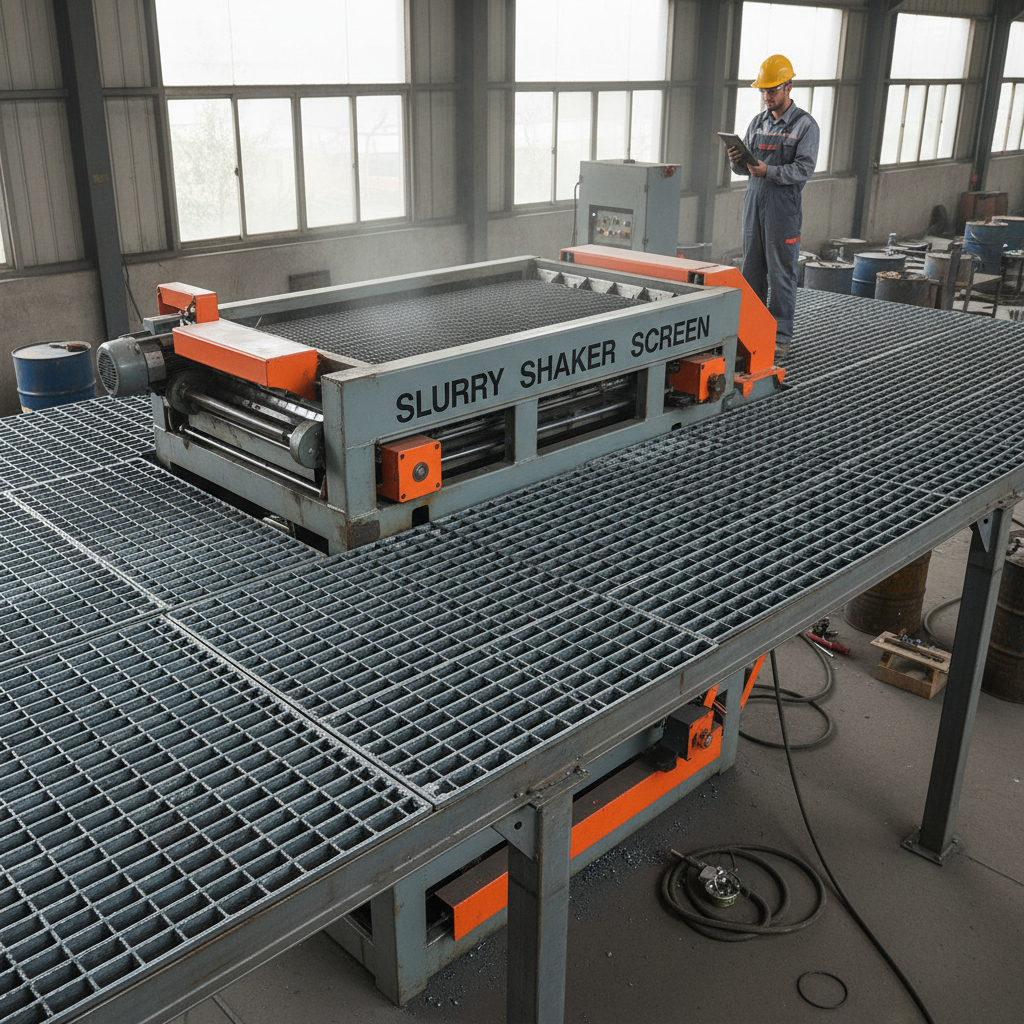
Bar grating is everywhere. Walk around any industrial facility, power plant, or wastewater treatment facility, and you’ll see it. It’s used for walkways, platforms, stair treads, drainage covers, and even security fencing. In remote industrial zones, especially in oil and gas, getting the right bar grating prices delivered on time is critical to keep operations running smoothly.
It’s also heavily used in infrastructure projects – bridges, airports, and transportation hubs. The demand is consistent across the board, and different regions have different requirements. Coastal areas need corrosion-resistant grating, while areas with heavy foot traffic need extra-durable grating. We’ve even seen increased use in architectural applications, where grating is used for aesthetic purposes, like building facades and shading structures.
I keep coming back to this point: cheap isn’t always best. A higher-quality grating will last longer, require less maintenance, and be safer for workers. Consider the cost of replacing a section of grating that rusts out after a year versus the cost of installing a more durable grating upfront. The savings can be significant.
Also, think about the hidden costs of downtime. If a grating section fails and you have to shut down a production line for repairs, that can cost you thousands of dollars per hour. Investing in a reliable grating system is an investment in your project’s efficiency and profitability.
Ultimately, it's about building trust and reliability. Knowing your grating won't fail, and that you’ve chosen a system that's designed to last, provides peace of mind and contributes to a safer and more productive work environment.
We’re starting to see some exciting innovations in the bar grating space. Manufacturers are developing new alloys with improved corrosion resistance and higher strength-to-weight ratios. There’s also a growing interest in using recycled materials to produce more sustainable grating.
Digitalization is also playing a role. Some companies are using 3D modeling and BIM (Building Information Modeling) to design and fabricate grating more efficiently. This allows for greater customization and reduces the risk of errors. And of course, the ongoing push for automation in manufacturing will continue to drive down bar grating prices.
I think we’ll also see more focus on smart grating – grating equipped with sensors that can monitor load, vibration, and corrosion. This data can be used to predict maintenance needs and prevent failures, further reducing the total cost of ownership.
| Application Environment | Material Selection | Load Requirements | Life Cycle Cost |
|---|---|---|---|
| Coastal/Marine | Stainless Steel (304/316) or FRP | Medium to High | $25-35/sq ft |
| Chemical Plant | FRP or Stainless Steel | High | $30-45/sq ft |
| Wastewater Treatment | Hot-Dip Galvanized Steel or FRP | Medium | $18-28/sq ft |
| Walkways/Platforms | Carbon Steel (Galvanized) | Low to Medium | $12-20/sq ft |
| Light Duty Drainage | Carbon Steel (Galvanized) | Low | $8-15/sq ft |
| High Traffic Areas | Carbon Steel (High Strength) | High | $20-30/sq ft |
The biggest drivers are raw steel costs, the material grade (carbon steel, stainless steel, aluminum, FRP), fabrication complexity, and the required finish (e.g., hot-dip galvanization). Location and shipping also add to the overall cost. Demand and supply fluctuations in the steel market play a major role.
Get quotes from at least three reputable manufacturers, providing them with detailed specifications. Consider standard sizes and designs to avoid custom fabrication costs. Negotiate shipping costs and payment terms. Also, consider the long-term cost of ownership – a higher upfront investment in quality grating can save you money on maintenance and replacements later.
Welded grating is the most common and often the most affordable, offering good strength. Swage-locked grating is known for its aesthetic appeal and positive locking of crossbars, improving load capacity. Press-locked grating provides a smooth surface and is often preferred for architectural applications. Each method impacts bar grating prices differently.
Lead times vary depending on the manufacturer, complexity of the design, and current demand. Typically, you can expect a lead time of 4-8 weeks for custom orders. It's crucial to factor this into your project schedule. Always confirm the lead time with the manufacturer before placing your order.
FRP grating is incredibly corrosion-resistant, non-conductive, lightweight, and requires minimal maintenance. It's ideal for corrosive environments and applications where electrical safety is a concern. However, it's generally more expensive than steel grating and has a lower load capacity.
Look for manufacturers with certifications like ISO 9001 (quality management), and relevant industry standards certifications. Also, ensure the grating meets applicable safety standards and load-bearing requirements for your specific application. Verify material test reports (MTRs) are available upon request.
Ultimately, understanding bar grating prices isn’t just about finding the cheapest deal. It’s about balancing cost with quality, durability, and safety. As someone who works with this stuff every day, I can tell you that a little extra investment upfront can save you a lot of headaches – and money – down the road. Consider the environment, the load requirements, and the total life-cycle cost when making your decision.
The market is evolving, with new materials and fabrication techniques constantly emerging. Staying informed about these trends and working with reputable manufacturers is crucial. Don’t hesitate to ask questions, negotiate, and demand transparency. For reliable bar grating solutions and competitive bar grating prices, visit our website today.