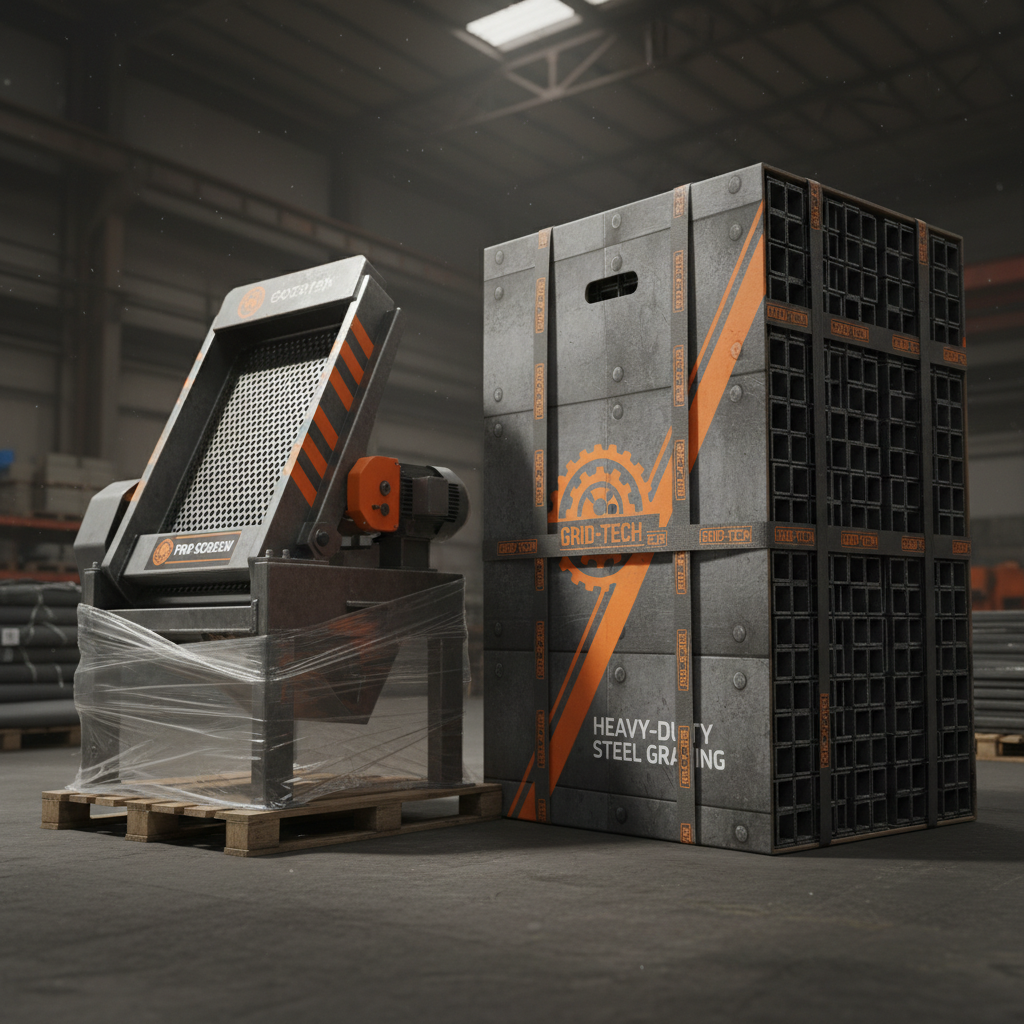
Let’s talk grating price. It’s more than just a number on a quote sheet, folks. It's the bedrock of safe, efficient access in everything from oil rigs and wastewater treatment plants to commercial construction and even pedestrian walkways. I've spent years walking steel, seeing firsthand how the right grating, priced right, can save time, reduce accidents, and keep projects on schedule. A cheap price often means compromised materials, poor welds, and ultimately, a headache down the line – a headache you and your team will be dealing with. We're not just selling steel; we’re selling peace of mind.
Now, the global demand for reliable industrial infrastructure is only going up. Developing nations are building out their manufacturing capabilities, and even established economies are constantly upgrading. This drives up the need for quality grating, and with supply chain fluctuations and raw material costs, understanding grating price is more crucial than ever. I’ve seen projects stalled because of unexpected price hikes on critical components, and the delays can be crippling. It's about being proactive, getting quotes early, and understanding what you're paying for.
At the end of the day, grating price isn't about finding the absolute cheapest option. It’s about finding the best value. And that means balancing upfront cost with long-term durability, maintenance requirements, and, most importantly, safety. We’re talking about the stuff people walk and work on, sometimes hundreds of feet in the air. Cutting corners here isn't just bad business, it's irresponsible. You can find a great grating price here.
The Importance of Understanding Grating Price
I’ve been on sites where the engineering team didn’t fully grasp the breakdown of grating price. They focused on the initial bid, not the long-term cost of ownership. The result? They ended up replacing grating way sooner than expected, costing them a fortune in labor and downtime. Understanding the factors that influence grating price – material grade, manufacturing process, coatings, and even shipping – is paramount. It's not just about finding the lowest number; it's about informed decision-making.
We’ve seen, especially recently, how volatile steel prices can be. That directly impacts grating price. But it’s not just steel. The cost of specialized welding, the type of coating used (important for corrosion resistance), and the complexity of the design all play a role. A simple square grating panel will always be cheaper than a custom-designed, load-bearing section with intricate cutouts. Knowing this allows you to optimize your designs and get the best value.
Global Grating Price Trends and Influences
Globally, grating price is tied directly to the health of the construction and industrial sectors. When those sectors are booming – like we’re seeing in parts of Asia and the Middle East – demand surges, and prices tend to climb. But it’s also heavily influenced by geopolitical factors. Tariffs, trade wars, and even political instability in steel-producing regions can cause significant fluctuations. I remember one project in South America where a sudden tariff on imported steel completely upended our budget.
The ISO standards for steel quality also have a big impact. Grating manufactured to higher ISO standards, using premium steel, will naturally command a higher price. But that increased cost translates to greater durability and a longer lifespan, reducing the total cost of ownership. I’ve seen too many projects skimp on quality, only to be backfilling and replacing grating within a few years. It's a false economy.
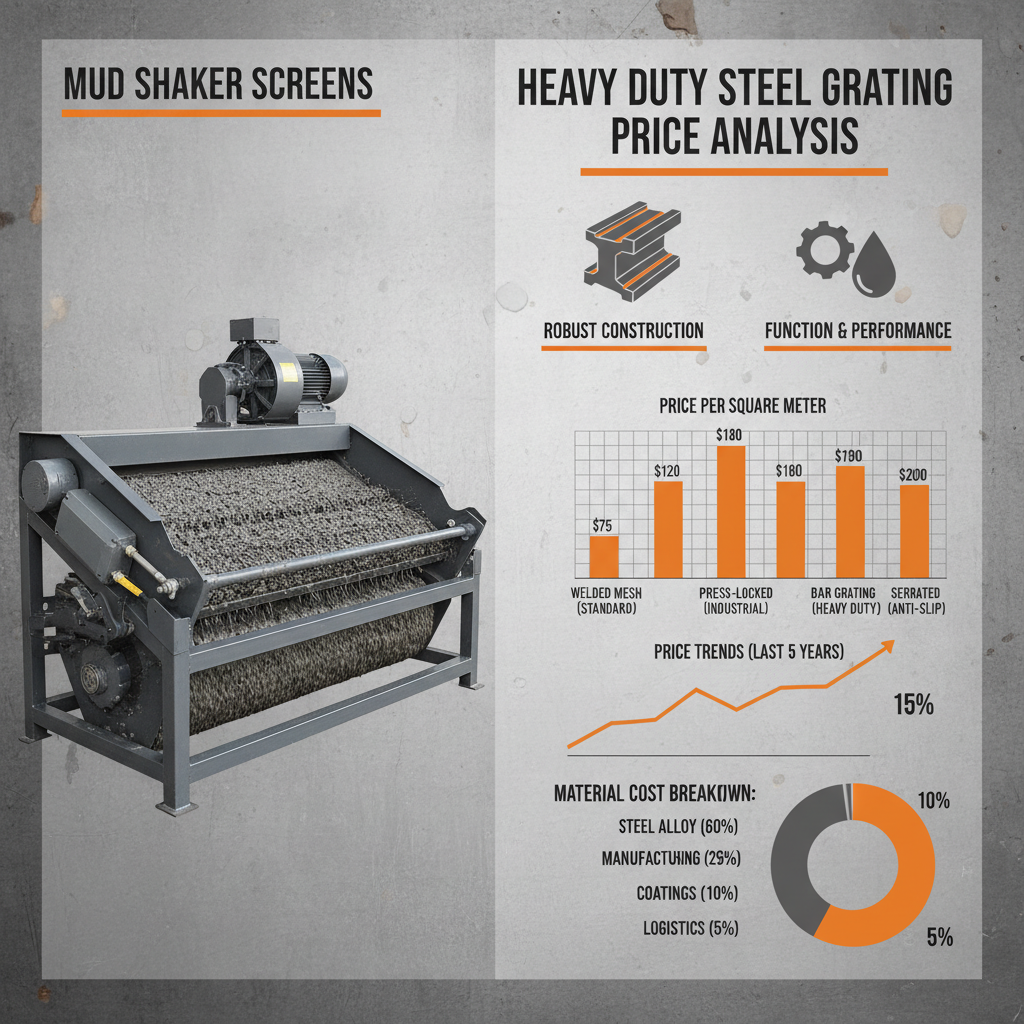
Looking at the data from the World Bank, the overall trend for industrial metal prices is upward, driven by increased demand and limited supply. That means understanding current market conditions and locking in prices early is more critical than ever. And it's not just about the steel itself; transportation costs, especially with the recent disruptions to global shipping, are a major factor in grating price.
Defining Grating Price: What's Included?
When you get a quote for grating, it’s vital to understand exactly what’s included in that price. Is it just the raw material cost, or does it encompass fabrication, welding, coatings, and shipping? I’ve seen quotes that seemed incredibly low, only to be loaded with hidden fees for cutting, finishing, and delivery. Always ask for a detailed breakdown.
The type of coating is a huge factor. Galvanizing is a standard, cost-effective option, but for harsh environments – like offshore platforms or chemical processing plants – you may need specialized coatings like epoxy or powder coating. These coatings add to the initial grating price, but they provide superior corrosion protection, extending the lifespan of the grating significantly.
Don't forget to factor in the cost of fasteners. Grating isn't just laid down and left; it needs to be securely fastened to the supporting structure. The type of fasteners required – bolts, clips, or welding – will impact the overall project cost. A good supplier will help you determine the appropriate fasteners for your specific application.
Core Components Impacting Grating Price
Let's break down the key components driving the grating price. First, there's the material grade. Carbon steel is the most common and affordable option, but stainless steel offers superior corrosion resistance, albeit at a higher price point. Then there’s the manufacturing process: welded grating is generally cheaper than swaged grating, but swaged grating offers better load-bearing capacity.
The bearing bar spacing and thickness are also crucial. Wider spacing reduces material costs but may compromise safety for certain applications. Thicker bearing bars offer greater strength but increase the overall weight and price. It’s all about finding the right balance for your specific needs.
Grating Price Breakdown by Component
Global Applications of Grating and Price Considerations
You’ll find grating everywhere, from offshore oil platforms where corrosion resistance is paramount, driving up the grating price due to specialized materials and coatings, to wastewater treatment plants where durability and chemical resistance are key. The demands of each application drastically influence the selection of materials and, subsequently, the price.
In remote industrial zones, shipping costs can add a significant premium to the grating price. You need a supplier who can manage logistics efficiently and offer competitive shipping rates. Similarly, in post-disaster relief operations, rapid deployment is critical, and while speed is paramount, you still need to ensure the grating meets safety standards and is priced appropriately for the scale of the project.
Long-Term Value and Advantages of Optimized Grating Price
Investing in quality grating, even if it means paying a slightly higher upfront price, pays dividends in the long run. Reduced maintenance, fewer replacements, and increased safety are all tangible benefits. I’ve seen projects where a small upfront investment in better grating saved them tens of thousands of dollars in repair costs over the lifetime of the facility.
It’s not just about the financial savings. Using high-quality grating demonstrates a commitment to safety and worker well-being, which builds trust with your team and clients. It’s an investment in your reputation. A well-maintained, safe work environment boosts morale and improves productivity.
Future Trends and Innovations Affecting Grating Price
We're seeing a growing demand for sustainable grating solutions. Recycled materials and eco-friendly coatings are becoming more prevalent, and while they may initially come with a higher price tag, they can reduce your environmental footprint and contribute to LEED certification. That's becoming increasingly important for many projects.
Automation in the manufacturing process is also starting to impact grating price. Automated welding and cutting systems can reduce labor costs and improve efficiency, potentially leading to lower prices for consumers. And we’re starting to see the integration of digital twins – virtual models of grating structures – to optimize designs and predict maintenance needs.
The rise of Building Information Modeling (BIM) is also influencing grating price. BIM allows for accurate material takeoffs and reduces the risk of errors, leading to more efficient procurement and lower overall project costs. Suppliers who can integrate seamlessly with BIM workflows will have a competitive advantage.
Summary of Grating Price Considerations
| Material Grade |
Manufacturing Process |
Coating Type |
Logistics & Shipping |
| Carbon steel (low cost), Stainless Steel (high cost) |
Welded (cost-effective), Swaged (high strength) |
Galvanizing (standard), Epoxy/Powder Coating (corrosion resistance) |
Domestic vs. International, Distance to Site |
| Impact on initial price: 1-5 (1 being lowest) |
Impact on initial price: 2-4 |
Impact on initial price: 3-5 (depending on coating) |
Impact on initial price: 2-5 (depending on distance) |
| Long-term cost: Corrosion resistance, Maintenance |
Long-term cost: Load capacity, Durability |
Long-term cost: Corrosion protection, Lifespan |
Long-term cost: Timeliness, Damage risk |
| Risk factor: Corrosion vulnerability |
Risk factor: Structural failure |
Risk factor: Environmental impact |
Risk factor: Project delays |
| Sustainability: Recyclability of material |
Sustainability: Waste generation in manufacturing |
Sustainability: VOC emissions from coating |
Sustainability: Carbon footprint of transport |
| Availability: Lead times, Market fluctuations |
Availability: Capacity of manufacturers |
Availability: Regulatory compliance |
Availability: Global supply chain disruptions |
FAQS
The biggest drivers are the cost of raw steel, global shipping rates, and demand in the construction and industrial sectors. Geopolitical events and tariffs also play a role. Staying informed about these market forces is key to managing your grating budget effectively. A reliable supplier will provide insights into these trends.
Absolutely not. The lowest price often means compromised quality – thinner bearing bars, cheaper coatings, or less precise welding. This can lead to premature failure, increased maintenance costs, and, most importantly, safety hazards. Focus on value, not just the initial price. Consider the long-term cost of ownership.
Stainless steel offers superior corrosion resistance, making it ideal for harsh environments like offshore platforms or chemical plants. While it’s more expensive upfront, it requires less maintenance and has a longer lifespan, potentially saving you money in the long run. Carbon steel is a good choice for less corrosive environments.
Coatings add to the initial grating price but significantly extend its lifespan, especially in corrosive environments. Galvanizing is a cost-effective standard, but epoxy or powder coatings provide even better protection. The choice depends on the specific application and the level of corrosion resistance required.
Look for a supplier with a proven track record, ISO certifications, and a strong commitment to quality. They should be able to provide detailed quotes, technical support, and timely delivery. A good supplier will also be transparent about their manufacturing processes and material sourcing.
Provide your supplier with detailed specifications, including dimensions, load requirements, material grade, and coating preferences. Request a detailed quote that breaks down all costs, including fabrication, welding, coatings, and shipping. Don't hesitate to ask questions and clarify any uncertainties.
Conclusion
Understanding grating price is about more than just getting a good deal; it’s about making informed decisions that ensure safety, durability, and long-term value. From material selection and manufacturing processes to coatings and shipping costs, a multitude of factors contribute to the overall price. By carefully considering these elements and partnering with a reputable supplier, you can optimize your grating investment and avoid costly mistakes.
The future of grating is focused on sustainability, automation, and digital integration. Embracing these innovations will not only reduce costs but also improve efficiency and minimize environmental impact. Don’t hesitate to explore new materials, coatings, and manufacturing techniques to stay ahead of the curve. For reliable grating solutions and competitive grating price, visit our website today.