Look, I've spent the last fifteen years knee-deep in concrete dust and steel shavings, watching projects rise from the ground. One thing I can tell you for sure is that reliable, durable grating isn't a luxury – it's fundamental. We're talking about safety, efficiency, and ultimately, keeping projects on time and under budget. And that all comes down to understanding the heavy duty steel grating price and knowing what you're really getting for your money. It's not just about the initial cost; it's about lifecycle expenses and avoiding headaches down the road.
Too many folks focus on the upfront bid, neglecting to factor in maintenance, replacement, or, worse, the cost of an accident caused by substandard materials. I've seen projects stalled for weeks because of faulty grating, costing companies a fortune. Knowing the nuances of heavy duty steel grating price – the steel grade, the welding quality, the load-bearing capacity – that's what separates a smooth operation from a complete disaster.
Frankly, a lot of suppliers are just pushing product. They don't understand the realities of a construction site. What good is a low heavy duty steel grating price if it's going to rust through in six months? I’m going to lay out what genuinely matters, what I look for on every job, and how to make sure you’re getting a grating solution that’ll stand the test of time.
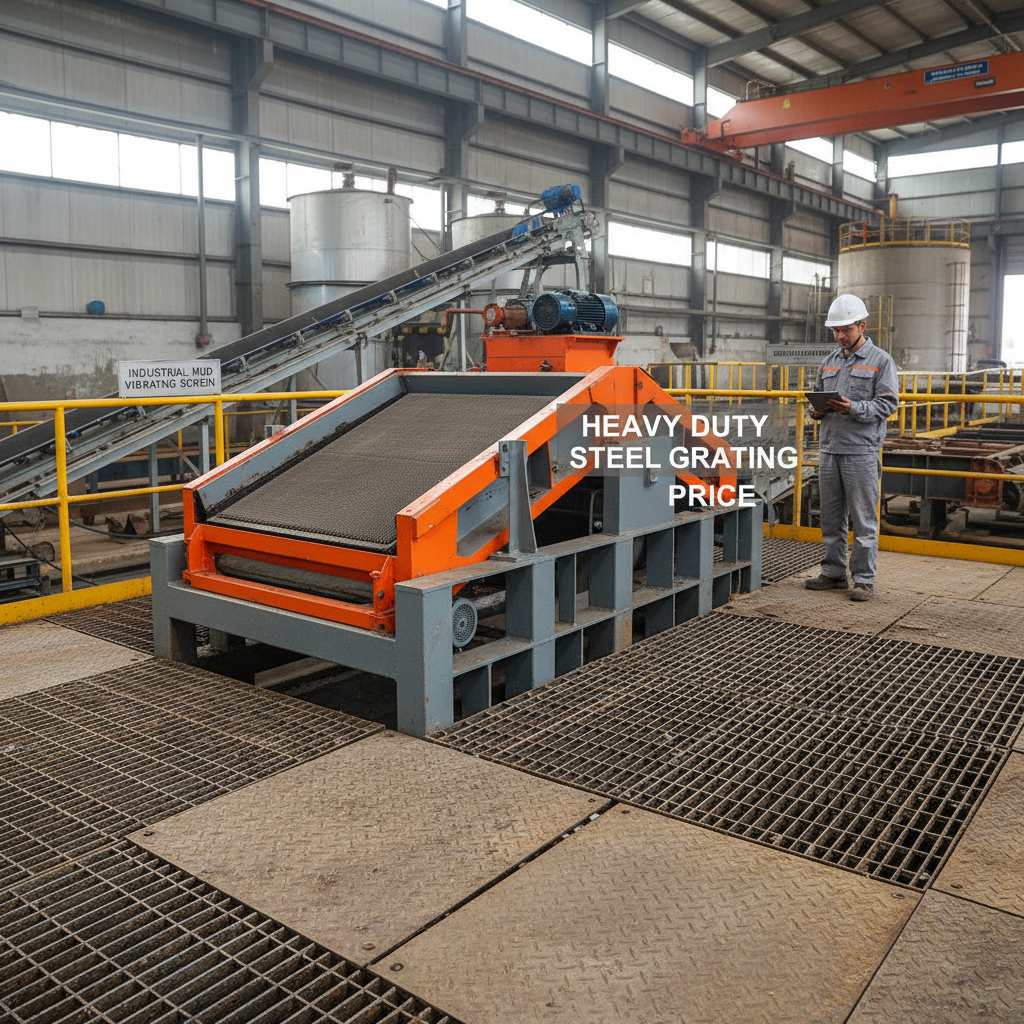
Understanding Steel Grating Quality
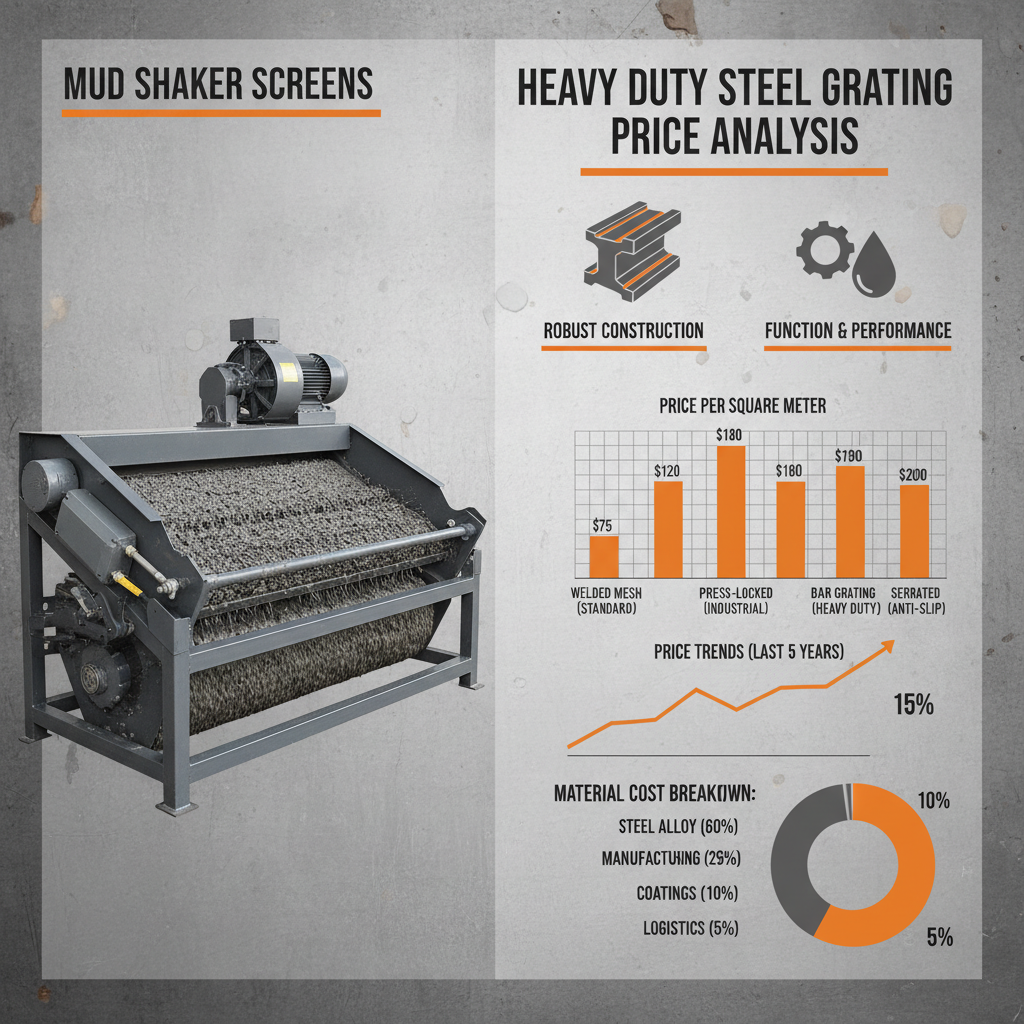
Let’s be honest – not all steel is created equal. The heavy duty steel grating price you pay directly correlates with the quality of the steel itself. I’m talking about the grade – A36, Q235, or even higher alloys for corrosive environments. Cheaper steel means weaker steel, plain and simple. You can save a few bucks upfront, but you’ll be replacing it sooner, and that's a far bigger cost in the long run.
Beyond the steel grade, look at the welding. Are the welds clean, consistent, and fully penetrated? A shoddy weld is a point of failure waiting to happen. I always ask to see weld certifications and inspect them myself. Don’t be afraid to ask questions and demand proof. You’re not just buying metal; you're buying peace of mind.
FAQS
Lead times can vary, but generally, for custom grating, you’re looking at 4-8 weeks. It depends on the complexity of the design, the steel availability, and the supplier’s current workload. Planning ahead is crucial. I always recommend getting quotes and placing orders well in advance of your project schedule to avoid delays. Don't underestimate this!
That’s a critical question. You need to consider the maximum anticipated load, including the weight of equipment, personnel, and any potential impact loads. Consulting with a structural engineer is highly recommended. They can perform the necessary calculations to ensure you select grating with adequate load-bearing capacity and meets all safety regulations.
Hot-dip galvanizing provides exceptional corrosion protection. It’s a zinc coating that sacrificially corrodes before the steel, preventing rust. In harsh environments – near saltwater, chemical plants, etc. – it’s absolutely worth the extra cost. It significantly extends the lifespan of the grating and reduces maintenance requirements. In my experience, it pays for itself many times over.
While it's possible to cut and modify steel grating on-site, it's generally not recommended. Cutting can compromise the structural integrity and remove protective coatings, leading to corrosion. Pre-fabricated, custom-sized grating is always the best solution. If modifications are absolutely necessary, consult with a qualified fabricator to ensure they’re done safely and correctly.
Welded grating is created by welding the bearing and cross bars together, offering a strong and rigid structure. Swaged grating, however, uses a mechanical locking process to join the bars, making it easier to disassemble for maintenance. Welded grating is generally more robust, while swaged grating offers flexibility and convenience. Choose based on your project needs.
Proper installation is paramount! Ensure the supporting structure is level and adequately designed to bear the load. Use appropriate fasteners and follow the manufacturer’s instructions carefully. Don't cut corners on installation – a poorly installed grating can be a serious safety hazard. If you're unsure, hire a qualified professional to handle the installation.
Conclusion
Ultimately, choosing the right heavy duty steel grating price isn't just about saving money upfront. It’s about investing in long-term durability, safety, and peace of mind. Understand your application’s requirements, prioritize quality over cost, and work with a reputable supplier who can provide expert guidance.
The future of grating lies in innovation - from advanced materials to smarter designs. But the core principles remain the same: build strong, build safe, and build to last. For reliable, high-quality steel grating solutions and expert advice, visit our website today: www.hfpetromesh.com.
Related Posts
-
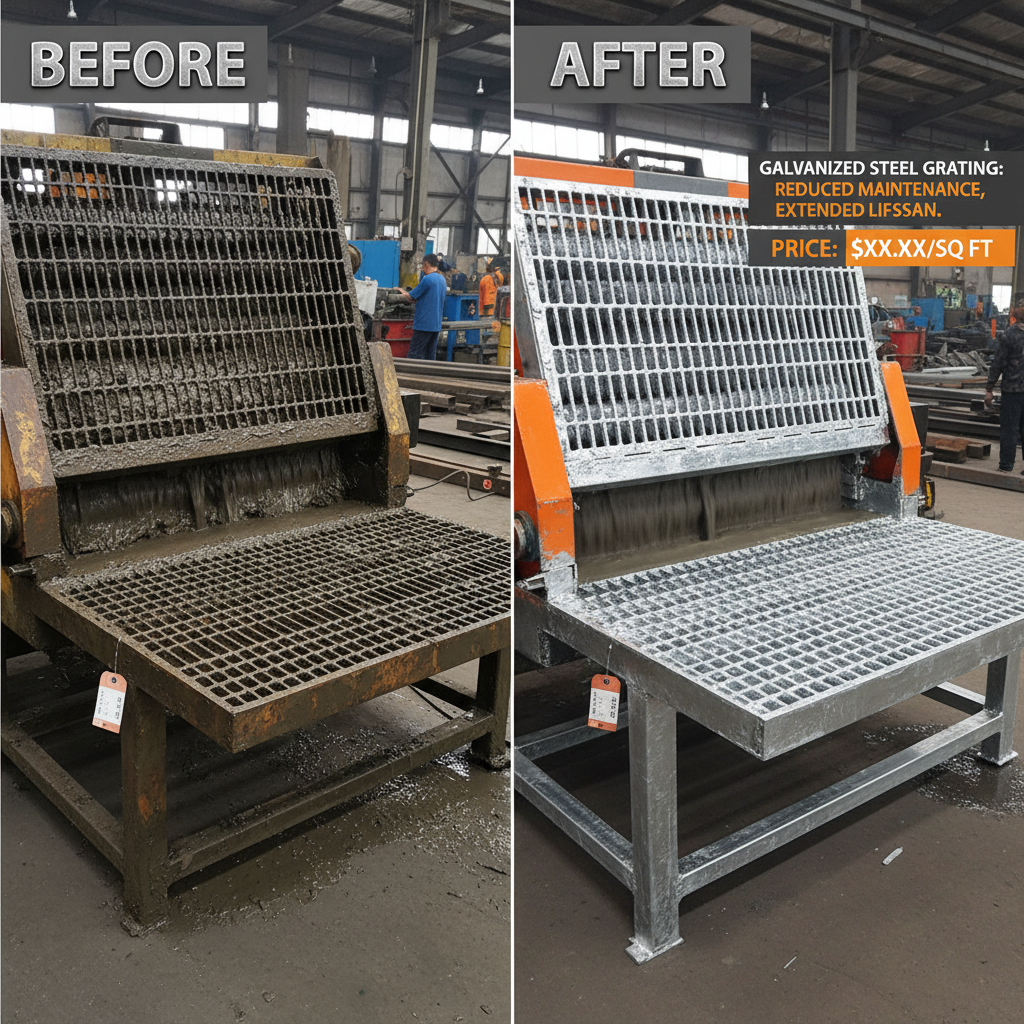
Understanding Galvanized Steel Grating Prices for Industrial and Construction Projects
-
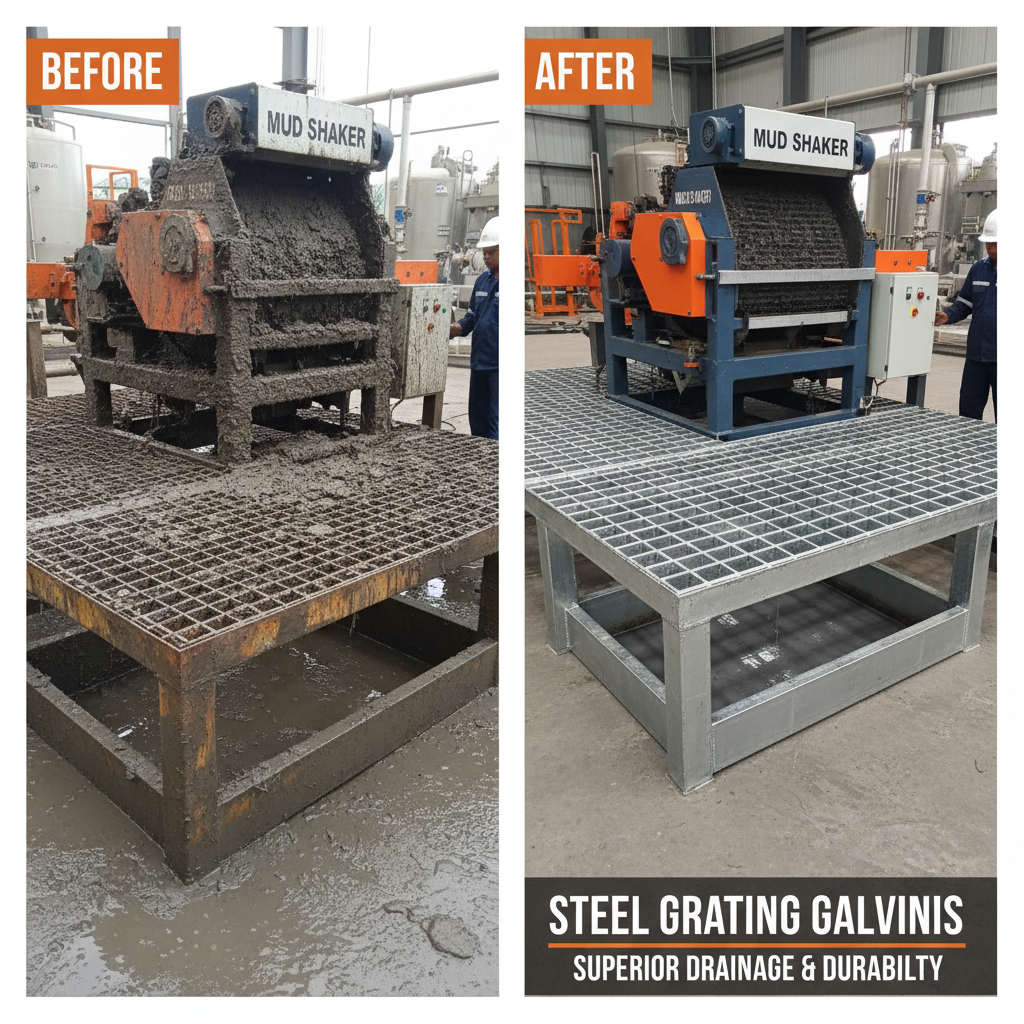
The Crucial Role of Steel Grating Galvanis in Modern Infrastructure Development
-
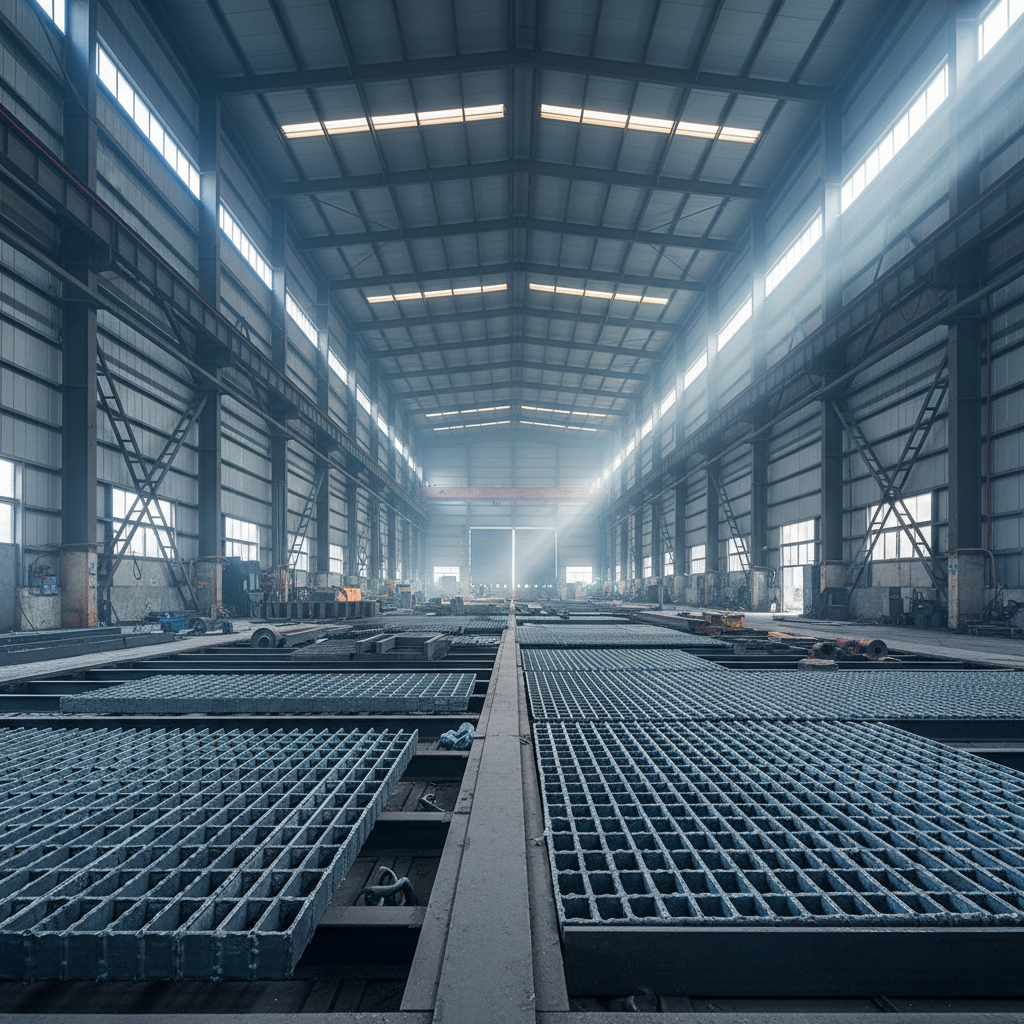
Exploring Diverse Types of Steel Grating for Modern Infrastructure Solutions
-
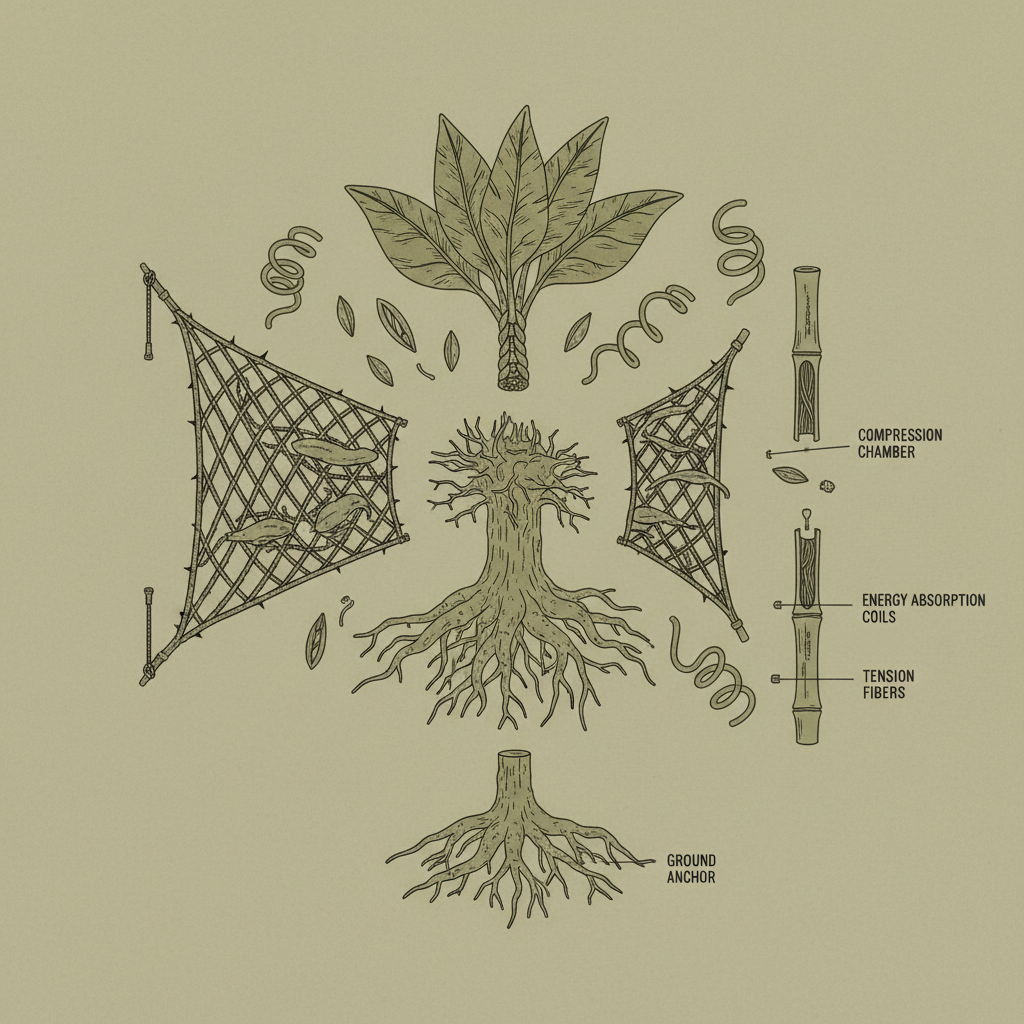
Navigating Modern Construction with a Focus on Perimeter Safety Net Solutions