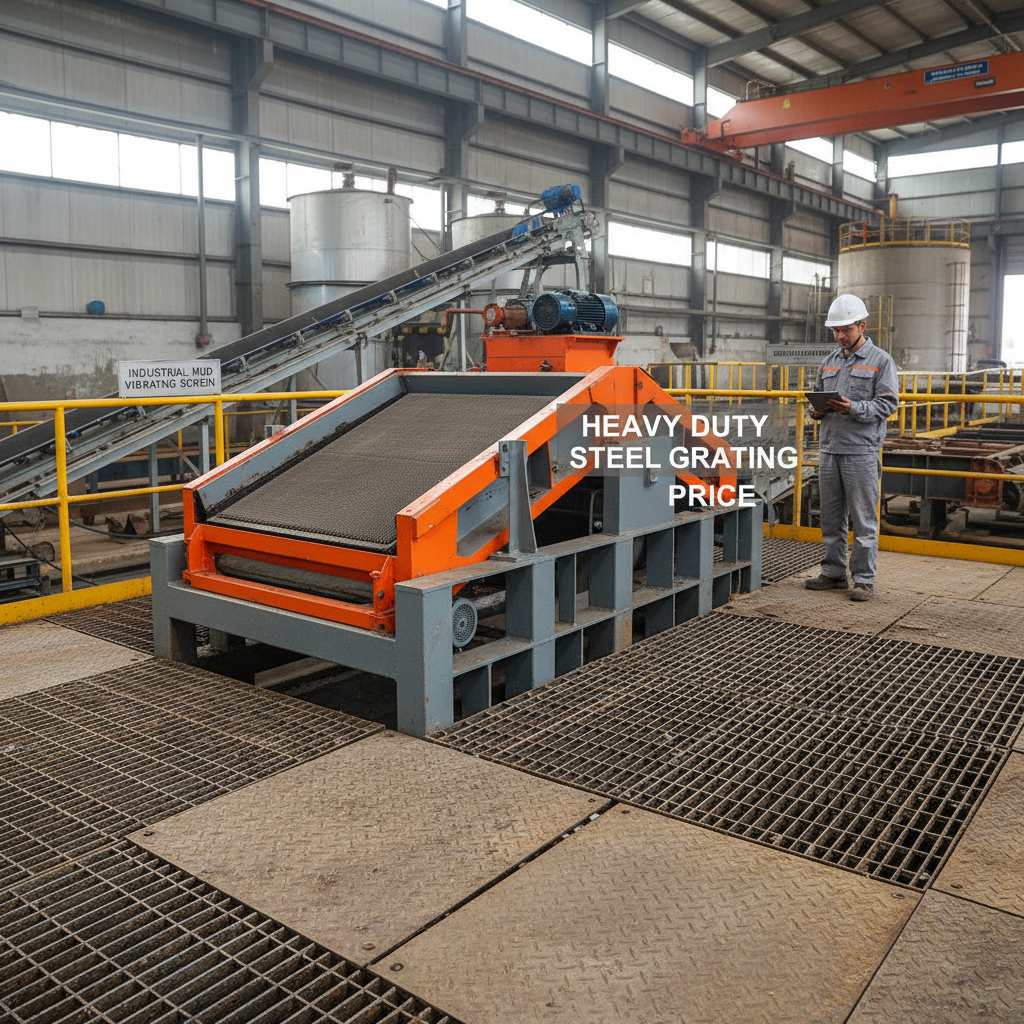
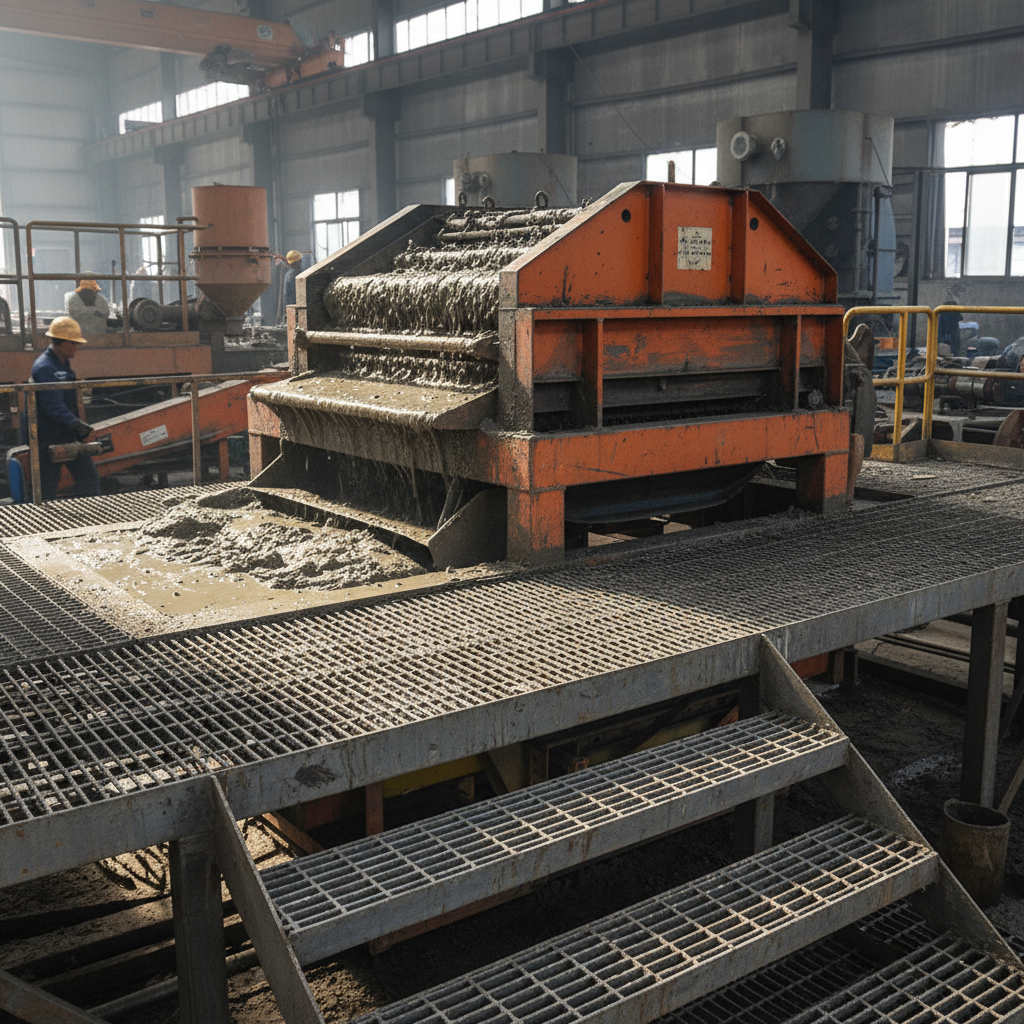
Galvanized steel grating prices are a critical factor for industries ranging from construction and infrastructure to oil and gas, and manufacturing. Understanding these prices is crucial for budgeting, project planning, and ensuring cost-effective solutions. Globally, demand for durable and reliable flooring and safety solutions drives the market for galvanized steel grating, and fluctuations in raw material costs, manufacturing processes, and transportation significantly impact pricing. galvanized steel grating prices are, therefore, a key indicator of overall industrial health and project viability.
The increasing focus on safety regulations and industrial standards worldwide further emphasizes the importance of high-quality galvanized steel grating. This demand translates directly into pricing pressures, particularly as material costs – primarily steel and zinc – are subject to global economic shifts. Furthermore, customization and specific load-bearing requirements affect the price point. Monitoring galvanized steel grating prices allows companies to proactively adapt to market changes and maintain competitive project costs.
Accurate assessment of galvanized steel grating prices is essential for successful project outcomes, ensuring that safety, durability, and budget constraints are all met. Failing to adequately consider these costs can lead to project delays, increased expenses, and potentially compromised safety standards. This understanding is paramount in today's competitive industrial landscape.
The Significance of Galvanized Steel Grating Prices
The pricing of galvanized steel grating is a direct reflection of market forces impacting the raw materials (steel and zinc), manufacturing capabilities, and the demand from various industries. Understanding these prices isn’t simply about finding the lowest cost; it's about securing a product that meets stringent safety standards, offers long-term durability, and ultimately contributes to the success of a project. galvanized steel grating prices affect the bottom line for companies across many sectors.
A clear understanding of the factors that contribute to galvanized steel grating prices allows businesses to make informed purchasing decisions, optimize budget allocation, and mitigate potential risks. The availability of different grades, finishes, and customizations also plays a role, directly impacting the final cost.
Understanding the Components of Galvanized Steel Grating Prices
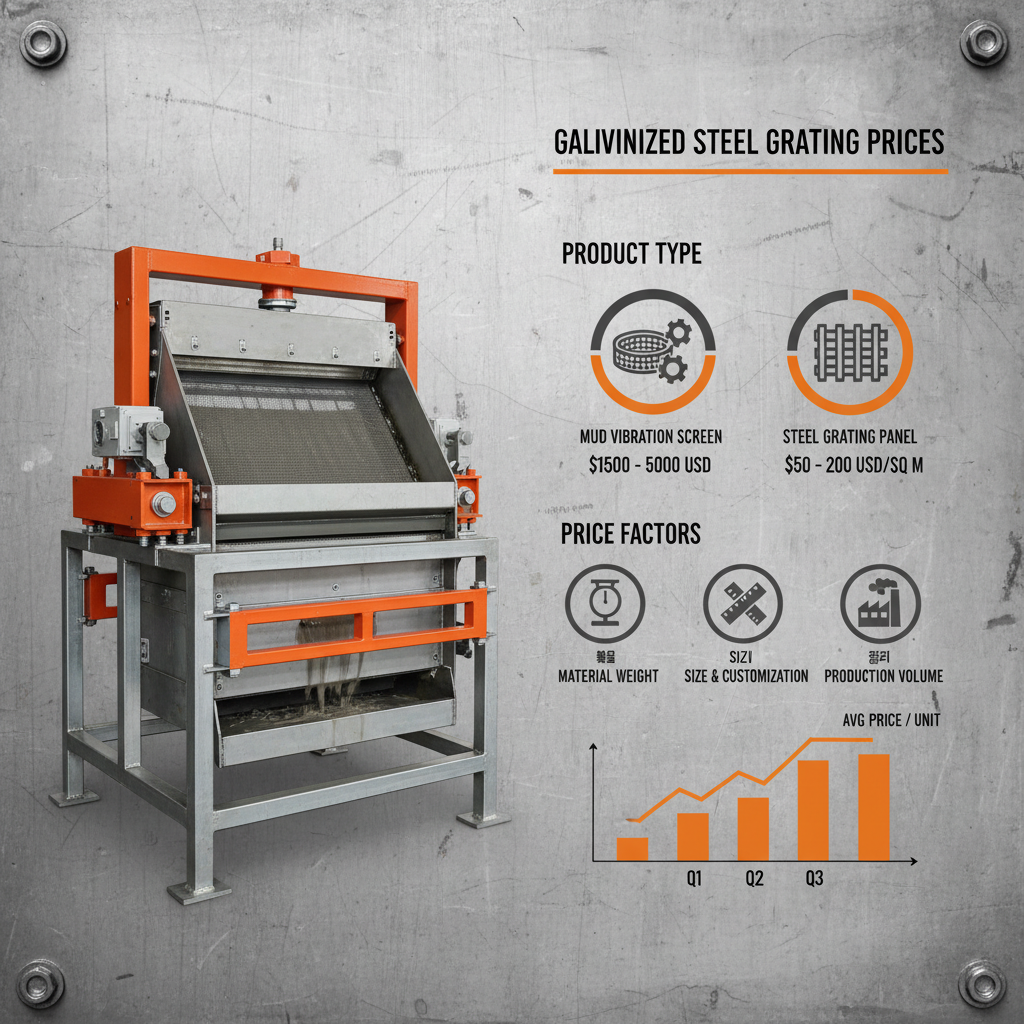
The base cost of galvanized steel grating is primarily driven by the price of steel. Fluctuations in the global steel market – influenced by factors like iron ore prices, production capacity, and geopolitical events – have a significant impact on the overall price. Zinc coating thickness, determined by the intended environment of use (corrosion resistance), is another key cost component. Higher zinc content leads to improved corrosion protection, but also a higher price point. galvanized steel grating prices are thus linked to both commodity markets.
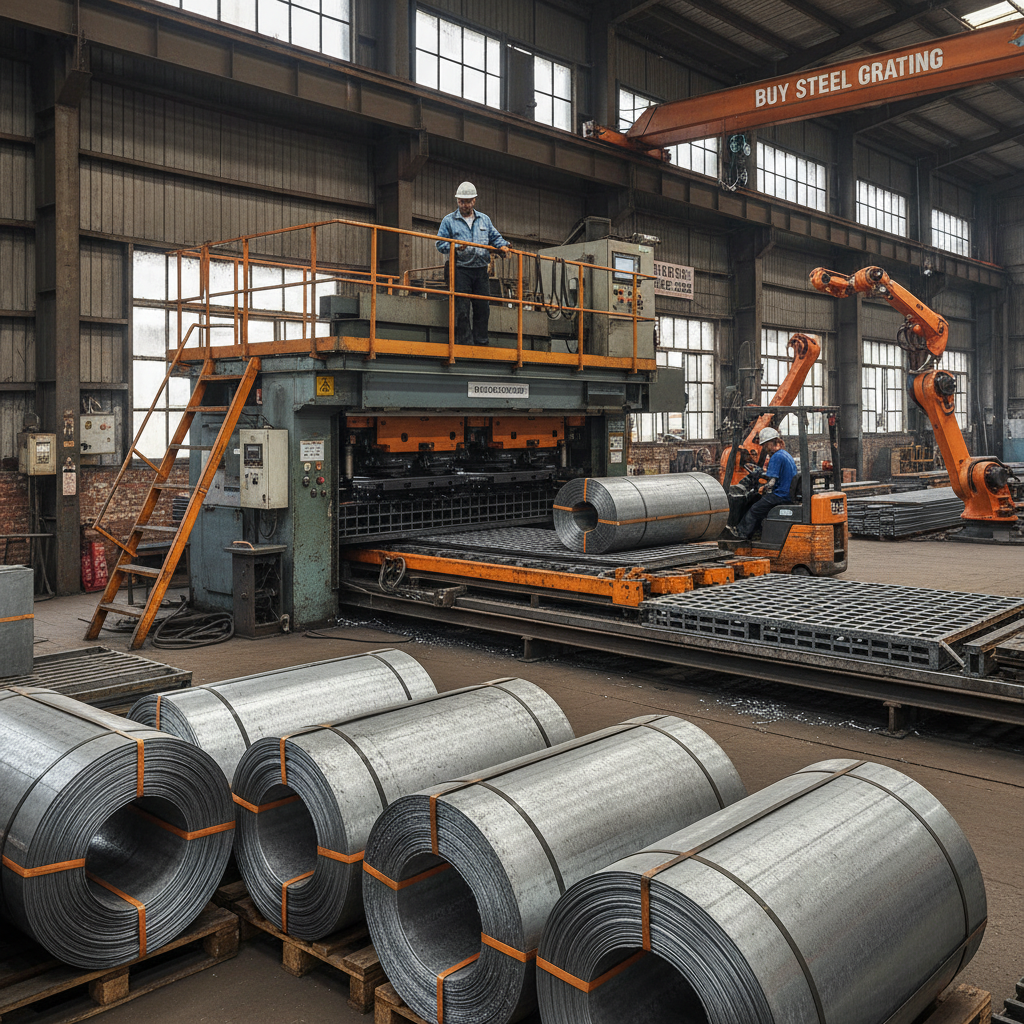
Manufacturing processes, including welding, cutting, and assembly, add to the final cost. The complexity of the grating design (bearing bar spacing, cross bar configuration) directly affects manufacturing time and, therefore, pricing. Labor costs, energy expenses, and factory overhead further contribute to the overall price.
Transportation costs from the manufacturer to the project site are often a substantial portion of the total expense, particularly for large-scale projects or shipments to remote locations. These costs are heavily influenced by fuel prices, distance, and shipping regulations.
Factors Influencing Galvanized Steel Grating Prices
Market demand is a primary driver of galvanized steel grating prices. During periods of high demand – often driven by infrastructure projects or industrial expansion – prices tend to increase due to limited supply. Conversely, during economic downturns or reduced construction activity, prices may decline.
Raw material availability and cost are critical factors. Supply chain disruptions, geopolitical instability, and unexpected increases in the price of steel or zinc can all lead to price increases for galvanized steel grating. Tariffs and trade policies also play a role in influencing material costs.
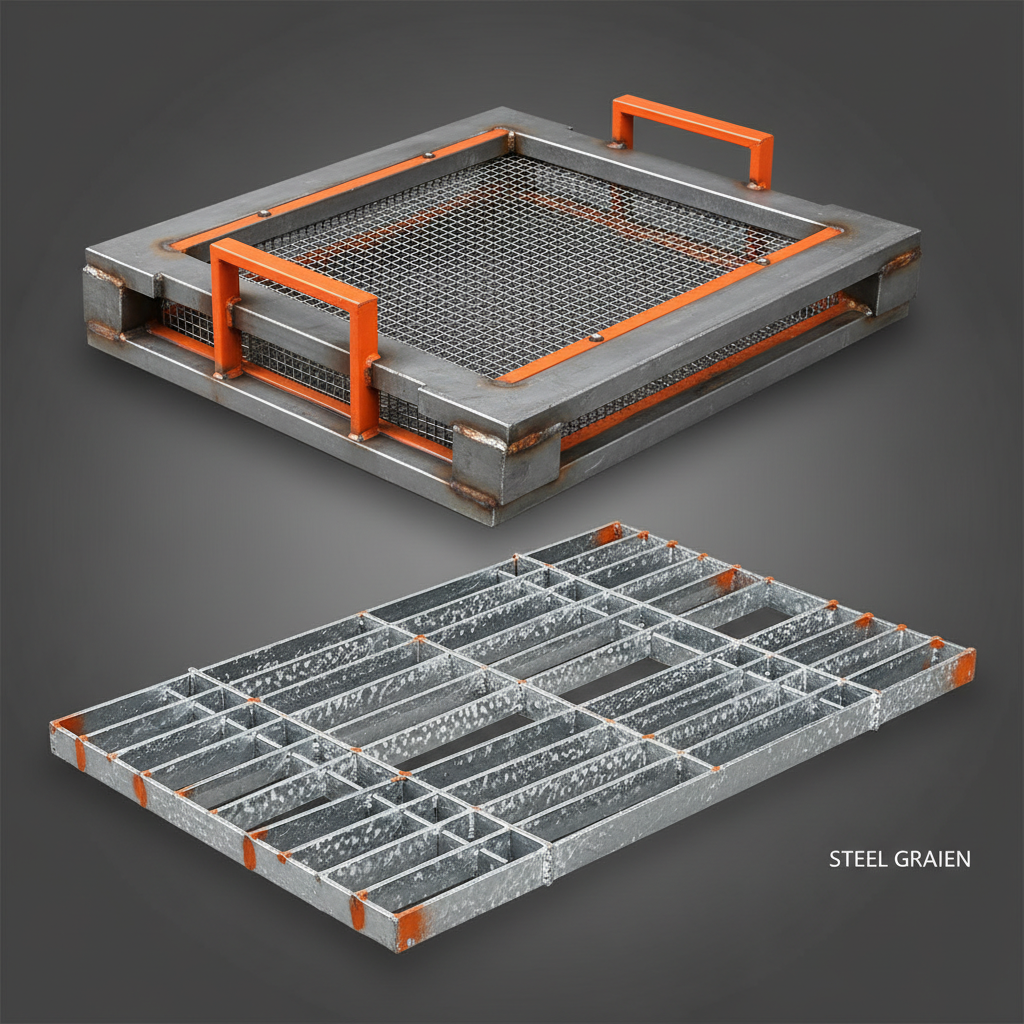
Customization significantly impacts pricing. Standard grating sizes and configurations are typically less expensive than bespoke designs. Requests for specific load-bearing capacities, unique dimensions, or specialized finishes will inevitably increase the overall cost.
Galvanized Steel Grating Prices: Applications and Industry Variations
galvanized steel grating prices vary across industries due to differing requirements and standards. The oil and gas sector, for example, often demands higher-grade grating with superior corrosion resistance, commanding a premium price. Similarly, applications in wastewater treatment plants require materials specifically designed to withstand harsh chemical environments, impacting costs.
The construction industry, a significant consumer of galvanized steel grating for flooring, walkways, and drainage systems, typically focuses on cost-effectiveness while maintaining safety standards. The pricing here will be influenced by project scale and material specifications. Industrial plants utilize it extensively for platforms and walkways, and prices depend on load capacity and safety requirements.
Galvanized Steel Grating Prices Comparison
The Long-Term Value and Advantages of Quality Galvanized Steel Grating
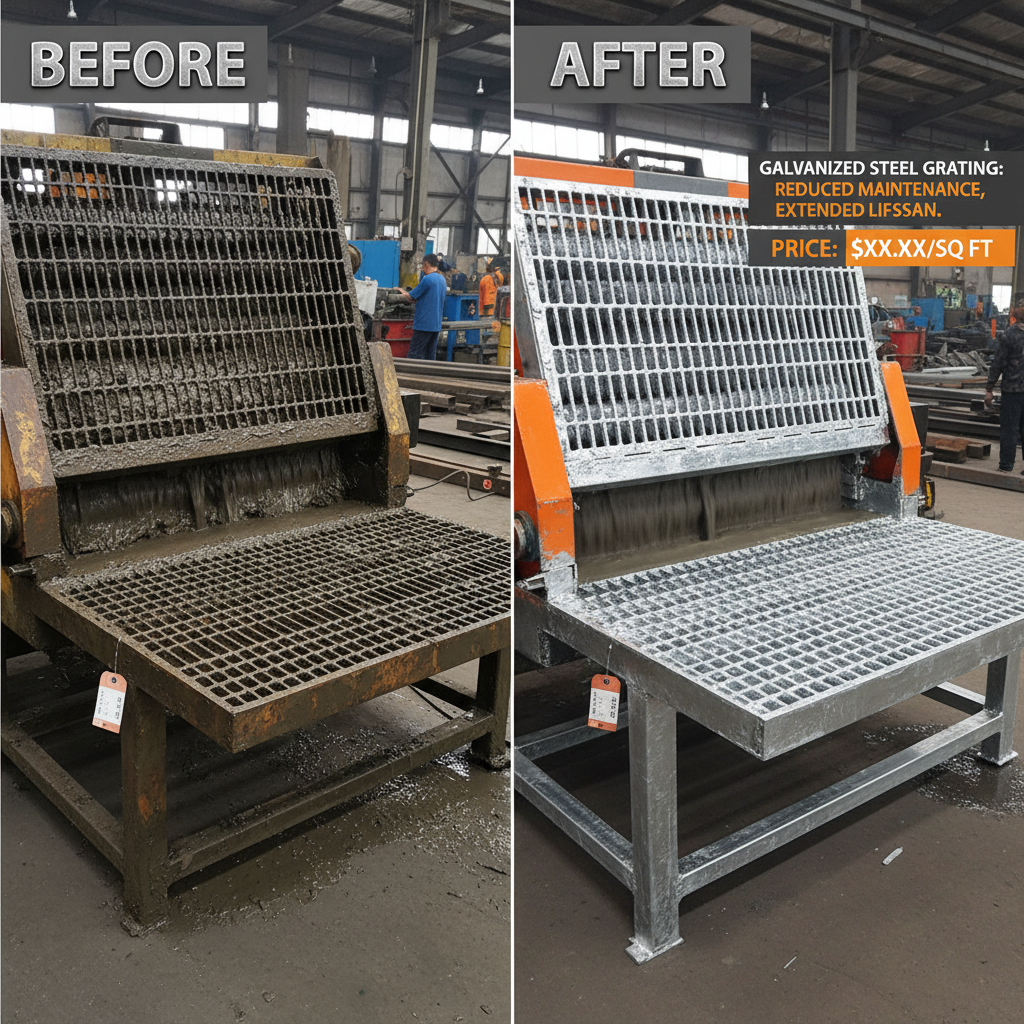
While initial galvanized steel grating prices may be higher compared to alternative materials, the long-term value proposition is compelling. Galvanized steel offers exceptional durability, requiring minimal maintenance and providing a long service life. This reduces lifecycle costs significantly.
The inherent strength and load-bearing capacity of galvanized steel grating ensure safety and reliability in demanding environments. Its resistance to corrosion minimizes the risk of structural failure, reducing the need for frequent repairs or replacements. These factors contribute to a lower total cost of ownership.
Future Trends and Innovations Impacting Galvanized Steel Grating Prices
Advancements in steel manufacturing processes and zinc coating technologies are continually influencing galvanized steel grating prices. The development of high-strength, low-alloy steels and more efficient galvanizing techniques are expected to reduce material costs and improve product performance.
Increased emphasis on sustainable manufacturing practices is driving demand for eco-friendly materials and processes. Manufacturers are exploring ways to reduce energy consumption, minimize waste, and utilize recycled materials, potentially impacting pricing structures.
The integration of smart technologies, such as sensors embedded within the grating to monitor structural integrity and detect corrosion, could add value and potentially influence future price trends.
Navigating Challenges and Optimizing Galvanized Steel Grating Costs
Fluctuations in raw material prices and supply chain disruptions pose ongoing challenges to maintaining stable galvanized steel grating prices. Establishing long-term relationships with reputable suppliers and diversifying sourcing options can help mitigate these risks.
Careful planning and accurate demand forecasting are crucial for optimizing procurement strategies. Bulk purchasing, negotiating favorable contract terms, and exploring alternative grating designs can contribute to cost savings.
Proper installation and maintenance are essential for maximizing the lifespan of galvanized steel grating and minimizing long-term costs. Regular inspections and timely repairs can prevent premature failure and ensure continued safety and reliability.
Factors to consider when analyzing Galvanized Steel Grating Costs
| Material Grade |
Zinc Coating Thickness |
Manufacturing Complexity |
Transportation Distance |
| Mild Steel |
60 μm |
Standard Pattern |
Within 100 miles |
| High Strength Steel |
80 μm |
Custom Design |
100-500 miles |
| Stainless Steel (alternative) |
N/A |
Standard Pattern |
500-1000 miles |
| Mild Steel |
100 μm |
Heavy Duty Design |
Over 1000 miles |
| High Strength Steel |
120 μm |
Complex Custom Design |
Within 50 miles |
| Mild Steel |
60 μm |
Simple Standard Design |
Local Delivery |
FAQS
Several factors contribute to price volatility, including raw material costs (steel and zinc), supply chain disruptions, global economic conditions, manufacturing capacity, and demand from key industries like construction and oil & gas. Geopolitical events and trade policies can also significantly impact pricing. Understanding these factors is essential for effective budget planning.
A thicker zinc coating provides superior corrosion resistance, extending the lifespan of the grating. However, increasing the zinc coating thickness requires more material and a more complex galvanizing process, which directly increases the price. The appropriate coating thickness should be selected based on the intended environment and exposure conditions.
Lead times vary depending on the manufacturer, the complexity of the order, and current demand. Standard sizes and configurations typically have shorter lead times (2-4 weeks), while custom designs may require 6-8 weeks or longer. It’s crucial to factor in lead times when planning projects to avoid delays.
Yes, galvanized steel grating can be extensively customized to meet specific project needs. Manufacturers can adjust bearing bar spacing, cross bar configurations, dimensions, and load-bearing capacities. However, customization typically increases the price and lead time. Provide detailed specifications when requesting a quote.
Galvanized steel grating requires minimal maintenance. Regular inspections to check for any damage or corrosion are recommended. Periodic cleaning to remove dirt and debris can help maintain its appearance and prolong its lifespan. In most environments, repainting is not necessary for decades.
The price comparison depends on several factors, including material grade, quantity, and customization. Generally, galvanized steel is more cost-effective than stainless steel. Aluminum may be comparable in initial cost but offers lower strength. Fiberglass can be more expensive upfront but offers excellent corrosion resistance in certain applications. It’s important to consider the long-term lifecycle costs and specific project requirements.
Conclusion
In conclusion, understanding galvanized steel grating prices is not simply a matter of finding the lowest cost, but rather of making informed decisions that balance price, quality, durability, and long-term value. The factors influencing these prices are complex and dynamic, requiring careful consideration of raw material costs, manufacturing processes, and market demand. By prioritizing these aspects, businesses can secure reliable, safe, and cost-effective grating solutions for their projects.
Looking ahead, the continued innovation in materials science and manufacturing technologies promises to further optimize the value proposition of galvanized steel grating. Proactive engagement with reputable suppliers, careful project planning, and a commitment to sustainable practices will be key to navigating the evolving landscape of galvanized steel grating pricing and maximizing long-term benefits. Visit our website at www.hfpetromesh.com to learn more and request a quote.