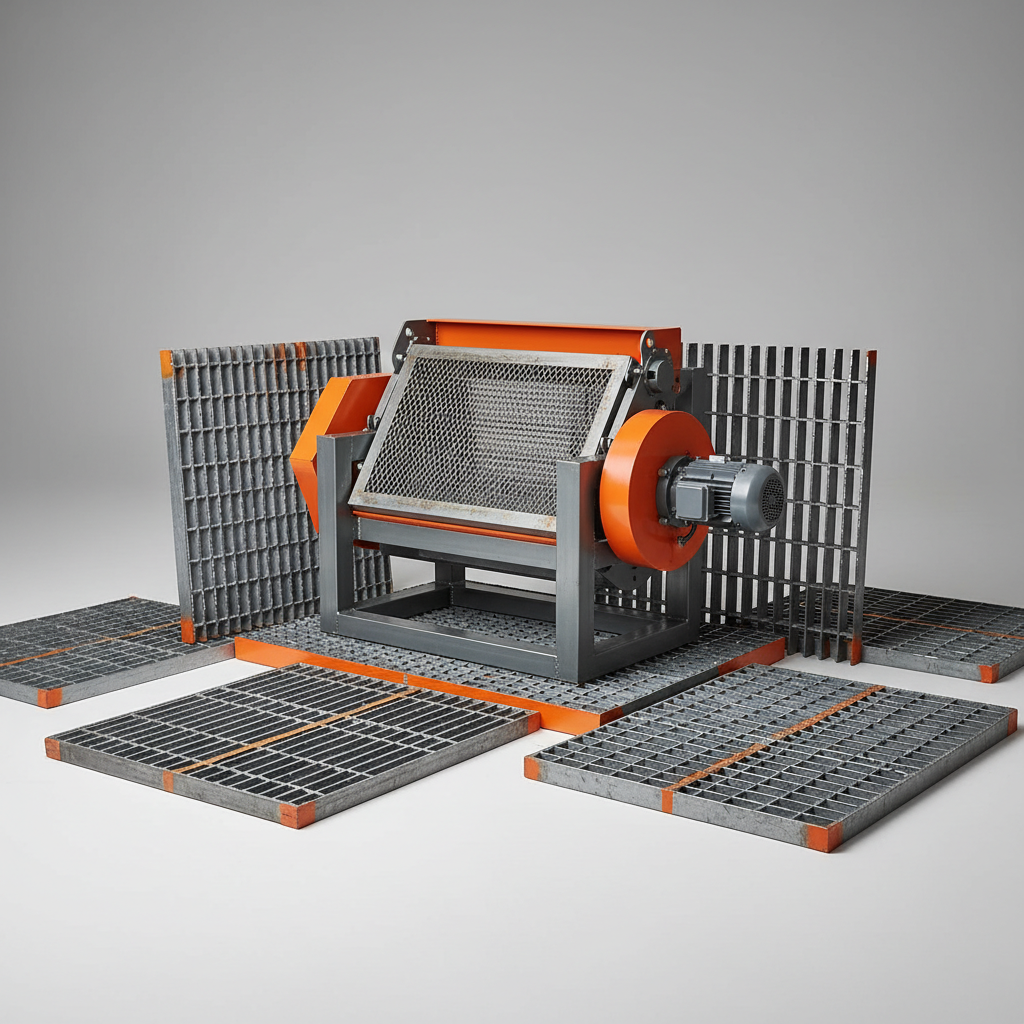
Understanding floor grating price is crucial for businesses and industries relying on safe and durable walking surfaces. The global market for steel grating, a key component determining floor grating price, is experiencing steady growth, driven by infrastructure development in emerging economies and stringent safety regulations worldwide. Accurate price assessments allow for effective budgeting, project planning, and maintaining a competitive edge in the market.
The floor grating price is directly impacted by factors such as raw material costs (steel, aluminum), manufacturing processes, and geographical location. Fluctuations in these elements can significantly affect project costs. Therefore, a thorough understanding of these dynamics is essential for informed decision-making.
Ultimately, understanding floor grating price isn’t merely about cost; it’s about ensuring structural integrity, worker safety, and long-term operational efficiency, directly contributing to the success of various industrial and commercial ventures.
The Significance of Floor Grating Price
The floor grating price is a critical factor for industries ranging from petrochemicals and power generation to wastewater treatment and commercial construction. Understanding its nuances allows businesses to optimize investments and maintain project feasibility. Inaccurate price estimations can lead to budget overruns and compromised safety standards.
Effective cost management related to floor grating price directly impacts overall project profitability. Choosing the right grating material and configuration, informed by a detailed price analysis, can lead to significant long-term savings and enhanced operational efficiency.
Defining Floor Grating Price
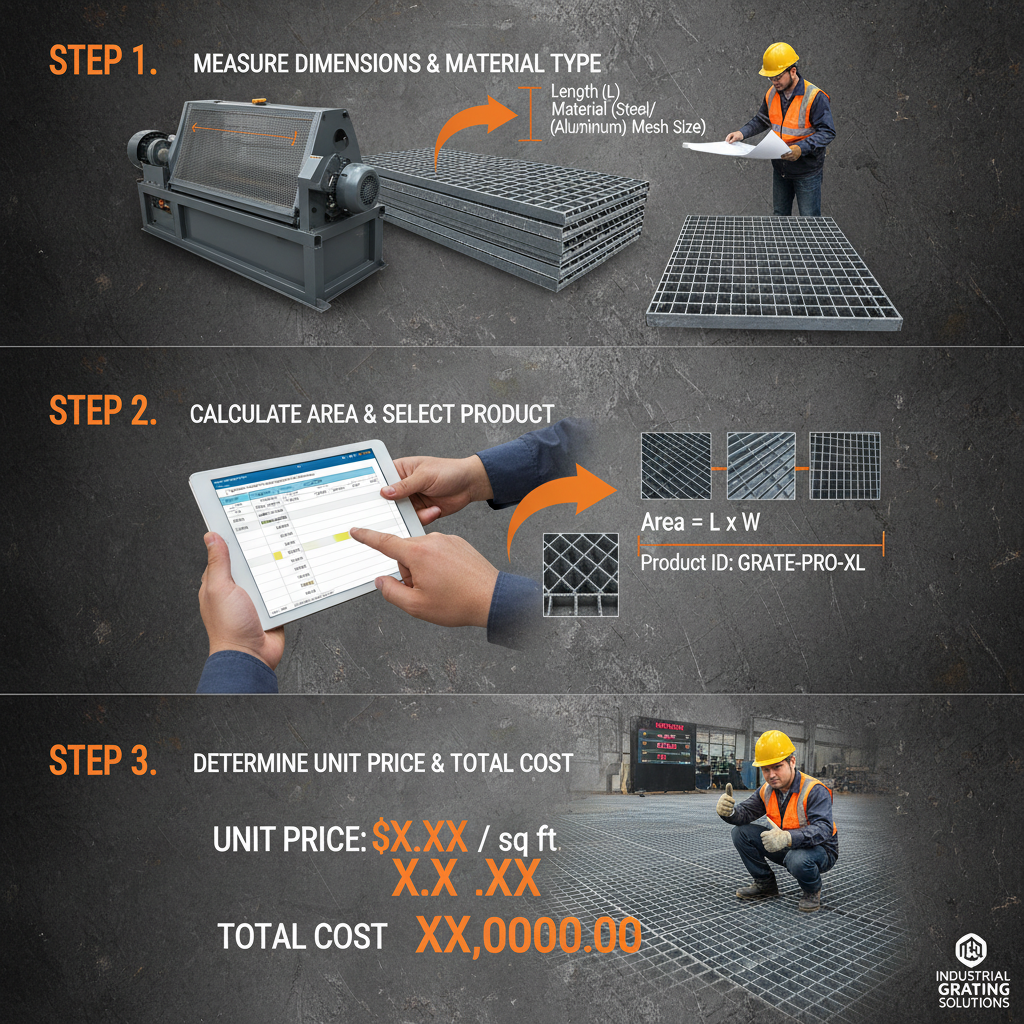
Floor grating price encompasses the total cost associated with procuring and installing steel or aluminum grating. This includes the cost of the raw materials, fabrication, surface treatment (like galvanization), shipping, and installation labor. The price can be quoted per square foot or per panel, depending on the supplier and project requirements.
Beyond the initial purchase price, it's crucial to consider the lifecycle cost, which includes maintenance, repair, and eventual replacement. High-quality grating with superior corrosion resistance will typically have a higher upfront floor grating price, but offer lower long-term costs due to reduced maintenance needs.
The concept of floor grating price connects directly to modern industrial safety standards and the need for reliable, non-slip walking surfaces. It’s an essential element in ensuring safe access and operation in potentially hazardous environments.
Key Factors Influencing Floor Grating Price
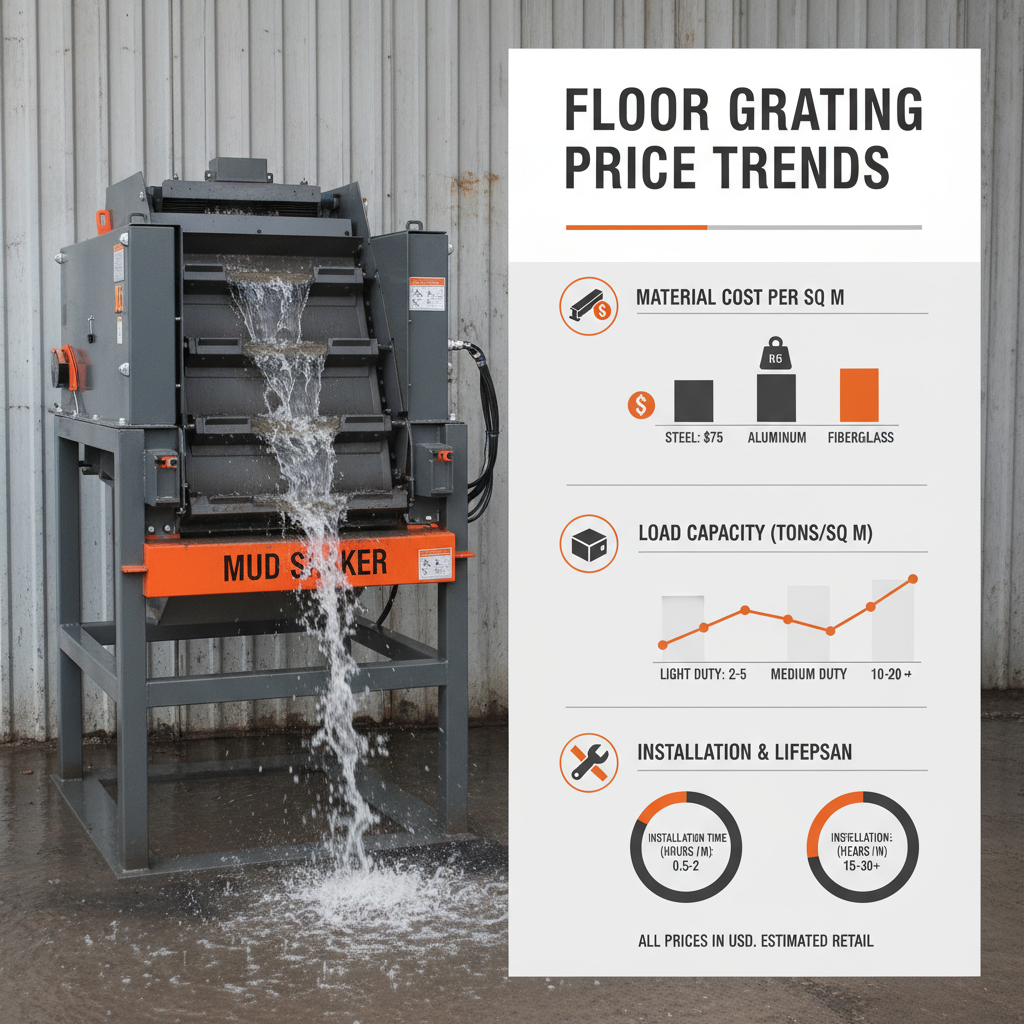
Several key factors determine the floor grating price. The type of material (carbon steel, stainless steel, aluminum) significantly impacts the cost. Stainless steel, with its superior corrosion resistance, commands a higher price than carbon steel. The grating’s load-bearing capacity, determined by its bar size and spacing, also influences the price—heavier-duty grating is naturally more expensive.
Manufacturing processes also play a crucial role. Welded grating, while cost-effective for certain applications, generally has a lower price than swage-locked grating, which offers superior strength and a cleaner aesthetic. The complexity of the grating’s design, including special cuts or custom configurations, will also add to the overall floor grating price.
Finally, external factors like market demand, transportation costs, and supplier location affect the floor grating price. Geopolitical events and trade tariffs can also create price volatility.
Floor Grating Price: Material and Manufacturing Costs
Material costs represent a substantial portion of the floor grating price. Steel prices are subject to global market fluctuations influenced by factors like iron ore availability, energy costs, and global demand. Aluminum, while lighter and more corrosion-resistant, is typically more expensive than steel.
Manufacturing processes contribute significantly to the final price. For example, the cost of welding versus swage-locking differs substantially. More intricate designs and specialized finishes (like epoxy coating) also increase production costs, ultimately impacting the floor grating price.
Comparative Floor Grating Price by Method
Global Applications of Floor Grating
Floor grating finds widespread application across numerous industries globally. In the oil and gas sector, it provides safe walking surfaces on offshore platforms and refineries. The chemical processing industry utilizes it for catwalks and drainage systems due to its corrosion resistance. Wastewater treatment plants employ floor grating for walkways and cover systems.
Commercial construction benefits from its use in stair treads, pedestrian walkways, and security barriers. Power generation facilities depend on it for platform access and ventilation. In remote industrial zones, its durability and low maintenance are particularly valued.
Advantages of Selecting Optimal Floor Grating
Choosing the optimal floor grating provides significant long-term advantages. Enhanced safety is paramount, reducing the risk of slips, trips, and falls. Improved drainage prevents water accumulation and minimizes corrosion. Its high strength-to-weight ratio contributes to structural stability and reduced material costs.
Lower maintenance requirements translate into reduced operational expenses and downtime. A well-selected floor grating solution enhances the overall aesthetic appeal of a facility and demonstrates a commitment to workplace safety and efficiency.
Future Trends and Innovations in Floor Grating Price
The floor grating industry is evolving with new materials and manufacturing techniques. The development of high-strength, lightweight alloys and composite materials (like fiberglass reinforced plastic) is driving innovation and potentially lowering costs. Automation in manufacturing processes is increasing efficiency and reducing labor expenses, impacting the floor grating price.
Sustainability is also a growing trend, with increased demand for recycled materials and eco-friendly coatings. Digital technologies, such as Building Information Modeling (BIM), are enabling more accurate cost estimations and project planning.
The integration of smart sensors into floor grating systems for structural health monitoring is an emerging technology that could further optimize maintenance and extend service life, ultimately influencing the long-term floor grating price.
FAQS
The price of steel grating is heavily influenced by the cost of raw steel, which is tied to global iron ore prices, energy costs, and geopolitical factors. Manufacturing costs, transportation expenses, and demand-supply dynamics also play significant roles. Unexpected tariffs or trade restrictions can also lead to price volatility.
Aluminum grating is typically more expensive upfront than steel grating due to the higher cost of aluminum itself. However, aluminum offers superior corrosion resistance, reducing long-term maintenance costs. Steel, particularly when galvanized, provides a cost-effective option for many applications, but may require more frequent maintenance in corrosive environments.
The lifespan of steel grating varies depending on the environment and maintenance practices. With proper maintenance (such as regular cleaning and recoating), galvanized steel grating can last 20-30 years or more. Stainless steel grating offers even longer lifespans. Considering the lifespan in a lifecycle cost analysis is vital when evaluating floor grating price.
Hidden costs can include site preparation, cutting and fitting of the grating to specific dimensions, fastening materials (bolts, clips), and labor for installation. Transportation costs can also be significant, especially for large orders or remote locations. Permitting and inspection fees may also apply.
Negotiate with multiple suppliers to obtain competitive quotes. Consider alternative grating materials like carbon steel with a robust coating. Optimize the grating design to minimize material waste. Explore standard sizes and configurations to avoid custom fabrication costs. Prioritize long-term lifecycle costs over solely focusing on the initial price.
Welded grating is generally less expensive to manufacture, as it involves welding the bearing bars and cross bars together. Swage-locked grating involves a mechanical interlocking process, resulting in a stronger, more durable, and aesthetically cleaner product. Consequently, swage-locked grating typically has a higher floor grating price.
Conclusion
In conclusion, understanding floor grating price requires a holistic view encompassing material selection, manufacturing processes, installation costs, and long-term lifecycle considerations. By carefully evaluating these factors, businesses can optimize their investments, ensure safety, and maximize operational efficiency. A proactive approach to price analysis is essential for successful project completion.
Looking ahead, embracing innovation in materials and manufacturing, prioritizing sustainability, and leveraging digital technologies will be key to mitigating cost fluctuations and unlocking further value in floor grating solutions. For reliable floor grating options and competitive pricing, visit our website: floor grating price.