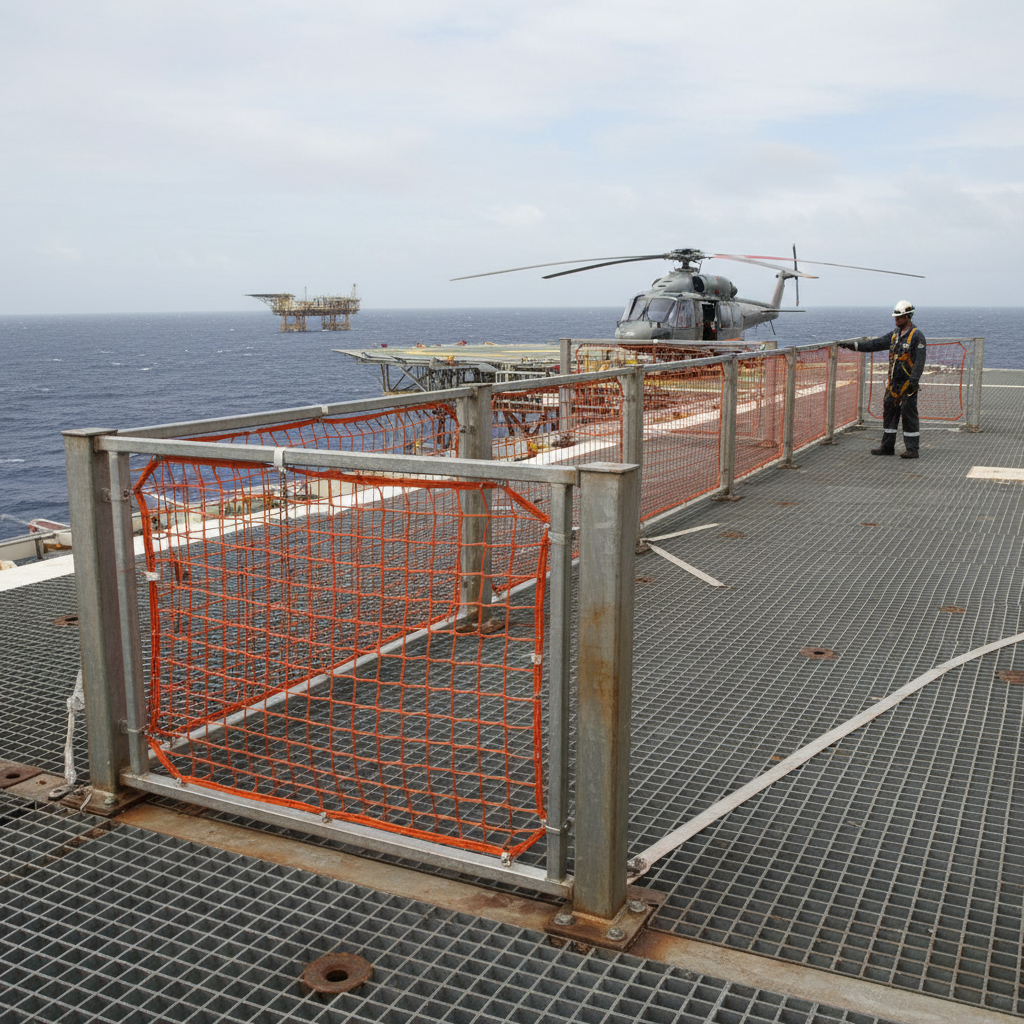
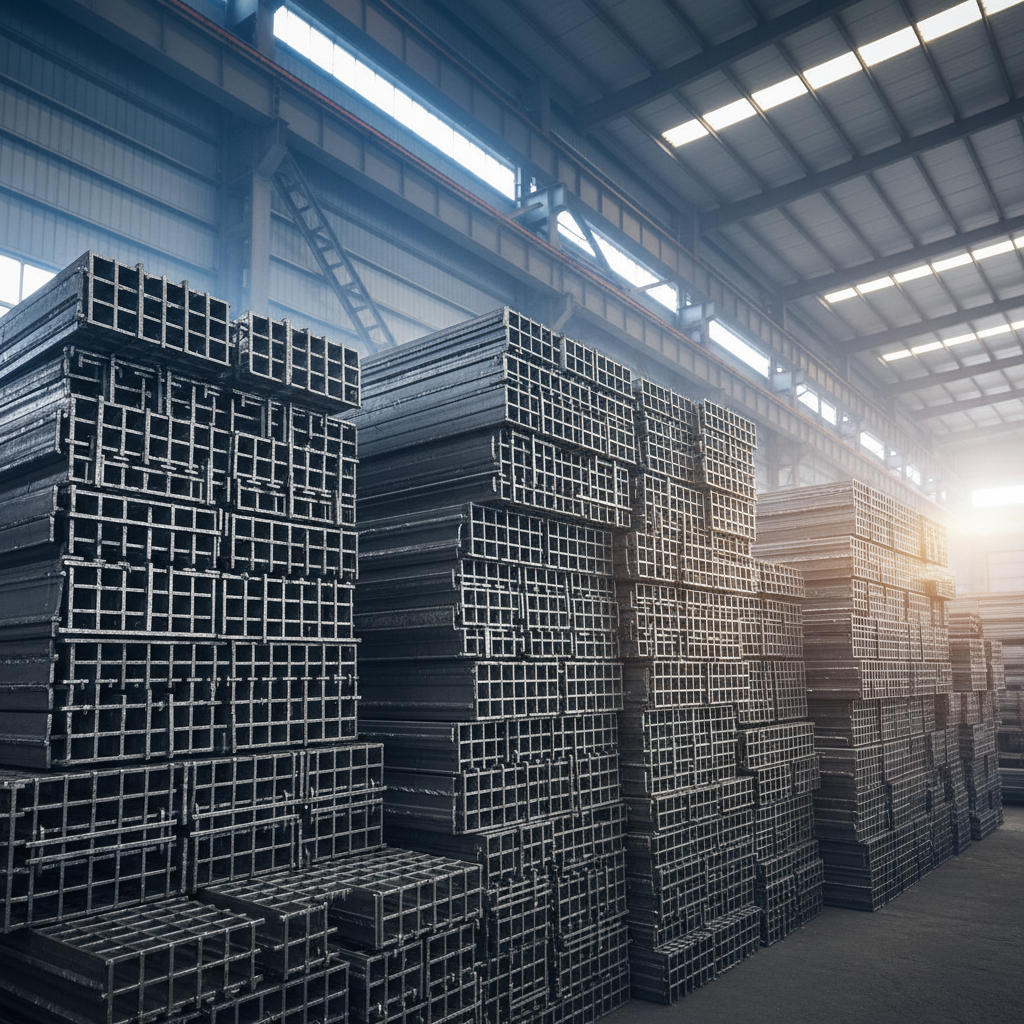
Chain link helideck mesh is a critical safety component for offshore platforms, helipads, and other areas requiring secure landing zones for helicopters. Its primary function is to provide a non-slip, fire-resistant, and durable surface capable of withstanding the intense downwash forces generated by helicopter rotors. Understanding its design, material properties, and applications is essential for maintaining operational safety and adhering to stringent industry regulations.
Globally, the demand for reliable helideck safety systems is increasing alongside the expansion of offshore energy exploration, search and rescue operations, and logistical support to remote areas. Organizations like the International Maritime Organization (IMO) and the Civil Aviation Authorities (CAA) enforce strict standards regarding helideck construction and maintenance, driving the need for high-quality chain link helideck mesh. Failure to comply can lead to significant financial penalties and, more importantly, jeopardize lives.
The increasing frequency of extreme weather events further underscores the importance of robust helideck safety measures. A properly installed and maintained chain link helideck mesh system mitigates risks associated with slippery surfaces caused by rain, ice, or spilled fuel, ensuring safe helicopter operations even in adverse conditions. This represents a vital investment in personnel and asset protection across diverse industries.
Introduction to Chain Link Helideck Mesh
Chain link helideck mesh represents a crucial element in ensuring safe helicopter landing and takeoff operations, particularly in demanding offshore environments. Its unique woven construction provides exceptional grip, even when wet, minimizing the risk of slippage and contributing to overall helideck safety. chain link helideck mesh is an investment in risk mitigation and operational continuity.
The utilization of chain link helideck mesh isn’t merely a regulatory requirement; it’s a best practice adopted by leading companies in the oil and gas, maritime, and search and rescue sectors. This proactive approach to safety demonstrates a commitment to protecting personnel and valuable assets, fostering a culture of responsibility and operational excellence.
Global Relevance and Industry Context
The global offshore industry, encompassing oil and gas extraction, wind farm maintenance, and maritime transportation, relies heavily on helicopter services for personnel and supply transport. According to the International Energy Agency (IEA), offshore oil and gas production continues to be a significant contributor to global energy supply, necessitating safe and reliable helicopter operations. This directly translates to a consistent demand for high-quality chain link helideck mesh.
The increasing complexity of offshore infrastructure and the growing number of remote installations further amplify the need for dependable helideck safety systems. The United Nations’ Sustainable Development Goal 9 (Industry, Innovation and Infrastructure) emphasizes the importance of resilient infrastructure, and helideck safety directly contributes to this objective.
Regulatory bodies worldwide, including the European Aviation Safety Agency (EASA) and the Federal Aviation Administration (FAA), impose strict requirements for helideck construction and maintenance. Chain link helideck mesh is a key component in meeting these standards, ensuring compliance and minimizing the risk of accidents and costly downtime.
Defining Chain Link Helideck Mesh
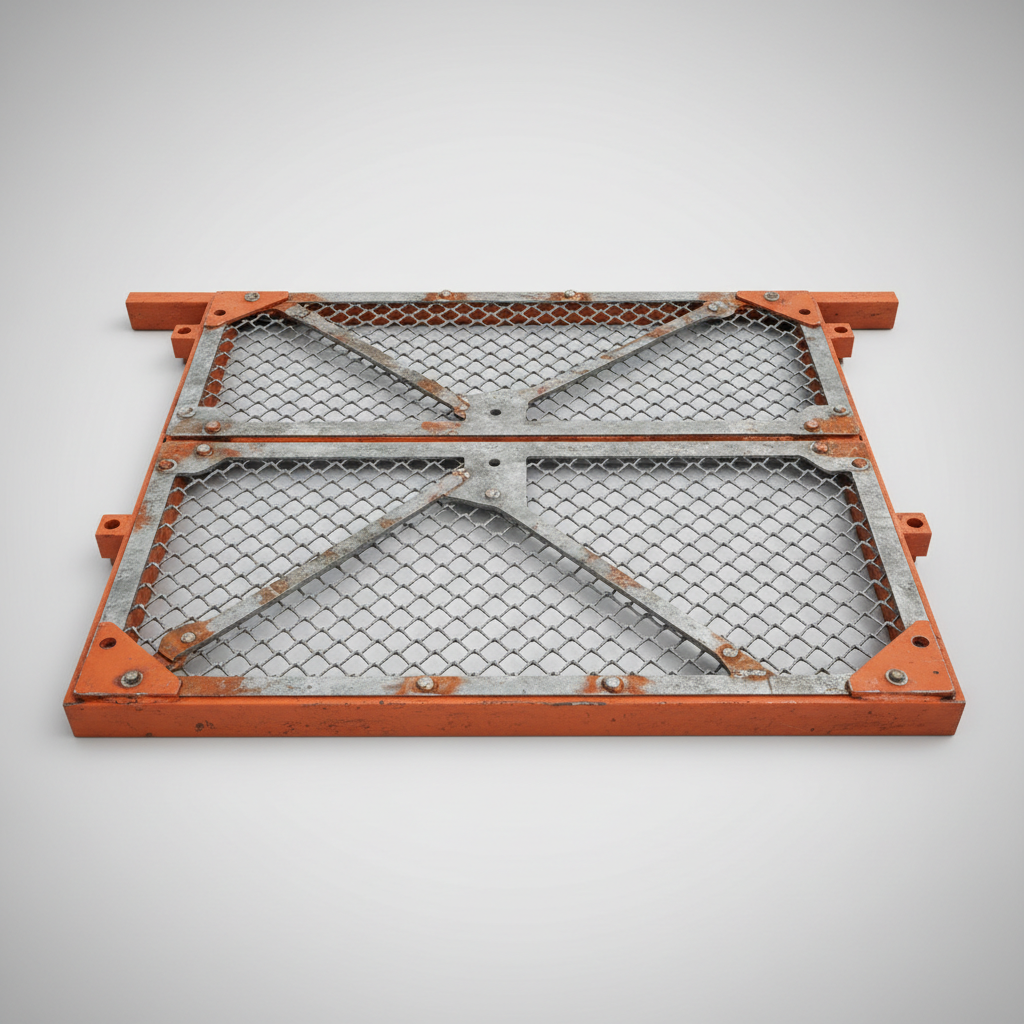
Chain link helideck mesh is a specialized woven wire fabric, typically constructed from high-strength stainless steel, designed to provide a durable, non-slip, and fire-resistant surface for helicopter landing areas. It's engineered to withstand the severe downwash forces created by helicopter rotors, preventing displacement and maintaining a secure landing zone.
Unlike conventional helideck surfaces, chain link helideck mesh offers superior drainage capabilities, minimizing the accumulation of water, ice, and debris. This is critical for maintaining adequate friction and preventing accidents, particularly in harsh weather conditions. Its open grid structure also allows for visual inspection of the underlying helideck structure, aiding in early detection of potential maintenance issues.
The construction and performance of chain link helideck mesh are governed by international standards such as CAP 437 from the UK Civil Aviation Authority, which outlines the requirements for helideck design, construction, and maintenance. Properly specified and installed chain link helideck mesh is an integral part of ensuring a safe and compliant helideck environment.
Key Factors of Chain Link Helideck Mesh
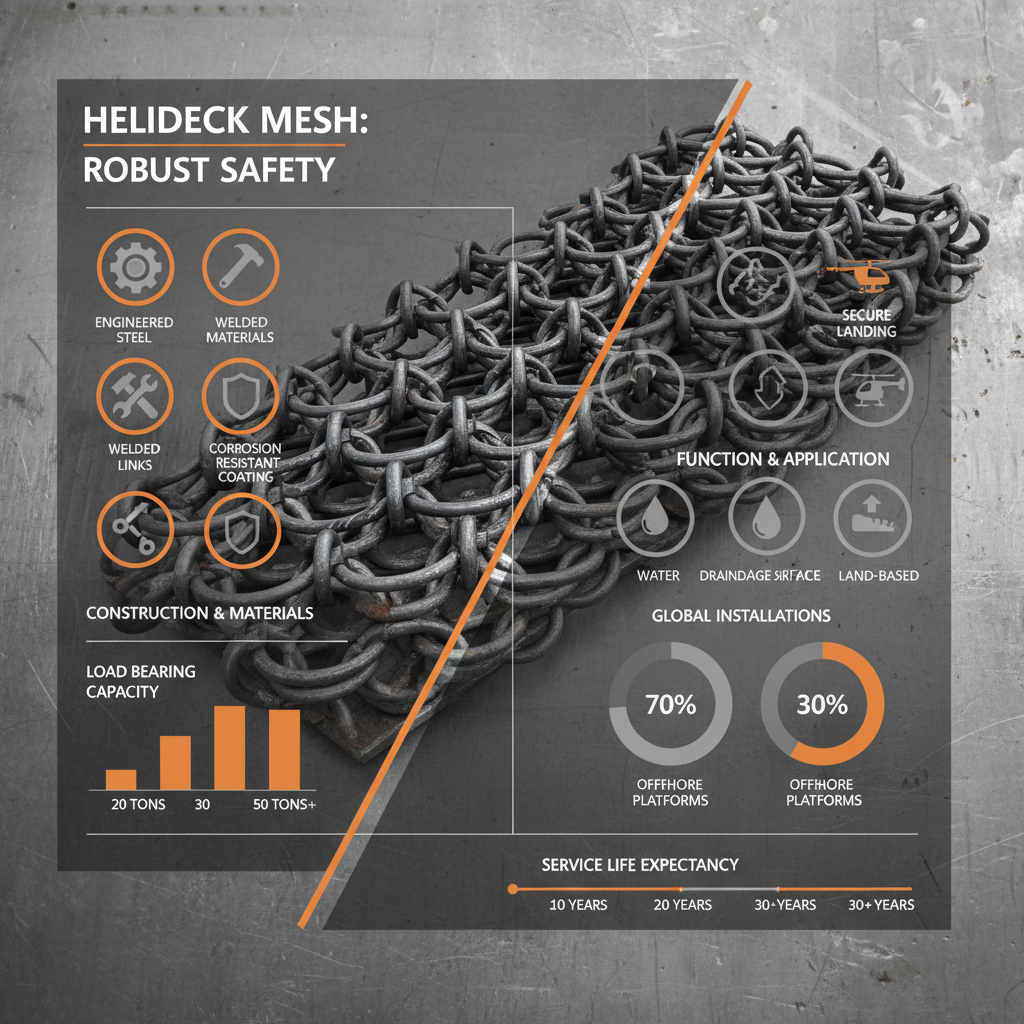
The efficacy of chain link helideck mesh hinges on several key factors, beginning with Durability. Constructed from high-grade stainless steel, the mesh is designed to resist corrosion, fatigue, and the stresses associated with constant helicopter operations. This ensures a long service life and reduces the need for frequent replacements.
Fire Resistance is another crucial characteristic. Helidecks are inherently exposed to potential fire hazards, and the stainless steel construction of the mesh prevents ignition and slows the spread of flames. Furthermore, Load Capacity is paramount; the mesh must withstand the dynamic forces exerted by helicopters during landing and takeoff without deformation.
Chain Link Helideck Mesh Performance Metrics
Global Applications and Use Cases
Chain link helideck mesh finds widespread application in the offshore oil and gas industry, where it’s used on platforms, FPSOs (Floating Production Storage and Offloading vessels), and supply ships to provide safe landing zones for personnel transfer and emergency evacuation. In post-disaster relief operations, it's deployed on temporary helipads to facilitate rapid response and aid delivery to affected areas.
Remote industrial zones, such as mining operations in Canada or Australia, also rely on chain link helideck mesh for safe helicopter access. These operations often lack conventional airport infrastructure, making helicopters the primary mode of transportation. Furthermore, the mesh is crucial for search and rescue (SAR) operations, ensuring safe landing zones for rescue helicopters in challenging environments.
Advantages and Long-Term Value
The tangible benefits of chain link helideck mesh extend beyond safety. The longevity and minimal maintenance requirements translate to significant cost savings over the lifespan of the helideck. Its sustainability is enhanced by the use of recyclable stainless steel and its contribution to reducing the risk of accidents and environmental damage.
Investing in high-quality chain link helideck mesh fosters trust and reinforces a commitment to safety within the organization and among stakeholders. The improved safety record contributes to a positive brand image and enhanced operational reliability. The innovation inherent in its design, constantly evolving to meet increasingly stringent standards, underscores its long-term value.
Future Trends and Innovations
Emerging trends in helideck safety focus on integrating smart technologies into chain link helideck mesh systems. This includes the development of sensors that monitor mesh integrity, detect potential damage, and provide real-time alerts to maintenance personnel. The incorporation of advanced materials, such as high-strength alloys with enhanced corrosion resistance, is also being explored.
Digital transformation is playing a role, with the development of digital twins – virtual replicas of helidecks – that allow for remote monitoring and predictive maintenance. Automation in helideck inspection and maintenance procedures, utilizing drones and robotic systems, promises to improve efficiency and reduce human error. Sustainable manufacturing processes and the utilization of recycled materials will further enhance the environmental footprint of chain link helideck mesh.
FAQS
The lifespan of properly installed and maintained chain link helideck mesh typically ranges from 15 to 25 years, depending on the environmental conditions and the frequency of helicopter operations. Regular inspections and timely repairs are crucial to maximizing its longevity. Choosing a high-quality mesh made from premium stainless steel significantly extends its operational life.
Industry regulations typically require chain link helideck mesh to be inspected at least annually, and more frequently in harsh environments or with high helicopter traffic. Inspections should cover the mesh’s overall condition, including corrosion, damage, and security of fixings. Detailed records of inspections should be maintained for compliance purposes.
316 stainless steel is generally considered the best material for chain link helideck mesh due to its superior corrosion resistance, particularly in marine environments. It contains molybdenum, which enhances its ability to withstand chloride attack. Other grades may be suitable depending on specific environmental factors, but 316 is the industry standard.
Minor damage to chain link helideck mesh can often be repaired by qualified technicians. However, extensive damage may necessitate complete replacement of the affected section. Repairs should always be performed in accordance with manufacturer’s instructions and industry best practices to ensure structural integrity.
Key regulatory standards include CAP 437 from the UK Civil Aviation Authority, which provides detailed guidance on helideck design, construction, and maintenance. International Maritime Organization (IMO) guidelines and national aviation authority regulations also apply. Compliance with these standards is essential for ensuring safe helicopter operations.
Compared to solid helideck surfaces, chain link helideck mesh offers superior drainage, reducing the risk of hydroplaning. It’s also lighter weight and more durable than many composite materials. While other options exist, chain link helideck mesh remains the industry-preferred choice due to its proven reliability, cost-effectiveness, and ease of maintenance.
Conclusion
In conclusion, chain link helideck mesh is a critical safety component for a wide range of industries reliant on helicopter operations. Its durability, fire resistance, and superior drainage capabilities contribute significantly to operational safety and regulatory compliance. Investing in high-quality mesh and adhering to proper maintenance protocols are essential for maximizing its long-term value and protecting personnel and assets.
Looking ahead, the integration of smart technologies and sustainable manufacturing practices will further enhance the performance and environmental footprint of chain link helideck mesh. Continued innovation and a commitment to safety will ensure that it remains the industry standard for years to come. To learn more about how chain link helideck mesh can benefit your operations, visit our website today.