Chain link helipad perimeter safety netting is a critical component in ensuring safe helicopter operations, particularly in challenging environments. Its purpose extends beyond simply marking the helipad; it actively mitigates risks associated with rotor wash, debris kick-up, and unauthorized access. This specialized netting provides a visible barrier and physical protection, essential for both personnel and equipment. Understanding the nuances of its design, installation, and maintenance is paramount for anyone involved in helicopter landing zone management.
Globally, the demand for reliable helipad safety solutions is increasing due to the expansion of industries like offshore oil and gas, emergency medical services (EMS), search and rescue (SAR), and remote logistics. The United Nations, for example, relies heavily on helicopter transport for humanitarian aid and peacekeeping missions, necessitating secure and clearly defined landing zones. Similarly, the growth of rooftop helipads in urban centers requires robust safety measures to protect both the helicopter and surrounding infrastructure. Investing in high-quality chain link helipad perimeter safety netting is an investment in safety and operational efficiency.
The increasing frequency of extreme weather events further underscores the importance of properly secured helipads. Effective safety netting prevents damage from windborne debris and provides a stable environment for helicopter landing and takeoff, even under adverse conditions. As helicopter usage continues to rise, the demand for reliable, durable, and easily deployable safety solutions, such as chain link helipad perimeter safety netting, will only continue to grow.
Introduction to Chain Link Helipad Perimeter Safety Netting
Chain link helipad perimeter safety netting represents a fundamental safety measure for any helicopter landing zone. Properly installed netting provides a crucial barrier against potential hazards, safeguarding personnel, equipment, and the helicopter itself. The selection of the right netting, considering factors like mesh size, wire gauge, and coating, is vital for optimal performance and longevity.
Effective implementation goes beyond simply erecting a barrier. It involves adherence to industry best practices, regular inspections, and proactive maintenance. This ensures the netting remains a reliable safety feature, providing continuous protection throughout its service life. chain link helipad perimeter safety netting is often the first line of defense in preventing accidents.
Global Relevance and Industry Standards
The need for chain link helipad perimeter safety netting is globally recognized, driven by stringent safety regulations and a commitment to minimizing risks in helicopter operations. Organizations like the International Civil Aviation Organization (ICAO) and national aviation authorities establish standards for helipad construction and safety, often referencing the use of perimeter netting. These standards aim to prevent foreign object debris (FOD) from being ingested into helicopter engines, which can cause significant damage.
The oil and gas industry, particularly offshore operations, is a major driver of demand for high-quality helipad safety netting. The remote and often harsh environments necessitate robust safety measures to ensure the safe transport of personnel and equipment. Similarly, EMS and SAR operations rely on secure helipads, especially in emergency situations where quick and safe landings are critical.
Furthermore, the increasing use of helipads in urban areas, such as hospitals and corporate facilities, necessitates compliance with local regulations and a focus on public safety. Ignoring these standards can lead to significant legal and financial repercussions. The consistent application of quality chain link helipad perimeter safety netting ensures adherence to these vital standards.
Defining Chain Link Helipad Perimeter Safety Netting
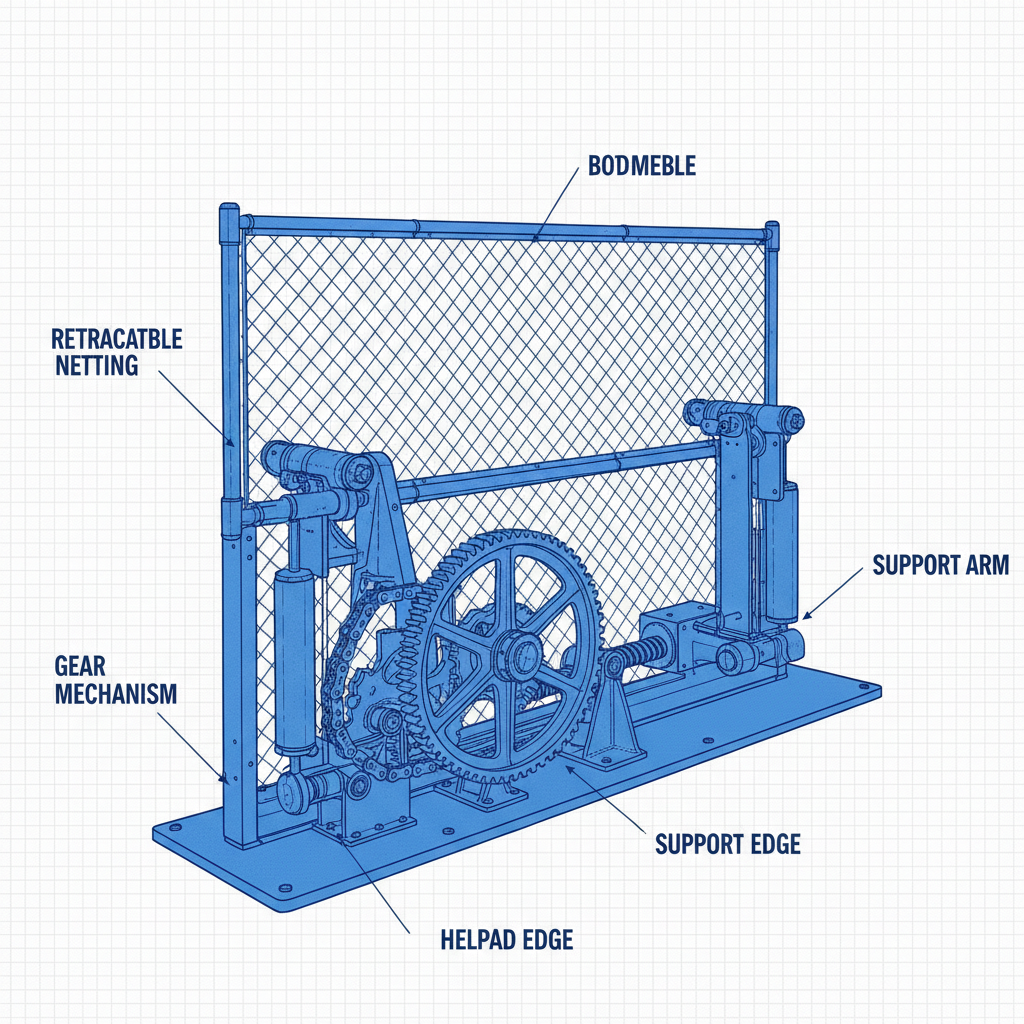
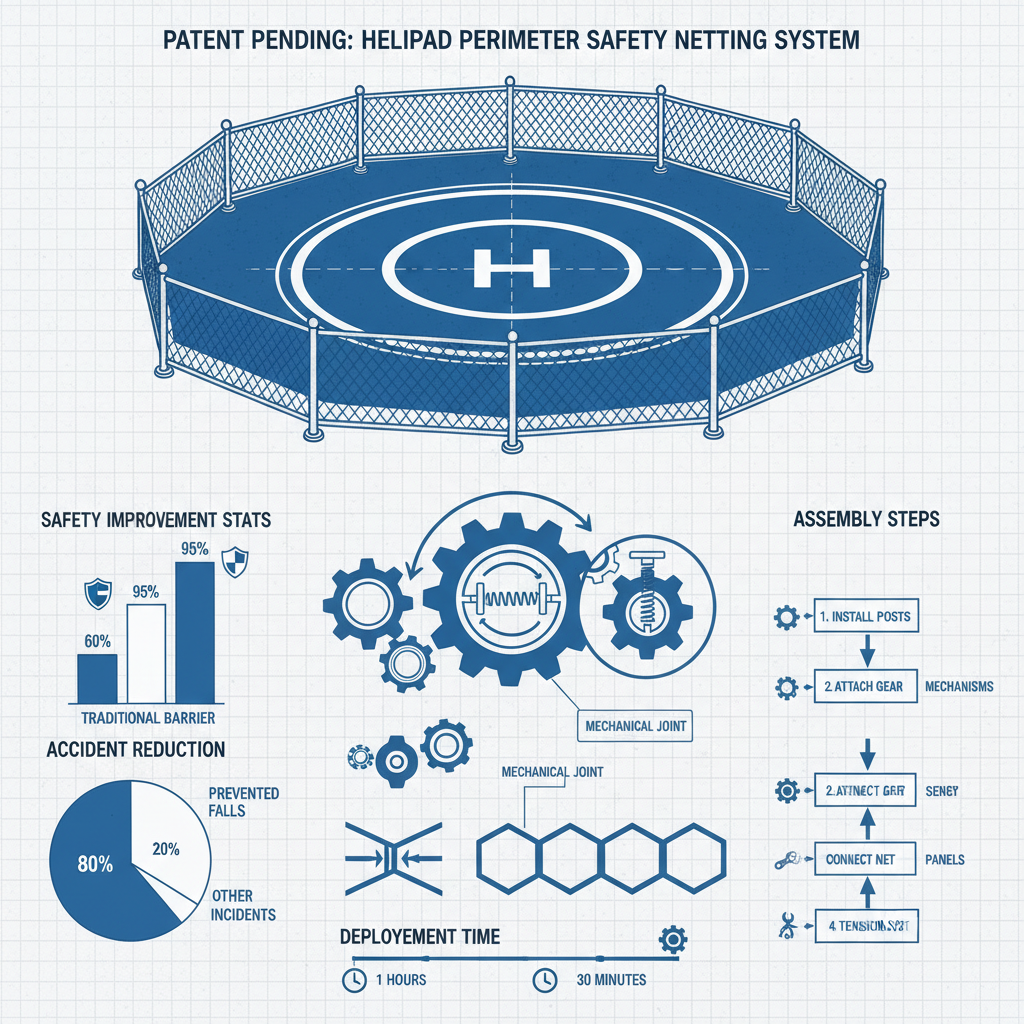
Chain link helipad perimeter safety netting is a system designed to contain debris, prevent unauthorized access, and provide a visual barrier around a helicopter landing zone. It typically consists of galvanized or coated chain link fabric, supported by posts and tension wires. The netting is strategically positioned to deflect rotor wash and contain any loose objects that could pose a hazard to the helicopter or personnel.
Modern chain link helipad perimeter safety netting systems often incorporate additional features such as warning signage, windbreaks, and lighting to enhance safety and visibility. The materials used are selected for their durability, resistance to corrosion, and ability to withstand harsh weather conditions. The system must meet specific height and strength requirements dictated by regulatory bodies.
The evolution of this technology stems from a need to adapt to the increasing demands of helicopter operations and the inherent risks involved. Historically, basic barriers were used, but these lacked the effectiveness and safety features of today’s sophisticated chain link helipad perimeter safety netting solutions. It's an example of safety engineering directly addressing real-world needs.
Core Components and Critical Factors
Several key factors determine the effectiveness and longevity of chain link helipad perimeter safety netting. Durability is paramount; the netting must withstand exposure to the elements, including wind, rain, and UV radiation. Scalability refers to the ability to customize the system to fit various helipad sizes and configurations.
Cost efficiency is also a critical consideration, balancing initial investment with long-term maintenance costs. Proper installation, utilizing appropriately sized and spaced posts and tension wires, is crucial for structural integrity. Finally, compliance with relevant safety standards ensures the netting meets necessary performance criteria.
Performance Metrics of Chain Link Helipad Perimeter Safety Netting
Global Applications and Real-World Use Cases
Chain link helipad perimeter safety netting finds widespread application across diverse industries and regions. In post-disaster relief operations, quickly deployable netting systems are crucial for establishing temporary helipads to facilitate the delivery of aid and evacuation of personnel. In remote industrial zones, such as mining and construction sites, secure helipads are essential for logistical support and worker transport.
The offshore oil and gas sector relies heavily on chain link helipad perimeter safety netting for crew changes and emergency evacuations from platforms. Hospitals and medical facilities utilize helipads for air ambulance services, demanding the highest levels of safety and reliability. chain link helipad perimeter safety netting ensures compliance with strict aviation regulations.
Advantages and Long-Term Value Proposition
Investing in chain link helipad perimeter safety netting offers a multitude of benefits. Cost-effectively mitigating risk is a primary advantage, reducing the potential for costly accidents and downtime. The durability of high-quality netting minimizes maintenance requirements and extends the system's lifespan. Furthermore, providing a safe and secure landing zone enhances operational efficiency and protects valuable assets.
From a social impact perspective, prioritizing helipad safety demonstrates a commitment to the well-being of personnel and the surrounding community. Building trust and ensuring responsible operations are crucial for maintaining a positive reputation and fostering long-term sustainability. This represents a sound investment with both tangible and intangible returns.
Future Trends and Innovations in Helipad Safety
The future of chain link helipad perimeter safety netting is likely to be shaped by advancements in materials science, sensor technology, and automation. The development of lighter, stronger, and more corrosion-resistant netting materials will enhance performance and reduce maintenance costs. Integrating sensors into the netting system can provide real-time monitoring of structural integrity and environmental conditions.
Automation of installation and inspection processes will improve efficiency and reduce labor costs. Moreover, the increasing focus on sustainability will drive demand for eco-friendly netting materials and responsible manufacturing practices. Digitalization and the use of drone technology for inspection purposes are also anticipated to gain prominence.
The integration of smart technology and predictive maintenance will be key aspects of future helipad safety systems, ensuring continuous protection and minimizing risks. Continued innovation in chain link helipad perimeter safety netting will remain a priority as the demand for safe and reliable helicopter operations grows.
Summary of Factors Influencing Chain Link Helipad Perimeter Safety Netting Performance
| Material Quality |
Installation Technique |
Environmental Factors |
Maintenance Schedule |
| Galvanization level and wire gauge |
Post spacing and tension wire integrity |
Wind load and corrosive elements |
Regular inspections for damage and wear |
| Coating type and UV resistance |
Anchor point stability and ground conditions |
Temperature fluctuations and ice accumulation |
Prompt repair of any identified issues |
| Tensile strength and break load |
Compliance with industry standards (e.g., ICAO) |
Exposure to salt spray and marine environments |
Lubrication of moving parts and hardware |
| Resistance to abrasion and impact |
Proper grounding and lightning protection |
Potential for vegetation growth and obstruction |
Periodic cleaning to remove debris and contaminants |
| Long-term durability and lifespan |
Workmanship and attention to detail |
Impact of extreme weather events (e.g., hurricanes) |
Documented inspection records and maintenance logs |
| Overall cost-effectiveness and value |
Adherence to manufacturer’s specifications |
Impact of bird strikes and wildlife interference |
Replacement of worn or damaged components |
FAQS
The lifespan of chain link helipad perimeter safety netting varies depending on the materials used, environmental conditions, and maintenance practices. Typically, galvanized steel netting can last 10-15 years with proper care. Coatings like PVC can extend this lifespan to 20 years or more. Regular inspections and timely repairs are crucial for maximizing the netting's longevity and ensuring continued safety. Factors such as salt spray exposure in coastal areas will accelerate corrosion and reduce lifespan.
When selecting a supplier, prioritize experience, reputation, and adherence to industry standards (like ICAO). Verify that the supplier offers high-quality materials, provides detailed product specifications, and can offer professional installation guidance. Look for suppliers who offer customized solutions to meet your specific helipad requirements. It’s also important to consider post-sale support and warranty options, demonstrating the supplier’s commitment to customer satisfaction and product reliability.
Chain link helipad perimeter safety netting should be inspected at least twice a year – ideally, in the spring and fall – to identify potential damage or deterioration. More frequent inspections may be necessary in harsh environments or after extreme weather events. Inspections should focus on checking for corrosion, broken wires, loose connections, and proper tension. Document all inspections and repairs to maintain a clear maintenance record.
The recommended height for chain link helipad perimeter safety netting typically ranges from 8 to 12 feet (2.4 to 3.7 meters), depending on local regulations and specific operational requirements. The height should be sufficient to contain rotor wash and prevent unauthorized access while also providing clear visibility for pilots. Consult with aviation authorities and qualified helipad installers to determine the optimal height for your specific location.
When properly installed and maintained, chain link helipad perimeter safety netting can provide significant protection in high-wind conditions. The netting helps to deflect wind gusts and prevent debris from being blown around the helipad. Choosing a netting with a high tensile strength and secure anchoring is crucial for withstanding strong winds. Consider adding windbreaks or additional reinforcement in areas prone to extreme weather.
Coated chain link fencing, such as PVC-coated, offers superior corrosion resistance compared to standard galvanized steel. This is particularly important in coastal environments or areas with high humidity. Coatings also provide added protection against UV degradation and abrasion, extending the lifespan of the netting. While coated netting may have a higher initial cost, the long-term benefits of reduced maintenance and increased durability often outweigh the expense.
Conclusion
Chain link helipad perimeter safety netting is an indispensable component of safe and efficient helicopter operations. Its ability to mitigate risks, protect personnel, and ensure compliance with industry standards makes it a vital investment for a wide range of organizations and applications. By understanding the core components, global relevance, and future trends surrounding this technology, stakeholders can make informed decisions to optimize helipad safety and operational performance.
Looking ahead, continued innovation in materials, sensor technology, and automation will further enhance the effectiveness and reliability of chain link helipad perimeter safety netting. Prioritizing proactive maintenance, regular inspections, and adherence to best practices will be crucial for maximizing the long-term value and ensuring a safe operating environment. For reliable and high-quality solutions, visit our website: www.hfpetromesh.com