Helideck safety nets are crucial components in ensuring safe helicopter operations to and from offshore platforms, hospitals, and other landing areas. Their importance stems from the inherent risks associated with helicopter travel, including downdraft, debris ingestion, and potential slippage. A properly installed and maintained helideck safety net significantly mitigates these risks, protecting personnel, equipment, and the environment. Understanding the nuances of these safety systems is vital for anyone involved in helicopter operations and helideck management.
Globally, the demand for robust helideck safety solutions is steadily increasing, driven by the expanding offshore energy sector, the growing need for emergency medical services accessible by helicopter, and stricter regulatory requirements. Organizations like the International Civil Aviation Organization (ICAO) and national aviation authorities (e.g., FAA, EASA) have established guidelines and standards for helideck safety, emphasizing the role of nets in preventing accidents. Ignoring these standards can lead to substantial financial penalties and, more importantly, tragic consequences.
The core benefit of a well-implemented helideck safety net system is the reduction of hazards. By containing debris, providing a visual cue for landing, and absorbing some impact energy, these nets create a safer operating environment. This translates into fewer incidents, reduced downtime, and increased confidence in helicopter operations, ultimately contributing to a more efficient and reliable workflow.
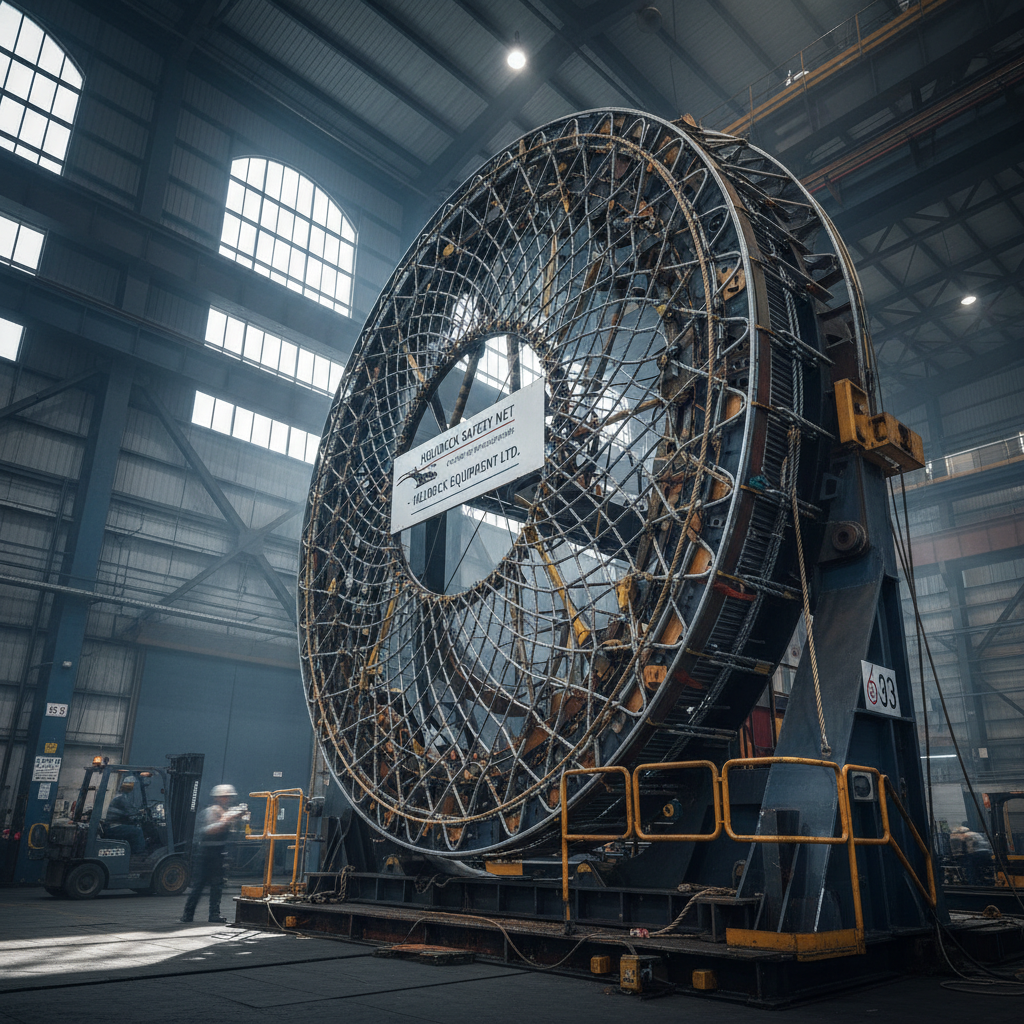
Introduction to Helideck Safety Nets
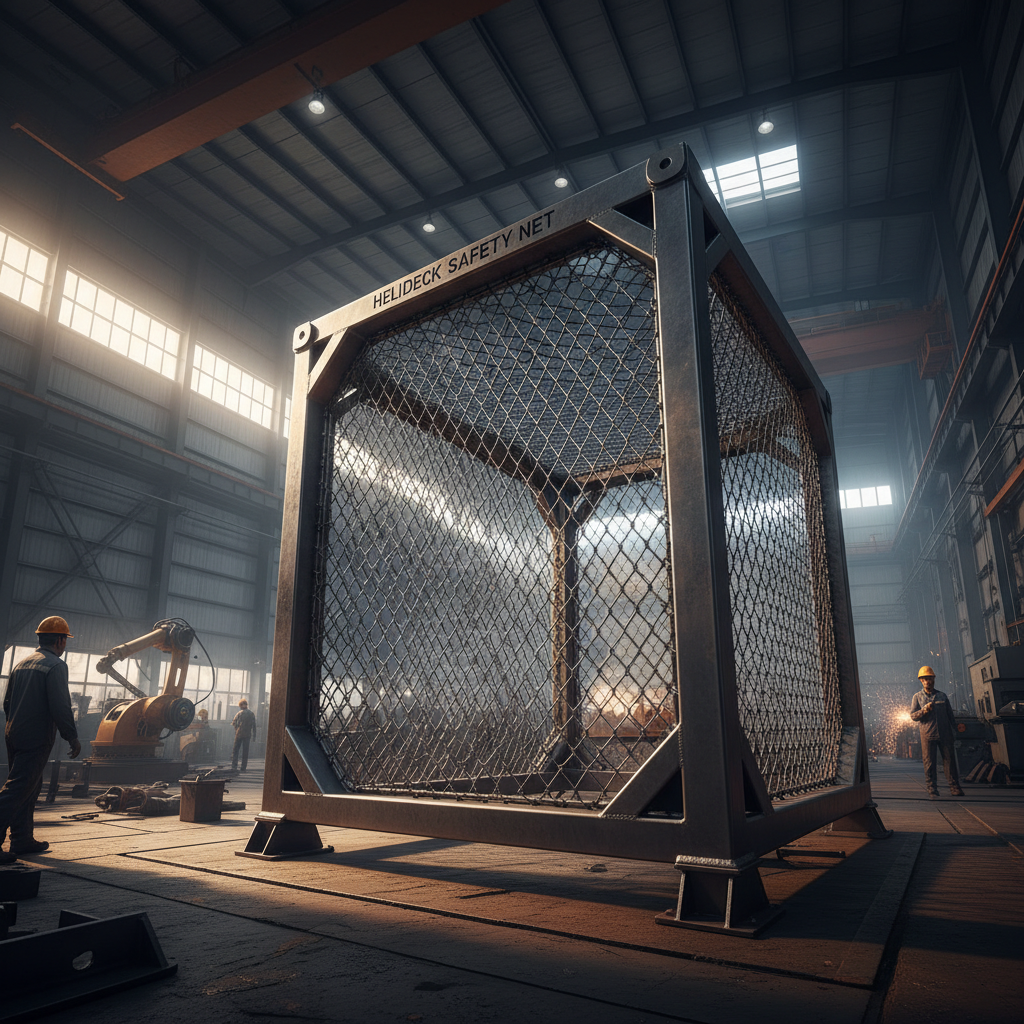
A helideck safety net isn’t merely a physical barrier; it’s a critical layer of protection in a complex operational environment. These nets are designed to contain debris generated by helicopter rotor wash, preventing it from becoming a projectile hazard to personnel or causing damage to the helicopter itself. Modern nets are constructed from high-strength materials and engineered to withstand significant stress and environmental exposure.
Beyond debris containment, a helideck safety net can improve visual cues for pilots during landing and take-off, especially in challenging weather conditions. The net's colour contrast with the helideck surface enhances situational awareness, contributing to a more controlled and precise landing. Ultimately, they are an essential element of a comprehensive helideck safety management system.
FAQS
Helideck safety nets are predominantly constructed from high-tenacity synthetic fibers, such as high-modulus polyethylene (HMPE) and polyester. HMPE is favoured for its exceptional strength-to-weight ratio, ultraviolet (UV) resistance, and low moisture absorption. Polyester offers good all-around performance and cost-effectiveness. The chosen material must withstand harsh weather conditions, abrasion, and the forces generated by helicopter downwash, ensuring long-term reliability and safety. These materials provide the necessary durability and resilience for continuous operation in demanding environments.
Helideck safety nets should undergo a comprehensive inspection at least every six months, or more frequently depending on operational intensity and environmental conditions. Inspections should cover the entire net structure, including the mesh, attachment points, and supporting hardware. Look for signs of wear, tear, corrosion, or damage. Detailed records of inspections and any repairs performed are vital for maintaining a robust safety management system. Regular inspections ensure early detection of potential issues, preventing costly repairs and maintaining operational safety.
The lifespan of a helideck safety net typically ranges from 5 to 10 years, depending on several factors, including material quality, environmental exposure, and maintenance practices. Nets exposed to harsh UV radiation, saltwater, or extreme temperatures may have a shorter lifespan. Regular inspections and prompt repairs can extend the net’s useful life. Replacing the net proactively, based on inspection findings and manufacturer recommendations, ensures continued safety and compliance with industry standards.
Proper installation is critical for the net’s effectiveness. It should be carried out by qualified and certified technicians following the manufacturer’s instructions precisely. The attachment points must be structurally sound and capable of withstanding the forces generated by helicopter downwash. Ensure the net is securely anchored and properly tensioned to prevent sagging or movement. Documentation of the installation process, including photographs and inspection reports, is highly recommended.
Yes, several organizations establish regulations and guidelines for helideck safety nets. The International Civil Aviation Organization (ICAO) provides international standards, while national aviation authorities like the FAA (United States) and EASA (Europe) have their own specific requirements. These regulations often cover net material specifications, installation procedures, inspection frequency, and maintenance protocols. Compliance with these standards is crucial for safe helicopter operations and avoiding potential penalties.
The color of the helideck safety net plays a significant role in enhancing pilot situational awareness. High-visibility colors, such as bright yellow or orange, provide a clear visual cue for landing, particularly in low-light conditions or challenging weather. The net’s color should contrast sharply with the helideck surface to maximize visibility and minimize the risk of misidentification. Choosing the appropriate color is a simple yet effective measure for improving helideck safety.
Conclusion
In conclusion, the helideck safety net stands as a cornerstone of safe helicopter operations, providing a critical layer of protection against debris, enhancing visual cues for pilots, and safeguarding personnel and equipment. From the demanding environments of offshore oil platforms to the vital services of emergency medical transport, the benefits of a well-maintained net are undeniable, encompassing cost savings, environmental responsibility, and, most importantly, the preservation of life. Investing in quality nets and diligent maintenance practices is not simply a regulatory requirement, but a proactive commitment to safety.
Looking ahead, continued innovation in materials science, sensor technology, and automation promises to further enhance the effectiveness and reliability of helideck safety nets. Integrating these advancements into comprehensive safety management systems will be crucial for maintaining the highest standards of operational safety. We encourage you to explore the latest solutions and best practices available to ensure the ongoing safety of your helicopter operations. Visit our website at www.hfpetromesh.com to learn more.
Related Posts
-
Expert Insights from a Steel Grating Company on Prefabrication and Material Quality
-
Exploring the Versatility and Applications of Mild Steel Grating in Modern Infrastructure
-
Understanding Heavy Duty Steel Grating Price and Quality Considerations
-
Industrial Galvanised Grating Price Guide and Market Factors