You know, these days everyone's talking about lightweight, high-strength materials. It's all the buzz at every site I visit. Seems like everyone's chasing the same thing – less weight, more durability. To be honest, it's a good trend. We're all getting older, and lugging heavy stuff around just isn’t appealing anymore. But chasing trends blindly…that’s where you get burned.
I've noticed a lot of designers get caught up in the specs and forget about the real world. They’ll specify some exotic alloy that looks amazing on paper, but is a nightmare to weld or cut on site. And don't even get me started on coatings! So many times I’ve seen a beautifully powder-coated part get scratched the moment a wrench touches it. It's frustrating, really.
We primarily work with high-tensile steel, mostly Q345B. Good stuff. You can smell it, you know? That metallic tang when you cut it. It's not fancy, but it’s reliable. Then we’ve got the aluminum alloys – 6061, 7075… Feel different, lighter, obviously. And strangely, the aluminum always feels… colder. Makes a difference when you’re working with it all day. We also use some composite materials now, carbon fiber primarily. That stuff is amazing, but it’s also brittle. You have to be really careful with it.
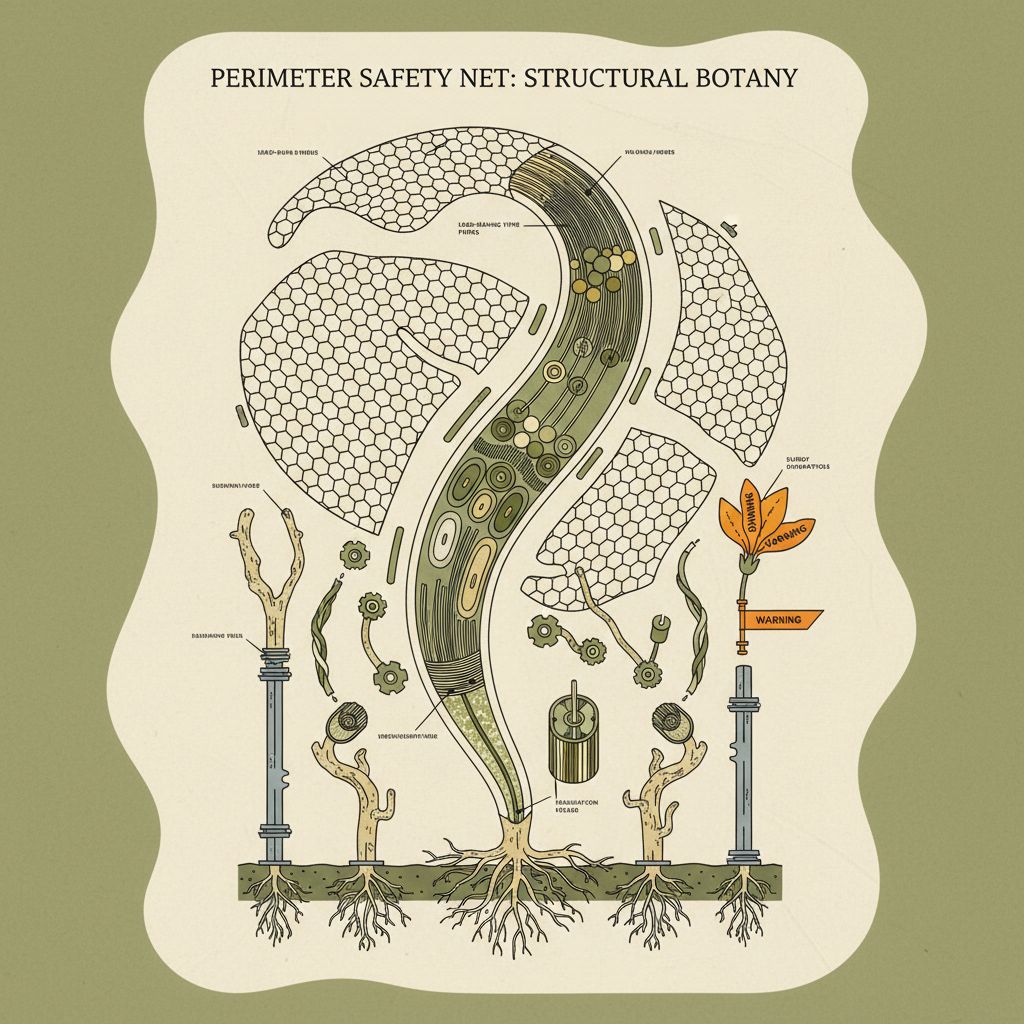
Industry Trends & Design Pitfalls
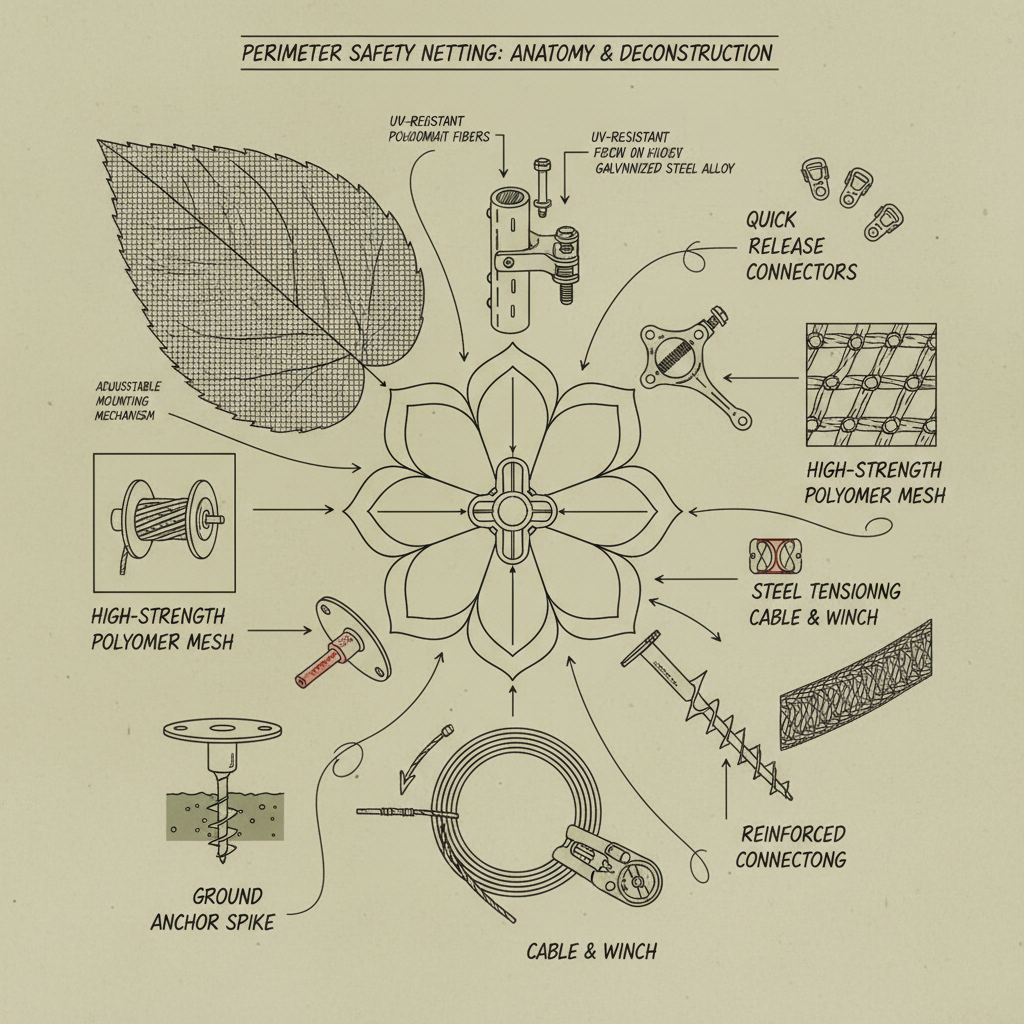
It’s all about prefabrication now, right? Everyone wants things modular, quick to assemble. Makes sense, saves time and labor. But I’ve seen designs where the connections are…well, they're just asking for trouble. Too many small parts, flimsy fasteners. You need robust connections, things that can take a beating. Later… Forget it, I won't mention it.
And the software! Everyone’s relying on simulations these days. Fine, simulations are useful, but they're not reality. I encountered this at a factory in Ningbo last time - a designer had simulated a load test and everything looked perfect. But when we actually built it and put a load on it, the whole thing buckled. It turned out the simulation didn't account for the slight variations in material thickness. Always build a prototype. Always.
FAQS
Honestly, it’s underestimating the dynamic loads. People focus on static weight, but forget about wind, vibrations, and impacts. These can quickly overwhelm a system that's only designed for static loads. We always add a safety factor of at least 2 for dynamic loads, and sometimes more depending on the application. It's better to be safe than sorry, especially when lives are on the line.
Crucial. Absolutely crucial. I’ve seen entire structures fail because of a bad batch of bolts. Don't skimp on fasteners. Use high-grade, corrosion-resistant fasteners and make sure they're properly tightened. Torque wrenches are your friend. And always, always double-check the specifications. A seemingly minor difference in thread pitch can make a huge difference.
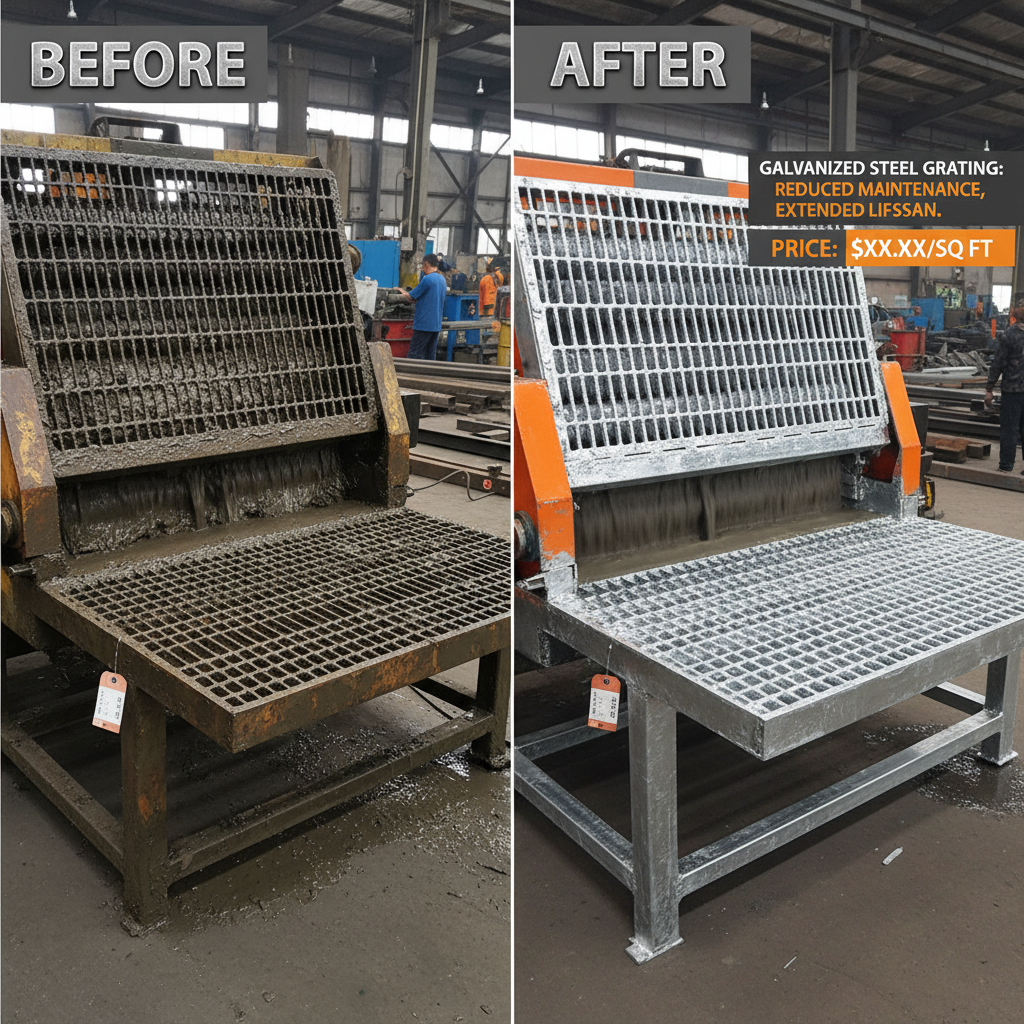
Galvanizing is a good start, but it’s not a silver bullet. Regularly inspect the steel for signs of rust and touch up any damaged areas with a corrosion-inhibiting paint. And keep it clean! Dirt and debris can trap moisture and accelerate corrosion. Also, consider using sacrificial anodes in particularly harsh environments. They corrode instead of the steel, protecting it from damage.
Pretty much. We’ve done everything from small enclosures to massive support structures. The key is to have a clear understanding of the requirements – load capacity, dimensions, environmental conditions. We’ll then design a system that meets those requirements. The more detailed the specifications, the better. We can also provide CAD drawings and 3D models to help visualize the finished product.
Lack of readily available data. You can find all the specs you want, but that doesn't always translate to real-world performance. That's why we always do our own testing. It takes time and money, but it’s essential to ensure that the material will hold up under the stresses it will encounter in the field. And getting workers to trust new materials can also be a challenge. They’re used to working with steel, so it takes time to convince them that something different is just as good.
We have a strict quality control process. We only work with suppliers we trust, and we regularly inspect their materials to ensure they meet our specifications. We also do our own testing on incoming materials. If we find any discrepancies, we reject the shipment. It's a pain, but it's better to be safe than sorry. And we always keep a buffer stock of materials from multiple suppliers to mitigate the risk of disruptions.
Conclusion
So, what does it all boil down to? It’s about finding the right balance between cost, performance, and durability. There's no one-size-fits-all solution. It’s about understanding the specific requirements of each project and choosing the materials and designs that will best meet those needs. We need to learn from the field – that's where the real answers are.
Ultimately, whether this thing works or not, the worker will know the moment he tightens the screw. If it feels right, if it looks solid, then you're on the right track. And if it doesn't? Well, then you go back to the drawing board. That's just the way it is. If you're looking for a reliable system, visit us at www.hfpetromesh.com.
Related Posts