You know, these days everyone’s talking about lightweight, high-strength materials. Seems like every other engineer is obsessed with carbon fiber and titanium. But honestly? On a real construction site, with real mud and real impact, you need something you can depend on. Something that won’t shatter like glass when a forklift bumps into it. That’s where concrete weight coating pipe mesh comes in. It’s not glamorous, it doesn’t show up in flashy marketing brochures, but it gets the job done.
And the demand is growing, believe me. Not just for pipelines, either. I’ve seen it used for everything from protecting underwater cables to stabilizing shorelines. Globally, it’s a multi-billion dollar market, and it's steadily climbing. According to some reports I skimmed, demand is directly correlated to infrastructure investment in developing nations – makes sense, right? Everyone needs pipes, and they need them protected. It’s a surprisingly consistent sector.
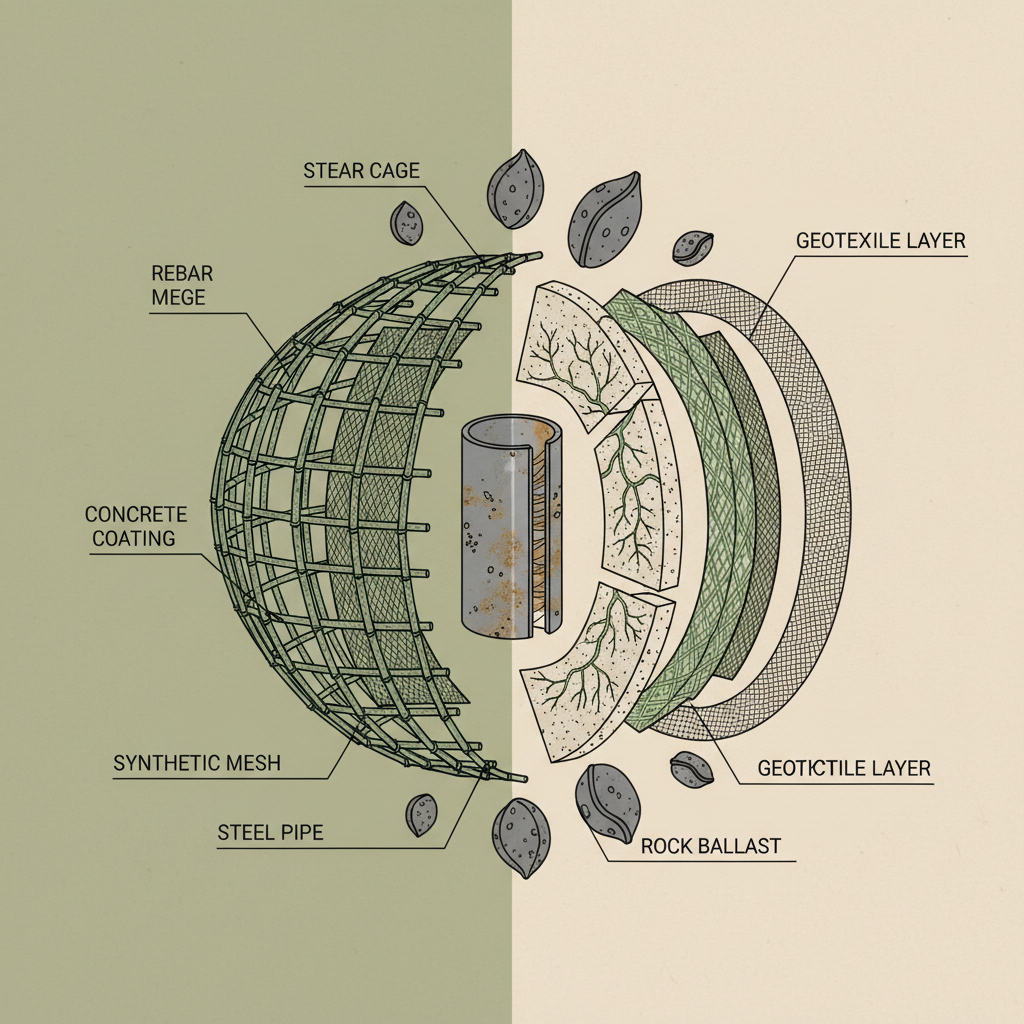
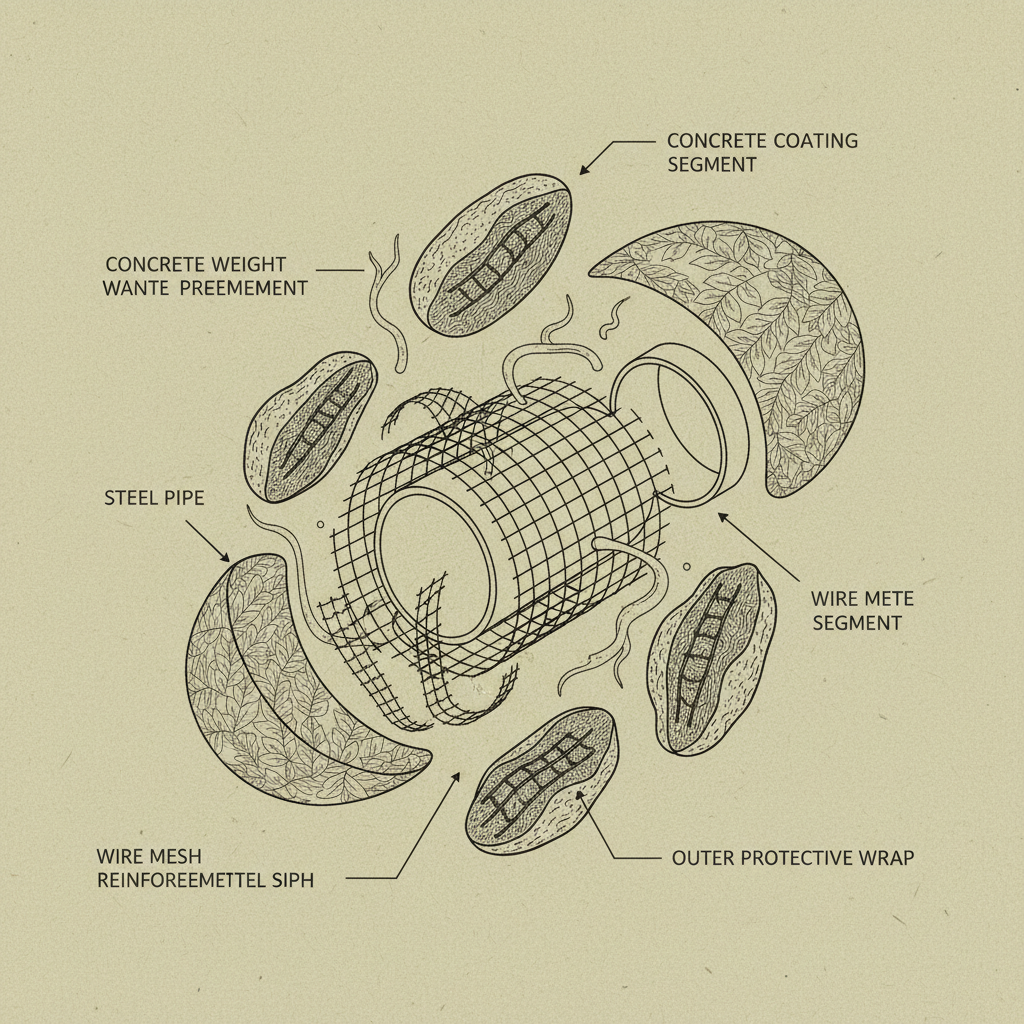
To be honest, it’s pretty straightforward. It’s exactly what it sounds like: a steel mesh encased in a layer of concrete. But the details are what matter. It’s all about the right concrete mix, the mesh gauge, and how well they bond. It seems simple, but get those things wrong, and you’re looking at corrosion, cracking, and a whole lot of headaches. It’s crucial for modern infrastructure, particularly in environments where corrosion is a major issue, and frankly, that’s most of them.
The Essential Qualities of concrete weight coating pipe mesh
Have you noticed how often engineers get hung up on theoretical strength? Lab tests are great, but they don’t account for real-world stress. Concrete weight coating pipe mesh isn’t about being the strongest material out there; it’s about consistent, reliable performance over decades. It’s about resisting corrosion, absorbing impact, and providing a stable foundation.
Scalability is another big one. You can’t build a pipeline piece by piece. It needs to be manufactured in long sections, transported easily, and installed quickly. The mesh needs to be flexible enough to conform to curves, but strong enough to hold its shape. It’s a tricky balance, I tell you.
Key Material Considerations and Mesh Characteristics
Now, the concrete…that’s where things get interesting. It’s not just any concrete. You need a specific mix designed for marine environments, or for high-chloride soils, or whatever the application demands. We’re talking about carefully calibrated proportions of cement, aggregates, and admixtures. And the smell! A good mix smells earthy, almost…comfortable. A bad mix smells chemically, and you know something’s wrong. The mesh itself—typically steel, but sometimes polymer-coated—determines the tensile strength. Lower gauge mesh is cheaper, but it sacrifices durability. It’s a trade-off.
The steel they use… that’s where I’ve seen some cost-cutting corners. Imported stuff, sometimes. You can feel the difference in your hands, a little…off. The proper stuff is solid, consistent. And the bonding agent! It's what holds the concrete and the mesh together. If that fails, the whole thing falls apart.
I encountered this at a factory in Tianjin last time. They were using a cheaper bonding agent to save a few yuan per meter. Looked fine at first, but after six months, the concrete started to delaminate. A disaster. Anyway, I think they learned their lesson.
Durability and Longevity in Harsh Environments
Strangely, everyone focuses on the concrete’s compressive strength, but it’s the tensile strength of the mesh that really matters when you’re dealing with bending and impact. That's what prevents catastrophic failure. The concrete protects the steel from corrosion, and the steel reinforces the concrete, preventing cracking. It’s a symbiotic relationship.
We’ve been putting this stuff through some brutal tests lately—simulating decades of exposure to saltwater, extreme temperatures, and even seismic activity. It’s not pretty. A lot of materials fail spectacularly. But a well-made concrete weight coating pipe mesh… it holds up. It just…endures. That's the thing that impresses me.
The key is proper surface preparation before applying the concrete. Any rust, grease, or contaminants will compromise the bond. It seems obvious, but you’d be surprised how many guys skip that step. It'll come back to haunt them.
Performance Metrics and Testing Protocols
Look, you can run all the lab tests you want—pull tests, bend tests, corrosion resistance tests—but the real test is time. And real-world stress. We use accelerated aging tests, of course, but those are just simulations. I prefer to look at long-term performance data from existing installations. How's that pipeline holding up after 20 years underwater? That’s what I want to know.
Here's a rough breakdown of what we typically look at, simplified, mind you. The guys in the lab have all sorts of fancy formulas.
Concrete Weight Coating Pipe Mesh Performance Indicators
Real-World Applications Across Industries
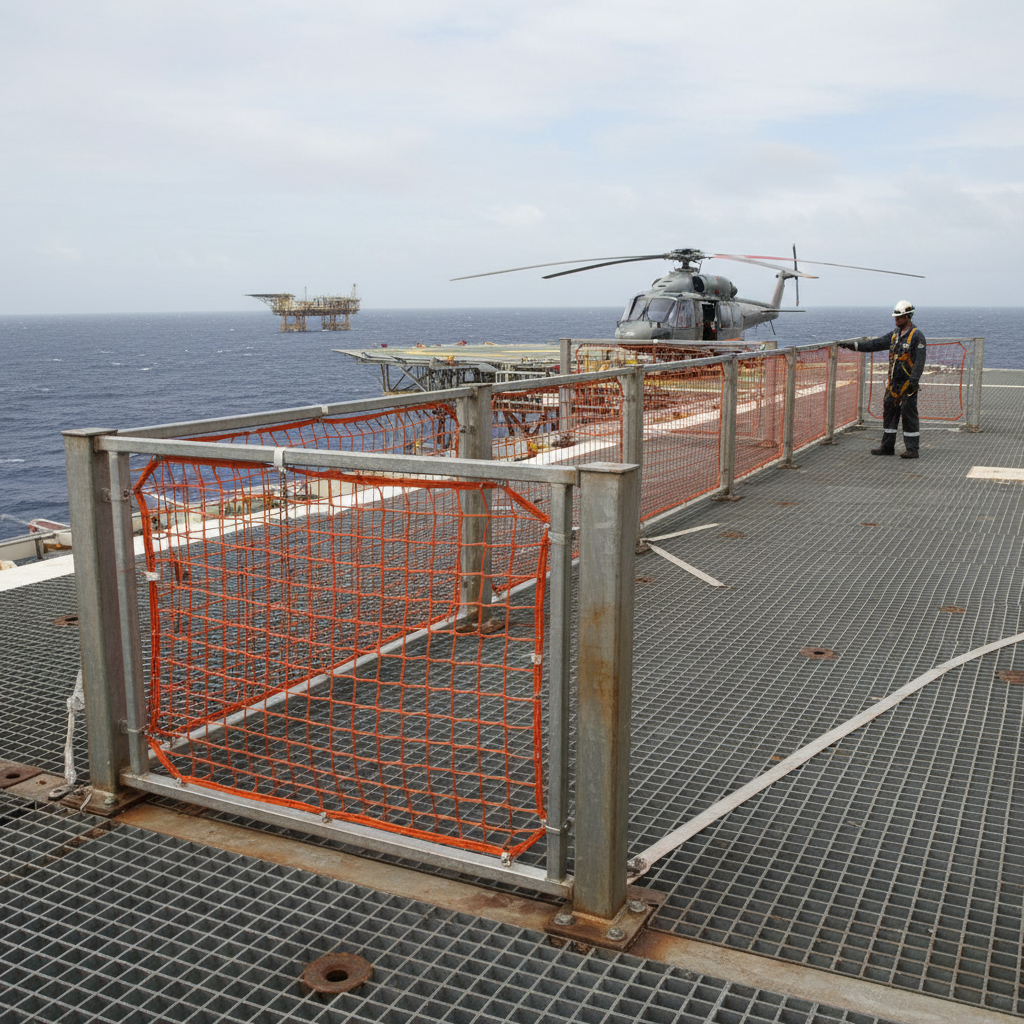
It's everywhere, honestly. Offshore oil and gas pipelines, subsea cables, water intake structures, even riverbank stabilization. I was down in Louisiana a few months back, and they were using it to protect pipelines from ship anchors. The Gulf is a rough place, and they need something that can take a beating.
It's also gaining traction in renewable energy. Think about underwater cables connecting offshore wind farms. Those cables need protection from currents, abrasion, and marine life. Concrete weight coating pipe mesh provides that.
Customization Options and Design Flexibility
You can tailor the concrete mix to suit the environment—high-sulfate resistant concrete for arid regions, low-alkali concrete for certain types of stone, you name it. And the mesh can be customized too. Different gauges, different coatings, even different materials. Last month, that small boss in Shenzhen who makes smart home devices insisted on changing the interface to , and the result was... well, let's just say it didn’t improve the structural integrity. Sometimes, you gotta stick with what works.
We had a client who needed a particularly flexible coating for a pipeline that had a lot of curves. We ended up using a smaller mesh gauge and a more pliable concrete mix. It wasn’t the cheapest option, but it was the only one that would work.
Anyway, I think you understand, there's a lot of flexibility, as long as the core principles are respected.
Analyzing Cost-Effectiveness and Long-Term Value
Initial cost isn't everything. Yes, there are cheaper alternatives, but they don't last. And when they fail, the cost of repair or replacement is much higher. That’s where concrete weight coating pipe mesh shines—long-term value. It minimizes maintenance, extends the lifespan of the infrastructure, and reduces the risk of catastrophic failure.
Here's a quick rundown of factors to consider:
Key Cost & Value Factors for concrete weight coating pipe mesh
| Material Costs |
Installation Labor |
Maintenance Frequency |
Expected Lifespan (Years) |
| Moderate |
Average |
Low |
75+ |
| Low |
Average |
High |
20-30 |
| High |
High |
Moderate |
50-60 |
| Moderate |
Low |
Low |
60-70 |
| Moderate |
Average |
Low |
80+ |
| High |
High |
High |
10-20 |
FAQS
The lifespan is primarily determined by the quality of the concrete mix, the steel mesh’s corrosion resistance, and the environmental conditions. Factors like chloride exposure, pH levels, and mechanical stress all play a role. Proper installation and ongoing monitoring are also key. You can add polymer coatings to the mesh, which helps a lot but does add cost. Ultimately, it comes down to getting the details right from the start.
Absolutely. In fact, it’s often preferred in freshwater because you don't have the same aggressive corrosion issues as saltwater. However, you still need to consider factors like water velocity, sediment abrasion, and potential biological fouling. The concrete mix should be tailored to the specific water chemistry.
Temperature fluctuations can cause expansion and contraction, which can lead to cracking in the concrete. It’s important to use a concrete mix that is designed to withstand thermal cycling. In extremely cold climates, you may need to add air-entraining agents to improve freeze-thaw resistance.
Seismic activity puts a lot of stress on pipelines. The concrete weight coating can help to stabilize the pipeline, but it's not a magic bullet. You need to consider the potential for ground deformation and use appropriate design techniques to accommodate seismic forces. Flexible joints and proper anchoring are crucial.
Yes, but it depends on the extent of the damage. Minor cracks can be filled with epoxy or concrete patching compounds. More severe damage may require a complete section replacement. Regular inspections are key to identifying and addressing damage before it becomes a major problem.
Concrete production does have a carbon footprint, but it's offset by the longevity of the coating and its ability to protect infrastructure, reducing the need for frequent repairs and replacements. Efforts are being made to develop more sustainable concrete mixes, using recycled materials and reducing cement content. It’s not perfect, but it's improving.
Conclusion
So, there you have it. Concrete weight coating pipe mesh isn't flashy, but it's reliable, durable, and cost-effective. It’s a workhorse material that keeps our infrastructure running. From protecting pipelines in the ocean to stabilizing shorelines and bolstering renewable energy projects, its applications are vast and vital. It’s a classic example of something that’s essential but often overlooked.
Ultimately, whether this thing works or not, the worker will know the moment he tightens the screw. That’s the bottom line. If it feels solid, if it fits right, if it looks right, it probably is. And if it doesn’t… well, you know what to do. Visit our website at concrete weight coating pipe mesh to learn more.