To be honest, things are moving fast these days. Everyone's talking about lightweighting, high strength, and, of course, sustainability. It’s all well and good in the boardroom, but out on the sites? It’s a whole different story. You quickly learn what actually holds up, and what’s just marketing fluff. Lately, the big push is towards more modular designs, prefabrication… basically, anything to get things done quicker and with less manpower. But then you run into issues with transport, installation, and making sure everything actually fits together when it gets there. Have you noticed how often things are slightly off? Just a millimeter here, half a degree there… it adds up.
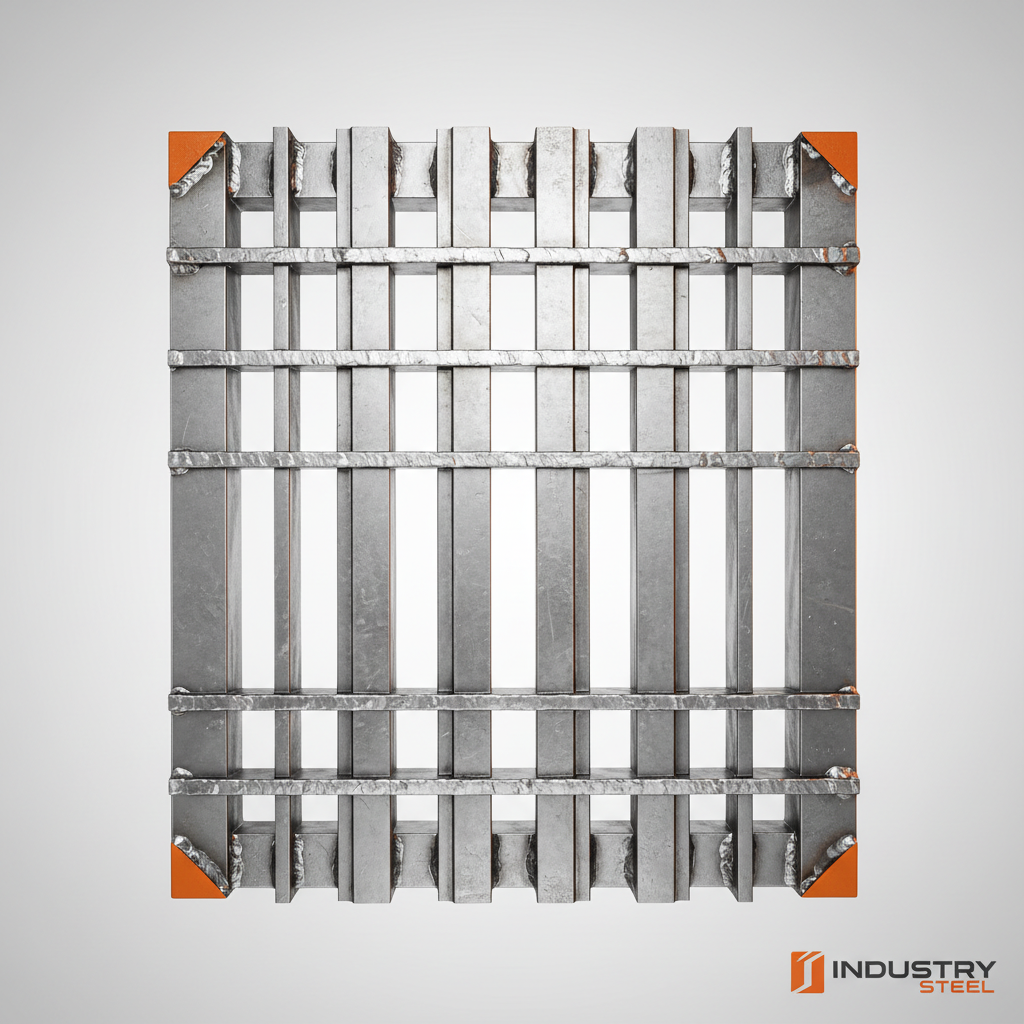
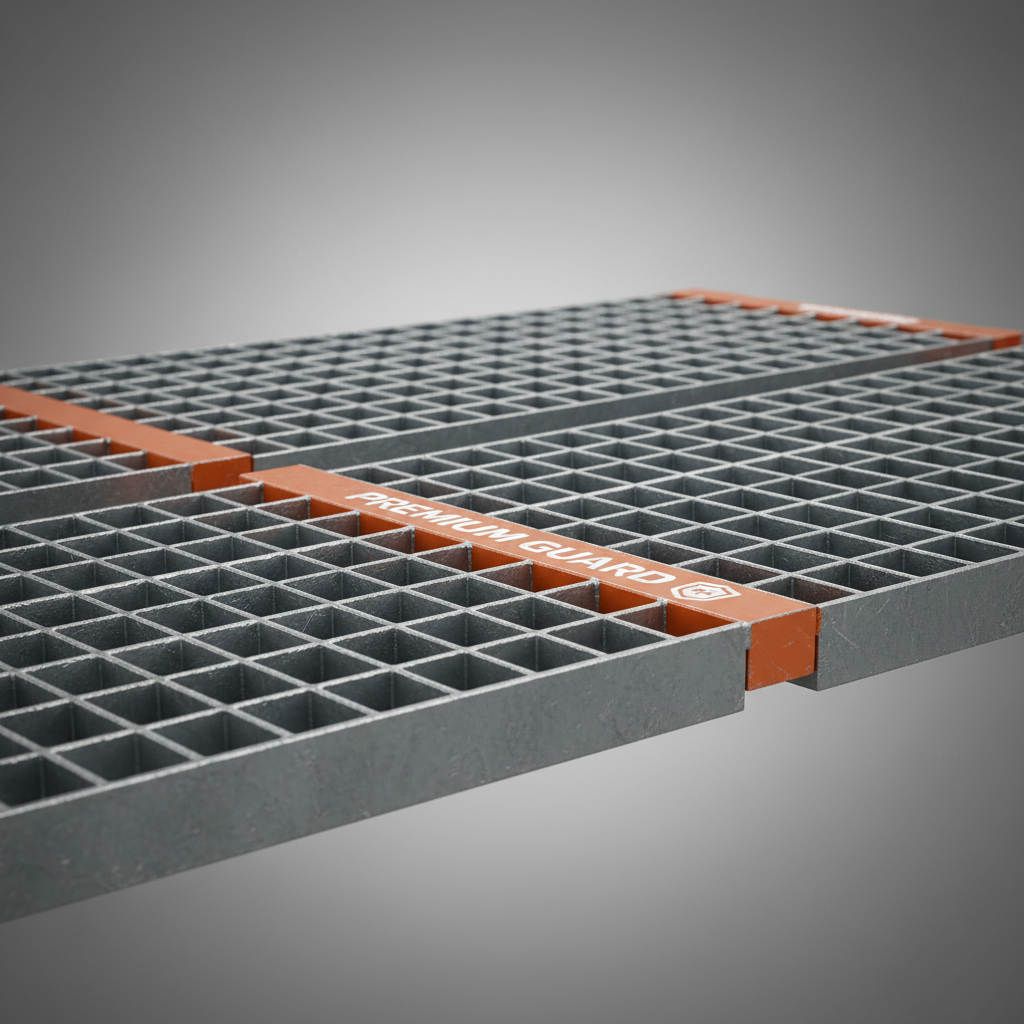
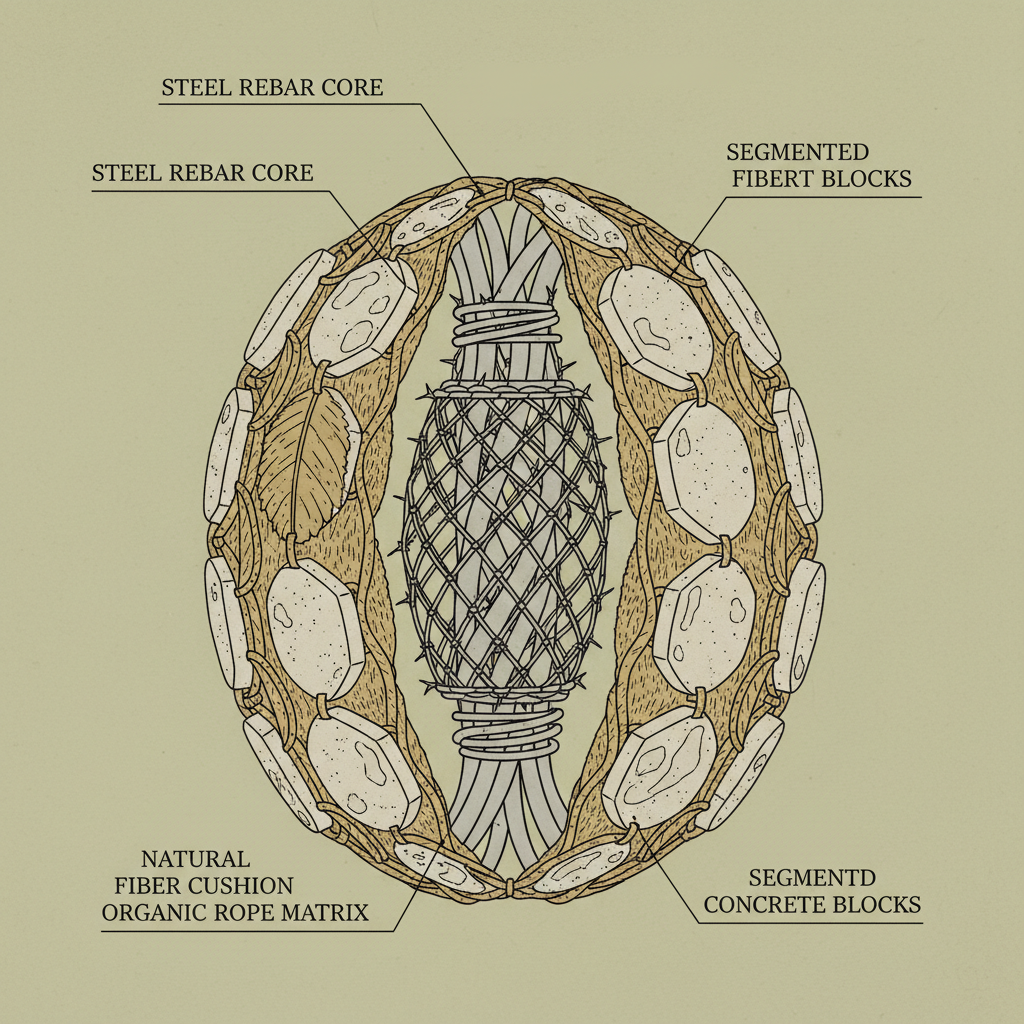
I spend a lot of time looking at concrete weight coating mesh these days. It’s not glamorous, but it's crucial. It's a deceptively simple product, but it’s surprisingly easy to mess up the design. People often try to get too clever, using materials that look good on paper but lack real-world durability. I encountered this at a factory in Jiangsu province last time – they were using a cheaper polypropylene, thinking it would save them money. It snapped after a few cycles of stress testing. Honestly, polypropylene! You need a good, robust steel mesh, properly galvanized. Feels solid in your hand, smells faintly of zinc… you can tell it’s built to last.
And speaking of stress testing, forget the pristine lab conditions. We test this stuff by literally driving a truck over it. Okay, maybe not directly over it, but close enough. We simulate the kind of impacts and stresses it’ll face in a real-world application, like protecting pipelines or providing structural support for concrete. Strangely, the most valuable feedback doesn’t come from the numbers, it comes from watching how the mesh deforms. Does it bend gracefully, or does it just crumble? That tells you a lot.
Industry Trends and Design Pitfalls

Anyway, I think the biggest trend is the demand for lighter solutions. People want the same strength, but with less weight, especially for offshore applications. It makes logistics easier, reduces installation costs… But it's a balancing act. You can't just shave off material without compromising structural integrity. It’s about smarter design, using high-strength alloys, and optimizing the mesh pattern. You see a lot of engineers get caught up in trying to reinvent the wheel, coming up with these complex geometries that just add cost and manufacturing headaches. Keep it simple, keep it strong, that’s my motto.
And don't even get me started on corrosion resistance. It’s a constant battle. You can use all the fancy coatings in the world, but if the underlying steel isn’t good quality, it’ll still rust through eventually. You really need to be meticulous about material sourcing and quality control.
FAQS
Honestly, it’s trying to save a few bucks on the steel grade. They think they can get away with using a cheaper material, but it almost always leads to problems down the line. Reduced strength, increased corrosion, premature failure… it's not worth it. You need to use a quality steel that’s specifically designed for this application. I've seen projects where they've cut corners, and it ends up costing them ten times more in repairs and replacements.
It’s crucial. The aperture size affects both the strength and the permeability of the concrete. A smaller aperture provides more reinforcement, but it can also restrict the flow of concrete. A larger aperture allows for better concrete flow, but it reduces the overall strength. It’s a balancing act, and the optimal aperture size depends on the specific application. You need to consider the concrete mix design, the load requirements, and the environmental conditions.
Absolutely. We can apply various coatings to enhance corrosion resistance or provide other specific properties. Epoxy coatings are popular for harsh marine environments. Polyurethane coatings offer good abrasion resistance. We can even apply specialized coatings that are designed to resist specific chemicals. We’ll work with you to determine the best coating for your application. It's not always a standard solution.
It really depends on the environment, but a properly installed and maintained mesh can easily last 20-30 years, even in harsh marine conditions. The key is to use a high-quality steel with a durable coating, and to ensure that the concrete is properly mixed and applied. Regular inspections and maintenance are also essential. Look for signs of corrosion or damage, and address them promptly.
There’s a big difference, both in performance and cost. Stainless steel is significantly more corrosion-resistant than galvanized steel, especially in saltwater environments. It also has higher strength. However, it's also much more expensive. Galvanized steel is a good option for most applications, but if you're dealing with extremely corrosive conditions, stainless steel is the way to go. Think about the long-term costs – sometimes spending a bit more upfront can save you money in the long run.
One of the biggest mistakes is improper overlap. The mesh needs to be overlapped correctly to ensure continuous reinforcement. Another common error is using the wrong fasteners. You need to use fasteners that are compatible with both the mesh and the concrete. And finally, make sure the mesh is properly secured to the substrate. If it’s not, it can move during concrete pouring, which can compromise its effectiveness.
Conclusion
So, there you have it. Concrete weight coating mesh is a deceptively simple product, but it's a vital component in a wide range of infrastructure projects. It’s not about flashy innovations or cutting-edge materials; it's about choosing the right materials, paying attention to detail, and ensuring proper installation. It's about understanding the real-world challenges and finding practical solutions.
Ultimately, whether this thing works or not, the worker will know the moment he tightens the screw. And if he's reaching for another one, and another, and another… well, that's a good sign. If you want to learn more about our products and services, visit our website at concrete weight coating mesh.
Related Posts