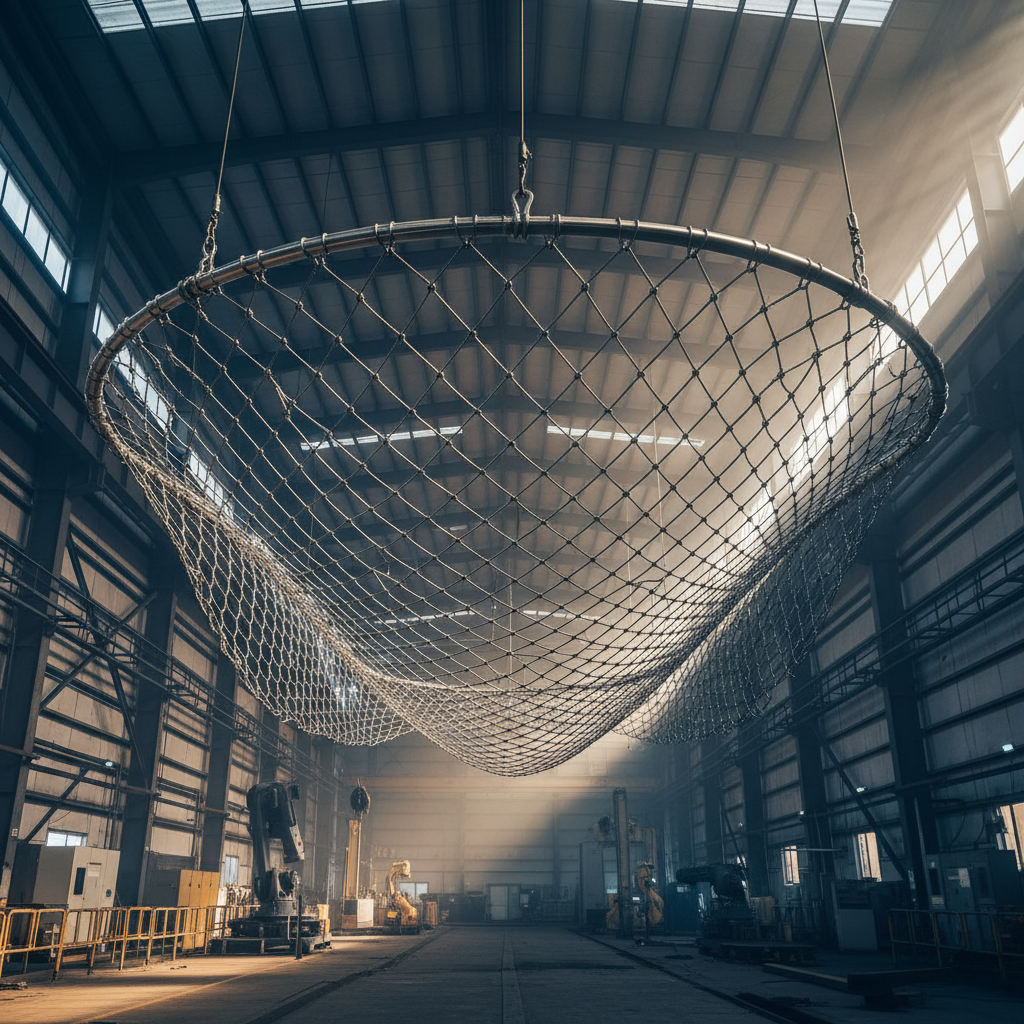
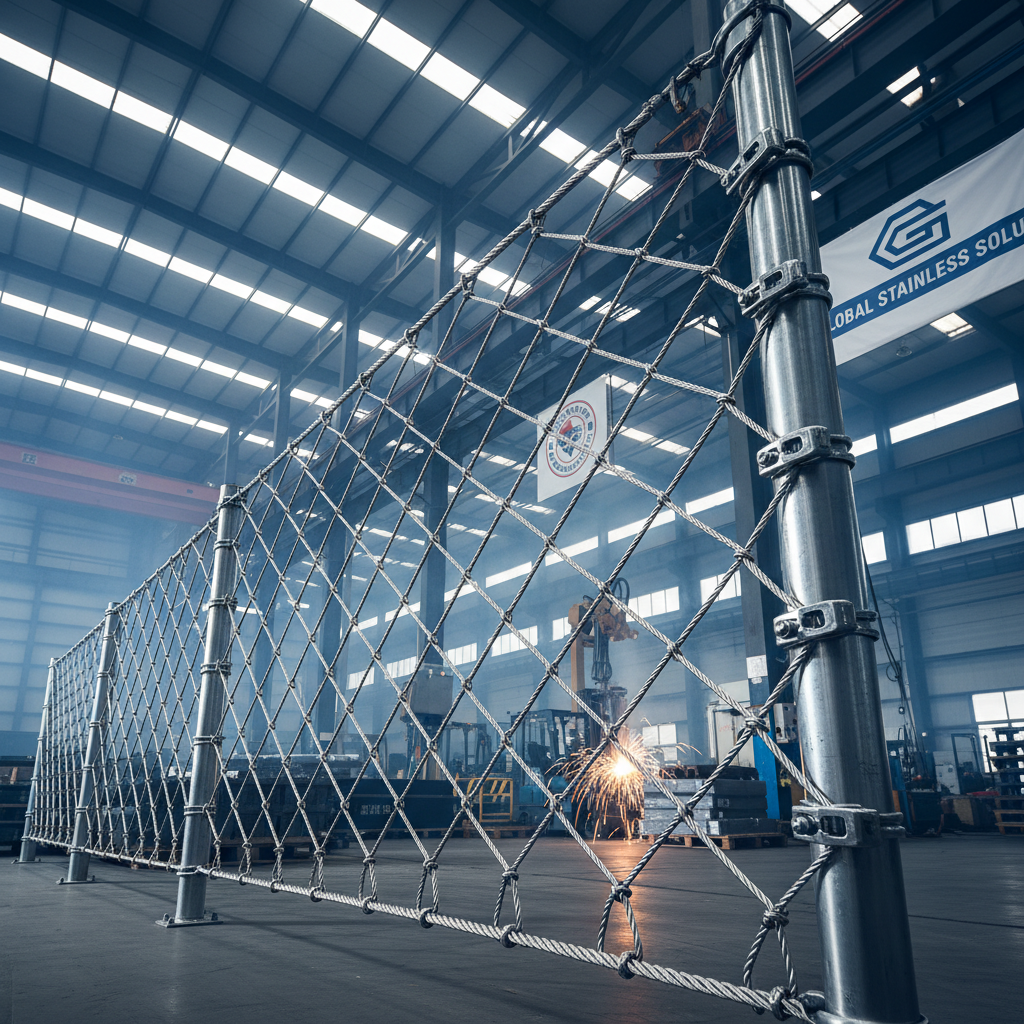
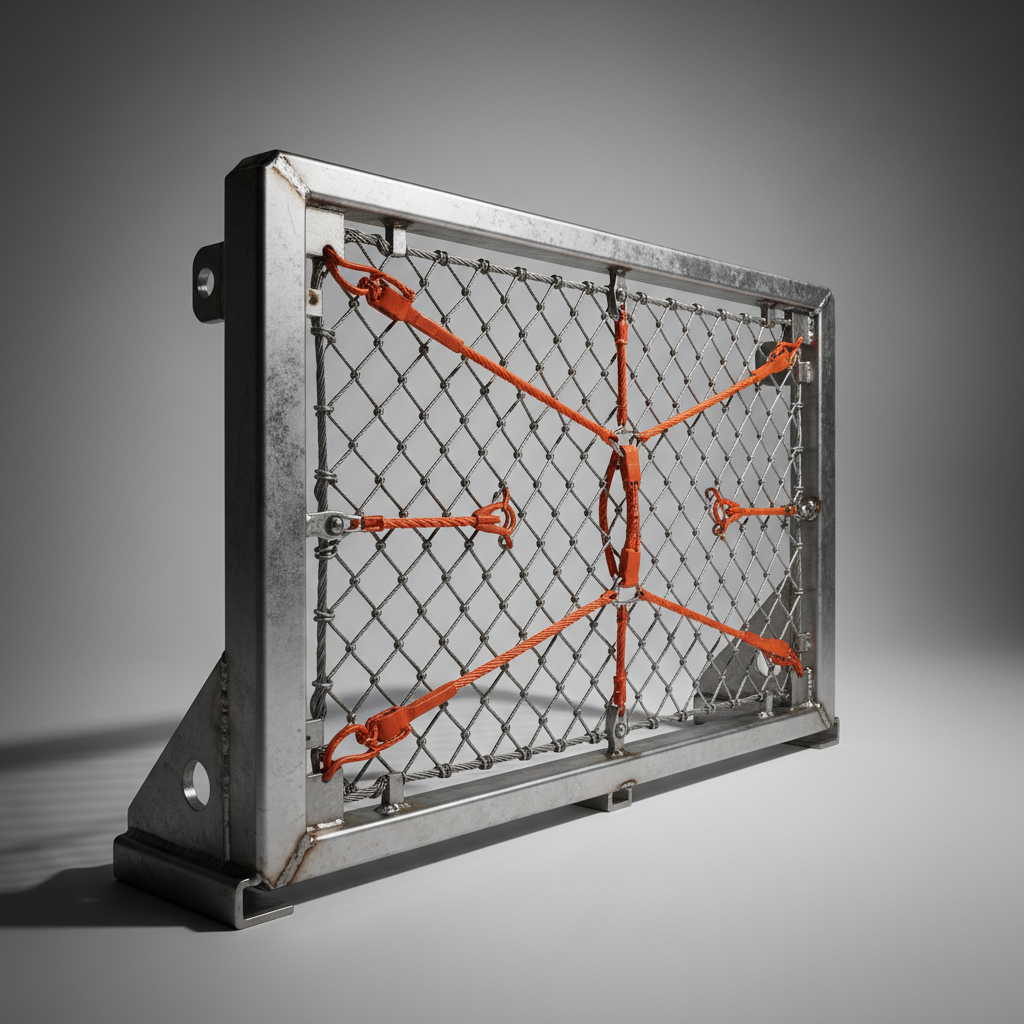
Stainless steel rope helipad perimeter safety netting represents a critical safety feature for helipads, ensuring the secure operation of helicopter landings and takeoffs. Its increasing adoption globally stems from the growing demand for safe and reliable infrastructure supporting helicopter transportation, particularly in remote locations and challenging environments. Understanding its properties, applications, and ongoing innovations is vital for operators, regulators, and safety professionals alike.
The relevance of stainless steel rope helipad perimeter safety netting extends beyond mere compliance with aviation regulations. It's a proactive measure that mitigates risks associated with rotor wash, debris ejection, and accidental slips or falls, safeguarding personnel and equipment. Globally, the demand for efficient and safe vertical lift capabilities continues to rise, driving the need for robust safety systems like these.
The utilization of this netting is intrinsically linked to modern industry and humanitarian aid efforts, from offshore oil platforms and search & rescue operations to medical evacuations and disaster relief. Investing in high-quality stainless steel rope helipad perimeter safety netting translates directly to enhanced safety, reduced liability, and improved operational efficiency.
Introduction to Stainless Steel Rope Helipad Safety
Stainless steel rope helipad perimeter safety netting serves as a vital barrier, designed to contain debris generated during helicopter operations, preventing it from becoming a projectile hazard. This protection extends to personnel working on or near the helipad, as well as surrounding structures and equipment. Its implementation is a proactive step towards minimizing risks and fostering a safer operational environment.
The construction of this netting is often customized to fit specific helipad dimensions and operational requirements. The use of stainless steel is paramount, as it offers superior corrosion resistance, crucial for maintaining the integrity of the netting in harsh weather conditions and marine environments. High-strength ropes and secure attachment points further contribute to the overall reliability and longevity of the system.
The Global Context and Regulatory Landscape
The global helicopter fleet is continuously expanding, driven by the demands of industries such as oil and gas, emergency medical services, search and rescue, and law enforcement. This growth necessitates increased attention to helipad safety, leading to stricter regulations and a greater emphasis on preventative measures like stainless steel rope helipad perimeter safety netting. Organizations such as the FAA, EASA, and ICAO provide guidance and set standards for helipad operations.
Currently, the requirement for perimeter safety netting varies by region and operating environment. However, a discernible trend towards greater standardization and mandatory implementation is emerging, particularly for commercial helipads and those located in populated areas. The risk of damage to property and potential injury or fatality are key drivers behind this regulatory shift.
Statistics demonstrate a clear correlation between proper helipad safety measures and reduced incident rates. Investments in quality stainless steel rope helipad perimeter safety netting are increasingly viewed not only as a safety imperative but also as a cost-effective risk management strategy, reducing potential liabilities and insurance premiums.
Defining Stainless Steel Rope Helipad Perimeter Safety Netting
Stainless steel rope helipad perimeter safety netting is a specialized containment system designed to prevent debris generated by helicopter rotor wash from leaving the designated landing area. This debris can include loose gravel, ice, snow, and small objects dislodged during takeoff and landing. The netting’s primary function is to mitigate the risk of these projectiles causing damage or injury.
Unlike conventional fencing, this netting utilizes a flexible, high-strength rope system, typically constructed from 304 or 316 grade stainless steel, chosen for its exceptional corrosion resistance and durability. The mesh size is carefully engineered to effectively contain the majority of potential debris while minimizing wind resistance and maintaining visibility. This ensures a balance between safety and practicality.
The design and installation of stainless steel rope helipad perimeter safety netting must adhere to established industry standards and be tailored to the specific characteristics of the helipad, including its size, shape, elevation, and surrounding environment. Proper installation by qualified professionals is crucial for ensuring the system's effectiveness and longevity.
Key Factors: Performance and Design
The performance of stainless steel rope helipad perimeter safety netting hinges on several critical factors. Strength and durability are paramount; the netting must withstand the force of rotor wash and resist tearing or breaking under stress. Corrosion resistance is also essential, especially in coastal or harsh environmental conditions.
The design of the netting significantly impacts its effectiveness. Mesh size, rope diameter, and attachment method all contribute to its ability to contain debris and withstand environmental factors. A well-designed system will also minimize wind loading and maintain visibility for helicopter pilots and ground personnel.
Stainless Steel Rope Helipad Safety Netting - Performance Metrics
Global Applications and Industry Use Cases
Stainless steel rope helipad perimeter safety netting finds widespread application across diverse industries. In the offshore oil and gas sector, it's indispensable for helipads located on platforms and supply vessels, protecting personnel and equipment from debris generated during frequent helicopter transport.
Emergency medical services (EMS) rely heavily on helipads for rapid patient transport. The netting ensures safe landing conditions, particularly in challenging environments like hospital rooftops or remote accident sites. Search and rescue operations also benefit significantly from the enhanced safety provided by this system.
Advantages and Long-Term Value Proposition
The advantages of investing in stainless steel rope helipad perimeter safety netting extend beyond immediate safety improvements. The durability of stainless steel translates to a longer lifespan compared to alternative materials, reducing the need for frequent replacements and minimizing life-cycle costs.
Furthermore, this netting enhances operational efficiency by minimizing downtime due to debris cleanup and reducing the risk of damage to helicopters and ground equipment. It also provides peace of mind to operators and personnel, knowing that a robust safety system is in place.
From a sustainability standpoint, the longevity and recyclability of stainless steel contribute to a reduced environmental footprint. The system’s inherent reliability fosters trust among stakeholders and strengthens an organization’s commitment to safety.
Future Trends and Emerging Innovations
Ongoing research and development are focused on enhancing the performance and cost-effectiveness of stainless steel rope helipad perimeter safety netting. Innovations include the development of lighter-weight, higher-strength alloys and improved attachment methods that minimize installation time and complexity.
Smart netting systems, incorporating sensors to detect debris accumulation and potential system failures, are also under development. These systems can provide real-time alerts, enabling proactive maintenance and ensuring optimal safety performance. Integration with drone technology for inspection and repair is another emerging trend.
The increasing emphasis on sustainable materials and circular economy principles is driving demand for recyclable and environmentally friendly netting solutions. Manufacturers are actively exploring innovative materials and processes to minimize the environmental impact of their products.
Challenges and Solutions
One of the primary challenges associated with stainless steel rope helipad perimeter safety netting is the initial cost of installation, which can be significant depending on the size and complexity of the helipad. However, this cost must be weighed against the long-term benefits of reduced risk and operational downtime.
Another challenge is ensuring proper installation and maintenance. Improperly installed or maintained netting can compromise its effectiveness and potentially create a safety hazard. Regular inspections and timely repairs are crucial for maintaining system integrity. Partnering with experienced and certified installers is essential.
Addressing these challenges requires a proactive approach that prioritizes quality, proper installation, and ongoing maintenance. Utilizing modular systems can also help reduce installation costs and simplify future repairs.
Summary of Key Considerations for Stainless Steel Rope Helipad Perimeter Safety Netting Implementation
| Helipad Environment |
Netting Material Grade |
Installation Complexity |
Maintenance Frequency |
| Coastal, High Salt Exposure |
316 Stainless Steel |
Moderate |
Bi-Annual |
| Inland, Moderate Climate |
304 Stainless Steel |
Low |
Annual |
| High Altitude, Extreme Weather |
316L Stainless Steel |
High |
Quarterly |
| Offshore, Marine Environment |
Super Duplex Stainless Steel |
Moderate-High |
Bi-Annual |
| Hospital Rooftop, Limited Space |
304 Stainless Steel |
Low-Moderate |
Annual |
| Remote Location, Limited Access |
316 Stainless Steel |
Moderate |
Bi-Annual |
FAQS
The lifespan of stainless steel rope helipad perimeter safety netting is highly dependent on the environment and frequency of use. However, with proper maintenance, a well-installed system constructed from high-quality 316 stainless steel can typically last 10-15 years or more. Regular inspections for corrosion, wear, and tear are crucial for maximizing its longevity. Factors such as salt spray, UV exposure, and extreme weather conditions can accelerate degradation.
Regular maintenance includes visual inspections for signs of corrosion, fraying, or damage to the ropes and attachment points. Cleaning the netting to remove debris and contaminants is also important. Periodic tension checks should be performed to ensure the netting remains taut and effective. Any damaged components should be promptly replaced by qualified personnel. Documented inspection records are recommended.
For coastal helipads exposed to saltwater spray, 316 stainless steel is the recommended grade. It offers superior corrosion resistance compared to 304 stainless steel, making it more suitable for harsh marine environments. Even better performance can be achieved with super duplex stainless steels, but these come at a higher cost. Regular cleaning and inspections are still vital even with 316 stainless steel.
Compliance with aviation regulations varies by region and governing body (FAA, EASA, etc.). However, well-designed and properly installed stainless steel rope helipad perimeter safety netting generally meets the requirements for debris containment outlined in most aviation safety standards. It's crucial to verify compliance with the specific regulations applicable to your location and operating environment. Documentation of material specifications and installation practices is essential.
The cost of installation depends on several factors, including the size and shape of the helipad, the complexity of the installation, the grade of stainless steel used, and labor costs. Accessibility to the helipad can also impact the price. Obtaining quotes from multiple qualified installers is recommended to ensure competitive pricing. Long-term cost savings due to reduced maintenance and improved safety should also be considered.
Yes, stainless steel rope helipad perimeter safety netting can be customized to fit virtually any helipad design. Experienced installers can tailor the netting’s dimensions, mesh size, and attachment methods to meet specific requirements. Detailed site surveys and accurate measurements are essential for ensuring a proper fit. Customization allows for optimal performance and integration with the surrounding environment.
Conclusion
Stainless steel rope helipad perimeter safety netting represents a vital investment in safety, reliability, and operational efficiency. Its ability to contain debris, protect personnel and equipment, and comply with stringent aviation regulations makes it an indispensable component of modern helipad infrastructure. The long-term benefits, including reduced risk, lower maintenance costs, and enhanced sustainability, significantly outweigh the initial investment.
Looking ahead, continued innovation in materials, design, and smart technologies will further enhance the performance and cost-effectiveness of these systems. Proactive adoption of best practices, regular maintenance, and adherence to industry standards are crucial for maximizing the value of stainless steel rope helipad perimeter safety netting and ensuring the ongoing safety of helicopter operations. For more information and tailored solutions, visit our website: stainless steel rope helipad perimeter safety netting.