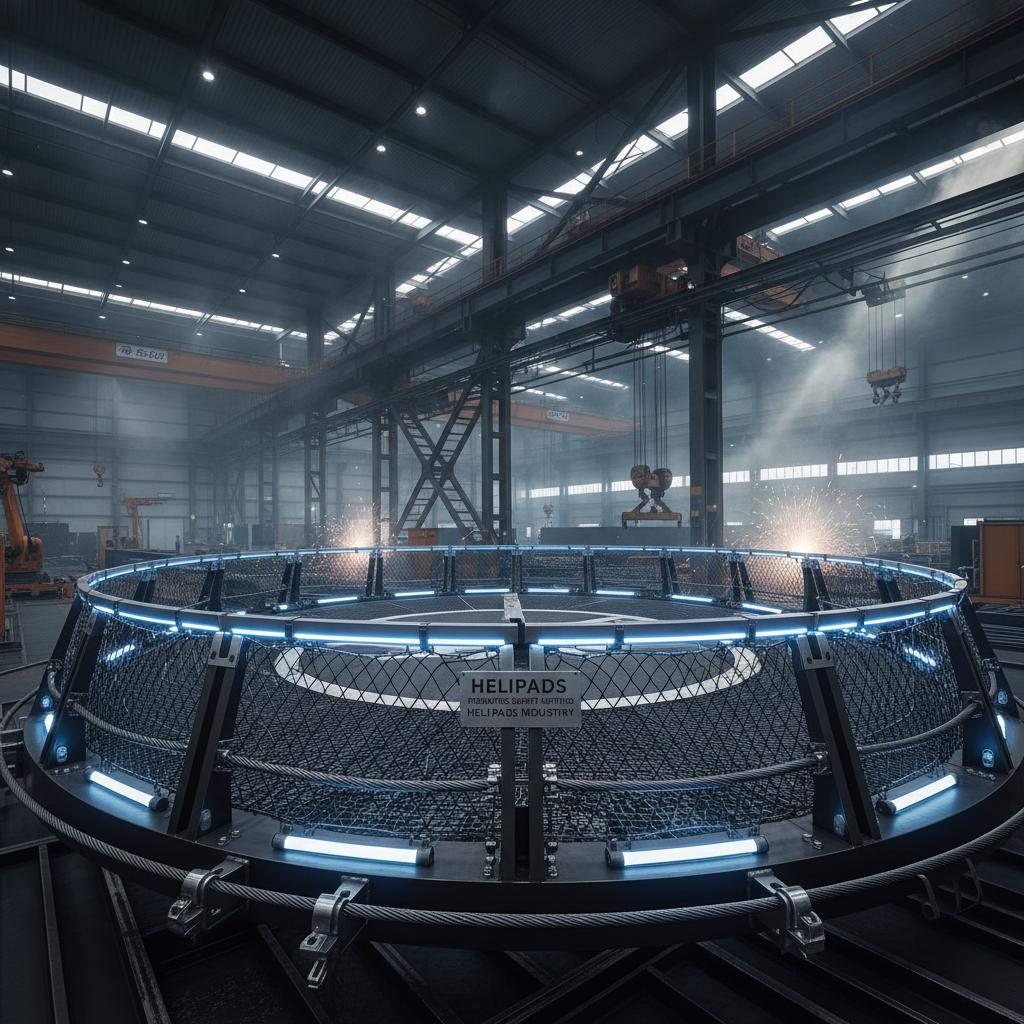
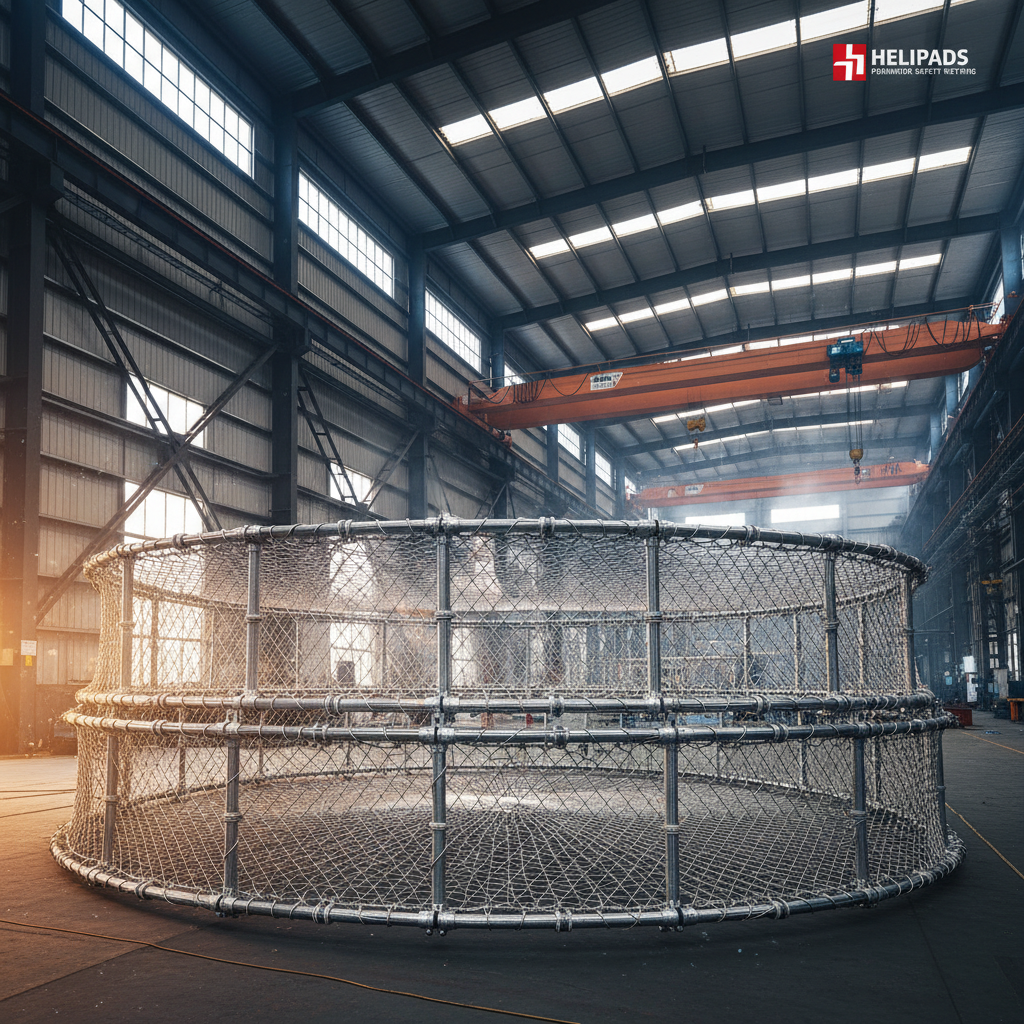
Helipads are crucial infrastructure for emergency medical services, offshore operations, and transportation in remote locations. Ensuring the safety of these landing zones is paramount, and helipads perimeter safety netting plays a vital role in mitigating risks associated with rotor wash, debris, and personnel safety. This netting provides a critical barrier, protecting both the helicopter and the surrounding environment.
The global demand for safe and reliable helipad infrastructure is steadily increasing, driven by factors such as the expansion of offshore energy exploration, the growth of emergency medical services, and the rise in tourism to remote areas. Compliance with international safety standards, like those set by the FAA and ICAO, is becoming increasingly stringent, pushing the need for robust and effective safety solutions.
Understanding the importance of helipads perimeter safety netting isn’t just about meeting regulations; it’s about prioritizing the safety of personnel, equipment, and the environment. Properly installed and maintained netting systems contribute significantly to reduced incident rates, minimized operational disruptions, and overall peace of mind for stakeholders.
Introduction to Helipads Perimeter Safety Netting
Helipads perimeter safety netting isn’t simply an add-on; it's an integral component of a comprehensive helipad safety system. It’s designed to contain debris kicked up by rotor downwash, prevent personnel from inadvertently entering the landing zone during operations, and provide a visual barrier, enhancing situational awareness for both pilots and ground crew.
The importance of considering netting as part of the helipad’s initial design or as a retrofit is often underestimated. A well-chosen and correctly installed netting system can drastically reduce the risk of accidents, injuries, and property damage, creating a safer operational environment for everyone involved.
The Global Significance of Helipad Safety
The need for robust helipad safety measures extends far beyond commercial operations. In disaster relief scenarios, helipads become critical hubs for delivering aid and evacuating victims. Ensuring these landing zones are safe and reliable under challenging conditions is essential for effective emergency response. Organizations like the UN and Red Cross rely heavily on helicopter access in these situations.
According to the International Civil Aviation Organization (ICAO), helicopter accidents related to debris ingestion and personnel proximity remain a concern. Implementing effective helipads perimeter safety netting systems is a proactive step toward mitigating these risks and aligning with global safety standards. The World Bank also acknowledges the economic benefits of improved safety infrastructure in remote operational areas, where helicopter transportation is often the only viable option.
Furthermore, increasing regulatory scrutiny, particularly in the offshore oil and gas industry, is driving the adoption of higher safety standards for helipads. Compliance with these regulations is not only a legal requirement but also a demonstration of commitment to worker safety and responsible operations.
Defining Helipads Perimeter Safety Netting
Helipads perimeter safety netting refers to a system of netting specifically designed and installed around the perimeter of a helicopter landing area. This netting is typically constructed from high-strength materials such as nylon or polyethylene, and it’s engineered to withstand the force of rotor wash and impact from debris.
The purpose of this netting is multi-faceted. Primarily, it acts as a physical barrier to contain loose objects, like gravel, tools, or even small equipment, that could be propelled by the helicopter’s downwash. It also serves to demarcate the safe operating area, preventing unauthorized personnel from entering the landing zone during take-off and landing.
In modern industry and humanitarian contexts, safety netting is now considered a baseline requirement for almost all helipads. From remote construction sites to hospital emergency landing zones, the importance of this safety feature is widely recognized. Its function directly connects to the vital need for safe and efficient helicopter operations.
Core Components of Effective Safety Netting
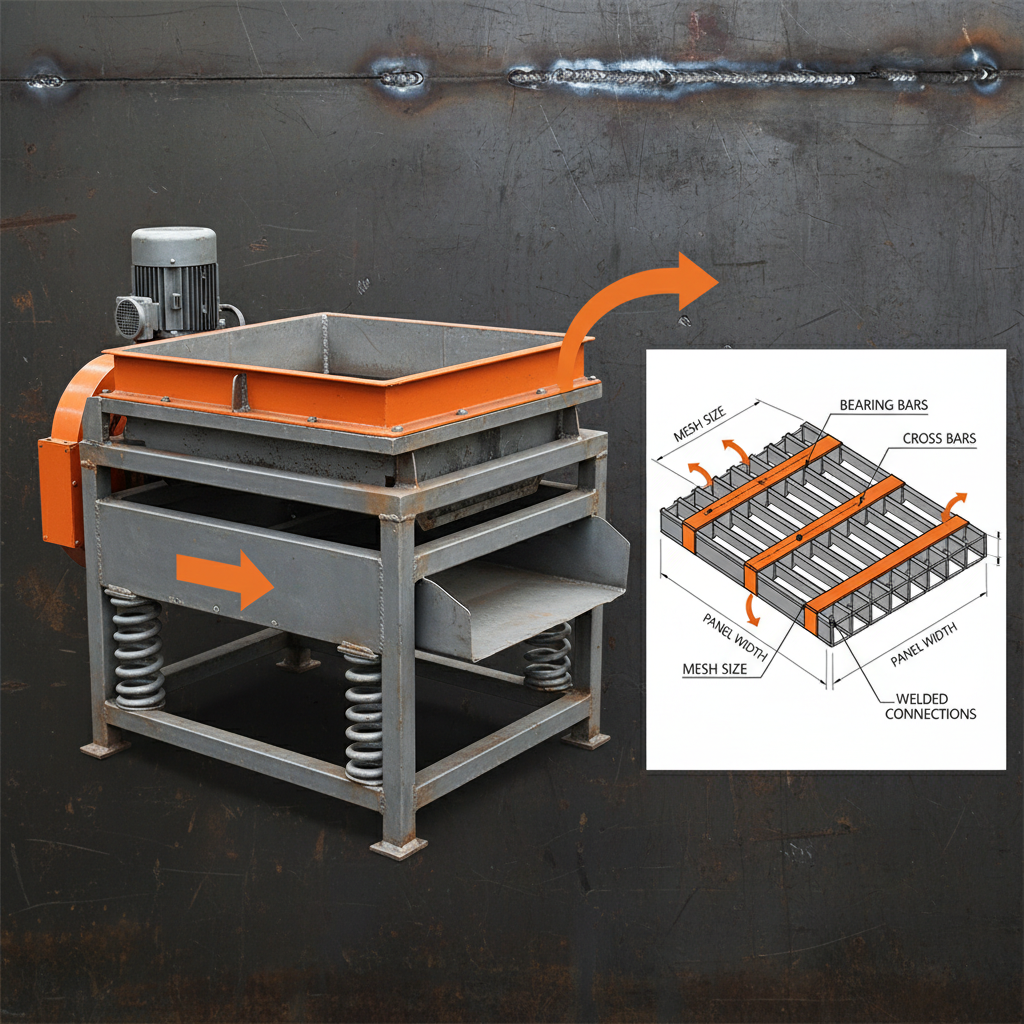
Several key factors determine the effectiveness of helipads perimeter safety netting. First, durability is essential. The netting must be able to withstand prolonged exposure to the elements, including UV radiation, wind, and rain, without degradation. Second, appropriate mesh size is crucial. The mesh needs to be small enough to contain the expected debris but large enough to allow for adequate ventilation.
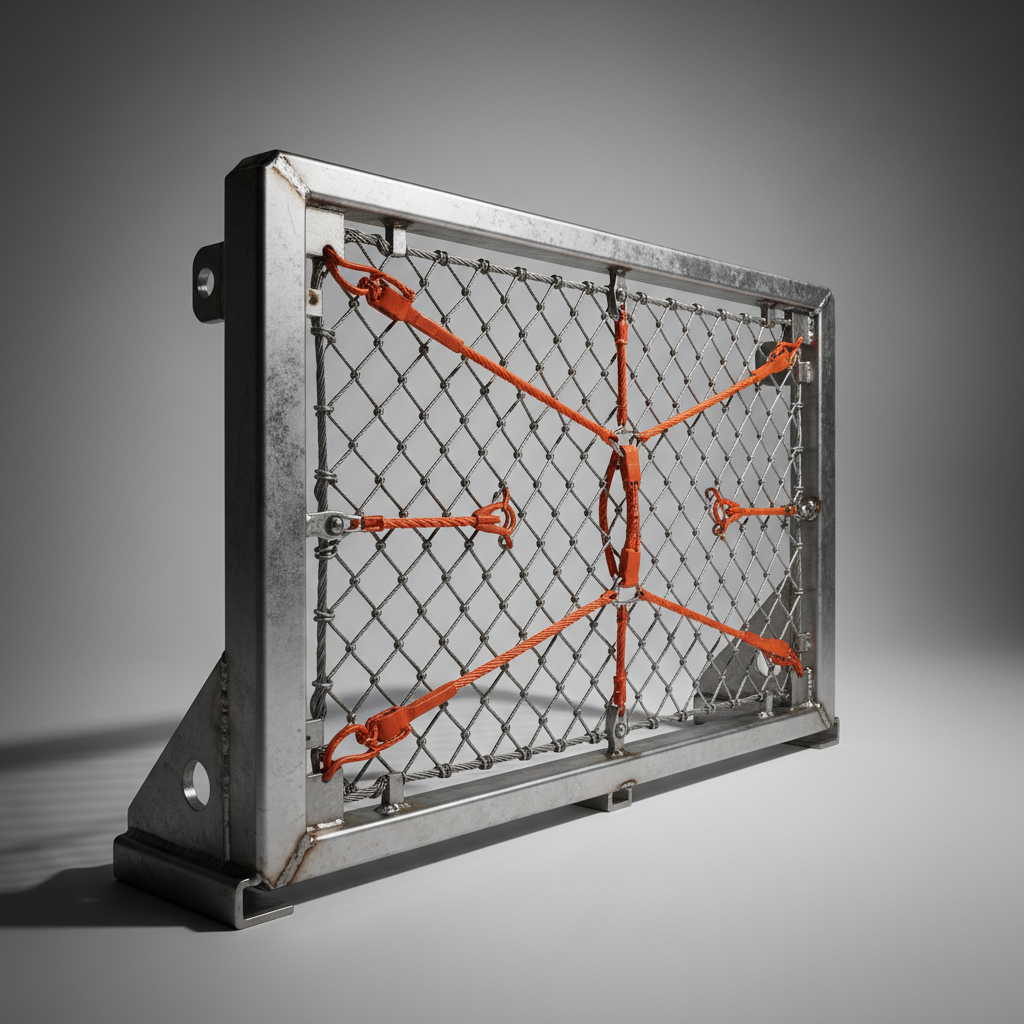
Scalability is another important consideration. Netting systems should be adaptable to different helipad sizes and configurations, offering a customized fit for optimal protection. Cost-efficiency, while important, shouldn't compromise safety. Finding a balance between affordability and quality is critical. Finally, ease of installation and maintenance contributes to long-term usability and reduces the overall lifecycle cost.
Helipad Safety Netting Performance Metrics
Real-World Applications and Use Cases
In post-disaster relief operations, helipads are often established in temporary locations with limited infrastructure. Helipads perimeter safety netting is critical in these scenarios, ensuring the safety of rescue helicopters operating in chaotic environments. Similarly, in remote industrial zones, like offshore oil platforms or mining sites, helipads are the primary means of transporting personnel and supplies.
Emergency Medical Services (EMS) heavily rely on helipads for rapid patient transport. Hospitals and trauma centers with helipads utilize safety netting to protect staff and equipment during emergency landings and take-offs. Construction companies building tall structures often employ helipads for material delivery and personnel access, where safety netting is essential to protect workers below.
Moreover, private helipads used for corporate travel or personal transportation also benefit from the added safety and security provided by perimeter netting. The application scope is vast and continuously expanding as the reliance on helicopter transport grows across diverse industries.
Advantages and Long-Term Value Proposition
The tangible benefits of investing in helipads perimeter safety netting are numerous. Reduced risk of accidents translates directly into lower insurance premiums and reduced liability. The durability of high-quality netting minimizes the need for frequent replacements, offering long-term cost savings. A safer helipad environment boosts employee morale and reinforces a commitment to safety.
Beyond the purely economic advantages, the emotional and social impact of improved safety cannot be overlooked. Providing a safe working environment fosters trust and demonstrates a commitment to the well-being of personnel. Innovation in materials and design continues to improve the effectiveness and longevity of these systems, further enhancing their value.
Future Trends and Innovations in Helipad Safety
The future of helipad safety is likely to be shaped by several key trends. We're seeing increased integration of smart technologies, such as sensors embedded within the netting to detect potential hazards or damage. The development of lighter, stronger materials, including advanced polymers and composites, will improve performance and reduce installation costs.
Sustainable materials and manufacturing processes are also gaining prominence, aligning with growing environmental concerns. Furthermore, digital modeling and simulation tools will enable more precise design and installation of netting systems, optimizing performance for specific helipad configurations. Automation in inspection and maintenance procedures will also play a role in ensuring long-term safety and reliability.
Challenges and Solutions
One common challenge is ensuring proper installation. Incorrectly installed netting can be less effective and even create new hazards. This highlights the need for trained and certified installers who understand the specific requirements of each helipad. Another challenge is maintaining the netting over time, as exposure to the elements can lead to wear and tear.
Regular inspections and timely repairs are essential to address this issue. Expert solutions include using UV-resistant coatings and implementing a proactive maintenance schedule. Furthermore, developing standardized testing procedures to assess the integrity of the netting will help ensure consistent performance and identify potential problems before they escalate.
Addressing these challenges proactively is critical to maximizing the safety benefits and long-term value of helipads perimeter safety netting. Continuous improvement and a commitment to best practices are key to ensuring the ongoing safety of helicopter operations.
Summary of Helipad Safety Netting Analysis
| Netting Material |
Installation Cost |
Maintenance Effort |
Overall Safety Rating (1-10) |
| High-Density Polyethylene |
$3,000 - $5,000 |
Low |
9 |
| Nylon |
$2,500 - $4,500 |
Medium |
8 |
| Polyester |
$2,000 - $3,500 |
Medium |
7 |
| Kevlar-Reinforced Nylon |
$4,000 - $6,000 |
Low |
10 |
| UHMWPE (Ultra-High Molecular Weight Polyethylene) |
$5,000 - $7,000 |
Very Low |
9 |
| Standard Polypropylene |
$1,500 - $2,500 |
High |
6 |
FAQS
The lifespan of helipads perimeter safety netting can vary significantly based on the material used, the environmental conditions it's exposed to, and the frequency of maintenance. However, with regular inspections and proper care, a high-quality netting system made from materials like polyethylene or Kevlar can typically last between 5 to 10 years. UV exposure, wind, and frequent impact from debris can accelerate degradation, so proactive maintenance is essential to maximize its service life.
Helipad safety netting should undergo regular inspections, ideally at least twice a year, or more frequently in harsh environments. Inspections should focus on identifying any signs of wear and tear, such as fraying, tears, or discoloration. It's also crucial to check the anchoring points and supporting structures to ensure they remain secure. A detailed inspection log should be maintained to track the condition of the netting over time.
Common materials used for helipads perimeter safety netting include high-density polyethylene (HDPE), nylon, polyester, and more specialized materials like Kevlar-reinforced nylon and Ultra-High Molecular Weight Polyethylene (UHMWPE). HDPE is known for its durability and cost-effectiveness, while nylon offers good strength and abrasion resistance. Kevlar provides exceptional strength and cut resistance, making it suitable for high-risk environments.
While it might seem like a simple task, professional installation is highly recommended for helipad safety netting. Proper installation ensures the netting is securely anchored, correctly tensioned, and conforms to relevant safety standards. Incorrectly installed netting can be ineffective, and even pose a safety hazard. A qualified installer will assess the helipad's specific requirements and ensure the netting system performs as intended.
The cost of helipad safety netting varies depending on the size of the helipad, the material used, and the complexity of the installation. Costs typically range from a few thousand dollars to tens of thousands of dollars for larger, more complex systems. It’s important to factor in not only the initial installation cost but also ongoing maintenance and potential replacement costs over the netting's lifespan. Considering the cost of potential accidents and liability, it's a worthwhile investment.
While there aren’t specific, prescriptive regulations for helipad safety netting from the FAA or ICAO, these agencies do mandate that helipads must be maintained to ensure safety. Implementing helipads perimeter safety netting demonstrates a commitment to safety best practices and can help helipad operators meet their overall safety obligations. It's crucial to verify that the chosen netting system meets relevant industry standards and is appropriate for the specific operating environment.
Conclusion
Helipads perimeter safety netting is a critical component of modern helipad infrastructure. Its impact extends beyond regulatory compliance, contributing significantly to the safety of personnel, the protection of equipment, and the overall efficiency of helicopter operations. From emergency medical services to remote industrial sites, the benefits of a well-maintained netting system are undeniable.
Looking ahead, continuous innovation in materials and installation techniques will further enhance the effectiveness and longevity of safety netting. By prioritizing safety, investing in quality systems, and adopting proactive maintenance practices, we can ensure that helipads remain safe and reliable landing zones for years to come. Visit our website at www.hfpetromesh.com to learn more about our solutions.