Helicopter deck safety nets are crucial components in ensuring the safe operation of helicopters landing on and departing from offshore platforms, ships, and helipads. These nets are engineered to mitigate the risks associated with downwash, debris, and potential human error during helicopter operations. The importance of a robust and reliable helicopter deck safety net cannot be overstated, as a failure can lead to serious accidents, injuries, or fatalities. The demand for these safety systems is globally consistent, driven by stringent safety regulations and a commitment to protecting personnel and assets.
The global helicopter industry, including offshore oil and gas, search and rescue, and transportation sectors, relies heavily on efficient and safe helicopter operations. Increasingly complex operating environments, coupled with a rise in helicopter traffic, necessitates the use of advanced safety technologies. A well-maintained helicopter deck safety net is a fundamental aspect of a comprehensive helicopter safety management system, designed to prevent accidents and ensure the continuity of essential services. Data from organizations like the International Association of Oil & Gas Producers (IOGP) consistently emphasizes the need for rigorous safety protocols in helicopter operations.
Understanding the principles behind helicopter deck safety nets is essential for all stakeholders involved in helicopter operations, from platform operators and helicopter pilots to safety personnel and maintenance teams. The effective implementation and regular inspection of these nets contribute significantly to a safer working environment and reduce the potential for costly incidents. Modern safety nets are designed not only to contain debris but also to enhance situational awareness and improve overall operational efficiency.
Introduction to Helicopter Deck Safety Nets
The primary function of a helicopter deck safety net is to contain debris generated during helicopter landing and takeoff, preventing it from becoming a projectile hazard. These nets are strategically positioned around the helicopter deck to effectively capture loose objects such as tools, equipment, or ice, minimizing the risk of damage to the helicopter or injury to personnel. Utilizing high-strength materials, a helicopter deck safety net represents a vital safeguard.
Furthermore, the implementation of these nets plays a crucial role in adhering to industry best practices and complying with stringent safety regulations established by aviation authorities and offshore governing bodies. Regular inspections and maintenance are essential to ensure the nets remain in optimal condition, providing consistent protection and contributing to a culture of safety. The integration of safety nets with other safety features, such as helideck lighting and fire suppression systems, creates a comprehensive safety solution.
Defining Helicopter Deck Safety Nets
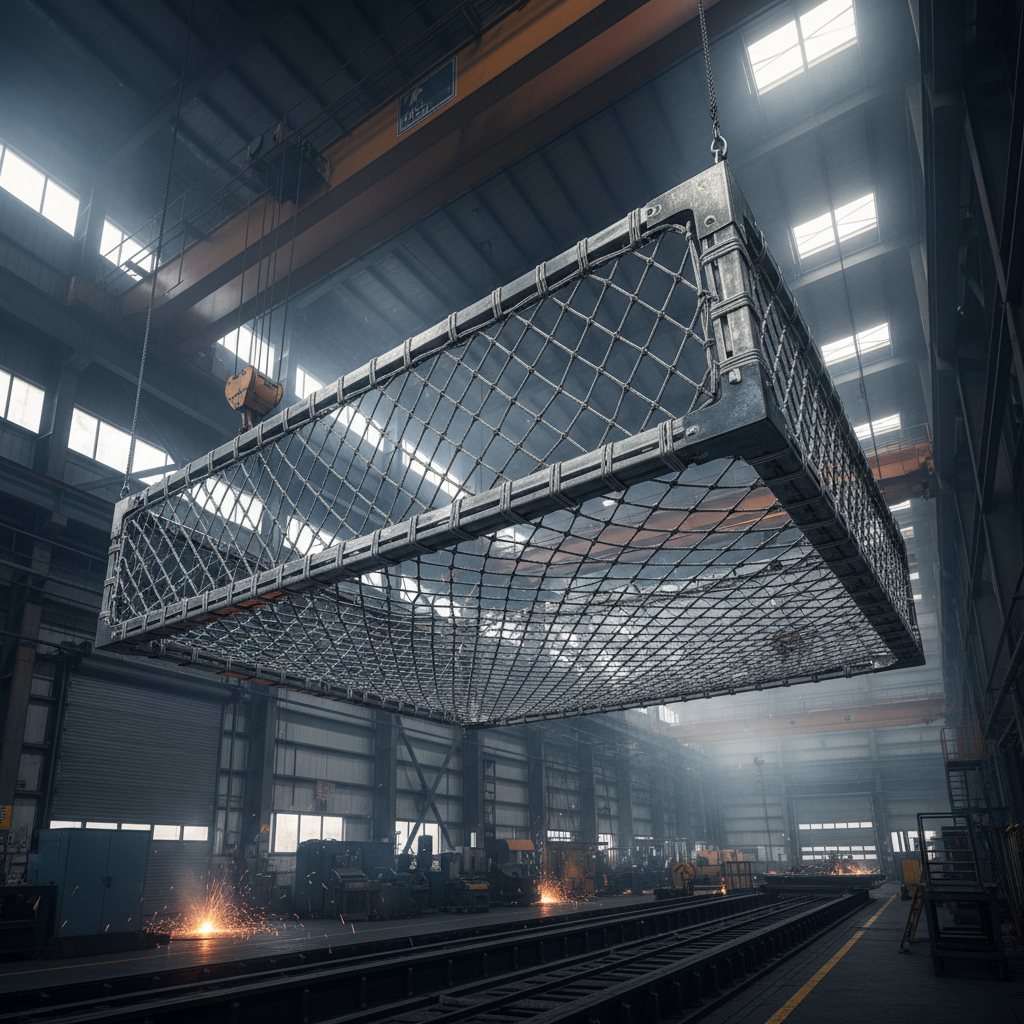
A helicopter deck safety net is a specialized mesh system designed and installed on helicopter landing surfaces to contain loose objects and mitigate hazards. These nets are typically constructed from high-tensile strength materials like nylon, polyester, or Dyneema, chosen for their durability, weather resistance, and ability to withstand the force of downwash. Their construction involves a complex weaving pattern to optimize strength and contain debris effectively.
The purpose extends beyond simply containing debris; it actively contributes to a safer operational environment by reducing the risk of Foreign Object Damage (FOD) to the helicopter. FOD can cause significant engine damage, control system malfunctions, and even catastrophic accidents. Helicopter deck safety nets are a preventative measure that aligns with modern safety management systems.
These nets directly address the need for enhanced safety in challenging operational environments, such as offshore oil and gas platforms, ships at sea, and remote onshore helipads where environmental factors and logistical constraints demand robust safety solutions. They represent a fundamental component of a holistic approach to helicopter safety, complementing other safety procedures and technologies.
Core Components and Key Factors
Several key factors determine the effectiveness and reliability of a helicopter deck safety net. Firstly, Material Strength is paramount, with the net needing to withstand significant force from downwash and impacts. Secondly, Mesh Size is critical—too large, and debris escapes; too small, and it can impede airflow.
Thirdly, Installation Quality is vital, ensuring the net is securely anchored and properly tensioned. Fourthly, UV Resistance prevents degradation from prolonged exposure to sunlight, crucial for offshore applications. Fifthly, Compliance with Standards such as those defined by CAP 437 (UK CAA) or similar international regulations, ensures the net meets required safety criteria. Finally, Regular Inspection and Maintenance ensures continued reliability and proactively identifies any damage or wear.
Each of these factors directly impacts the overall performance of the helicopter deck safety net, making careful consideration of these elements essential during the selection, installation, and maintenance phases. Neglecting any of these aspects can compromise the safety benefits and increase the risk of incidents.
Global Applications and Use Cases
Helicopter deck safety nets find widespread application across various industries and geographical locations. In the Offshore Oil and Gas Sector, particularly in the North Sea, Gulf of Mexico, and Southeast Asia, these nets are mandatory on platforms and supply vessels to protect personnel and equipment from debris. They are also vital in Search and Rescue (SAR) Operations, ensuring a safe landing and takeoff zone for helicopters responding to emergencies.
Furthermore, helicopter deck safety nets are crucial in Hospital Helicopter Landing Zones, ensuring a safe and clear landing area for critical medical transport. In Remote Industrial Zones, such as mining operations in Australia or Canada, they provide essential safety measures for helicopter-based transportation of personnel and supplies. Even in Law Enforcement and Military Applications, these nets are deployed to secure helicopter landing zones during operations.
In post-disaster relief operations, quickly establishing safe helicopter landing zones is critical for delivering aid and evacuating those in need. The rapid deployment capabilities of modern safety nets make them an invaluable asset in these scenarios. From the harsh environments of the Arctic to the tropical climates of the Caribbean, helicopter deck safety nets adapt to diverse operating conditions.
Helicopter Deck Safety Net Performance Metrics
Advantages and Long-Term Value
The advantages of implementing a helicopter deck safety net extend beyond immediate safety benefits. In terms of cost, preventing damage from FOD significantly reduces repair expenses and downtime for helicopters. In terms of sustainability, durable nets constructed from recyclable materials minimize environmental impact.
From a social impact perspective, a safe operating environment enhances employee morale and demonstrates a commitment to worker wellbeing. The reliability of these nets, when properly maintained, provides long-term peace of mind for operators and personnel. Ultimately, investing in a high-quality helicopter deck safety net fosters a culture of safety, builds trust with stakeholders, and protects valuable assets.
Future Trends and Innovations
Innovation in helicopter deck safety nets is focused on several key areas. Advancements in materials science are leading to the development of even stronger and lighter-weight netting materials, such as enhanced Dyneema blends, offering superior performance and durability. The integration of digital monitoring technologies, such as sensors embedded within the net, provides real-time feedback on its condition, enabling proactive maintenance and preventing failures.
Furthermore, the exploration of automated inspection systems utilizing drones or robotic crawlers is streamlining the inspection process and reducing the need for manual checks. The future will likely see the integration of these systems with predictive maintenance algorithms, further optimizing safety and reducing operational costs. The emphasis on sustainability will drive the use of eco-friendly materials and manufacturing processes.
Challenges and Solutions
Despite the proven benefits, implementing and maintaining helicopter deck safety nets faces certain challenges. Environmental factors, such as harsh weather conditions and saltwater exposure, can accelerate degradation of the net materials. Ensuring proper installation and tensioning requires skilled technicians and adherence to strict protocols. Maintaining consistent inspection schedules can be difficult in remote locations or during periods of high operational demand.
To address these challenges, manufacturers are developing nets with enhanced weather resistance and corrosion protection. Training programs for installation and maintenance personnel are being expanded to ensure best practices are followed. The use of digital record-keeping and maintenance tracking systems streamlines inspection processes and ensures compliance with regulatory requirements. Regular third-party inspections by qualified experts provide an additional layer of assurance.
Ultimately, a proactive approach to maintenance, coupled with continuous improvement in materials and technologies, is essential to overcome these challenges and maximize the effectiveness of helicopter deck safety nets.
Summary of Key Challenges and Corresponding Solutions for Helicopter Deck Safety Net Implementation
| Challenge |
Impact on Safety |
Proposed Solution |
Implementation Cost (Scale 1-10) |
| Material Degradation |
Reduced containment effectiveness, increased risk of FOD |
Utilize UV-resistant and corrosion-protected materials |
6 |
| Improper Installation |
Compromised structural integrity, potential net failure |
Certified installation technicians, detailed installation guidelines |
7 |
| Infrequent Inspections |
Undetected damage, reduced safety margin |
Scheduled inspection protocols, digital tracking systems |
5 |
| Harsh Weather Exposure |
Accelerated wear and tear, reduced lifespan |
Specialized coatings, regular cleaning and maintenance |
4 |
| Lack of Personnel Training |
Incorrect usage, potential damage to the net |
Comprehensive training programs for all personnel |
3 |
| Insufficient Documentation |
Difficulty tracking maintenance and repairs |
Detailed maintenance logs, digital record-keeping |
2 |
FAQS
The lifespan of a helicopter deck safety net varies depending on environmental conditions, frequency of use, and material quality. However, a well-maintained net constructed from high-quality materials like Dyneema typically lasts between 5 to 10 years. Regular inspections and prompt repairs are crucial to maximizing its lifespan and ensuring continued safety. Factors like UV exposure and saltwater corrosion can accelerate degradation, necessitating more frequent inspections in challenging environments.
Several regulatory bodies oversee standards for helicopter deck safety nets. The UK Civil Aviation Authority (CAA) CAP 437 is a widely recognized standard. Other relevant regulations come from organizations like IOGP (International Association of Oil & Gas Producers) and individual country aviation authorities. These standards dictate requirements for net material strength, mesh size, installation procedures, and inspection frequencies. Compliance with these standards is essential for ensuring safe operations.
Helicopter deck safety nets should be inspected regularly, typically at least every six months, and more frequently in harsh environments. Inspections should include a thorough visual assessment for damage, wear, and tear, as well as checks on the net’s anchoring points and tensioning system. Detailed records of inspections should be maintained to track the net’s condition over time. Any damage discovered during inspection must be addressed promptly.
Common materials used in helicopter deck safety net construction include high-tenacity nylon, polyester, and Dyneema. Dyneema is a particularly popular choice due to its exceptional strength-to-weight ratio and high resistance to UV degradation and abrasion. The specific material selected depends on the operational environment and the required level of performance. Coatings and treatments are often applied to enhance durability and corrosion resistance.
Minor damage to a helicopter deck safety net can often be repaired by qualified technicians, provided the repair does not compromise the net’s structural integrity. However, significant damage, such as large tears or widespread material degradation, typically necessitates full replacement. All repairs must be conducted in accordance with manufacturer’s recommendations and relevant regulatory standards. The repair should be thoroughly inspected and documented.
The cost of implementing a helicopter deck safety net varies depending on the size of the helideck, the material selected, and the complexity of the installation. Typically, the cost includes the net itself, installation labor, and any necessary ancillary equipment, such as anchoring hardware. Regular inspection and maintenance costs should also be factored in. While there is an upfront investment, the long-term benefits of enhanced safety and reduced risk significantly outweigh the costs.
Conclusion
In conclusion, a helicopter deck safety net is an indispensable safety component in a wide range of operations, from offshore energy to search and rescue. By effectively mitigating the risks associated with debris and downwash, these nets protect personnel, equipment, and the environment. Ongoing innovation in materials, monitoring technologies, and installation practices is continually enhancing their effectiveness and reliability.
Investing in a high-quality safety net, coupled with a robust inspection and maintenance program, is a proactive step towards creating a safer and more secure operational environment. For more information on helicopter deck safety nets and how to choose the right solution for your needs, visit our website: www.hfpetromesh.com.