Helideck perimeter nets are crucial safety features on offshore platforms, helipads, and other locations serving as landing zones for helicopters. These nets mitigate the risk of dropped objects during take-off and landing, safeguarding personnel and equipment below. The increasing demand for safe and efficient offshore operations, coupled with stricter regulatory requirements, is driving innovation and advancements in helideck perimeter net technology.
Globally, the energy sector, particularly oil and gas exploration and production, relies heavily on helicopter transport for personnel and supplies. This reliance necessitates robust safety measures, with helideck perimeter nets being a fundamental component. Beyond energy, sectors like search and rescue, medical evacuation, and even wind farm maintenance benefit from the enhanced safety these nets provide. The International Aviation Civil Organisation (ICAO) provides guidelines, and regional regulations build upon them.
The function of a helideck perimeter net extends beyond merely containing dropped objects; it's about creating a safe operational environment, minimizing risk, and demonstrating a commitment to personnel safety. This becomes even more vital in harsh weather conditions where the potential for accidents is significantly increased. Investing in a high-quality helideck perimeter net isn’t just a compliance matter—it’s a proactive step toward responsible operations.
Introduction to Helideck Perimeter Nets
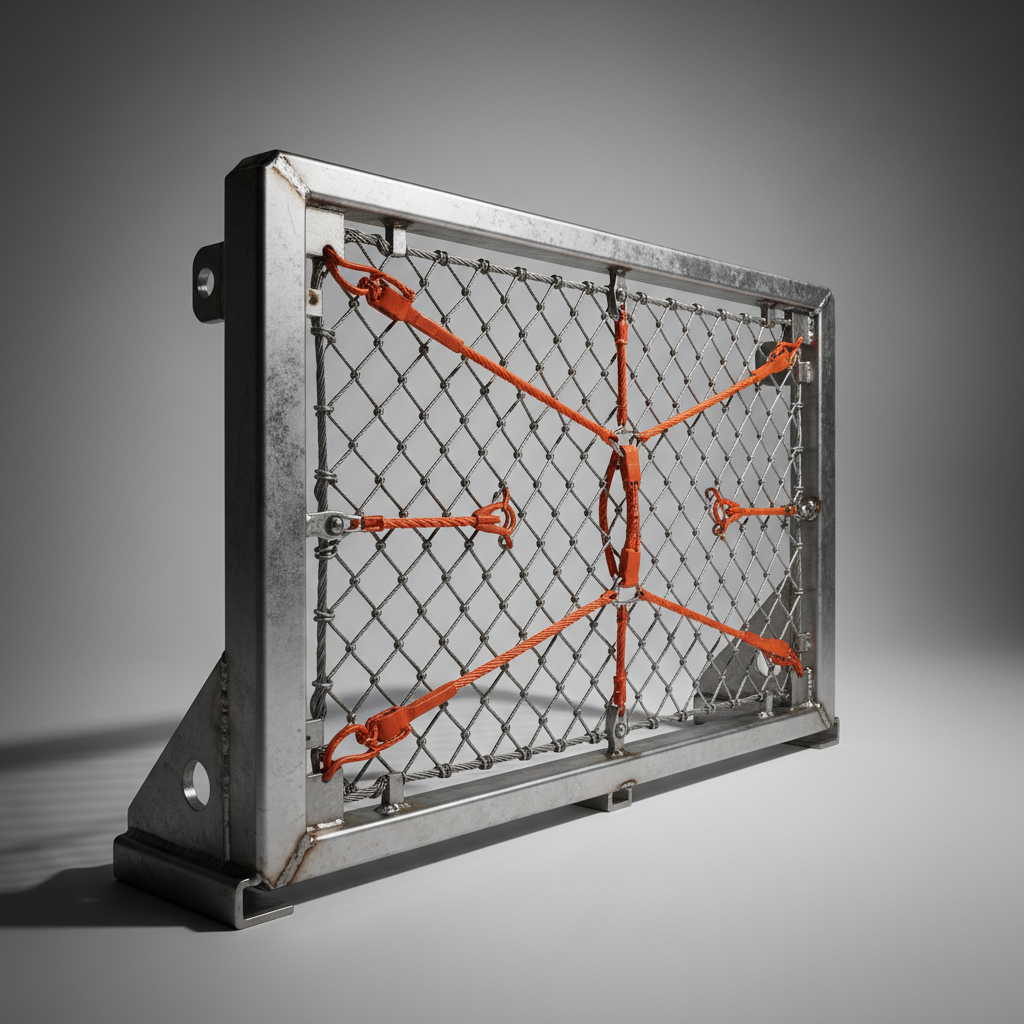
A helideck perimeter net is a safety barrier installed around the perimeter of a helideck to contain objects that may fall from a helicopter during landing or takeoff. These nets are typically constructed from high-strength materials like nylon or Dyneema, designed to withstand significant impact forces. The proper installation and maintenance of these nets are vital for ensuring operational safety.
The purpose of a helideck perimeter net extends beyond simple containment. They provide a critical layer of protection against debris, tools, and even potential fuel leaks, safeguarding personnel and assets located beneath the helideck. This is especially important in complex offshore environments.
Defining Helideck Perimeter Net Systems
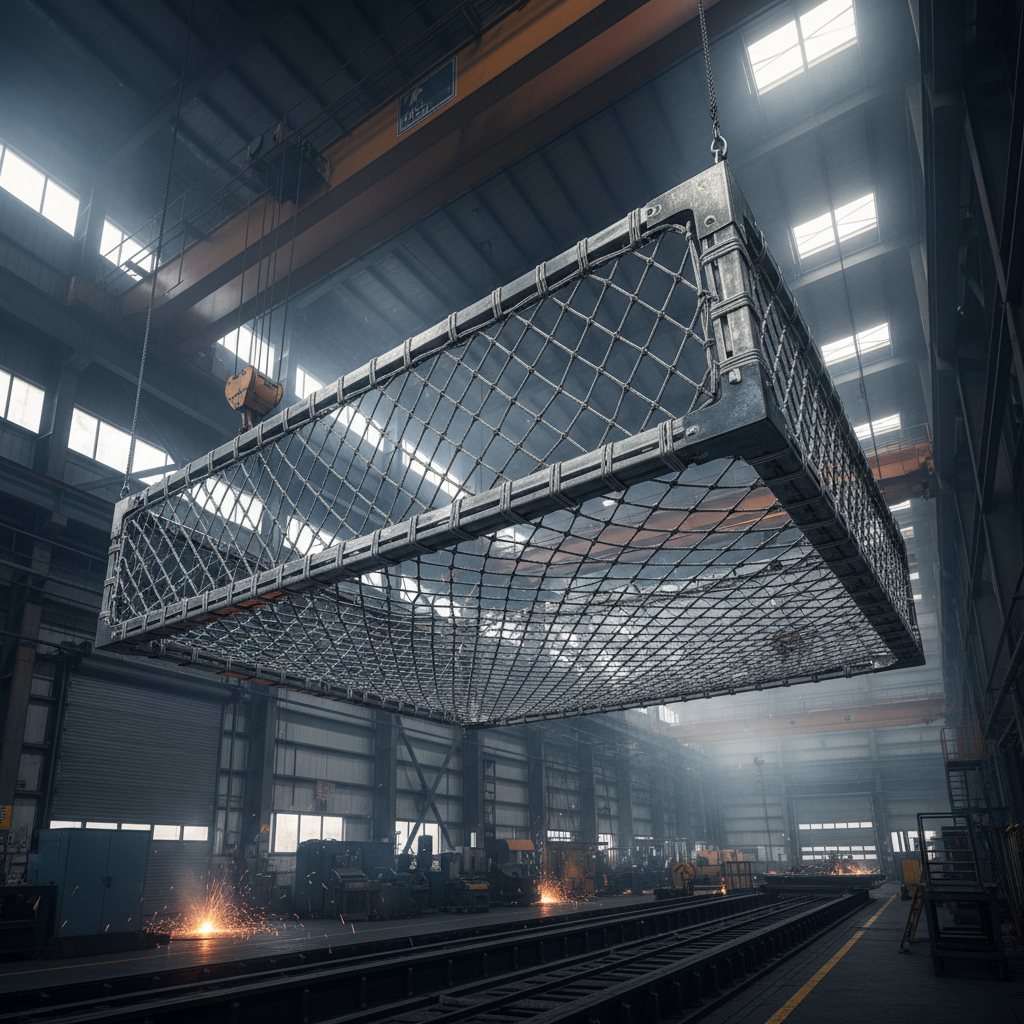
A helideck perimeter net system isn’t simply the netting itself; it's a comprehensive assembly that includes the net, supporting posts, attachment points, and associated hardware. Different designs exist, ranging from fixed systems permanently attached to the helideck to more flexible, modular systems that can be easily installed and removed. Proper design considers wind loading, helideck dimensions, and anticipated traffic levels.
The materials used in these systems vary depending on the environment and operational requirements. Nylon is a common choice due to its strength and affordability, while more specialized materials like Dyneema offer superior strength-to-weight ratios and increased resistance to UV degradation. The selection process also considers the net’s mesh size and knot configuration, impacting its effectiveness in containing different types of objects.
The core function of any helideck perimeter net system is to provide a reliable barrier against falling objects. The system's integrity depends on several factors, including the quality of materials, the precision of installation, and the diligence of ongoing maintenance and inspection. Ensuring all components work seamlessly together is paramount for optimal performance.
Core Components of Effective Helideck Perimeter Netting
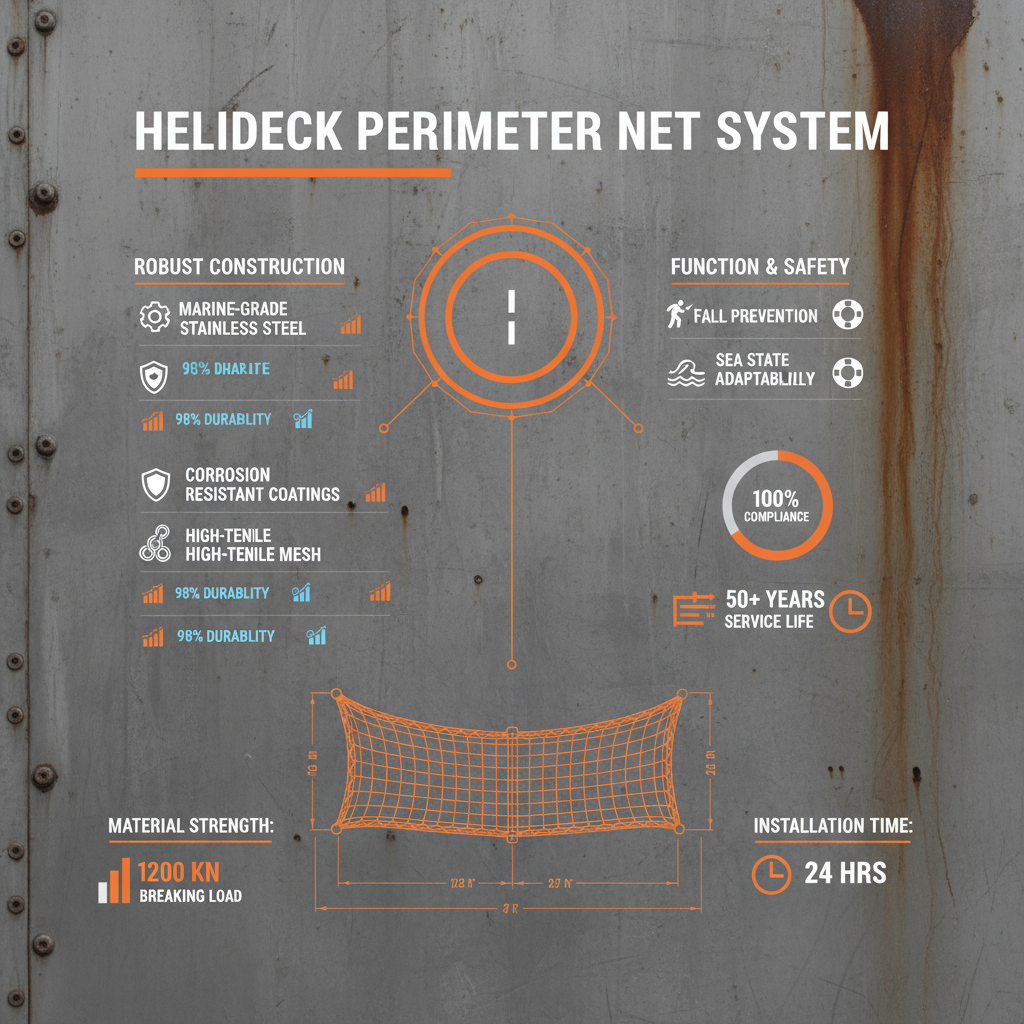
Durability is perhaps the most critical component of an effective helideck perimeter net. The net must withstand constant exposure to harsh marine environments, including saltwater, UV radiation, and extreme temperatures. This necessitates the use of high-quality, corrosion-resistant materials and robust construction techniques.
Scalability refers to the net’s ability to adapt to different helideck sizes and configurations. Modular systems offer greater scalability, allowing operators to customize the net’s dimensions and shape to perfectly fit their specific needs. Proper scalability ensures optimal coverage and eliminates potential gaps where objects could fall through.
Load Capacity is a fundamental requirement. The net must be able to withstand the impact of falling objects of varying weights and sizes without failing. This is typically determined through rigorous testing and certification processes, ensuring the net meets or exceeds industry safety standards.
Performance Metrics for Helideck Perimeter Nets
Evaluating the performance of a helideck perimeter net requires a multi-faceted approach. Key metrics include the net’s tensile strength, impact resistance, and UV degradation rate. Regular inspection and testing are crucial for monitoring these metrics and identifying potential weaknesses before they compromise safety.
Beyond material properties, the effectiveness of installation also plays a significant role. The net must be securely attached to the helideck, with all connections properly tightened and inspected. Improper installation can create weak points that reduce the net’s overall load capacity and increase the risk of failure.
Helideck Perimeter Net Performance Evaluation
Global Applications and Industry Implementation
The most significant application of helideck perimeter nets lies within the offshore oil and gas industry. Platforms around the world, from the North Sea to the Gulf of Mexico, routinely employ these nets to protect personnel during helicopter operations. The stringent safety standards of this industry demand reliable and well-maintained netting systems.
Beyond oil and gas, helideck perimeter nets are increasingly utilized in search and rescue operations, particularly those conducted from offshore bases or remote coastal locations. Their presence enhances the safety of rescue teams and the individuals being rescued, creating a more secure landing environment.
The Long-Term Value and Benefits of Investment
Investing in a high-quality helideck perimeter net delivers substantial long-term value. Beyond the obvious safety benefits, these nets contribute to reduced insurance premiums, minimized operational downtime due to accidents, and improved regulatory compliance. These factors translate into significant cost savings over the lifespan of the net.
The psychological impact of enhanced safety should not be underestimated. Knowing that a robust helideck perimeter net is in place can boost employee morale and foster a culture of safety, leading to increased productivity and reduced risk aversion.
The benefits extend beyond financial gains, fostering a sense of responsibility and care for personnel. A commitment to safety, demonstrated through investments like helideck perimeter net installation, builds trust with employees, stakeholders, and regulators.
Future Trends and Technological Advancements
The future of helideck perimeter nets will likely see increased integration of smart technologies. Sensors embedded within the netting could provide real-time data on net integrity, alerting operators to potential damage or wear and tear. This proactive approach to maintenance can prevent failures and extend the net’s lifespan.
Materials science is also driving innovation. Researchers are exploring new polymers and composite materials that offer even greater strength, durability, and resistance to environmental factors. These advancements promise to deliver nets that are lighter, stronger, and require less maintenance.
The development of more easily deployable and configurable systems is another key trend. Modular nets that can be quickly assembled and disassembled will offer greater flexibility for operations in diverse environments, reducing downtime and increasing efficiency.
Summary of Helideck Perimeter Net Future Trends
| Technology Area |
Current Status |
Projected Advancement (5 Years) |
Potential Impact |
| Sensor Integration |
Early stage prototyping with basic strain gauges. |
Wireless sensor networks providing real-time damage assessment. |
Reduced maintenance costs, proactive safety alerts. |
| Material Science |
Reliance on traditional nylon and Dyneema. |
Introduction of carbon fiber reinforced polymers for increased strength. |
Lighter weight, improved durability, enhanced resistance. |
| Deployment Systems |
Primarily fixed or manually installed systems. |
Automated deployment mechanisms for rapid setup. |
Reduced installation time, increased versatility. |
| Data Analytics |
Limited data collection on net performance. |
Predictive maintenance algorithms based on sensor data. |
Optimized maintenance schedules, minimized downtime. |
| Regulatory Compliance |
Reliance on static safety standards. |
Dynamic compliance monitoring using sensor data. |
Automated reporting and verification. |
| Net Design |
Standard mesh configurations. |
Variable mesh density based on risk assessment. |
Targeted protection, optimized material usage. |
FAQS
The lifespan of a helideck perimeter net varies depending on environmental conditions, usage frequency, and material quality. Typically, a well-maintained net constructed from high-quality materials like Dyneema can last between 5 to 10 years. Regular inspections are crucial to identifying wear and tear and extending its service life. Neglecting maintenance can significantly reduce its effectiveness and necessitate premature replacement.
Helideck perimeter nets should be inspected at least twice a year, and more frequently in harsh environments or areas with high helicopter traffic. Inspections should cover all components, including the netting, support posts, and attachment points. Look for signs of wear, damage, corrosion, or UV degradation. Document all inspection findings and address any issues promptly.
The most common materials are nylon and Dyneema. Nylon is a cost-effective option that provides good strength and durability. Dyneema is a high-performance fiber offering superior strength-to-weight ratio, UV resistance, and abrasion resistance, but comes at a higher cost. Steel and aluminum are used for supporting structures and attachment points due to their strength and corrosion resistance.
Regulations vary by region, but generally align with standards set by ICAO (International Civil Aviation Organization) and local aviation authorities. These standards address net strength, dimensions, installation requirements, and inspection procedures. Compliance with these regulations is essential for ensuring safe helicopter operations and avoiding penalties.
Minor damage, such as small tears, can sometimes be repaired by a qualified technician using appropriate patching materials and techniques. However, significant damage, especially to load-bearing components, typically requires complete net replacement. Attempting to repair severely damaged nets can compromise their structural integrity and pose a safety risk.
The cost of installing a new helideck perimeter net varies depending on factors such as the helideck size, net material, complexity of the installation, and location. Costs can range from several thousand to tens of thousands of dollars. It's crucial to obtain quotes from multiple reputable suppliers and consider the long-term cost of ownership, including maintenance and potential replacement.
Conclusion
Helideck perimeter nets represent a vital component of helicopter safety protocols, safeguarding personnel and assets in demanding operational environments. From their core function of containing dropped objects to the evolving integration of smart technologies, these systems continue to enhance safety, reduce risk, and contribute to the overall efficiency of operations across diverse industries. Understanding their construction, performance metrics, and regulatory requirements is paramount for responsible and effective implementation.
Looking ahead, continued innovation in materials, deployment systems, and data analytics will further elevate the role of helideck perimeter nets in maintaining a secure operating environment. Prioritizing proactive maintenance, rigorous inspections, and adherence to industry best practices will ensure the long-term effectiveness and reliability of these critical safety features. For more information and to explore our range of solutions, visit our website: www.hfpetromesh.com