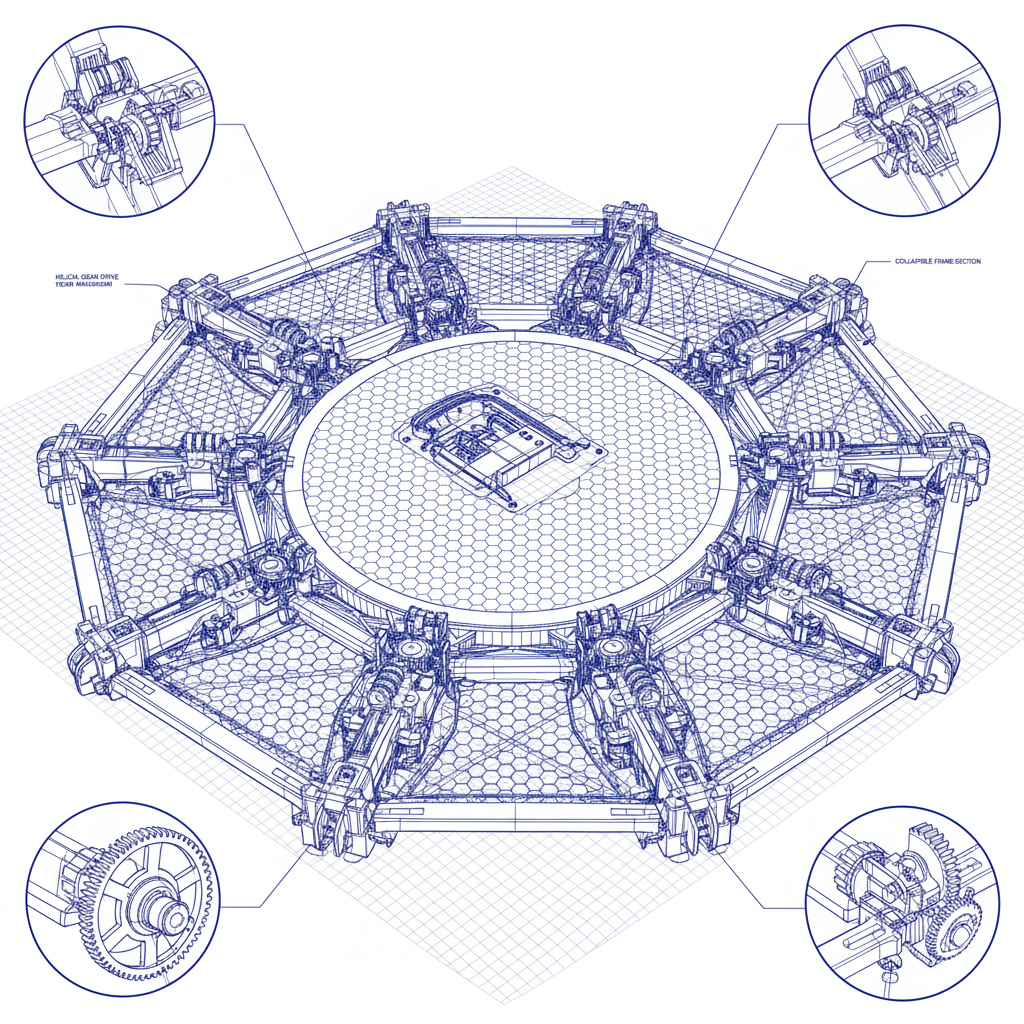
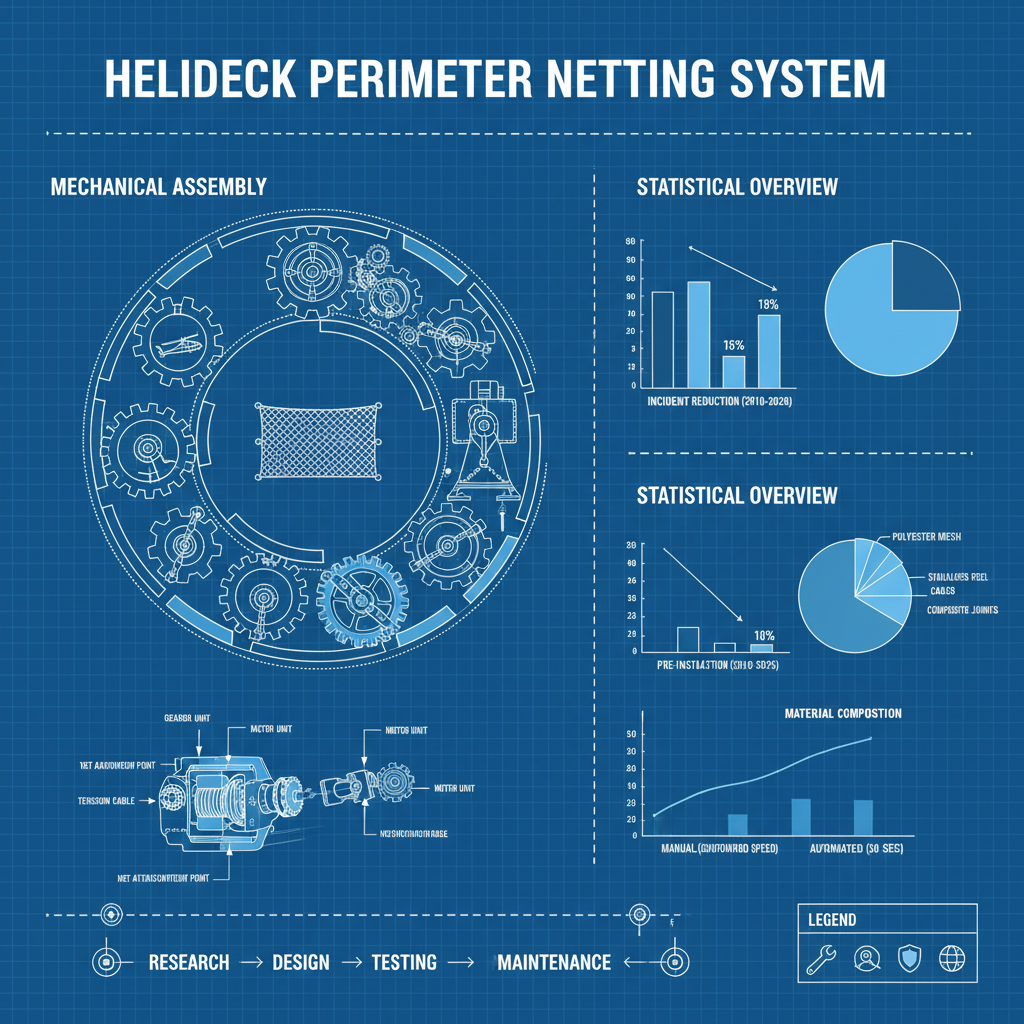
Helideck netting is a critical safety component for offshore platforms, helipads, and other locations where helicopters land and take off. It serves as a vital barrier, preventing foreign object debris (FOD) from being ingested into helicopter engines during operation. This is not merely a regulatory requirement; it’s a fundamental aspect of ensuring passenger and crew safety, and minimizing the risk of costly and potentially catastrophic incidents. The global demand for safe and reliable helideck operations is steadily increasing with the expansion of offshore energy exploration, search and rescue operations, and transportation services.
The importance of helideck netting extends beyond direct safety. It contributes to operational efficiency by reducing downtime associated with FOD removal and inspections. Regulatory bodies like the International Civil Aviation Organization (ICAO) and national aviation authorities increasingly mandate stringent standards for helideck safety, driving the need for high-quality, certified netting solutions. Statistics show a significant correlation between inadequate helideck safety measures and helicopter incidents, highlighting the critical role of effective debris containment.
Understanding the nuances of helideck netting – its materials, installation procedures, maintenance requirements, and regulatory compliance – is paramount for operators and maintainers. Investing in robust helideck netting solutions is not just a cost of doing business; it's a demonstrable commitment to safety, operational integrity, and responsible environmental stewardship. This commitment fosters trust with stakeholders, including passengers, crew, and regulatory agencies.
Introduction to Helideck Netting
Helideck netting is a specialized safety system designed to contain loose objects and debris on helidecks, preventing them from being drawn into the rotors of landing or departing helicopters. Its primary function is to mitigate the risk of Foreign Object Damage (FOD), which can cause significant engine damage, leading to potential helicopter crashes. The system is a crucial component of helideck safety protocols worldwide.
Beyond preventing FOD, helideck netting also plays a role in protecting personnel and equipment on the helideck. By containing debris, it minimizes the risk of injuries from flying objects. Properly installed and maintained netting systems contribute significantly to a safer working environment for all individuals involved in helicopter operations.
Defining Helideck Netting and its Purpose
Helideck netting, at its core, is a mesh-like barrier constructed from high-strength materials – typically nylon, polyester, or specialized polymers – designed to enclose the perimeter of a helideck. This netting is secured to a support structure, creating a containment zone that prevents objects from becoming airborne during helicopter operations. The netting is frequently designed with a specific mesh size to effectively capture a wide range of potential FOD.
The purpose of helideck netting is multi-faceted. Primarily, it protects helicopters from FOD, ensuring the integrity of the engines and flight controls. Secondly, it safeguards personnel working on or near the helideck. Thirdly, it helps maintain operational continuity by minimizing disruptions caused by FOD-related inspections and repairs. Modern helideck netting solutions often incorporate quick-release mechanisms for rapid access during emergencies.
This isn’t a new concept; however, advancements in materials science and engineering have led to significant improvements in the durability, strength, and ease of installation of contemporary helideck netting systems. These improvements are directly linked to the growing demands for enhanced safety standards in the offshore and aviation industries.
Key Components of Effective Helideck Netting
Several key factors contribute to the effectiveness of helideck netting. Material Strength is paramount, as the netting must withstand significant forces generated by helicopter downwash and potential impact from debris. High-tenacity polymers are often preferred for their superior strength-to-weight ratio. The second vital component is Mesh Size, which must be small enough to capture common FOD items but large enough to minimize wind resistance and maintain visibility.
Installation Quality is equally critical. Proper installation ensures the netting is securely anchored and correctly tensioned, preventing sagging or detachment. This often requires skilled technicians and adherence to manufacturer specifications. Compliance with Standards like those set by ICAO and local aviation authorities is non-negotiable, ensuring the netting meets required safety benchmarks. Finally, UV Resistance is vital; prolonged exposure to sunlight can degrade materials, necessitating netting with built-in UV protection.
These components work in synergy. A strong material alone won't guarantee safety if the mesh size is too large, or if the installation is substandard. A holistic approach, considering all aspects from material selection to ongoing maintenance, is essential for creating a truly effective helideck netting system.
Global Applications of Helideck Netting
Helideck netting is utilized across a diverse range of industries and geographical locations. The most prominent application lies in the Offshore Oil and Gas Sector, where helidecks are essential for transporting personnel and supplies to and from offshore platforms. Regions with significant offshore drilling activity, such as the North Sea, the Gulf of Mexico, and Southeast Asia, represent major markets for helideck netting.
Beyond oil and gas, helideck netting is crucial for Search and Rescue (SAR) Operations. Coast Guard facilities, hospital helipads, and dedicated SAR bases rely on netting to ensure safe helicopter landings and takeoffs during emergency missions. It’s also widely employed in Remote Industrial Zones, like mining operations in Canada or Australia, where helicopters are the primary mode of transportation.
In post-disaster relief operations, temporary helipads are frequently established to facilitate the delivery of aid and the evacuation of casualties. Helideck netting provides a crucial safety measure in these chaotic environments. Even in civilian applications, such as rooftop helipads at hospitals or corporate facilities, netting is becoming increasingly common as a proactive safety measure.
Helideck Netting Application by Industry
Advantages and Long-Term Value of Helideck Netting
The advantages of implementing helideck netting extend far beyond simply complying with regulations. Tangible benefits include significantly reduced maintenance costs associated with FOD-related engine repairs, decreased downtime due to inspections and debris removal, and lowered insurance premiums due to a demonstrably safer operating environment. These cost savings accumulate over the lifespan of the netting system, providing a substantial return on investment.
From a long-term perspective, helideck netting promotes sustainability by minimizing environmental damage from potential helicopter incidents. It also enhances the reputation of operators by showcasing a commitment to safety and responsible operations. This builds trust with employees, customers, and stakeholders, fostering a positive brand image. Ultimately, helideck netting isn’t just about preventing accidents; it’s about cultivating a culture of safety.
Future Trends and Innovations in Helideck Netting
The future of helideck netting is likely to be shaped by several emerging trends. We’re seeing increasing demand for lighter-weight materials, such as advanced polymers and carbon fiber composites, to reduce the overall load on helideck structures. Smart netting systems, incorporating sensors to detect debris accumulation or structural damage, are also under development. These systems would provide real-time alerts, enabling proactive maintenance and preventing potential safety issues.
The integration of digital technologies, such as drone-based inspections, will streamline the process of assessing the condition of helideck netting. Furthermore, advancements in quick-release mechanisms will enhance the speed and efficiency of emergency access. Sustainable materials, derived from renewable resources, are also gaining traction as the industry seeks to reduce its environmental footprint.
Challenges and Solutions in Helideck Netting Implementation
Despite the benefits, implementing and maintaining helideck netting can present several challenges. One common issue is ensuring compatibility with existing helideck structures, as some older helidecks may require modifications to accommodate a netting system. Another challenge is maintaining the netting in harsh environmental conditions, particularly in offshore environments exposed to saltwater and extreme weather.
Solutions include employing modular netting systems that can be adapted to various helideck configurations and utilizing corrosion-resistant materials and coatings to withstand harsh environments. Regular inspection and maintenance programs, combined with skilled technician training, are also essential for ensuring the long-term integrity of the netting. Developing standardized installation procedures and certification programs can further enhance quality control.
Addressing these challenges proactively is vital for maximizing the effectiveness of helideck netting and ensuring the safety of helicopter operations. Investing in high-quality materials, skilled personnel, and robust maintenance procedures will yield significant long-term benefits.
Helideck Netting Implementation Analysis
| Implementation Factor |
Cost (1-10) |
Complexity (1-10) |
Long-Term Impact (1-10) |
| Material Selection |
7 |
5 |
9 |
| Installation Process |
6 |
8 |
8 |
| Regular Inspections |
3 |
4 |
10 |
| Maintenance Procedures |
5 |
6 |
9 |
| Regulatory Compliance |
4 |
7 |
10 |
| Environmental Factors |
6 |
5 |
8 |
FAQS
The lifespan of helideck netting varies depending on the material, environmental conditions, and frequency of use. However, a well-maintained netting system typically lasts between 5 to 10 years. Regular inspections are crucial to identify signs of wear and tear, such as UV degradation, fraying, or structural damage, and to determine when replacement is necessary. Choosing high-quality materials with built-in UV protection can extend the netting’s lifespan significantly.
Key regulatory requirements are primarily outlined by the International Civil Aviation Organization (ICAO) and implemented by national aviation authorities. These typically include specifications for netting material strength, mesh size, installation procedures, and inspection frequencies. Compliance with these regulations is mandatory for helidecks used for commercial operations. Operators should consult with qualified helideck safety professionals to ensure they meet all applicable requirements.
Helideck netting should undergo regular inspections, at least annually, and more frequently in harsh environments. Daily visual checks are also recommended to identify any immediate damage or debris accumulation. Detailed inspections should be conducted by qualified personnel, examining the netting for signs of wear, tear, corrosion, and proper tension. Detailed records of inspections should be maintained for regulatory compliance.
High-tenacity nylon and polyester are commonly used materials for helideck netting due to their strength, durability, and resistance to abrasion. However, specialized polymers with enhanced UV resistance and low stretch are increasingly preferred for long-term performance. The best material depends on the specific environmental conditions and the level of risk. Consulting with a helideck netting specialist is recommended to select the most appropriate material.
Minor damage to helideck netting, such as small tears, can sometimes be repaired by qualified technicians using appropriate patching materials and techniques. However, significant damage, such as large rips, structural weakening, or widespread degradation, typically requires complete replacement. Safety is paramount; any repair must restore the netting to its original strength and integrity.
The cost of installing a helideck netting system varies considerably depending on the size of the helideck, the complexity of the installation, the materials used, and location-specific labor costs. A typical installation can range from $5,000 to $20,000 or more. It’s essential to obtain quotes from multiple qualified installers and consider the long-term cost savings associated with increased safety and reduced maintenance.
Conclusion
In conclusion, helideck netting is a critical safety component in a multitude of industries, safeguarding personnel, protecting valuable assets, and ensuring operational efficiency. From its core function of preventing FOD to its contribution to sustainable practices and regulatory compliance, the benefits of a robust helideck netting system are undeniable. Investing in high-quality netting, proper installation, and consistent maintenance isn't just a matter of adherence to standards, it’s a commitment to a safer and more reliable future for helicopter operations globally.
Looking ahead, we can anticipate continued innovation in materials, sensor technology, and installation techniques. Embracing these advancements will allow the industry to further enhance the safety, durability, and cost-effectiveness of helideck netting systems. We encourage operators to prioritize helideck safety and explore the latest solutions to mitigate risks and optimize performance. For more information and to explore our range of helideck netting solutions, visit our website: helideck netting.