When evaluating industrial flooring and platform solutions, the galvanised grating price serves as a critical benchmark for project budgeting and long-term asset management. In the demanding environments of oil and gas, mining, and chemical processing, selecting a grating system isn't just about the initial cost, but about balancing structural integrity with the corrosion resistance provided by hot-dip galvanization.
Understanding the fluctuations in the galvanised grating price allows procurement managers to optimize their supply chains, ensuring that safety standards are met without compromising the financial viability of the infrastructure project. As global steel markets shift, the intersection of raw material costs and coating quality becomes the primary driver of overall value.
Ultimately, the galvanised grating price reflects the comprehensive quality of the product—from the grade of the carbon steel used to the thickness of the zinc layer. By analyzing these price drivers, engineers can make informed decisions that reduce maintenance cycles and enhance the operational lifespan of industrial walkways and drainage systems.
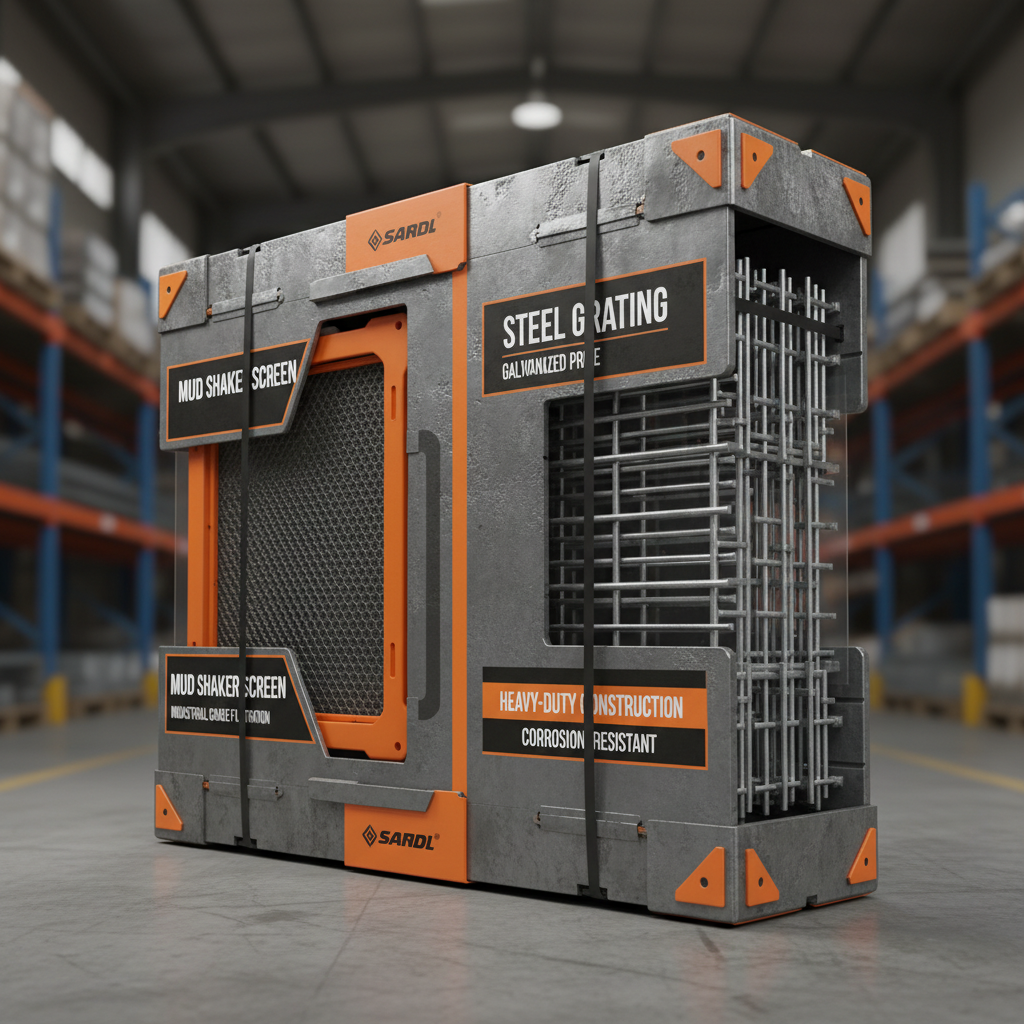
Global Market Drivers of Galvanised Grating Price
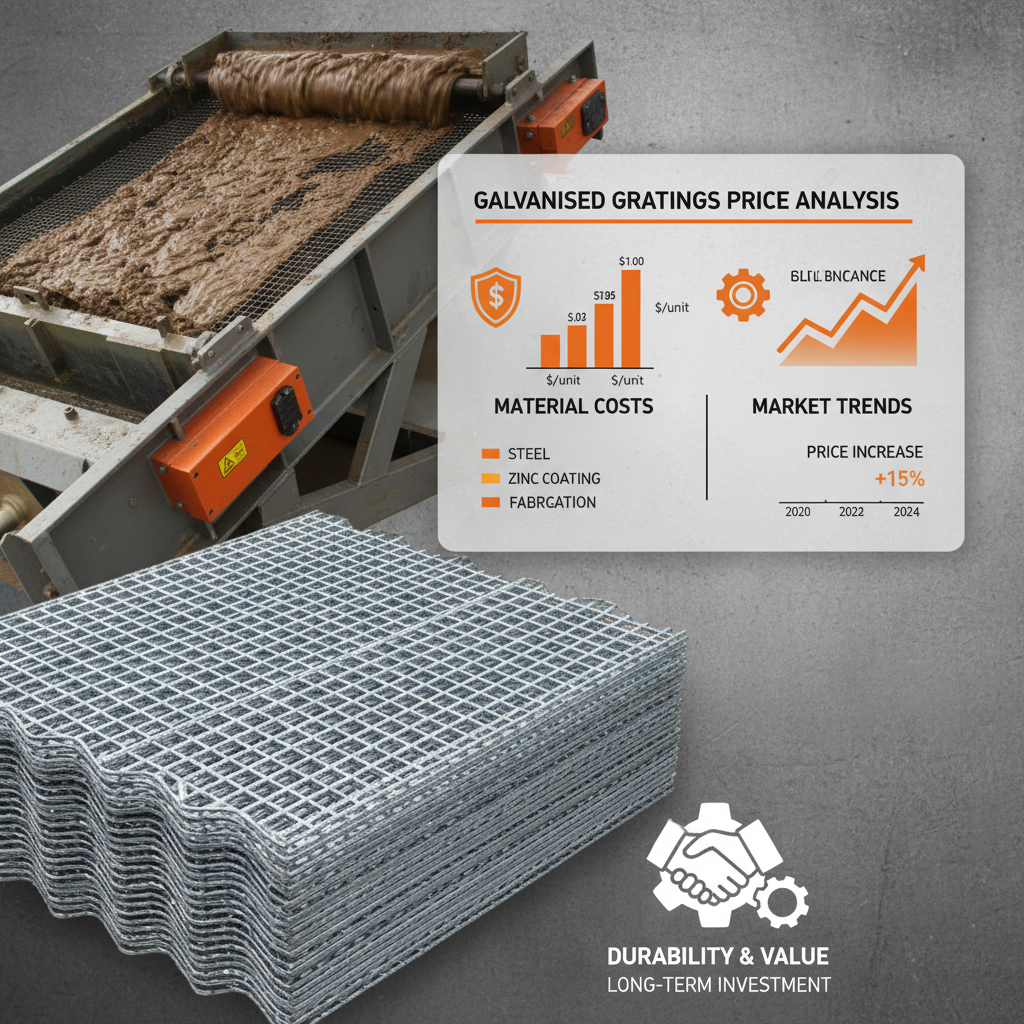
The global landscape for industrial steel products is heavily influenced by the volatility of raw material indices. The galvanised grating price is primarily dictated by the cost of hot-rolled steel and the market price of zinc. According to international trade data, fluctuations in energy costs and mining outputs in key regions like China and India create a ripple effect, altering the procurement costs for infrastructure projects worldwide.
Furthermore, international standards such as ISO 1461 for hot-dip galvanizing ensure a baseline of quality, but the cost of adhering to these strict certifications adds a layer of complexity to the pricing. When companies seek a competitive galvanised grating price, they must consider the trade-off between low-cost, non-certified alternatives and the long-term security of standardized, high-zinc-coating products.
FAQS
The most significant factors are the global market prices of hot-rolled steel and zinc ingots. Since these are commodities traded on global exchanges, any geopolitical instability, changes in mining output, or fluctuations in energy costs for the smelting process directly impact the production cost and the final galvanised grating price.
Not always, but often. A significantly lower price might indicate a thinner zinc coating (lower micron count) or the use of electro-galvanizing instead of hot-dip galvanizing. Hot-dip provides a much thicker, more durable layer. Always verify the coating thickness and certification standards before choosing based on price alone.
Mesh size determines the volume of steel used per square meter. A tighter mesh (smaller openings) requires more bearing and cross bars, which increases the material weight. Since pricing is often based on weight (per ton), a tighter mesh will result in a higher galvanised grating price for the same surface area.
Yes, absolutely. Standardized dimensions allow manufacturers to optimize their production runs and reduce waste. Custom-cut panels require manual labor, specialized jigging, and result in more scrap material, all of which are passed on to the customer as a higher galvanised grating price.
Yes, because galvanised grating is heavy. The logistics cost—including freight, customs duties, and inland transport—can represent a significant portion of the delivered cost. Many suppliers provide an "Ex-Works" price, but the final "Landed" galvanised grating price will include these transportation variables.
Due to the volatility of zinc and steel markets, most professional suppliers provide quotes that are valid for 7 to 15 days. If the market price of raw materials spikes, the galvanised grating price may be adjusted to reflect current costs to maintain production quality.
Conclusion
Navigating the complexities of the galvanised grating price requires a deep understanding of both material science and global market trends. By evaluating the cost not as a simple purchase price, but as a long-term investment in safety, durability, and sustainability, industrial operators can ensure their facilities remain operational with minimal downtime. The balance between steel grade, zinc coating thickness, and fabrication precision remains the gold standard for determining true value.
As we look toward a future of smarter manufacturing and greener materials, the importance of standardized, high-quality galvanization will only grow. We recommend that procurement teams prioritize certified suppliers who offer transparency in their pricing models and adherence to international standards. For those looking to optimize their industrial flooring, visiting our experts is the first step toward a cost-effective and secure infrastructure. Visit our website: www.hfpetromesh.com
Related Posts
-
Exploring the Versatility and Global Demand for Steel Grating Panels
-
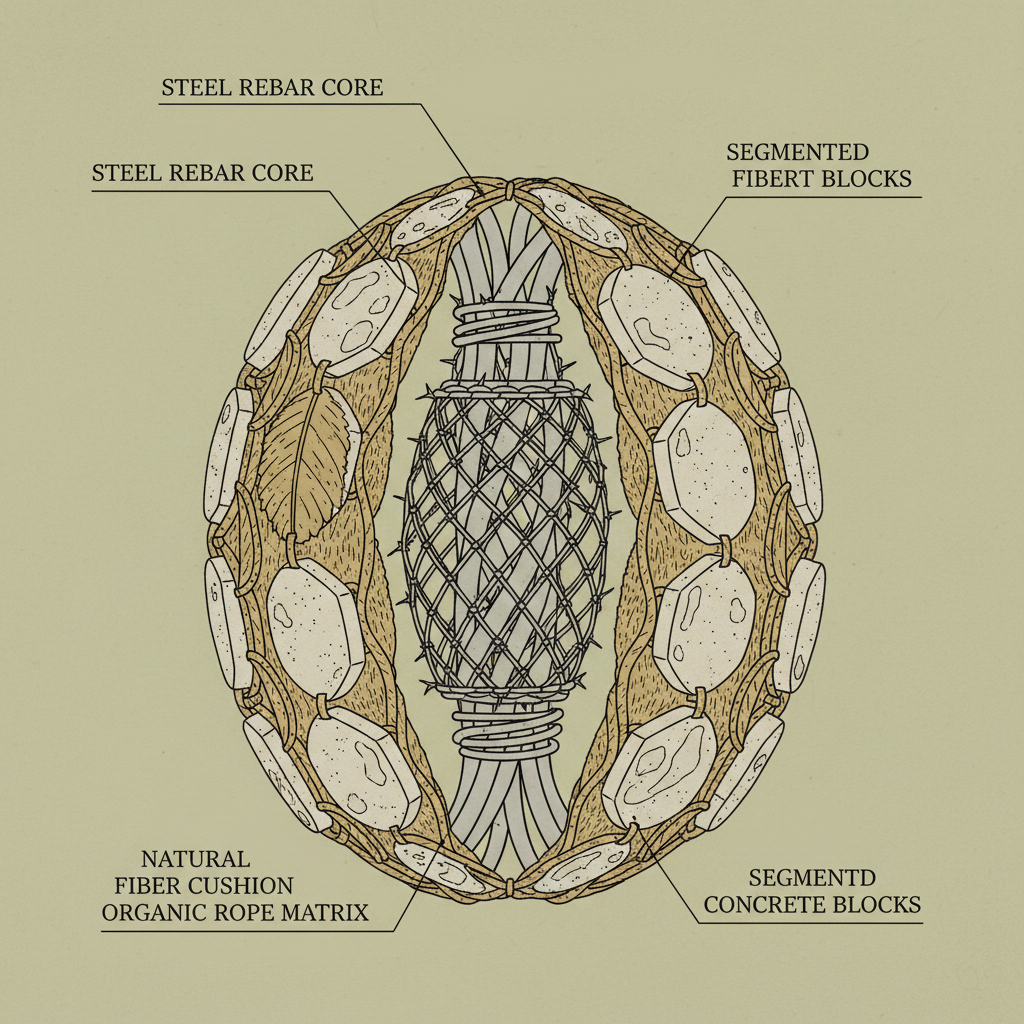
Optimizing Infrastructure with Durable Concrete Weight Coating Mesh Solutions
-
Comprehensive Guide to Stainless Steel Rope Helipad Perimeter Safety Netting
-
Comprehensive Guide to Buy Steel Grating for Industrial and Architectural Needs