Expanded metal steel grating is a versatile construction material experiencing increased global demand due to its robust nature and diverse applications. From industrial flooring and safety walkways to architectural features and even renewable energy infrastructure, this material plays a critical role in modern construction and engineering projects. Its inherent strength, coupled with open-grid design providing excellent drainage and ventilation, makes it a superior alternative to traditional solid surfaces in numerous settings.
The growing need for durable, low-maintenance, and cost-effective infrastructure solutions drives the expansion of the expanded metal steel grating market. Regulations surrounding workplace safety, coupled with increasing industrialization in developing nations, further contribute to this demand. Understanding the nuances of its production, types, and applications is crucial for engineers, architects, and procurement professionals globally.
Furthermore, the sustainability aspects of steel, particularly when sourced responsibly and designed for longevity, align with the increasing focus on green building practices, making expanded metal steel grating a material of choice for environmentally conscious projects. expanded metal steel grating offers a unique blend of performance and sustainability.
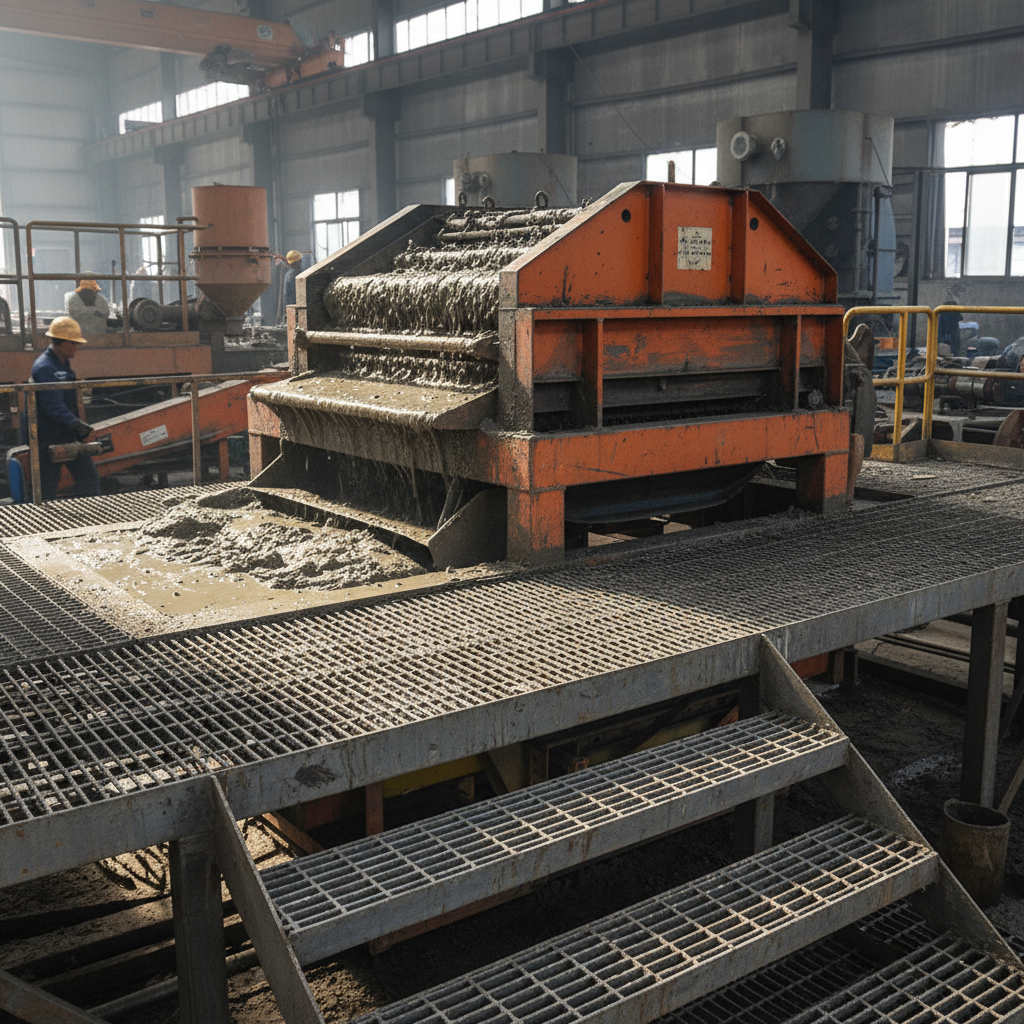
Introduction to Expanded Metal Steel Grating
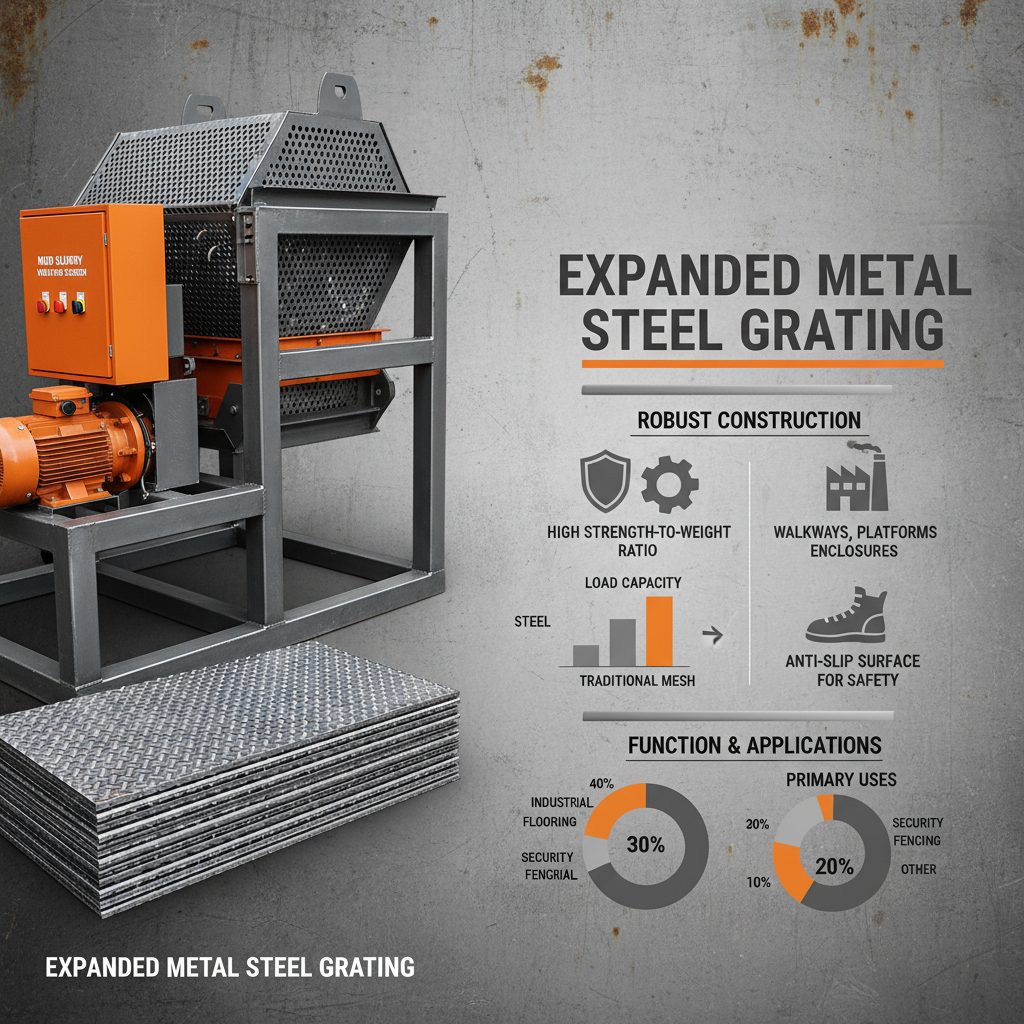
Expanded metal steel grating is created by slitting and stretching a sheet of metal, resulting in a rigid mesh with diamond-shaped openings. This process eliminates the need for welding, creating a structurally sound and durable product. The versatility in material thickness, mesh size, and pattern allows for custom solutions tailored to specific project requirements.
Its unique manufacturing process provides an inherently slip-resistant surface, crucial for safety in industrial and public spaces. The open grid design also allows for light penetration, reducing the need for artificial lighting, and efficient airflow, minimizing moisture buildup and corrosion risks. The choice of carbon steel, stainless steel, or aluminum ensures suitability for varied environments.
FAQS
Expanded metal grating is formed from a single piece of metal that’s slit and stretched, creating an integrated mesh. Welded steel grating, on the other hand, is assembled from individual bars welded together. This means expanded metal grating generally has a higher load-bearing capacity and is less prone to failure at joints, while welded grating can be more customizable in terms of bar spacing and size.
The corrosion resistance of expanded metal grating depends on the material used. Carbon steel grating requires protective coatings, such as galvanization or painting, to prevent rust. Stainless steel offers superior corrosion resistance and is ideal for harsh environments, including marine and chemical processing facilities. Aluminum grating is also highly corrosion-resistant and lightweight.
Load capacity is a critical factor. It depends on the application, expected traffic, and the grating's mesh size, thickness, and material. Consult engineering specifications and consider both static (constant) and dynamic (impact) loads. Always ensure the grating meets or exceeds the required safety factors for the intended use.
Yes, expanded metal grating is well-suited for outdoor applications. However, appropriate material selection and surface treatments are crucial. Stainless steel and aluminum are excellent choices for corrosion resistance. Galvanized carbon steel also performs well with proper maintenance. Consider drainage to prevent water accumulation and potential ice formation.
Expanded metal grating enhances workplace safety through its slip-resistant surface, which provides excellent traction even when wet or oily. The open grid design allows for ventilation and drainage, preventing the buildup of hazardous liquids. It also provides visibility, reducing the risk of trips and falls.
Lead times for custom orders vary depending on the complexity of the design, material availability, and current production schedule. Typically, standard orders ship within 2-4 weeks, while highly customized projects may require 6-8 weeks or longer. Obtaining a quote and discussing project requirements with a supplier is essential for accurate lead time estimation.
Conclusion
Expanded metal steel grating remains a crucial material in modern infrastructure and industrial applications, offering a compelling combination of strength, durability, safety, and cost-effectiveness. Its versatility allows it to address diverse challenges, from enhancing workplace safety to providing sustainable building solutions. Understanding the nuances of material selection, design considerations, and emerging trends is vital for maximizing its benefits.
Looking ahead, continued innovation in materials science, manufacturing techniques, and smart technologies will further enhance the performance and sustainability of expanded metal steel grating. By embracing these advancements, industries can leverage this robust material to create safer, more efficient, and more environmentally responsible infrastructure for the future. Learn more and explore our product range at www.hfpetromesh.com.
Related Posts
-
Comprehensive Guide to Stainless Steel Rope Helipad Perimeter Safety Netting
-
Comprehensive Guide to Chain Link Helideck Mesh for Enhanced Safety
-
Durable Metal Grating for Sale Enhancing Safety and Industrial Solutions
-
Optimizing Construction with Durable Perimeter Safety Netting and Material Science