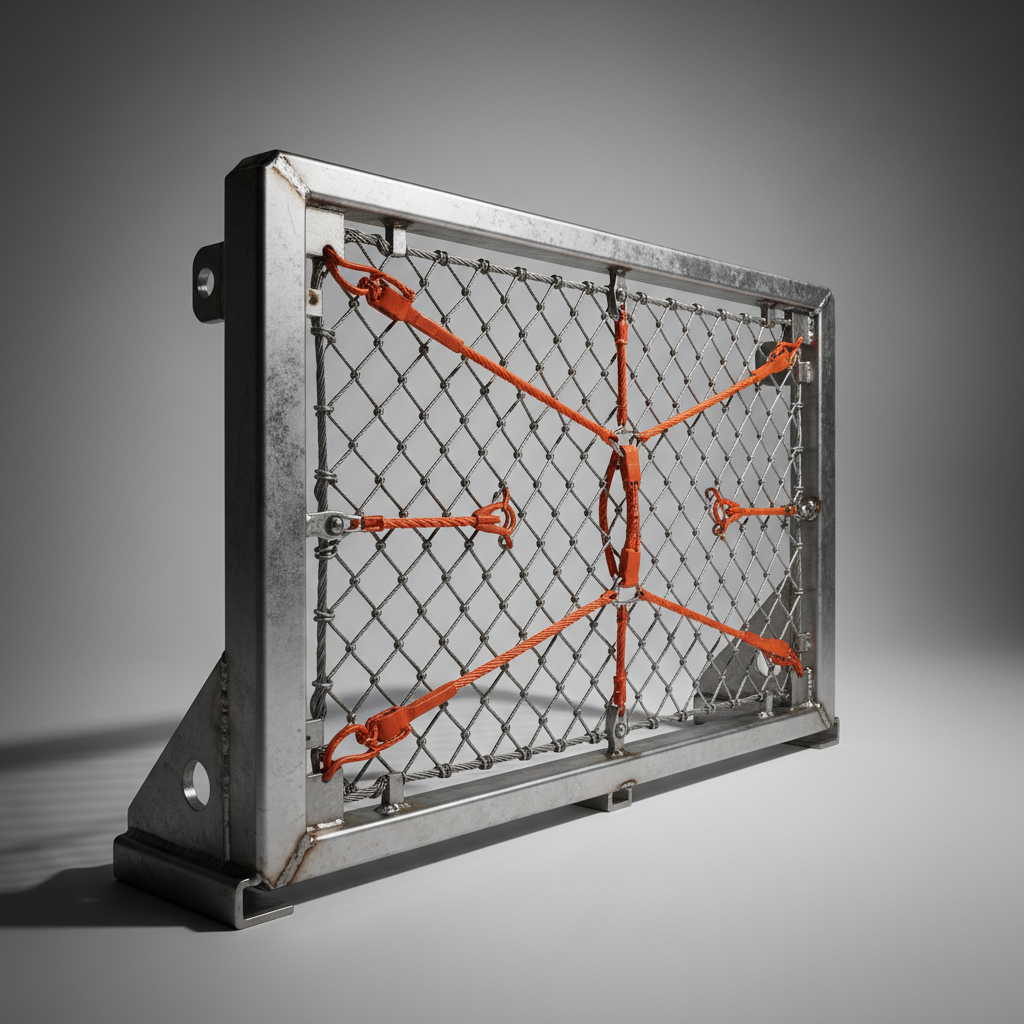
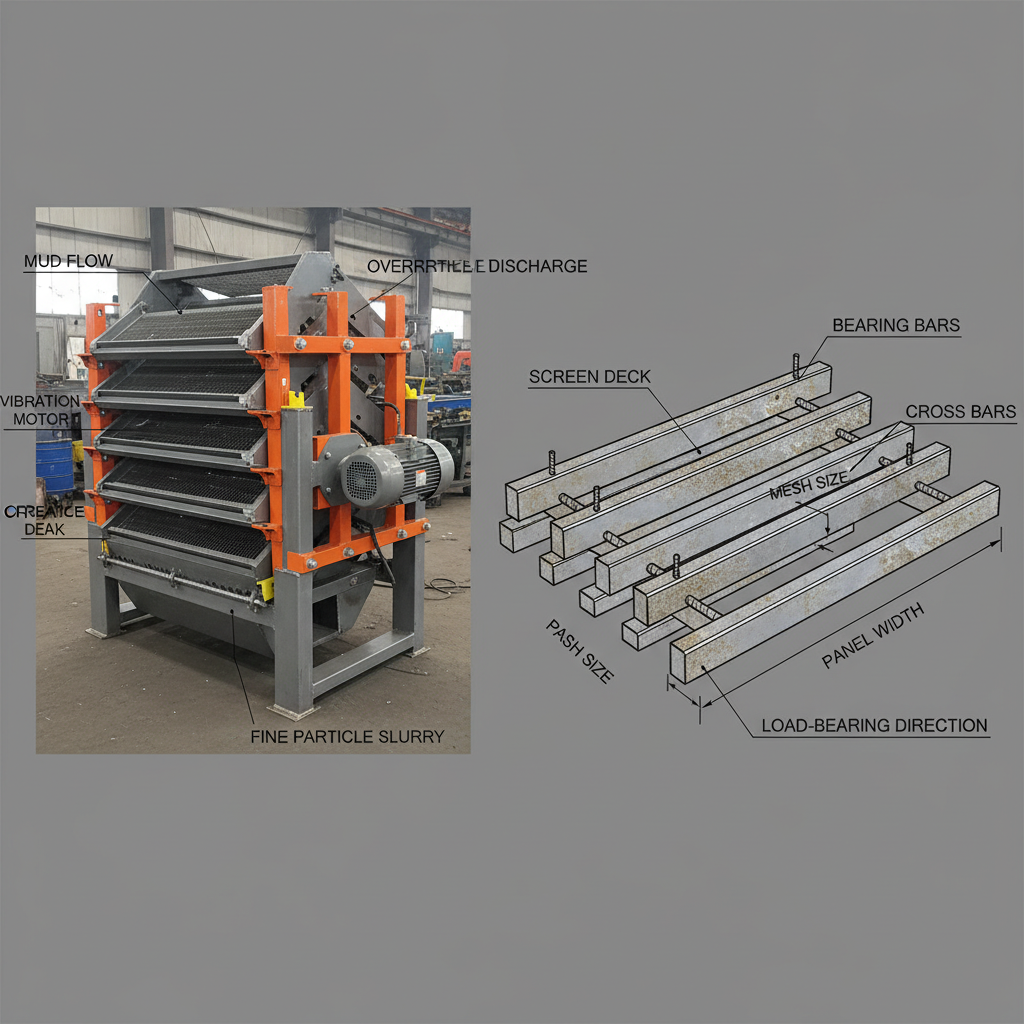
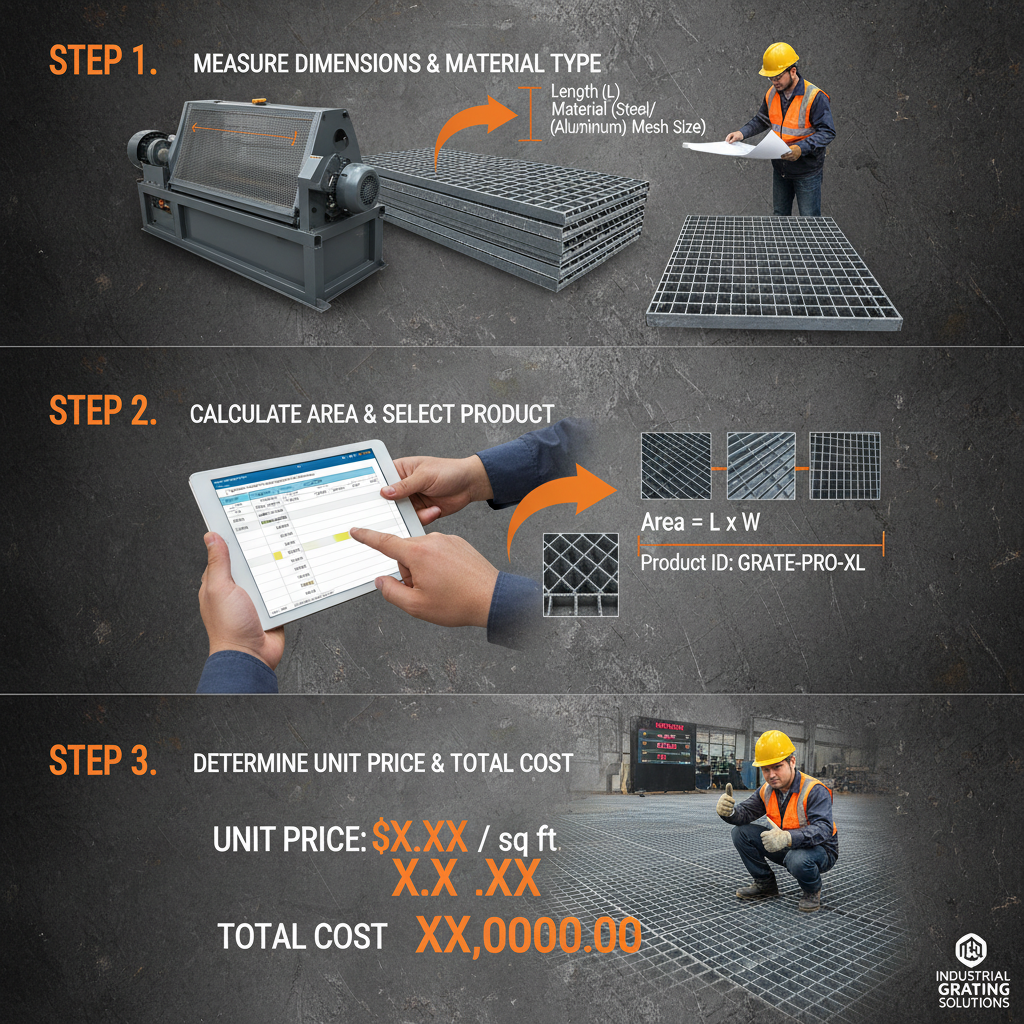
Steel grating, in its diverse types of steel grating forms, represents a cornerstone material in modern infrastructure and industrial applications. Globally, its demand is driven by the continuous need for robust, safe, and cost-effective flooring, walkways, and protective barriers. From bustling cityscapes to remote industrial sites, steel grating’s versatility is unmatched. Understanding the various types of steel grating is crucial for engineers, architects, and procurement professionals aiming to optimize project efficiency and longevity.
The increasing urbanization and infrastructural development, particularly in emerging economies, are fueling the growth of the steel grating market. According to the World Bank, global infrastructure spending is projected to reach $94 trillion by 2040. Steel grating plays a pivotal role in this growth, offering solutions for a wide array of sectors, including oil and gas, power generation, and transportation. Addressing challenges like corrosion, load capacity, and safety standards is paramount in ensuring the reliable and sustainable implementation of steel grating systems.
The significance of choosing the right type of steel grating extends beyond immediate cost considerations. It directly impacts long-term maintenance expenses, safety protocols, and overall project success. Recognizing the subtleties between different grating types—such as welded, swaged, riveted, and stair treads—enables informed decision-making and avoids costly errors down the line.
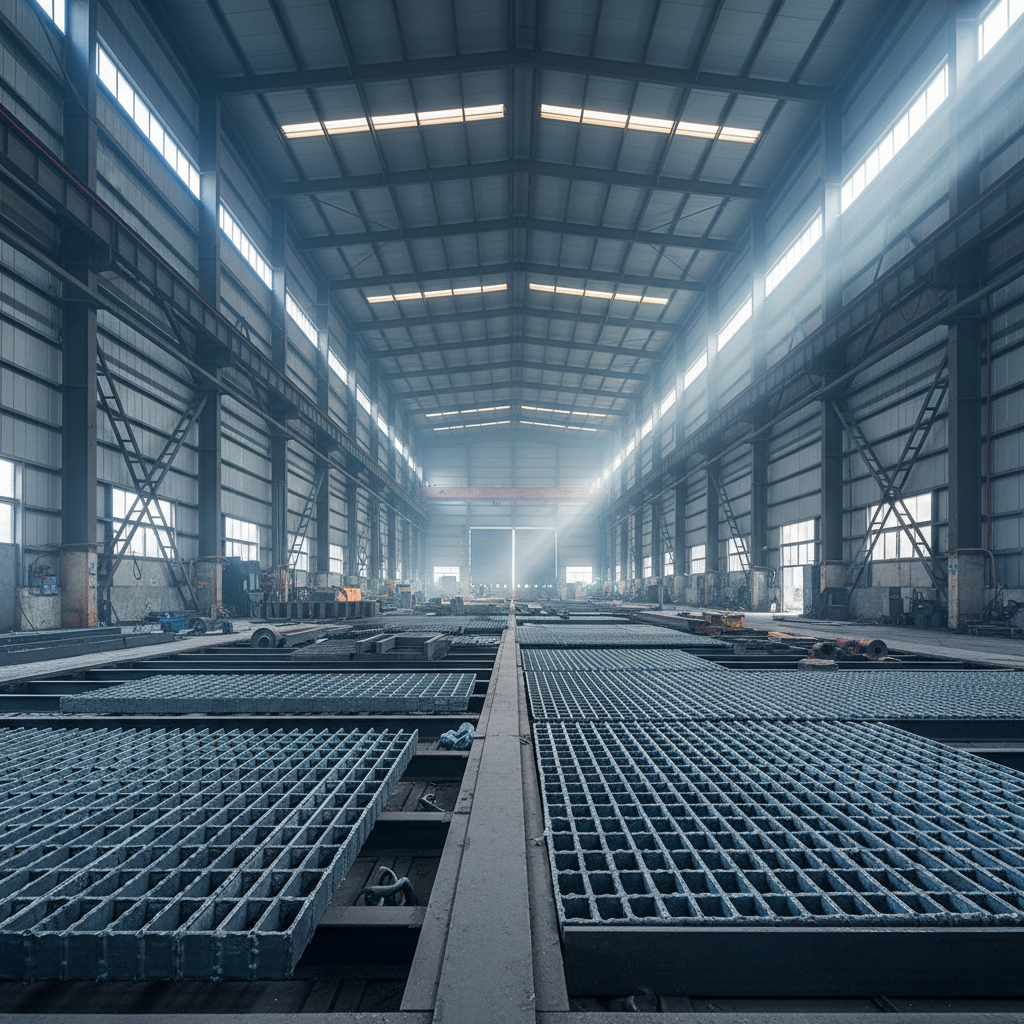
Introduction to types of steel grating
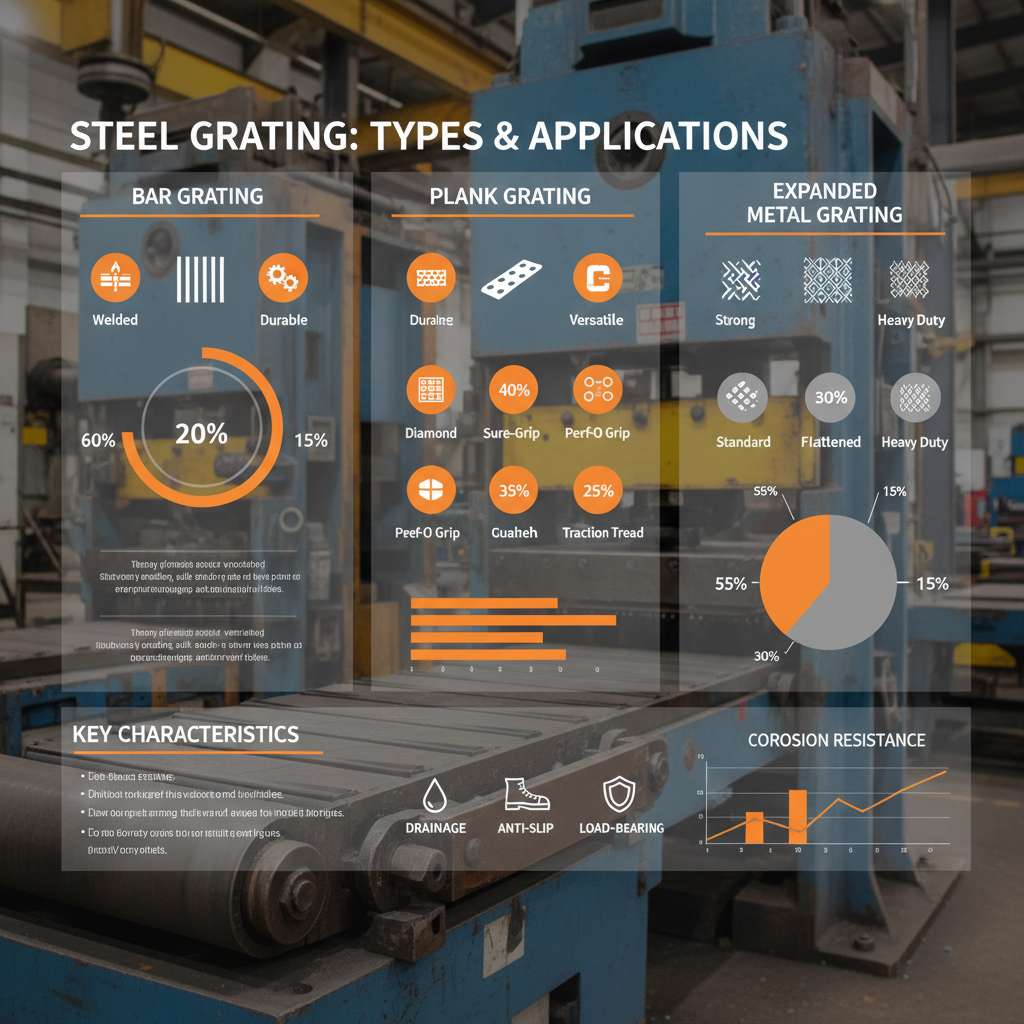
Different types of steel grating cater to specific load requirements, environmental conditions, and aesthetic preferences. Welded steel grating, for instance, is known for its high load-bearing capacity and structural integrity, making it ideal for heavy industrial applications. Conversely, swaged grating, formed by pressure-locking crossbars into bearing bars, offers a secure and slip-resistant surface, suitable for walkways and platforms. The choice ultimately depends on a careful assessment of the project's unique demands.
Understanding the manufacturing processes and material compositions of various types of steel grating is equally important. Stainless steel grating provides exceptional corrosion resistance in harsh environments, while carbon steel grating offers a more economical solution for less demanding applications. Exploring these options allows for a tailored approach to selecting the optimal grating solution for maximum performance and longevity.
FAQS
Welded steel grating is formed by resistance welding bearing bars and crossbars, offering high load capacity and rigidity. Swaged steel grating, on the other hand, uses a pressure-locking method where crossbars are forced into holes in the bearing bars. Swaged grating provides a secure, slip-resistant surface and is often preferred for walkways. Welded grating generally handles heavier loads while swaged provides better footing.
For corrosive environments, stainless steel grating is the preferred choice due to its exceptional corrosion resistance. Alternatively, carbon steel grating can be galvanized or coated with epoxy resins to provide enhanced protection. The selection depends on the specific corrosive agents present and the desired lifespan of the grating. Thorough assessment of the environment is crucial.
Load capacity should be based on the maximum anticipated weight the grating will need to support, including personnel, equipment, and materials. Consider both static loads (constant weight) and dynamic loads (impacts or moving loads). It is always recommended to factor in a safety margin to account for unforeseen circumstances. Consult with a structural engineer for accurate load calculations.
Steel grating is typically installed using clips, fasteners, or welding, depending on the support structure and application. Safety precautions include wearing appropriate personal protective equipment (PPE) such as gloves, safety glasses, and hard hats. Ensure the support structure is adequately prepared and capable of supporting the grating’s weight. Follow manufacturer’s instructions for proper installation.
Aluminum steel grating is significantly lighter than carbon steel grating, making it easier to handle and install. It also offers excellent corrosion resistance, particularly in marine environments. Although it has a lower load capacity than carbon steel, aluminum grating is ideal for applications where weight is a critical factor and corrosion is a concern.
Fiberglass steel grating offers exceptional corrosion resistance, non-conductivity, and low weight. It is an excellent alternative in applications where electrical isolation or chemical resistance is paramount. However, it has a lower load capacity and can be more expensive than traditional steel grating. It’s suitable for specific applications where its unique properties outweigh the cost considerations.
Conclusion
In conclusion, understanding the diverse types of steel grating is critical for engineers, architects, and industry professionals. From welded and swaged options to specialized materials like stainless steel and aluminum, each type offers unique advantages tailored to specific applications. By carefully considering load capacity, environmental conditions, and safety requirements, informed decisions can be made to ensure optimal performance and long-term value.
Looking ahead, advancements in materials science and digital technologies will continue to shape the future of steel grating. Embracing innovative solutions, such as smart grating systems and sustainable manufacturing practices, will enhance safety, efficiency, and environmental responsibility. For further exploration of available types and tailored solutions, visit our website at www.hfpetromesh.com.
Related Posts