- Industrial zone, South of Anping Town, Hengshui, Hebei, China.
- sales@hfpetromesh.com
- +86-18931809706
The Ultimate Guide to Choosing a French Drain Grate Cover
The Ultimate Guide to Choosing the Right French Drain Grate Cover
Managing yard drainage effectively is the key to preventing soil erosion and protecting your home's foundation from water damage. A critical yet often overlooked component of this system is the french drain grate cover. These covers do more than just hide the drainage pipe; they act as a primary filter, preventing large debris from clogging your system while ensuring maximum water inflow. Whether you are dealing with a soggy lawn or a sloping driveway, selecting the right grate ensures your drainage system remains efficient for years to come. In this guide, we will explore the materials, specifications, and installation tips to help you make an informed decision.
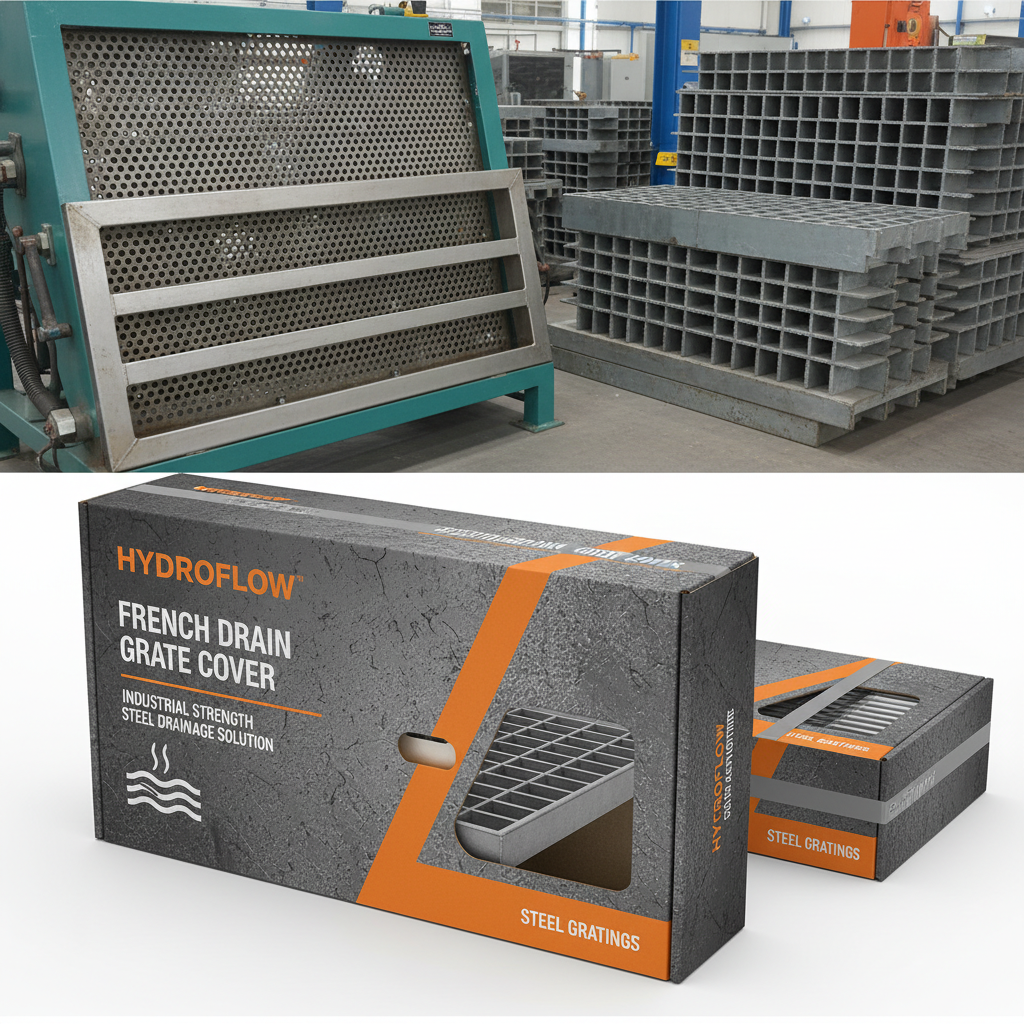
Why a Quality French Drain Grate Cover is Essential
A high-quality french drain grate cover serves as the "first line of defense" for your subsurface drainage. Without a proper cover, organic matter like fallen leaves, twigs, and pebbles can enter the pipe, leading to costly blockages and system failure. Durability and load-bearing capacity are the two most important factors here; a grate must be strong enough to withstand foot traffic or even vehicle weight without buckling. Moreover, a well-designed grate optimizes the flow rate, ensuring that surface water is captured quickly during heavy rainfall to prevent pooling in your landscape.
Pro Tip: Always choose a grate cover with a "non-slip" texture if the drain is located in a walkway or driveway to ensure safety during wet weather.
Comparing Materials for Your French Drain Grate Cover
Not all materials are created equal when it comes to drainage solutions. Depending on your aesthetic preferences and the load requirements of the area, you might choose between plastic, cast iron, or stainless steel. Plastic (especially high-density polyethylene) is popular for residential gardens due to its corrosion resistance and affordability. Cast iron is the gold standard for driveways where heavy vehicles pass. Stainless steel offers a premium look and extreme longevity. Understanding these differences helps in selecting the most cost-effective and durable french drain grate cover for your specific environment.
Key Specifications for a French Drain Grate Cover
When shopping for a french drain grate cover, you cannot simply guess the size. Precise measurements of the drain opening (the "rough opening") are essential to ensure a snug fit that won't rattle or slide. Beyond size, you must consider the "slotted width"—the gap between the bars of the grate. Narrower slots provide better safety for children and pets but may clog faster with small leaves, while wider slots handle higher water volumes. Weight capacity (measured in PSF - pounds per square foot) determines if the cover is suitable for residential pedestrian use or industrial heavy-duty application.
Installation Best Practices for Maximum Efficiency
Installing your french drain grate cover correctly is just as important as the product itself. First, ensure the surrounding area is level and compacted to prevent the grate from tilting over time. If you are using a plastic frame, ensure it is properly bedded in concrete or packed gravel for stability. Flush mounting is highly recommended—this means the top of the grate is exactly level with the surrounding pavement or grass, eliminating trip hazards. Finally, test the flow by pouring a bucket of water over the grate to ensure there are no gaps where water can leak underneath the frame.
Maintenance Tips for Your French Drain Grate Cover
To keep your drainage system performing at peak capacity, regular maintenance of the french drain grate cover is necessary. During autumn, debris accumulation is the most common cause of failure. A simple weekly sweep or a quick blast of air from a leaf blower can prevent buildup. For metal grates, check for signs of rust or oxidation once a year; a quick coat of protective sealant can extend the life of the product significantly. If you notice water pooling around the grate despite it being clear of debris, it may be time to inspect the underground pipe for sediment buildup.
Standard Product Specification Table
To help you compare options, we have outlined the standard specifications typically found in professional-grade french drain grate cover models. These specs represent the industry standards for durability and flow efficiency.
Conclusion: Secure Your Property with the Right Cover
Investing in a premium french drain grate cover is a small detail that makes a massive difference in the longevity of your home's drainage system. By choosing the right material for your load requirements and maintaining a clear opening, you can prevent costly water damage and keep your landscape pristine. Don't let a clogged pipe ruin your investment—choose a durable, high-flow cover that fits your needs perfectly.
Frequently Asked Questions (FAQs)
How do I know which size grate cover I need?
To determine the correct size, you should measure the internal dimensions of the drain opening where the grate will sit. Measure both the length and the width. It is important to distinguish between the "overall size" of the grate (which includes the outer lip) and the "opening size" (the hole it covers). Most professional suppliers provide a sizing chart. If your measurements are between standard sizes, it is better to choose a slightly larger cover and trim the surrounding area or use a compatible adapter frame to ensure there are no gaps.
Can I use a plastic grate cover for my driveway?
It depends on the grade of the plastic. Standard residential plastic grates are designed for foot traffic and will crack under the weight of a car. However, "Heavy-Duty" or "Load-Rated" polymer grates are specifically engineered to handle vehicle loads. If you are unsure, we recommend checking the load class (e.g., Class B or C). For high-traffic driveways or commercial areas, cast iron or reinforced steel remains the safest and most durable choice to avoid sudden failure and potential accidents.
How often should I clean my french drain grate?
Maintenance frequency depends on your surroundings. If you have many deciduous trees, you should clear the french drain grate cover weekly during the autumn months. For most homeowners, a monthly check is sufficient. A quick way to tell if it needs cleaning is to observe water during a rainstorm; if water is pooling around the edges of the grate instead of flowing into it, debris has likely blocked the slots. Regular cleaning prevents the debris from entering the pipe, where it becomes much harder to remove.
Will a grate cover stop all debris from entering my drain?
A grate cover is designed to stop "large" debris like leaves, stones, and trash. It cannot stop fine silt, sand, or very small organic particles. To protect your system from these finer materials, we recommend using a geotextile filter fabric around the perforated pipe underground. The grate cover acts as the primary coarse filter, while the fabric acts as the fine filter. This two-stage filtration system is the most effective way to ensure your french drain remains clog-free for decades.
-
Ultimate Guide to Durable Metal Channel Drain Grates for DrainageNewsApr.09,2026
-
Driveway Channel Drain Grate Systems for Effective Water ManagementNewsApr.07,2026
-
Comprehensive Guide to Durable Cast Iron Trench Drain Covers for Various ApplicationsNewsApr.04,2026
-
Comprehensive Guide to Driveway Storm Drain Grates for Optimal Water ManagementNewsMar.31,2026
-
Comprehensive Guide to Durable Steel Driveway Grates for Enhanced DrainageNewsMar.28,2026