- Industrial zone, South of Anping Town, Hengshui, Hebei, China.
- sales@hfpetromesh.com
- +86-18931809706
Comprehensive Guide to Durable Steel Driveway Grates for Enhanced Drainage
Steel Driveway Grates: A Comprehensive Guide
When designing or maintaining a driveway, proper drainage is essential to prevent water buildup and potential damage. Steel driveway grates offer a robust and effective solution for channeling water away from surfaces, protecting foundations, and enhancing the longevity of your driveway. This article will provide an in-depth look at the benefits, applications, material options, and selection criteria for steel driveway grates. Ensuring proper drainage is a critical component of driveway construction, and choosing the right grate is paramount.
Understanding the Benefits of Steel Driveway Grates
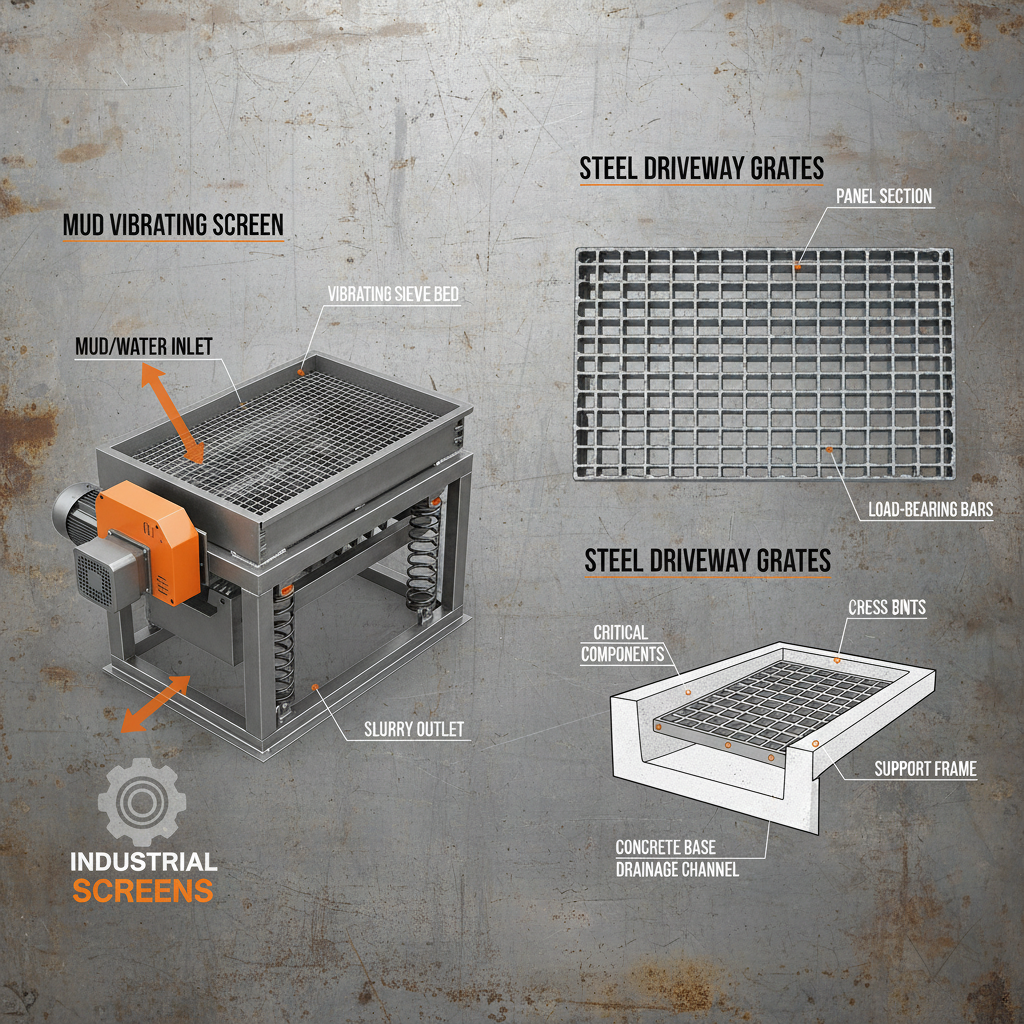
Steel driveway grates provide a significant upgrade over traditional drainage solutions. Their primary benefit is superior strength and durability. Unlike plastic alternatives, steel grates can withstand the weight of vehicles without cracking or deformation. This makes them ideal for high-traffic driveways and areas with heavy vehicles. They also offer excellent resistance to corrosion, especially when galvanized or coated. Furthermore, steel grates require minimal maintenance, providing a long-term, cost-effective drainage solution. Selecting a quality steel driveway grate ensures lasting performance and peace of mind.
Key Benefits: Superior strength, excellent durability, resistance to corrosion, low maintenance, long-term cost-effectiveness.
Common Applications of Steel Driveway Grates
Steel driveway grates find application in a wide variety of settings. They are commonly used in residential driveways to prevent water pooling and foundation damage. Commercial properties, such as parking lots and loading docks, benefit from their ability to handle heavy traffic. Agricultural applications, like farm entrances, utilize them to manage mud and maintain access. They’re also frequently installed in areas prone to flooding to redirect excess water. Proper installation is crucial for maximizing the effectiveness of these grates, regardless of the specific application. HFPETROMESH offers a range of grate solutions for diverse needs.
Typical Applications:
• Residential Driveways
• Commercial Parking Lots
• Agricultural Entrances
• Flood Control Areas
Choosing the Right Steel Driveway Grate: Material Options
Several types of steel are used in the manufacturing of driveway grates. Carbon steel is a common, cost-effective option, but it’s susceptible to corrosion and requires regular painting or coating. Galvanized steel offers improved corrosion resistance due to a zinc coating. Stainless steel provides the highest level of corrosion protection, making it ideal for harsh environments, but is also the most expensive. The choice of material depends on the specific climate, soil conditions, and budget. Consider the longevity and maintenance requirements when making your decision. HFPETROMESH specializes in providing high-quality steel grates made from various materials to suit different needs.
Key Considerations When Selecting Steel Driveway Grates
Beyond material, several other factors should influence your selection. Load capacity is crucial; ensure the grate can withstand the weight of vehicles that will be using the driveway. The grate’s opening size impacts debris flow – smaller openings prevent larger objects from entering the drainage system. Installation requirements should also be considered, as some grates are easier to install than others. Finally, aesthetic appeal plays a role. Steel grates come in various patterns and finishes, allowing you to choose a grate that complements your driveway's design.
Product Specifications & Dimensions (Example)
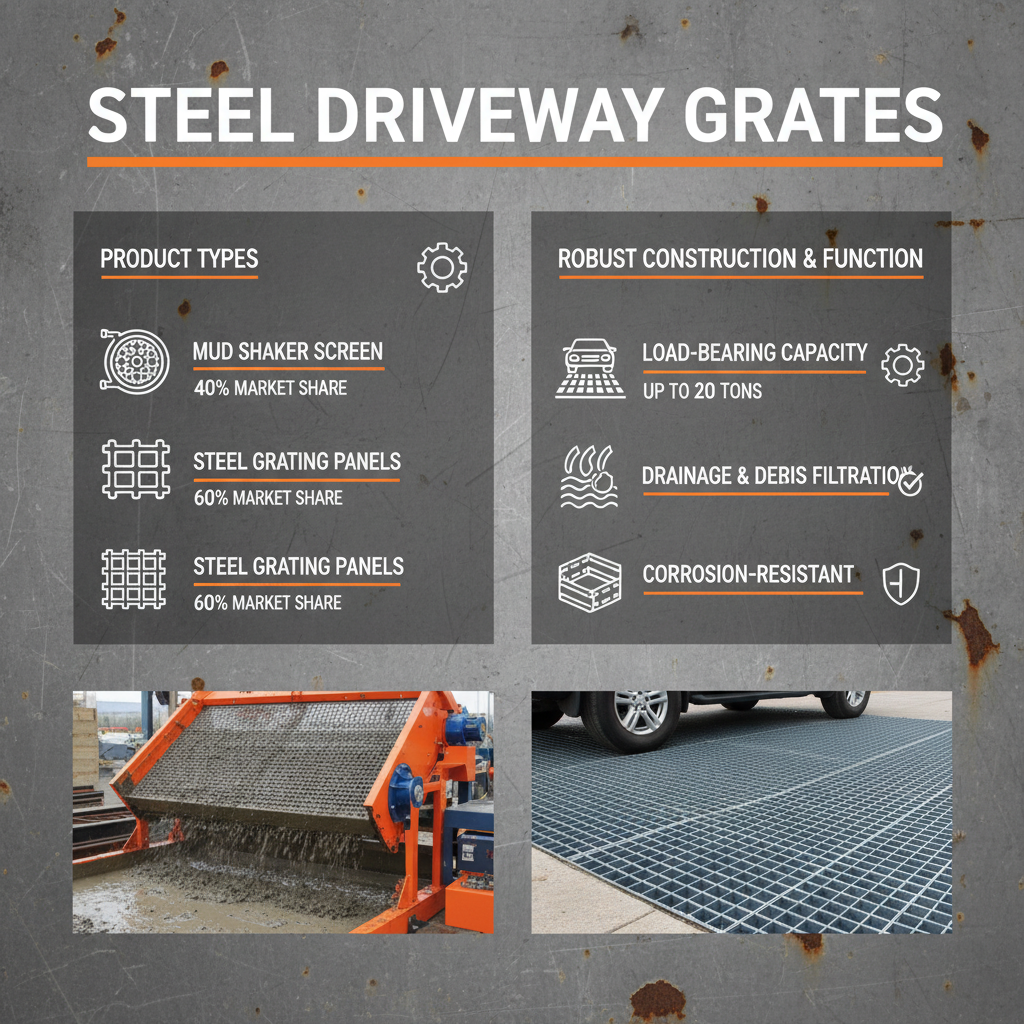
Below are example specifications. Actual dimensions and options may vary. Contact HFPETROMESH for specific product details.
Conclusion: Ensuring Long-Lasting Drainage with Steel Grates
Investing in high-quality steel driveway grates is a smart decision for any property owner. They provide a durable, reliable, and cost-effective solution for managing driveway drainage and protecting your investment. By carefully considering material options, load capacity, and installation requirements, you can choose the perfect grate for your specific needs. Contact HFPETROMESH today for expert guidance and a wide selection of high-quality steel grates.
Frequently Asked Questions (FAQs)
What is the recommended spacing for steel driveway grates?
The recommended spacing between grates depends on the rainfall intensity and the soil's permeability in your area. Generally, a spacing of 12-24 inches is sufficient for most residential applications. However, in areas with heavy rainfall or poor soil drainage, a closer spacing of 6-12 inches may be necessary. Consulting with a local drainage specialist can help determine the optimal spacing for your specific site conditions. Proper spacing ensures efficient water flow and prevents clogging.
How do I install steel driveway grates?
Installation typically involves excavating a trench to the appropriate depth and width, laying a gravel base for drainage, and then setting the grates in place. It's crucial to ensure the grates are level and securely anchored to prevent shifting. Depending on the grate design, this may involve using concrete or specialized mounting hardware. For larger installations or if you're unsure about the process, it’s best to consult a professional contractor. HFPETROMESH can provide guidance on installation best practices.
What maintenance is required for steel driveway grates?
Steel driveway grates require minimal maintenance. Regular cleaning to remove debris, leaves, and dirt is recommended to ensure proper water flow. For carbon steel grates, periodic repainting or coating may be necessary to prevent corrosion. Galvanized and stainless steel grates require less frequent maintenance. Inspect the grates periodically for any signs of damage or displacement and address any issues promptly.
Are steel driveway grates safe for pedestrian traffic?
Yes, steel driveway grates are generally safe for pedestrian traffic when properly installed. The grating design provides a stable surface for walking. However, it's essential to choose grates with a surface that offers good traction, especially in wet or icy conditions. Ensure the grates are flush with the surrounding surface to minimize tripping hazards.
-
The Ultimate Guide to Choosing a French Drain Grate CoverNewsApr.16,2026
-
Ultimate Guide to Durable Metal Channel Drain Grates for DrainageNewsApr.09,2026
-
Driveway Channel Drain Grate Systems for Effective Water ManagementNewsApr.07,2026
-
Comprehensive Guide to Durable Cast Iron Trench Drain Covers for Various ApplicationsNewsApr.04,2026
-
Comprehensive Guide to Driveway Storm Drain Grates for Optimal Water ManagementNewsMar.31,2026