- Industrial zone, South of Anping Town, Hengshui, Hebei, China.
- sales@hfpetromesh.com
- +86-18931809706
Comprehensive Guide to Driveway Storm Drain Grates for Optimal Water Management
Driveway Storm Drain Grates: A Comprehensive Guide
Effective water drainage is crucial for the longevity and safety of any driveway. Driveway storm drain grates play a vital role in preventing flooding, reducing erosion, and protecting your property. This article will explore the benefits, types, materials, and installation considerations for driveway storm drain grates, ensuring you make the right choice for your specific needs. Protecting your investment with the right drainage system is paramount for long-term driveway health and preventing costly repairs.
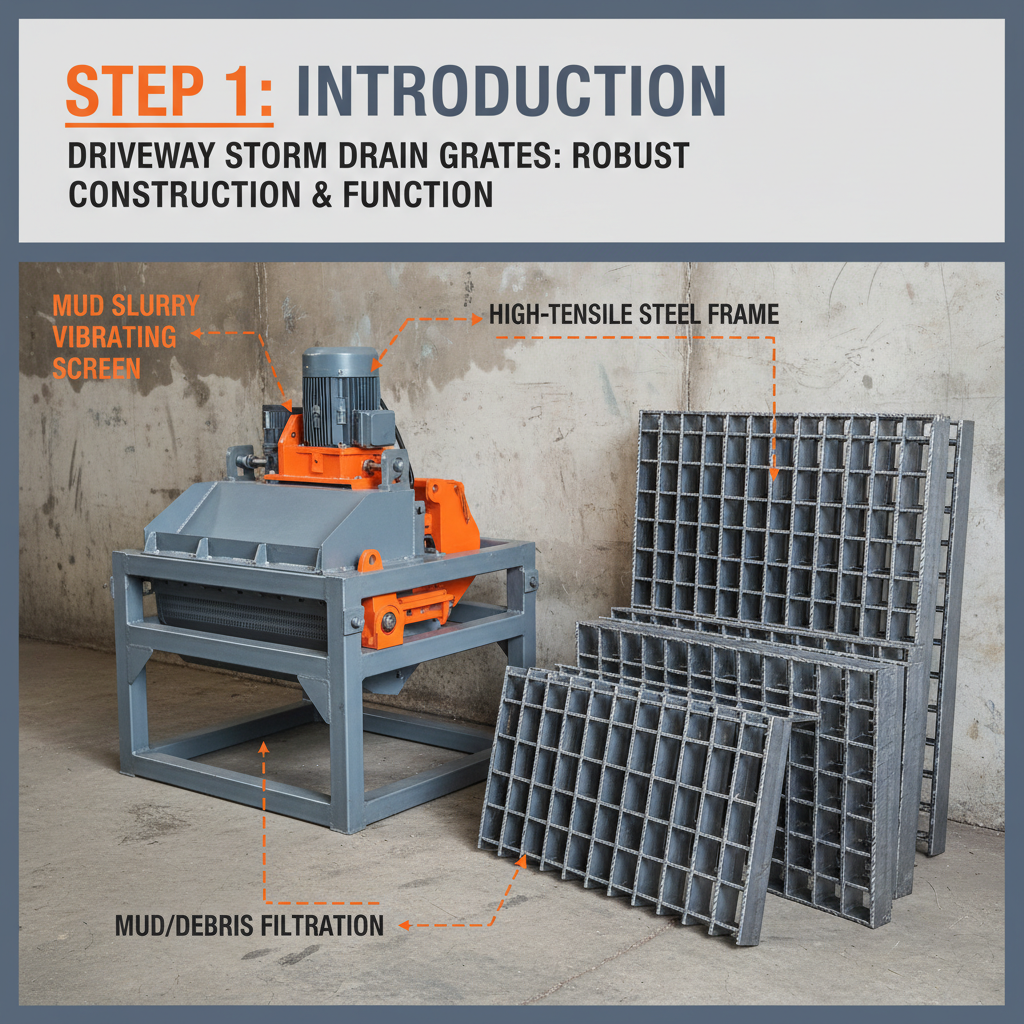
The Importance of Driveway Storm Drain Grates
Without adequate drainage, rainwater and melting snow can pool on your driveway, leading to several issues. These include cracking, potholes, and even structural damage. Standing water can also create hazardous conditions, such as ice formation in colder climates. Driveway storm drain grates efficiently channel water away from the surface, preventing these problems and extending the life of your driveway. Proper drainage also protects surrounding landscaping from erosion and water damage.
Key Benefits: Preventing driveway damage, reducing hazardous conditions, protecting landscaping, and extending driveway lifespan.
Types of Driveway Storm Drain Grates
Several types of driveway storm drain grates are available, each with its own advantages and disadvantages. Common types include trench drains, channel drains, and catch basin grates. Trench drains are long, narrow channels with a grate covering them, ideal for intercepting sheet flow. Channel drains are similar but often wider and used for higher volumes of water. Catch basin grates sit over a catch basin, collecting debris and directing water into an underground pipe system. The best type for your driveway depends on the amount of rainfall, the slope of the driveway, and the existing drainage infrastructure.
Drainage Grate Options:
• Trench Drains: Ideal for intercepting sheet flow.
• Channel Drains: For higher water volumes.
• Catch Basin Grates: Collect debris and direct water underground.
Material Comparison: Choosing the Right Material for Your Grates
Driveway storm drain grates are constructed from various materials, each offering different levels of durability, cost, and aesthetics. Common materials include plastic (polypropylene), cast iron, and stainless steel. Plastic grates are lightweight, affordable, and resistant to corrosion, but they may not be as durable as metal options. Cast iron grates are strong and long-lasting but are prone to rust if not properly coated. Stainless steel grates offer the best combination of strength, corrosion resistance, and appearance, but they are also the most expensive. HF PetroMesh offers a variety of materials to suit your budget and requirements.
Installation Considerations
Proper installation is essential for the effective performance of your driveway storm drain grates. It’s crucial to ensure the grates are level with the driveway surface to prevent tripping hazards. The drainage system should be connected to a suitable outlet, such as a storm sewer or a dry well. Professional installation is recommended, especially for complex systems or if you’re unsure about local drainage regulations. Consider the slope of your driveway and the potential for debris accumulation when planning the placement of the grates.
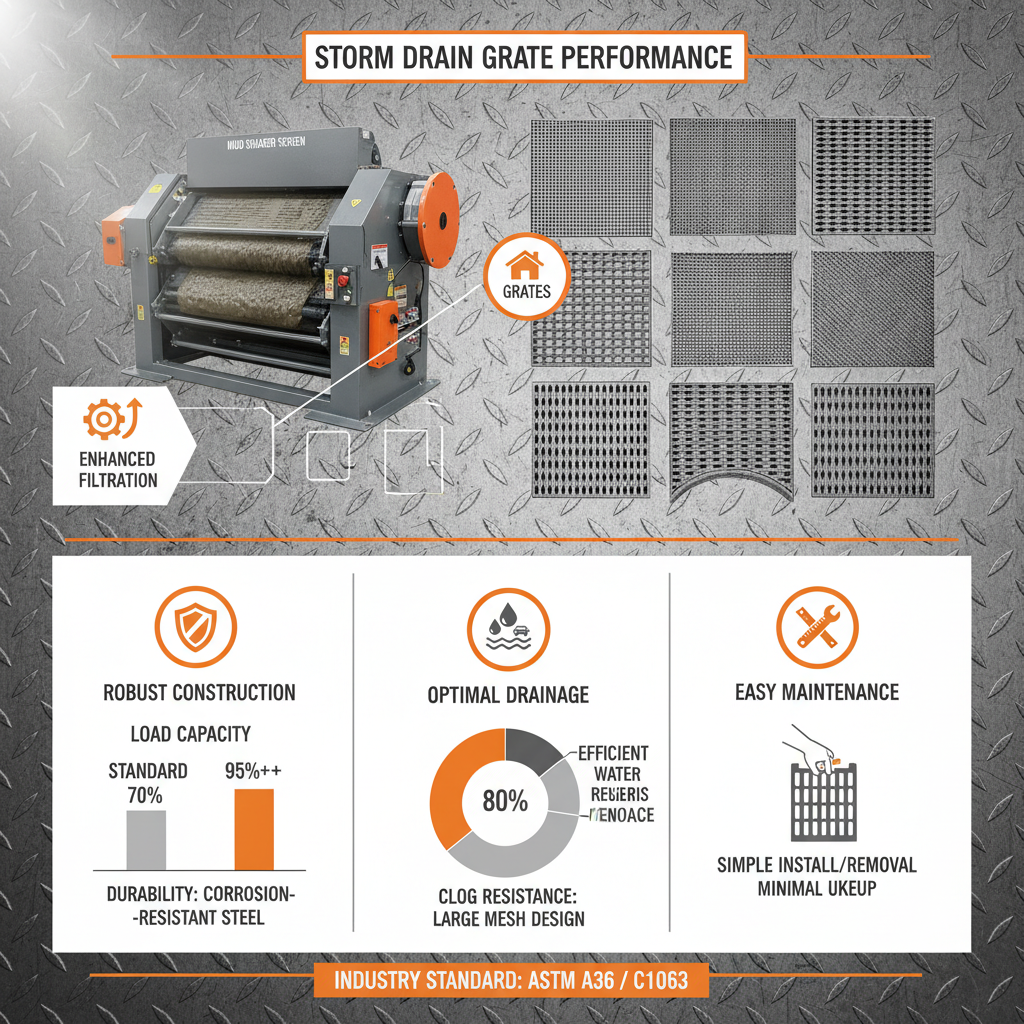
Maintaining Your Driveway Storm Drain Grates
Regular maintenance is key to keeping your driveway drainage system functioning optimally. Periodically remove debris, such as leaves, dirt, and gravel, from the grates and the underlying channels. Inspect the grates for damage, such as cracks or rust, and replace them as needed. Flush the drainage system with water to remove any buildup within the pipes. Neglecting maintenance can lead to clogs and reduced drainage capacity.
Conclusion: Protecting Your Investment with Effective Drainage
Investing in quality driveway storm drain grates and proper installation is a proactive step towards protecting your property and preventing costly repairs. By understanding the different types of grates, materials, and maintenance requirements, you can ensure your driveway remains safe, functional, and aesthetically pleasing for years to come. Don't wait for flooding to become a problem – prioritize drainage today.
Frequently Asked Questions (FAQs)
What size storm drain grate do I need for my driveway?
Determining the appropriate size depends on several factors, including the area of your driveway, the average rainfall in your region, and the slope of the driveway. Generally, larger driveways require larger grates or multiple grates to handle the volume of water. A professional drainage assessment can provide an accurate recommendation based on your specific needs. Consider the peak flow rate during heavy rainfall events when selecting a grate size. The goal is to effectively channel water away without causing backups or overflows.
How often should I clean my driveway storm drain grates?
You should clean your driveway storm drain grates at least twice a year, ideally in the spring and fall, to remove accumulated debris. If your driveway is located in an area with heavy tree cover, more frequent cleaning may be necessary. Regular cleaning prevents clogs and ensures optimal drainage performance. A quick visual inspection each month can help you identify any buildup and address it promptly.
Are there any local regulations regarding driveway drainage?
Yes, many municipalities have regulations governing driveway drainage to protect the public sewer system and prevent stormwater runoff pollution. These regulations may require permits for installing or modifying drainage systems, and they may specify the types of materials and designs that are allowed. It's essential to check with your local building department or environmental agency to ensure your drainage system complies with all applicable regulations.
-
The Ultimate Guide to Choosing a French Drain Grate CoverNewsApr.16,2026
-
Ultimate Guide to Durable Metal Channel Drain Grates for DrainageNewsApr.09,2026
-
Driveway Channel Drain Grate Systems for Effective Water ManagementNewsApr.07,2026
-
Comprehensive Guide to Durable Cast Iron Trench Drain Covers for Various ApplicationsNewsApr.04,2026
-
Comprehensive Guide to Durable Steel Driveway Grates for Enhanced DrainageNewsMar.28,2026