- Industrial zone, South of Anping Town, Hengshui, Hebei, China.
- sales@hfpetromesh.com
- +86-18931809706
Ultimate Guide to Durable Metal Channel Drain Grates for Drainage
Ultimate Guide to Metal Channel Drain Grates for Efficient Drainage
Managing surface water effectively is critical for maintaining the integrity of any infrastructure, from residential driveways to massive industrial complexes. High-quality metal channel drain grates serve as the first line of defense against flooding and water accumulation. These systems are engineered to capture runoff and direct it safely into drainage channels, preventing soil erosion and structural damage. In this comprehensive guide, we will explore the materials, specifications, and selection criteria to help you choose the most durable drainage solution for your specific project needs.
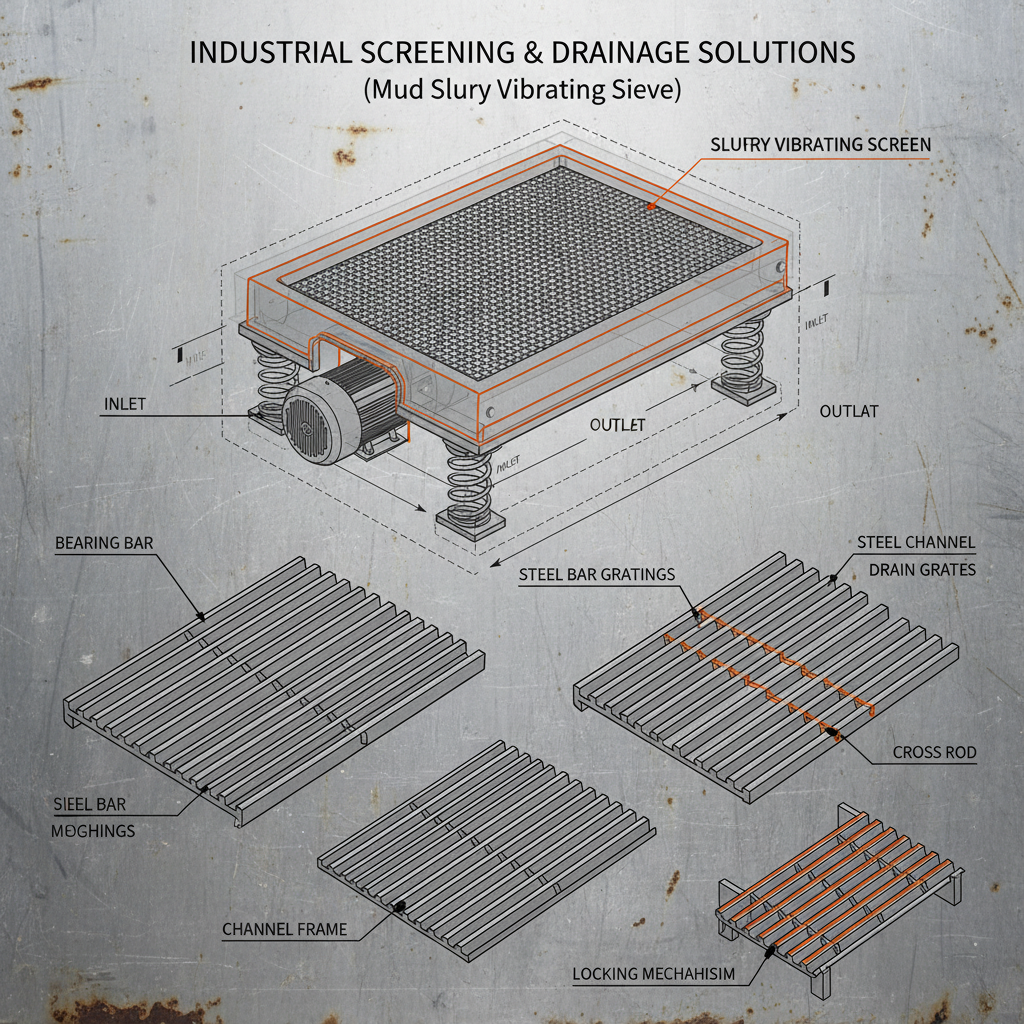
Material Options for Metal Channel Drain Grates
The performance of metal channel drain grates depends heavily on the material used. Galvanized steel is a popular choice for its balance of strength and corrosion resistance, making it ideal for parking lots. Cast iron is preferred for heavy-duty industrial areas due to its immense load-bearing capacity. For environments exposed to saltwater or harsh chemicals, stainless steel is the gold standard, offering unparalleled longevity and hygiene. Selecting the right material ensures that the drainage system remains functional without requiring frequent replacements.
Pro Tip: Always consider the environmental exposure. For coastal areas, prioritize 316-grade stainless steel to prevent pitting and salt-induced corrosion.
Comparing Load Classes for Metal Channel Drain Grates
Not all drainage systems are created equal. Depending on whether the area will be traversed by pedestrians or heavy machinery, different load ratings are required. Using a residential-grade grate in a commercial loading dock can lead to catastrophic failure. It is essential to understand the load class standards to ensure safety and compliance. Our metal channel drain grates are tested to meet various international standards, ensuring stability under pressure.
Installation Best Practices for Drainage Systems
Proper installation is as important as the product quality. To maximize the efficiency of metal channel drain grates, the channel must be installed with a slight gradient to facilitate water flow toward the outlet. Ensuring a solid concrete base prevents the channel from shifting or cracking under load. Additionally, sealing the joints between channel sections prevents water leakage into the surrounding sub-base, which could otherwise lead to sinkholes or pavement failure. Regular maintenance, such as removing debris from the grates, ensures consistent flow rates.
Design Variations in Metal Channel Drain Grates
Depending on the application, the grate pattern can vary. Slot drains offer a sleek, modern look and are often used in architectural projects, while traditional bar grates provide maximum water intake for high-volume runoff areas. Heel-guard grates are specifically designed for pedestrian safety, ensuring that high heels or canes do not get stuck. Choosing the right design for your metal channel drain grates not only impacts the aesthetics but also the safety and functionality of the space.
Design Comparison:
• Bar Grates: Highest flow rate, industrial look.
• Perforated Grates: Better filtration, prevents large debris entry.
• Slot Grates: Minimalist appearance, ideal for luxury landscaping.
Technical Specifications of Premium Drainage Grates
When sourcing professional-grade equipment, reviewing the technical data sheet is non-negotiable. The dimensions, thickness, and alloy composition determine the life expectancy of the product. For instance, a thicker grate wall significantly increases the load capacity. Our metal channel drain grates are manufactured with precision to ensure a seamless fit into the channel, reducing noise and vibration when vehicles pass over them.
Environmental Impact and Sustainability
Sustainable urban drainage systems (SuDS) are becoming a priority globally. Using durable metal channel drain grates contributes to sustainability by reducing the frequency of replacement and the waste associated with it. Furthermore, modern drainage systems can be integrated with filtration units to remove oils and sediments before the water enters the main sewage system, protecting local waterways. By investing in high-quality metal components, developers can ensure that their projects meet environmental regulations while providing long-term structural security.
Conclusion: Optimizing Your Infrastructure with Metal Drainage
Selecting the right metal channel drain grates is a critical decision that impacts the safety, longevity, and aesthetics of any project. Whether you require the extreme strength of cast iron or the elegant corrosion resistance of stainless steel, understanding load classes and installation standards is key. By prioritizing quality materials and professional installation, you protect your investment and ensure efficient water management for decades to come.
Frequently Asked Questions (FAQs)
How do I choose the right load class for my drain grates?
Choosing the correct load class depends on the expected traffic volume and weight. For residential walkways or gardens, Class A is sufficient. For residential driveways and light commercial parking, Class B is recommended. For heavy industrial use, warehouses, or areas with forklift traffic, Class C or D is mandatory. Using an underrated grate can lead to bending or collapse, creating a significant safety hazard. Always consult with a structural engineer if you are unsure about the peak load of your specific area.
What is the difference between galvanized steel and stainless steel grates?
Galvanized steel is carbon steel coated with a layer of zinc to prevent rust, offering a cost-effective solution for most outdoor environments. Stainless steel, however, is an alloy that is inherently resistant to corrosion throughout its entire thickness. While galvanized steel is strong and durable, it can rust if the zinc coating is scratched or worn away over time. Stainless steel is far more resistant to chemicals and salt, making it the superior choice for food processing plants, hospitals, and coastal regions.
How often should metal channel drain grates be maintained?
Maintenance schedules vary by environment, but a general rule is to inspect and clean grates at least twice a year—typically in spring and autumn. Removing leaves, silt, and trash prevents clogging and ensures that water enters the channel quickly during heavy rain. For industrial sites, monthly inspections are recommended to check for structural wear or loose grates. Using a high-pressure washer is the most effective way to clear the channels and maintain the flow capacity of your system.
Can metal channel drain grates be customized for specific projects?
Yes, customization is common for large-scale architectural or industrial projects. Customizations can include specific widths, lengths, bespoke hole patterns for aesthetic purposes, or specialized coatings for extreme chemical resistance. At HF Petromesh, we provide tailored solutions to ensure the grates fit your specific channel dimensions perfectly and meet your aesthetic requirements without compromising on strength or safety.
-
The Ultimate Guide to Choosing a French Drain Grate CoverNewsApr.16,2026
-
Driveway Channel Drain Grate Systems for Effective Water ManagementNewsApr.07,2026
-
Comprehensive Guide to Durable Cast Iron Trench Drain Covers for Various ApplicationsNewsApr.04,2026
-
Comprehensive Guide to Driveway Storm Drain Grates for Optimal Water ManagementNewsMar.31,2026
-
Comprehensive Guide to Durable Steel Driveway Grates for Enhanced DrainageNewsMar.28,2026