- Industrial zone, South of Anping Town, Hengshui, Hebei, China.
- sales@hfpetromesh.com
- +86-18931809706
Driveway Channel Drain Grate Systems for Effective Water Management
Understanding Driveway Channel Drain Grates
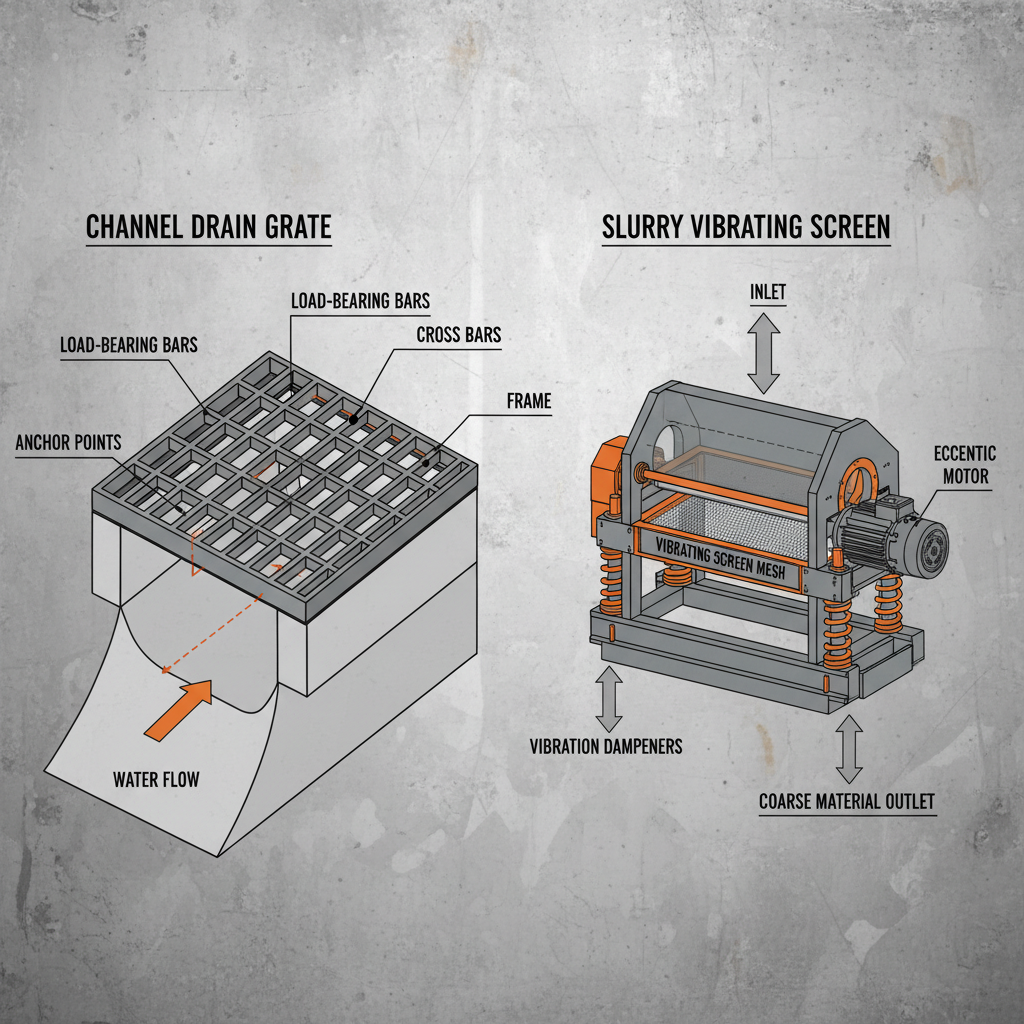
Effective water management is crucial for maintaining the integrity of driveways and preventing costly damage. A key component in this process is the driveway channel drain grate. These grates sit atop a channel drainage system, capturing surface water and directing it away from the driveway surface. This article will delve into the benefits, materials, installation, and maintenance of these vital drainage components, providing a comprehensive guide for homeowners and contractors alike. Choosing the right grate can significantly improve the lifespan and stability of your driveway.
The Importance of Driveway Channel Drain Grates
Without proper drainage, rainwater and snowmelt can accumulate on your driveway, leading to a variety of problems. These include surface erosion, cracking, and even the formation of potholes. In freezing climates, water trapped within the driveway material can expand and contract, causing significant damage. A driveway channel drain grate system effectively mitigates these risks by channeling water away, protecting the structural integrity of your driveway. This is especially important for paved driveways, as they are more susceptible to water damage than gravel or other permeable surfaces. Preventative drainage is far more cost-effective than repairing extensive damage caused by water accumulation.
Key Benefits: Prevent surface erosion, minimize cracking and pothole formation, protect against freeze-thaw damage, and extend driveway lifespan.
Materials Used in Driveway Channel Drain Grates
Driveway channel drain grates are manufactured from a variety of materials, each with its own advantages and disadvantages. Common materials include:
- Cast Iron: Highly durable and strong, but can be prone to rust.
- Steel: Offers excellent strength but requires protective coatings to prevent corrosion.
- Plastic/Polymer: Lightweight, corrosion-resistant, and cost-effective, but may not be as durable as metal options.
- Fiberglass: Combines strength with corrosion resistance, making it a good all-around choice.
The best material for your driveway will depend on your budget, climate, and desired lifespan. HF Petromesh offers a range of grates constructed from high-quality materials designed for longevity and performance.
Choosing the Right Driveway Channel Drain Grate
Selecting the appropriate driveway channel drain grate involves considering several factors, including load capacity, grate opening size, and overall dimensions. The load capacity should be sufficient to withstand the weight of vehicles regularly using the driveway. Grate opening size influences the amount of debris that can pass through; smaller openings may require more frequent cleaning. Proper dimensions ensure a flush fit with the drainage channel. Here's a comparative overview:
Installation and Maintenance Tips
Proper installation is vital for the effectiveness of your driveway channel drain grate system. Ensure the drainage channel is sloped correctly to facilitate water flow. Securely fasten the grate to prevent shifting or displacement. Regular maintenance, including removing leaves, dirt, and debris, will ensure optimal performance. Periodic inspection for cracks or damage is also recommended. A clean and well-maintained system will continue to protect your driveway for years to come. HF Petromesh provides comprehensive installation guides and maintenance recommendations.
Product Specifications
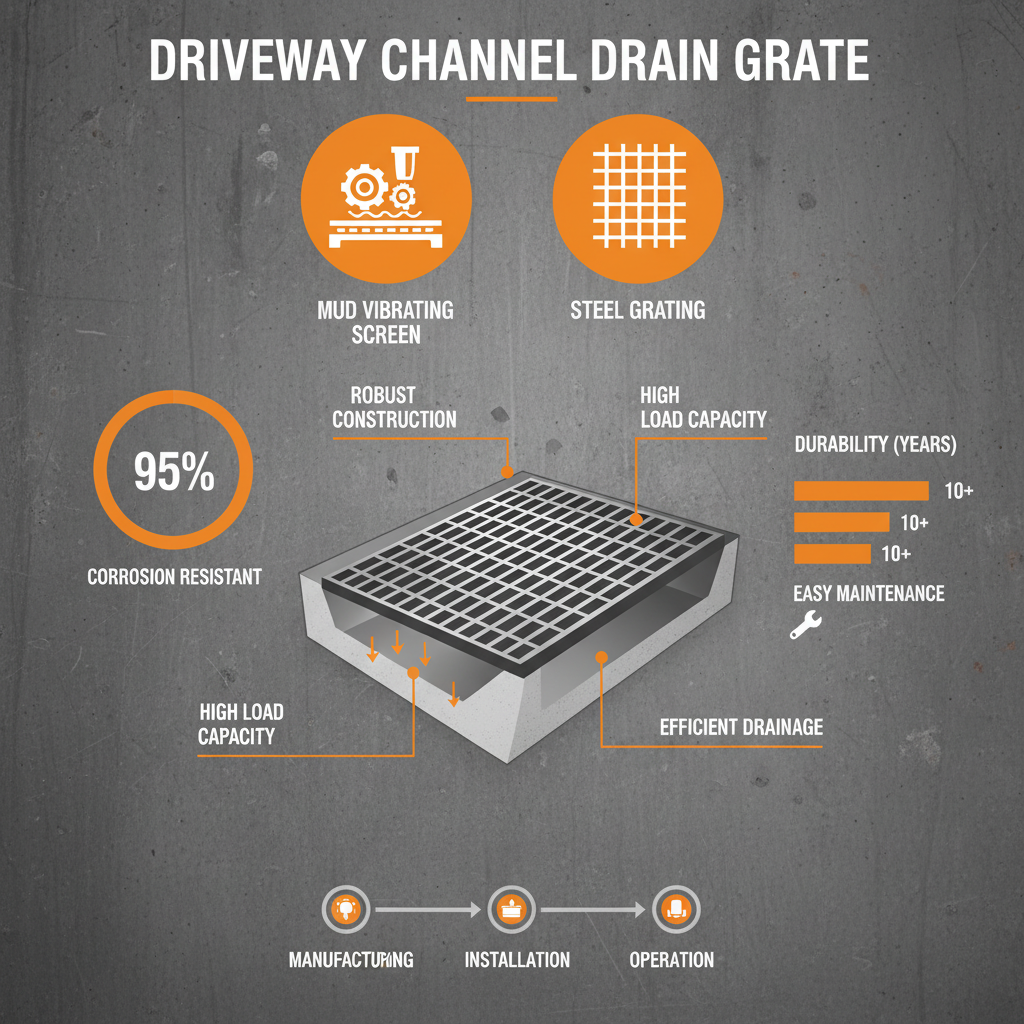
Here’s a sample specification chart for our popular 4” wide driveway channel drain grate:
Conclusion: Protecting Your Investment
Investing in a quality driveway channel drain grate system is a proactive step towards preserving the longevity and structural integrity of your driveway. By effectively managing water runoff, you can prevent costly repairs and maintain a safe and attractive property. Explore the range of solutions offered by HF Petromesh today and find the perfect fit for your needs.
Frequently Asked Questions (FAQs)
How often should I clean my driveway drain grates?
The frequency of cleaning depends on your environment. In areas with heavy leaf fall or significant debris, you should inspect and clean the grates monthly. In less demanding environments, quarterly cleaning may suffice. Regular cleaning prevents clogs and ensures efficient water flow. Signs of a clogged drain include standing water on the driveway surface and slow drainage. It’s best to make cleaning a part of your regular property maintenance routine to avoid more serious issues down the line.
What is the best way to install a driveway drain grate?
Installation typically involves excavating a channel to the desired depth and slope, laying the drainage channel, and securing the grate. The channel should have a consistent slope (around 1-2%) to ensure proper water flow. Use gravel or a similar base material to provide support and aid drainage. Ensure the grate is flush with the driveway surface to prevent tripping hazards. Refer to the manufacturer’s instructions for specific guidance, as installation procedures may vary depending on the type of grate and channel system. Professional installation is recommended if you are not comfortable with excavation and drainage work.
Can I install a driveway drain grate myself?
Yes, many homeowners can install a driveway drain grate themselves, particularly for straightforward installations. However, it requires some DIY experience and knowledge of basic drainage principles. If the installation involves complex excavation, significant grading, or connecting to existing drainage systems, it’s best to hire a professional contractor. Improper installation can lead to ineffective drainage and potential property damage.
What size channel drain should I use?
The appropriate channel drain size depends on the amount of water runoff you expect. For typical residential driveways, a 4-inch channel is often sufficient. However, for larger driveways or areas with heavy rainfall, a 6-inch or larger channel may be necessary. Consider the surface area of the driveway, the slope of the land, and the average rainfall in your area when determining the appropriate channel size. It’s always better to err on the side of a larger channel to ensure adequate drainage capacity.
-
The Ultimate Guide to Choosing a French Drain Grate CoverNewsApr.16,2026
-
Ultimate Guide to Durable Metal Channel Drain Grates for DrainageNewsApr.09,2026
-
Comprehensive Guide to Durable Cast Iron Trench Drain Covers for Various ApplicationsNewsApr.04,2026
-
Comprehensive Guide to Driveway Storm Drain Grates for Optimal Water ManagementNewsMar.31,2026
-
Comprehensive Guide to Durable Steel Driveway Grates for Enhanced DrainageNewsMar.28,2026