- Industrial zone, South of Anping Town, Hengshui, Hebei, China.
- sales@hfpetromesh.com
- +86-18931809706
Welded Bar Grating: Heavy-Duty, Durable Steel Solutions
The Indispensable Role of Welded Bar Grating in Industrial Infrastructure
In the demanding landscape of modern industrial infrastructure, the selection of robust and reliable structural materials is paramount. Among these, welded bar grating stands out as a critical component, offering an unparalleled combination of strength, durability, and versatility. Engineered for high-load applications and severe environments, this material is fundamental for safety and operational efficiency across a multitude of sectors. This comprehensive guide delves into the technical aspects, application specifics, and strategic advantages of this essential industrial product, providing key insights for B2B decision-makers and engineering professionals.
Industry Trends and Market Dynamics for Grating Solutions
The market for industrial grating, particularly welded bar grating, is experiencing steady growth driven by global infrastructure development, increasing demand from the energy sector, and stringent safety regulations. Key trends include:
- Sustainable Materials: A growing preference for sustainable and recyclable materials, prompting manufacturers to explore environmentally friendly production processes and finishes.
- Advanced Coatings: Development of advanced corrosion-resistant coatings, such as specialized galvanization techniques and epoxy paints, to extend service life in highly corrosive environments.
- Digital Fabrication: Increasing adoption of CNC (Computer Numerical Control) machining and automated welding processes to enhance precision, reduce waste, and accelerate production cycles for welded steel grating.
- Modular Solutions: Demand for modular and easy-to-install grating systems that can be rapidly deployed, reducing on-site labor and project timelines.
- Enhanced Safety Features: Integration of anti-slip surfaces and enhanced load-bearing designs, particularly for heavy-duty welded bar grating applications in high-risk areas.
The market size for industrial gratings globally was valued at approximately USD 6.5 billion in 2022 and is projected to grow at a CAGR of over 5% from 2023 to 2030, according to industry reports, underscoring its continued importance.
Manufacturing Process of Welded Bar Grating: A Detailed Overview
The production of welded bar grating is a highly precise and automated process designed to ensure structural integrity and consistent quality. The primary material used is typically low carbon steel (e.g., ASTM A36, Q235) or various grades of stainless steel (e.g., 304, 316) for enhanced corrosion resistance.
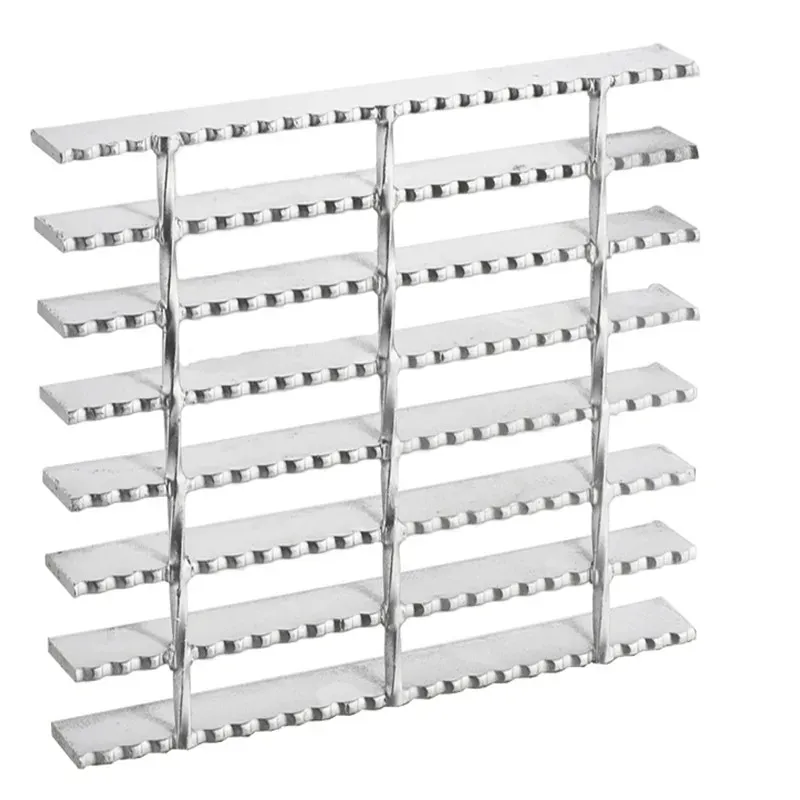
Figure 1: Automated welding process for creating robust bar grating.
Process Flow:
- Material Preparation: Bearing bars (flat steel bars) and cross bars (twisted square bars or round bars) are cut to precise lengths using high-speed shears or CNC plasma cutters. Material specifications are verified against standards like ASTM A1011 (for carbon steel sheet/strip) or ASTM A240 (for stainless steel).
- Resistance Welding: This is the defining step for welded bar grating. Bearing bars are arranged vertically at uniform intervals. Cross bars are then placed across the bearing bars. A high-amperage electric current is applied, melting the metals at their points of contact. Simultaneously, intense pressure is exerted, fusing the two components together without the use of filler material. This creates a strong, monolithic panel. The welding process is typically automated, ensuring consistent weld strength and spacing.
- Trimming and Banding: After welding, the grating panels are trimmed to specified dimensions. Edges are often banded with flat bar steel welded to the ends of the bearing bars, which provides increased stability, enhances appearance, and prevents deformation during handling and installation.
- Finishing:
- Hot-Dip Galvanization: The most common finish, providing excellent corrosion resistance. Panels are immersed in molten zinc at approximately 450°C. This process creates a metallurgically bonded zinc-iron alloy coating, adhering to standards such as ASTM A123. Galvanization extends service life significantly, often exceeding 20-30 years in typical industrial environments.
- Painting: Primer or custom color paint can be applied for aesthetic purposes or additional corrosion protection in less aggressive environments.
- Self-Color (Mill Finish): Grating is left untreated, primarily for indoor applications or where another finish will be applied on-site.
- Quality Inspection: Each panel undergoes rigorous inspection for weld integrity, dimensional accuracy, flatness, and adherence to specified load-bearing capacities. Testing standards typically conform to ISO 9001 quality management systems and specific industry standards such as ANSI/NAAMM MBG 531-09 (Metal Bar Grating Manual).
This meticulous manufacturing process ensures that the final welded bar grating product meets stringent performance requirements for target industries including petrochemical, oil & gas, metallurgy, power generation, water supply & drainage, and marine engineering. Advantages in these scenarios include superior corrosion resistance (especially galvanized), excellent slip resistance, and the structural integrity necessary for demanding applications.
Technical Specifications and Performance Parameters
Understanding the technical specifications of welded steel grating is crucial for proper selection and application. Key parameters directly influence load capacity, deflection, and suitability for various industrial environments.
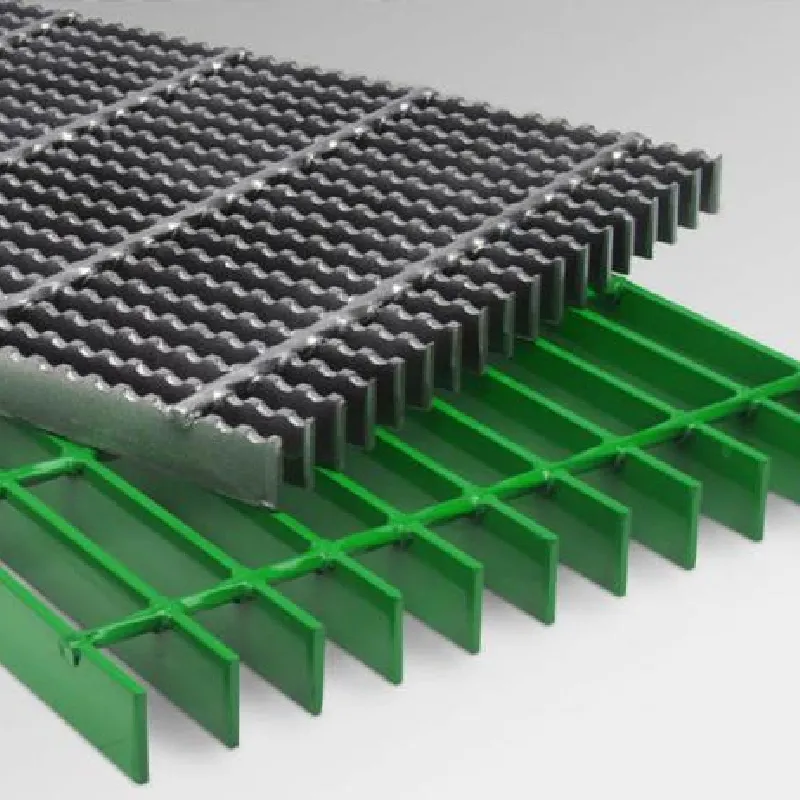
Figure 2: Close-up of a galvanized welded bar grating section, showcasing robust construction.
Key Parameters:
- Bearing Bar Dimensions: Refers to the height (depth) and thickness of the flat bars that carry the primary load. Common heights range from 20mm to 100mm, and thicknesses from 3mm to 10mm. Thicker and taller bars provide greater load-bearing capacity.
- Bearing Bar Spacing: The center-to-center distance between adjacent bearing bars. Standard spacings include 30mm, 40mm, and 60mm. Wider spacing allows more light/air passage but reduces load capacity and can affect pedestrian comfort.
- Cross Bar Spacing: The center-to-center distance between cross bars. Common spacings are 50mm and 100mm. Closer spacing enhances lateral stability and load distribution.
- Material Grade: Typically low carbon steel (e.g., Q235, A36) or stainless steel (e.g., 304, 316). Stainless steel offers superior resistance to corrosive agents and high temperatures.
- Surface Finish: Hot-dip galvanized (most common, ASTM A123), painted, or mill finish. Galvanization provides exceptional corrosion resistance, crucial for outdoor and harsh environments.
- Surface Type: Plain (smooth) or Serrated (anti-slip). Serrated surfaces significantly improve traction in wet, oily, or icy conditions, enhancing safety.
Typical Product Specification Table (Hot-Dip Galvanized Welded Steel Grating):
| Parameter | Description | Standard Values/Range |
|---|---|---|
| Bearing Bar Material | Low Carbon Steel | Q235, A36 (or SS 304/316 for special orders) |
| Bearing Bar Height (H) | Depth of the load-carrying bar | 20mm - 100mm (common: 25, 30, 32, 38, 40, 50) |
| Bearing Bar Thickness (T) | Width of the load-carrying bar | 3mm - 10mm (common: 3, 4, 5) |
| Bearing Bar Pitch | Center-to-center spacing of bearing bars | 30mm, 40mm, 60mm (ANSI/NAAMM MBG 531 standards) |
| Cross Bar Pitch | Center-to-center spacing of cross bars | 50mm, 100mm |
| Cross Bar Type | Shape of the connecting bars | Twisted Square Bar (6x6mm, 8x8mm), Round Bar |
| Surface Treatment | Protective finish | Hot-Dip Galvanized (HDG), Painted, Mill Finish |
| Standard Panel Size | Common manufacturing dimensions | 995mm x 6000mm (custom sizes available) |
Load capacities vary significantly based on bearing bar dimensions and span. For instance, a 30x5mm bearing bar at 30mm pitch, spanning 1000mm, can safely support a uniformly distributed load of approximately 34 kN/m². Engineers should consult load tables provided by manufacturers, adhering to relevant international standards for structural design.
Technical Advantages of Welded Bar Grating
The inherent design and manufacturing process of welded bar grating confer several distinct advantages that make it a preferred choice for demanding industrial applications:
- Superior Strength-to-Weight Ratio: The resistance-welded construction creates a rigid, unitary panel that efficiently distributes loads across multiple bearing bars, offering high load capacity with minimal material usage.
- Excellent Load Distribution: The fixed connection between bearing and cross bars ensures that concentrated loads are effectively spread over a wider area, minimizing deflection and preventing localized stress. This is crucial for heavy-duty welded bar grating applications.
- High Corrosion Resistance: Hot-dip galvanization, conforming to ASTM A123, provides a thick, uniform zinc coating that protects the steel from rust and chemical attack, extending the service life dramatically in harsh environments (e.g., coastal, chemical plants).
- Optimal Ventilation and Light Penetration: The open mesh design allows for free flow of air, heat, and light, which is essential for improving safety, reducing energy costs (lighting), and ensuring proper ventilation in industrial settings.
- Easy Installation and Maintenance: Standard panels and robust construction facilitate quick installation. The open design prevents accumulation of debris, simplifying cleaning and reducing maintenance frequency.
- Enhanced Safety: Available with serrated surfaces for anti-slip properties, reducing accident risks in slippery conditions. The rigid structure provides a stable walking surface.
- Cost-Effectiveness: While the initial investment might be higher than some alternatives, the long service life, minimal maintenance, and high durability of welded bar grating result in a significantly lower total cost of ownership over time.
Application Scenarios and Target Industries
Welded bar grating is a versatile material found in virtually every heavy industrial setting due to its strength and adaptability.
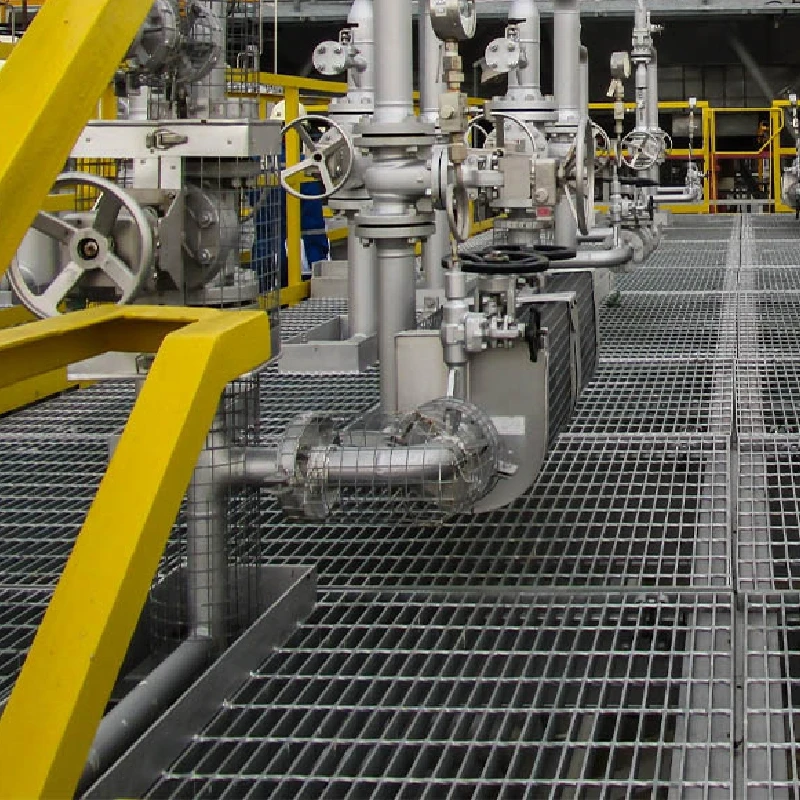
Figure 3: Welded bar grating utilized as industrial walkways and platforms, demonstrating practical application.
Typical Applications:
- Industrial Walkways and Platforms: Provides safe, slip-resistant elevated access in factories, power plants, chemical processing facilities, and storage areas.
- Stair Treads: Fabricated into durable stair treads for industrial stairs, offering excellent grip and longevity.
- Trench and Drain Covers: Ideal for covering trenches and drains in municipal, industrial, and commercial areas, capable of withstanding heavy vehicle traffic while allowing water drainage.
- Catwalks and Mezzanines: Essential for multi-level industrial structures, offering robust support and safety.
- Security Screens and Fencing: Used in correctional facilities, data centers, and high-security zones for robust barriers and anti-climb features.
- Ventilation Screens: In HVAC systems and machinery guards where airflow is crucial.
Target Industries:
- Petrochemical and Oil & Gas: For offshore platforms, refineries, and chemical processing plants where corrosion resistance and structural integrity are paramount.
- Power Generation: Used in boiler rooms, turbine halls, and cooling towers for walkways, platforms, and safety barriers.
- Metallurgy and Mining: In smelting plants, foundries, and mining operations for heavy-duty flooring and conveyor system supports.
- Water Treatment and Utilities: For access ways in water treatment plants, pumping stations, and sewage facilities where moisture and corrosive elements are prevalent.
- Logistics and Warehousing: For racking systems, mezzanines, and high-traffic walkways.
- Marine and Shipbuilding: For vessel decks, gangways, and engine room flooring, often requiring stainless steel or specialized coatings.
Customized Solutions for Unique Project Requirements
While standard panels are widely available, many industrial projects necessitate bespoke grating solutions. Reputable manufacturers offer extensive customization capabilities to meet precise engineering and architectural demands.
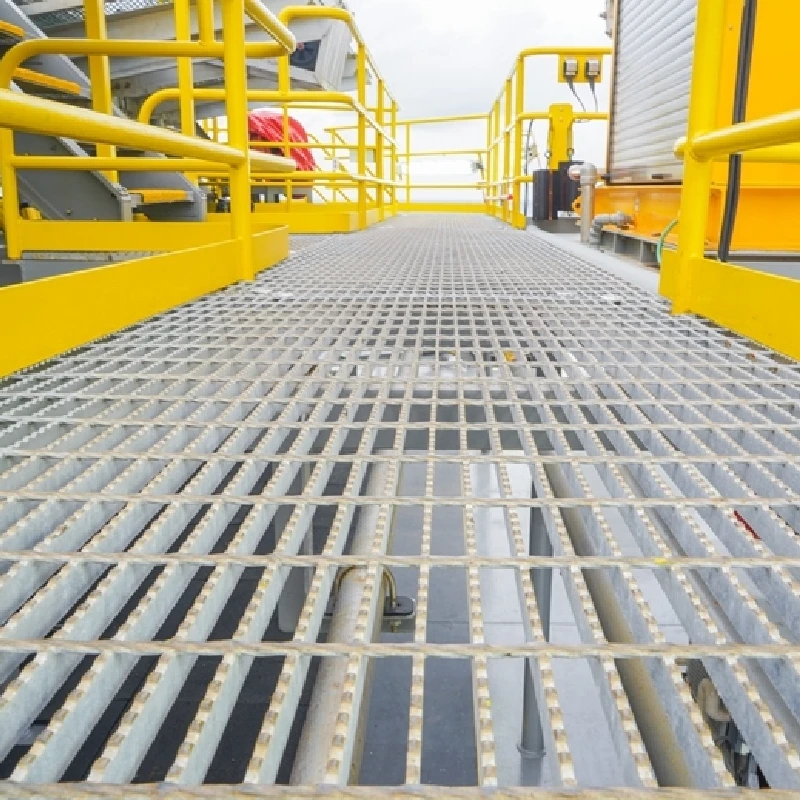
Figure 4: Diverse range of customized welded bar grating panels and fabrication options.
Customization options for welded steel grating include:
- Specific Dimensions: Panels cut to exact lengths and widths, including irregular shapes and circular sections for specialized applications.
- Specialized Cut-outs and Notches: Precisely engineered openings for pipes, columns, equipment, or other structural elements, ensuring seamless integration.
- Custom Bar Spacing: Adjusting bearing bar and cross bar pitches to achieve specific load capacities, open area percentages, or comply with "heel-proof" requirements for pedestrian safety.
- Material and Finish Variations: Beyond standard galvanized carbon steel, options include stainless steel grades (304, 316, 316L) for extreme corrosion resistance, or specialized coatings like marine-grade paint.
- Attachment Options: Integration of specialized clips, anchor bolts, or welding details for unique mounting requirements.
- Heavy-Duty Configurations: For applications demanding exceptional load-bearing, such as vehicle traffic or heavy machinery support, heavy-duty welded bar grating with larger bearing bars and closer spacing can be customized.
Collaborating with experienced manufacturers allows for optimization of design, ensuring that the custom grating not only meets performance specifications but also integrates efficiently into complex industrial layouts. This minimizes waste and speeds up project completion.
Vendor Comparison and Selection Criteria
Choosing the right supplier for welded bar grating is a critical decision that impacts project timelines, budget, and long-term operational integrity. A comprehensive evaluation should consider several factors:
Key Factors for Vendor Evaluation:
- Quality & Certifications: Verify adherence to international standards (e.g., ISO 9001 for quality management, ASTM A123 for galvanization, ANSI/NAAMM MBG 531 for grating specifications). Look for manufacturers with rigorous internal quality control processes.
- Technical Expertise & Support: Assess the vendor's ability to provide engineering support, load tables, detailed drawings, and guidance on optimal grating selection for specific applications.
- Customization Capabilities: Ensure they can produce custom sizes, shapes, cut-outs, and offer various material grades and finishes to meet unique project requirements.
- Lead Time & Reliability: Evaluate their production capacity, average lead times, and track record for on-time delivery. Disruptions can be costly for large industrial projects.
- Pricing Structure: Obtain transparent pricing, considering not just unit cost but also fabrication charges, shipping, and any associated value-added services.
- Reputation & Experience: Review client testimonials, case studies, and years of experience in supplying to relevant industries. Long-standing partners often indicate reliability.
- After-Sales Support & Warranty: Understand their warranty terms, return policies, and availability of technical assistance post-purchase.
Vendor Comparison Matrix Example:
| Feature | Vendor A (Specialized) | Vendor B (Cost-Leader) |
|---|---|---|
| Certifications | ISO 9001, CE, ASTM compliant | ISO 9001 |
| Customization | Extensive (shape, material, finish, cut-outs) | Limited to standard variations |
| Technical Support | Dedicated engineering team, CAD drawings | Standard load tables, basic queries |
| Average Lead Time | 2-4 weeks (incl. custom fabrication) | 1-3 weeks (standard items) |
| Warranty | 5-year structural integrity | 1-year against manufacturing defects |
| Pricing | Premium (value-added services included) | Competitive (focus on volume) |
Application Case Studies and Customer Success
Real-world applications demonstrate the tangible benefits and versatility of welded bar grating.
Case Study 1: Offshore Platform in the North Sea
A major energy company required robust, corrosion-resistant flooring for critical walkways and maintenance platforms on a new offshore oil rig. The environment was highly corrosive due to saltwater exposure and constant weather elements.
- Challenge: Extreme corrosive conditions, high load requirements for equipment, and critical safety needs for personnel.
- Solution: Custom-fabricated heavy-duty welded bar grating made from marine-grade stainless steel (316L) with serrated surfaces for enhanced slip resistance. All panels were manufactured to precise dimensions with integrated lifting lugs for easier installation at sea.
- Outcome: The grating provided a durable, safe, and maintenance-free walking surface that exceeded expected service life in harsh conditions, ensuring operational continuity and worker safety. The client reported significant long-term savings due to the product's longevity and reduced need for repairs.
Case Study 2: Municipal Water Treatment Facility Upgrade
A city’s aging water treatment plant required replacement of all its existing walking surfaces, including platforms around tanks and trench covers for drainage. Chemical exposure and continuous moisture were significant concerns.
- Challenge: Corrosive chemicals (chlorine, ozone), constant moisture, need for high ventilation and light, and swift installation to minimize plant downtime.
- Solution: Hot-dip galvanized welded steel grating with 30mm bearing bar spacing (heel-proof) and serrated surfaces. Custom trench covers were designed to integrate perfectly with existing concrete structures.
- Outcome: The new grating system provided superior corrosion protection and excellent slip resistance, significantly improving safety for plant operators. The modular design allowed for rapid installation, minimizing disruption to essential municipal services. The facility manager noted improved light penetration and airflow, contributing to a better working environment.
Trustworthiness, Lead Times, and Support
As a reputable supplier, our commitment extends beyond delivering high-quality welded bar grating. We prioritize transparency, reliability, and robust customer support.
- Certifications: Our manufacturing processes adhere strictly to international quality standards, including ISO 9001:2015 certification for quality management systems. Our products comply with industry-specific standards such as ASTM A123 for hot-dip galvanization and ANSI/NAAMM MBG 531 for metal bar grating.
- Lead Time & Fulfillment: Standard welded steel grating orders typically have a lead time of 1-3 weeks, depending on volume and current production schedules. Custom orders, involving specialized fabrication and finishing, usually require 3-5 weeks. We maintain robust logistics to ensure timely and secure delivery globally.
- Warranty Commitments: We offer a comprehensive warranty covering manufacturing defects and structural integrity under normal operating conditions for a period of 5 years from the date of purchase. Specific terms and conditions are provided with each quotation.
- Customer Support: Our dedicated technical support team is available from 8 AM to 6 PM (GMT+8), Monday to Friday, to assist with product selection, technical specifications, installation guidance, and any post-sales inquiries. We provide detailed engineering drawings and load calculations to ensure optimal product integration.
Frequently Asked Questions (FAQ)
A: With proper hot-dip galvanization according to ASTM A123, welded steel grating can last 20 to 50 years or more, depending on the environment's corrosivity and the thickness of the zinc coating.
A: Grating panels are typically secured using saddle clips, G-clips, or by welding directly to the supporting steel structure. Clips allow for easy removal for maintenance, while welding provides a permanent fixation.
A: Welded bar grating requires minimal maintenance. Regular cleaning to prevent debris accumulation and periodic inspection for any damage or corrosion, especially in severe environments, is generally sufficient. Galvanized surfaces typically require no recoating for decades.
A: Yes, specifically designed heavy-duty welded bar grating with larger bearing bars and closer spacing can be engineered for various types of vehicle traffic, including forklifts and trucks. Load calculations must be precisely matched to the expected vehicle weights and traffic frequency.
A: Plain grating has a smooth top surface for the bearing bars, suitable for most dry conditions. Serrated grating features notches cut into the top edge of the bearing bars, providing superior slip resistance in wet, oily, or icy environments, significantly enhancing safety.
Conclusion
Welded bar grating remains an indispensable material for robust and safe industrial infrastructure. Its superior strength, durability, and adaptability, coupled with advanced manufacturing techniques and customization options, make it the optimal choice for a vast array of demanding applications. By partnering with a reputable and technically proficient supplier, industries can ensure the longevity, safety, and efficiency of their operational environments.
References
- American Society for Testing and Materials (ASTM). ASTM A123/A123M-17: Standard Specification for Zinc (Hot-Dip Galvanized) Coatings on Iron and Steel Products. ASTM International, West Conshohocken, PA, 2017.
- National Association of Architectural Metal Manufacturers (NAAMM). MBG 531-09: Metal Bar Grating Manual. NAAMM, Chicago, IL, 2009.
- International Organization for Standardization (ISO). ISO 9001:2015: Quality Management Systems – Requirements. ISO, Geneva, Switzerland, 2015.
- Mordor Intelligence. Industrial Grating Market Size & Share Analysis - Growth Trends & Forecasts (2024 - 2029).
-
The Ultimate Guide to Choosing a French Drain Grate CoverNewsApr.16,2026
-
Ultimate Guide to Durable Metal Channel Drain Grates for DrainageNewsApr.09,2026
-
Driveway Channel Drain Grate Systems for Effective Water ManagementNewsApr.07,2026
-
Comprehensive Guide to Durable Cast Iron Trench Drain Covers for Various ApplicationsNewsApr.04,2026
-
Comprehensive Guide to Driveway Storm Drain Grates for Optimal Water ManagementNewsMar.31,2026
-
Comprehensive Guide to Durable Steel Driveway Grates for Enhanced DrainageNewsMar.28,2026