- Industrial zone, South of Anping Town, Hengshui, Hebei, China.
- sales@hfpetromesh.com
- +86-18931809706
High-Quality Perimeter Net for Safety & Security Solutions
Introduction to Advanced Perimeter Safety Netting Solutions
In critical infrastructure and industrial environments, the implementation of robust safety measures is paramount. Among these, high-performance perimeter net systems stand as a fundamental barrier, offering crucial fall protection and demarcation. These engineered solutions are designed to mitigate risks associated with elevated platforms, construction sites, and hazardous zones, ensuring the safety of personnel and the security of operations. Particularly, specialized applications like chain link helipad perimeter safety netting demand uncompromising material integrity, precise engineering, and adherence to stringent safety standards. This article delves into the technical intricacies, application versatility, and strategic advantages of modern perimeter netting solutions, focusing on their role in enhancing operational safety across diverse B2B sectors.
Industry Trends in Advanced Perimeter Netting
The landscape of industrial safety is continuously evolving, driven by technological advancements, stricter regulatory frameworks, and an increasing emphasis on risk management. Key trends impacting the design and deployment of perimeter net systems include:
- Material Innovation: A shift towards advanced alloys and composites offering superior strength-to-weight ratios, enhanced corrosion resistance, and prolonged service life, particularly in harsh environments like offshore platforms or coastal installations.
- Smart Safety Integration: Emerging integration of IoT sensors and monitoring systems within perimeter safety net installations to provide real-time integrity checks, impact detection, and automated alerts, moving towards proactive rather than reactive safety management.
- Modularity and Customization: Increased demand for modular and highly customizable solutions that can be rapidly deployed, adjusted, or relocated, accommodating diverse architectural and operational requirements without compromising safety standards.
- Sustainability and Lifecycle Management: A growing focus on environmentally friendly manufacturing processes, recyclable materials, and comprehensive lifecycle assessments to minimize ecological footprint and optimize total cost of ownership.
- Regulatory Harmonization: Efforts towards international standardization of safety netting specifications, promoting greater consistency in product performance and facilitating global deployment.
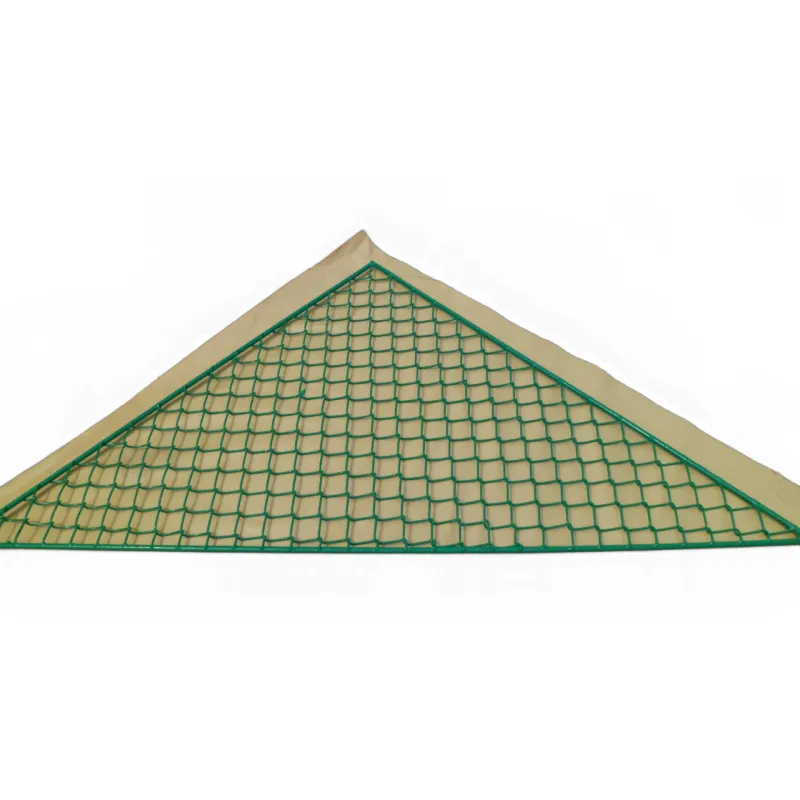
Technical Specifications of Chain Link Helipad Perimeter Safety Netting
Specialized applications, such as helipad safety, demand an extremely robust and reliable perimeter net solution. Our Chain Link Helipad Perimeter Safety Netting is engineered to meet the stringent requirements of aviation safety, ensuring maximum protection for personnel and preventing foreign object debris (FOD) from falling from elevated helipads.
Key Material and Design Parameters:
- Material Composition: Typically high-grade stainless steel (e.g., SS304, SS316) for superior corrosion resistance in marine or industrial atmospheres, or galvanized carbon steel with PVC coating for enhanced durability and visibility.
- Mesh Type: Interwoven chain link or welded mesh configurations, designed to achieve specific load-bearing capacities and impact absorption characteristics. Mesh apertures are critical for preventing small object passage.
- Wire Diameter: Ranging from 2.5 mm to 4.0 mm, selected based on required tensile strength and environmental conditions.
- Frame Structure: Robust steel frame, often hot-dip galvanized or powder-coated, designed to integrate seamlessly with helipad structures and provide rigid support for the netting panels.
- Attachment Mechanisms: High-strength fasteners, clamps, and tensioning systems ensuring secure and stable installation, capable of withstanding dynamic loads.
- UV Stability: For PVC-coated options, superior UV resistance is critical for prolonged outdoor exposure.
Product Specification Table: Chain Link Helipad Perimeter Safety Netting
Manufacturing Process Flow of Perimeter Netting
The production of a high-quality perimeter net involves a carefully controlled sequence of operations, ensuring material integrity and precise adherence to design specifications. While the user specified "casting, forging, CNC machining," for wire-based netting, these typically relate to frame components or connectors. The core netting manufacturing process is detailed below, emphasizing relevant material treatments and quality control at each stage:
- Wire Rod Procurement and Drawing:
High-carbon steel or stainless steel wire rods, conforming to ASTM A510 or equivalent, are sourced. These rods undergo cold drawing to achieve the specified wire diameter (e.g., 3.0-4.0 mm). This process enhances the wire's tensile strength and surface finish. Material certification (Mill Test Certificates) ensures chemical composition and mechanical properties meet standards.
- Surface Treatment (Galvanization/PVC Coating):
For carbon steel wires, galvanization (hot-dip or electro-galvanizing, ASTM A123/A641) is applied to provide a protective zinc coating against corrosion. For enhanced durability, aesthetic appeal, and UV resistance, galvanized wires may then undergo PVC coating through extrusion or fluid-bed dipping. Stainless steel wires typically do not require these treatments unless specific color coding or additional wear resistance is needed.
- Netting Fabrication (Weaving/Welding):
Chain Link Weaving: Galvanized or PVC-coated wires are fed into automated chain link weaving machines. These machines interlock the wires in a continuous spiral pattern, forming the characteristic diamond mesh. The tension and pitch are precisely controlled to ensure uniform mesh size and structural integrity.
Welded Mesh Fabrication: For other types of perimeter safety net, wires are resistance-welded at their intersections, creating a rigid square or rectangular mesh pattern. This process requires precise current and pressure control to ensure strong, consistent weld points. - Frame Component Manufacturing:
Structural steel tubing or angle irons (typically mild steel or stainless steel) are cut, bent, and welded to form the perimeter frame elements. This might involve CNC cutting for precise dimensions and jig-based welding to maintain geometric accuracy. These components are then often hot-dip galvanized or powder-coated for corrosion protection.
- Assembly and Edge Finishing:
The fabricated netting panels are securely attached to the prepared frame components using crimping, lacing wire, or specialized clamps. Edges are often reinforced with heavier gauge wire or a binding bar to prevent unraveling and enhance rigidity. This stage includes crucial quality checks for panel flatness, mesh tension, and secure attachment.
- Quality Control & Testing:
Each finished perimeter net section undergoes rigorous inspection. This includes visual checks for defects, dimensional verification (mesh size, panel size), and material coating thickness measurements. Destructive testing on sample batches may involve tensile strength tests (ASTM E8/A370) on individual wires and mesh sections, as well as salt spray tests (ASTM B117) to evaluate corrosion resistance. Load testing of assembled panels may be performed to validate compliance with fall protection standards (e.g., ANSI/ASSP A10.11).
- Packaging and Dispatch:
Finished netting panels are securely packaged to prevent damage during transit, often using protective wraps and crating, ready for shipment to target industries such as petrochemical, metallurgy, power generation, and marine/offshore.
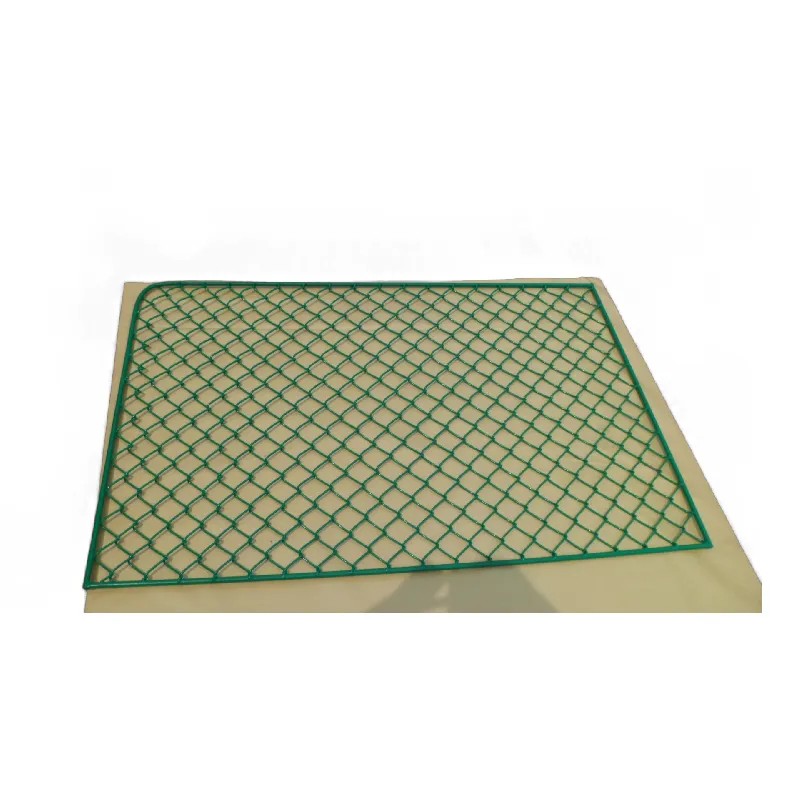
This meticulous process ensures that each perimeter net product delivers superior performance, extended service life, and unwavering reliability in demanding operational environments.
Application Scenarios for Perimeter Safety Netting
The versatility of perimeter net systems extends across a broad spectrum of industries, providing essential safety and operational integrity. While specialized for helipads, the underlying principles apply to many high-risk elevated environments.
- Aviation & Marine: Critical for helipads on offshore oil rigs, naval vessels, commercial buildings, and hospitals. These installations prevent personnel falls and mitigate the risk of tool or debris falling onto active aircraft or sensitive equipment below. Maritime applications also include safety barriers on ship decks and port facilities.
- Petrochemical & Oil & Gas: Used around elevated platforms, walkways, stairwells, and processing units in refineries, chemical plants, and offshore platforms. Corrosion-resistant materials (SS316) are crucial here due to exposure to aggressive chemicals and saltwater.
- Construction & Infrastructure: Employed as temporary or permanent fall protection barriers on bridge construction, high-rise buildings, scaffolding, and demolition sites. It ensures worker safety and protects the public from falling objects.
- Mining & Metallurgy: Guards around conveyor belts, elevated crushers, screening plants, and other heavy machinery areas to protect workers from fall hazards and access restricted zones.
- Power Generation: Installed in power plants (thermal, nuclear, hydro) around turbines, boilers, cooling towers, and maintenance platforms to prevent accidental falls and secure equipment.
- Water Treatment & Drainage: Safety barriers around open tanks, reservoirs, elevated pumping stations, and maintenance gangways to prevent accidental immersion or falls.
- Logistics & Warehousing: Used in automated warehouses and distribution centers around elevated picking areas, conveyor systems, and mezzanine floors for fall protection and segregation of automated machinery.
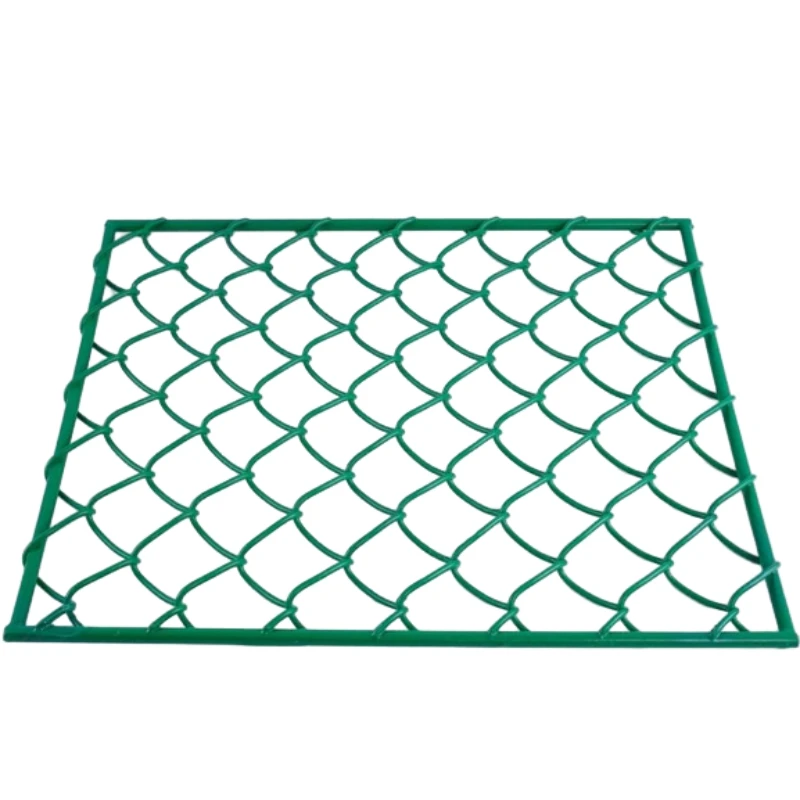
Technical Advantages and Performance Benefits
The design and material selection for a robust perimeter net system offer significant technical and operational advantages:
- Superior Corrosion Resistance: Utilizing materials like SS316 stainless steel or heavy hot-dip galvanized steel with marine-grade PVC coating ensures exceptional resistance to rust and degradation from saltwater, industrial pollutants, and harsh weather. This minimizes maintenance costs and extends the product's operational lifespan, leading to significant long-term savings.
- High Impact Absorption & Load Capacity: Engineered mesh patterns and wire diameters provide substantial tensile strength, capable of absorbing significant impact energy from falling personnel or objects without catastrophic failure. Compliance with safety standards like OSHA and ANSI/ASSP A10.11 guarantees a high safety factor.
- Durability and Longevity: Robust construction, coupled with UV-stabilized coatings and anti-abrasion properties, ensures the netting maintains its structural integrity and aesthetic over decades, even in challenging outdoor environments. This reduces the frequency of replacement and associated downtime.
- Enhanced Safety Compliance: Our netting solutions are meticulously designed to meet or exceed international and regional safety regulations, including FAA AC 150/5390-2C for helipads and ISO 9001:2015 for quality management. This provides clients with assurance of regulatory adherence and mitigates legal liabilities.
- Ease of Installation & Maintenance: Modular designs and well-engineered attachment systems facilitate straightforward installation and, if necessary, replacement. The inherent low-maintenance nature of materials like stainless steel further reduces operational expenditure.
- Operational Efficiency: By establishing clear safety perimeters and preventing accidents, these systems reduce the risk of work stoppages, investigations, and associated productivity losses. This contributes to a safer, more efficient operational workflow.
Vendor Comparison: Key Differentiators in Perimeter Netting Supply
Selecting the right vendor for your perimeter net requirements is a critical decision that impacts safety, long-term costs, and operational reliability. Beyond initial price, discerning buyers evaluate a vendor's expertise, product quality, customization capabilities, and post-sales support.
Product Comparison Table: Key Vendor Attributes
Our commitment to robust engineering, certified quality, and comprehensive customer support positions HF PetroMesh as a preferred partner for critical safety installations like chain link helipad perimeter safety netting.
Customized Solutions for Unique Applications
Recognizing that no two industrial applications are identical, we specialize in providing highly customized perimeter net solutions. Our engineering team collaborates closely with clients from conceptualization to deployment, ensuring that every aspect of the netting system is optimized for the specific operational environment and safety requirements.
Our Customization Process Includes:
- Site-Specific Design & Engineering: Utilizing advanced CAD and finite element analysis (FEA) software, we design netting systems that integrate seamlessly with existing structures, accounting for wind loads, seismic activity, and specific fall protection requirements.
- Material & Coating Selection: Tailoring material specifications (e.g., SS304 for general industrial, SS316 for marine, high-tensile steel for extreme loads) and protective coatings (e.g., specific PVC colors for visibility, specialized anti-graffiti coatings) to client needs.
- Modular Panel Fabrication: Manufacturing netting panels in custom dimensions to minimize on-site cutting and welding, reducing installation time and costs while maintaining structural integrity.
- Integrated Access & Safety Features: Designing in access gates, emergency escape panels, and integrated lighting or signage as required by specific operational protocols.
- Load-Bearing & Impact Testing: Conducting specialized load tests for unique geometries or unusually high load requirements to validate performance beyond standard specifications.
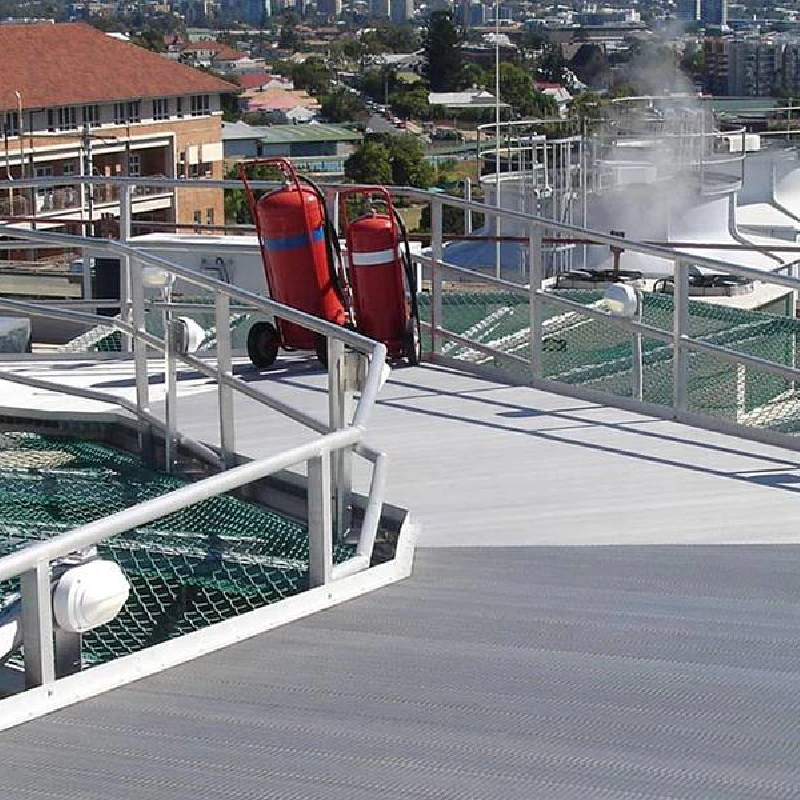
This bespoke approach ensures that our chain link helipad perimeter safety netting and other solutions provide optimal safety and efficiency for even the most challenging environments.
Application Case Studies & Customer Trust
Our long-standing commitment to quality and safety is reflected in successful deployments across various high-stakes environments. Here are examples showcasing the efficacy and reliability of our perimeter net solutions.
Case Study 1: Offshore Oil & Gas Platform Helipad
- Client: Major International Energy Corporation
- Challenge: Replacing degraded perimeter safety netting on an offshore helipad exposed to extreme corrosive conditions and high wind loads, requiring minimal downtime for installation.
- Solution: We designed and supplied a custom chain link helipad perimeter safety netting system fabricated from marine-grade SS316 stainless steel, with a specialized anti-glare finish. The modular design allowed for rapid deployment and secure attachment to the existing helipad structure. Our engineering team provided detailed installation schematics and on-site consultation to ensure flawless integration.
- Outcome: The new netting system passed all regulatory inspections (including CAA and ABS) and has demonstrated superior durability over 7 years in operation, significantly reducing maintenance frequency and enhancing safety for helicopter operations. Client feedback highlighted the robust construction and ease of maintenance as key advantages.
Case Study 2: Urban Hospital Rooftop Helipad
- Client: Large Metropolitan Hospital Group
- Challenge: Installation of a new helipad perimeter safety netting system on a high-rise urban hospital, requiring precise dimensions, minimal visual obstruction, and strict adherence to local building codes and aviation safety regulations, while operating within an active medical facility.
- Solution: We provided a custom-fabricated galvanized steel chain link perimeter safety netting with a dark grey PVC coating, specifically designed to minimize visual impact while offering optimal fall protection. The frame was engineered for a low profile and integrated with the existing rooftop architecture. Installation was managed with strict safety protocols, minimizing disruption to hospital operations.
- Outcome: The system was installed ahead of schedule, meeting all aesthetic and safety requirements. The hospital administration praised the seamless integration and the enhanced safety environment for medical staff and emergency responders. This project underscored our capability to manage complex logistical and technical requirements in sensitive environments.
Our certifications, including ISO 9001:2015, and partnerships with leading engineering firms and contractors globally, attest to our commitment to authoritative and trustworthy solutions.
Frequently Asked Questions (FAQ)
Q1: What is the typical service life of your chain link helipad perimeter safety netting?
A1: Our chain link helipad perimeter net systems, particularly those made with SS316 stainless steel or heavy hot-dip galvanized steel with robust PVC coating, are engineered for a service life of 15 to 25 years, depending on environmental conditions and maintenance practices. We use only high-grade materials and manufacturing processes to ensure maximum longevity.
Q2: Are your netting solutions compliant with international aviation standards?
A2: Yes, our chain link helipad perimeter safety netting is designed and tested to comply with stringent international aviation standards, including FAA Advisory Circular (AC) 150/5390-2C and ICAO Annex 14, Volume II. We provide full documentation and certification to verify compliance.
Q3: Can the perimeter net be customized for non-standard helipad shapes or sizes?
A3: Absolutely. Customization is a core strength. Our engineering team specializes in designing bespoke perimeter netting solutions for unique geometries, varying heights, specific attachment requirements, and integrating with existing structures. We work from your blueprints or conduct site surveys to develop a precise, tailor-made system.
Q4: What is the typical lead time for a custom perimeter netting order?
A4: Lead times can vary depending on the complexity and scale of the project. For typical custom orders, our lead time ranges from 4 to 8 weeks from final design approval to dispatch. We provide transparent timelines and keep you informed throughout the manufacturing process. Expedited options may be available upon request.
Lead Time, Warranty, and Customer Support
Lead Time & Fulfillment
We understand the importance of timely project completion. Our standardized yet flexible manufacturing processes allow us to offer competitive lead times. For standard components, orders are typically fulfilled within 2-4 weeks. For custom-engineered perimeter net systems, lead times are generally 4-8 weeks, contingent on design complexity and material availability. We employ a robust logistics network to ensure efficient and reliable delivery to your specified location, globally.
Warranty Commitments
Our products are backed by a comprehensive warranty, reflecting our confidence in their quality and durability. We offer a standard 5-year warranty against manufacturing defects and material failures for our chain link helipad perimeter safety netting. Specific project warranties can extend up to 10 years for certain high-grade materials and installations, subject to environmental conditions and proper maintenance. Full warranty details are provided with each quotation and contract.
Dedicated Customer Support
Our commitment to our clients extends beyond delivery. We provide dedicated customer support through multiple channels, ensuring expert assistance is always available. Our services include:
- Technical Consultation: Our experienced engineers offer pre-sales technical advice, design assistance, and post-sales troubleshooting.
- Installation Guidance: Detailed manuals, CAD drawings, and remote support for installation teams. On-site supervision can be arranged for complex projects.
- After-Sales Service: Responsive support for warranty claims, spare parts procurement, and maintenance recommendations.
- Training: Provision of product-specific training for client maintenance personnel where required.
You can reach our support team via email at sales@hfpetromesh.com or by phone during business hours. We are committed to ensuring the long-term satisfaction and operational safety of your investment.
Authoritative References
- Federal Aviation Administration (FAA) Advisory Circular 150/5390-2C: Heliport Design.
- International Civil Aviation Organization (ICAO) Annex 14, Volume II: Heliports.
- ASTM International Standards, particularly A123/A123M for Zinc (Hot-Dip Galvanized) Coatings on Iron and Steel Products.
- ISO 9001:2015 Quality Management Systems – Requirements.
- American National Standards Institute (ANSI) / American Society of Safety Professionals (ASSP) A10.11: Safety Requirements for Personnel Nets.
-
The Ultimate Guide to Choosing a French Drain Grate CoverNewsApr.16,2026
-
Ultimate Guide to Durable Metal Channel Drain Grates for DrainageNewsApr.09,2026
-
Driveway Channel Drain Grate Systems for Effective Water ManagementNewsApr.07,2026
-
Comprehensive Guide to Durable Cast Iron Trench Drain Covers for Various ApplicationsNewsApr.04,2026
-
Comprehensive Guide to Driveway Storm Drain Grates for Optimal Water ManagementNewsMar.31,2026
-
Comprehensive Guide to Durable Steel Driveway Grates for Enhanced DrainageNewsMar.28,2026