- Industrial zone, South of Anping Town, Hengshui, Hebei, China.
- sales@hfpetromesh.com
- +86-18931809706
Industrial Steel Grating: Durable & Galvanized Floor Solutions
Understanding Industrial Steel Grating
Industrial steel grating serves as a critical component in various demanding environments, offering robust and reliable flooring, platforms, and stair treads. Engineered for superior load-bearing capacity, slip resistance, and open area for ventilation and drainage, its applications span across heavy industries. The choice of grating, particularly specialized types like riveted grating, is pivotal for ensuring operational safety, structural integrity, and long-term cost-effectiveness. This comprehensive guide delves into the specifics of industrial steel grating, highlighting its manufacturing, technical specifications, diverse applications, and the competitive advantages it offers to B2B clients.
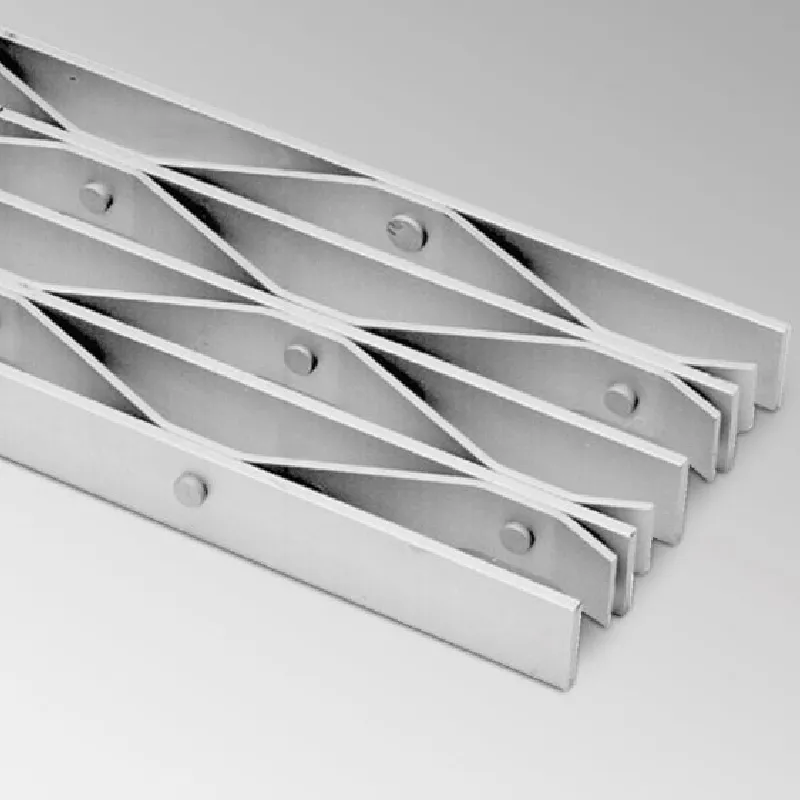
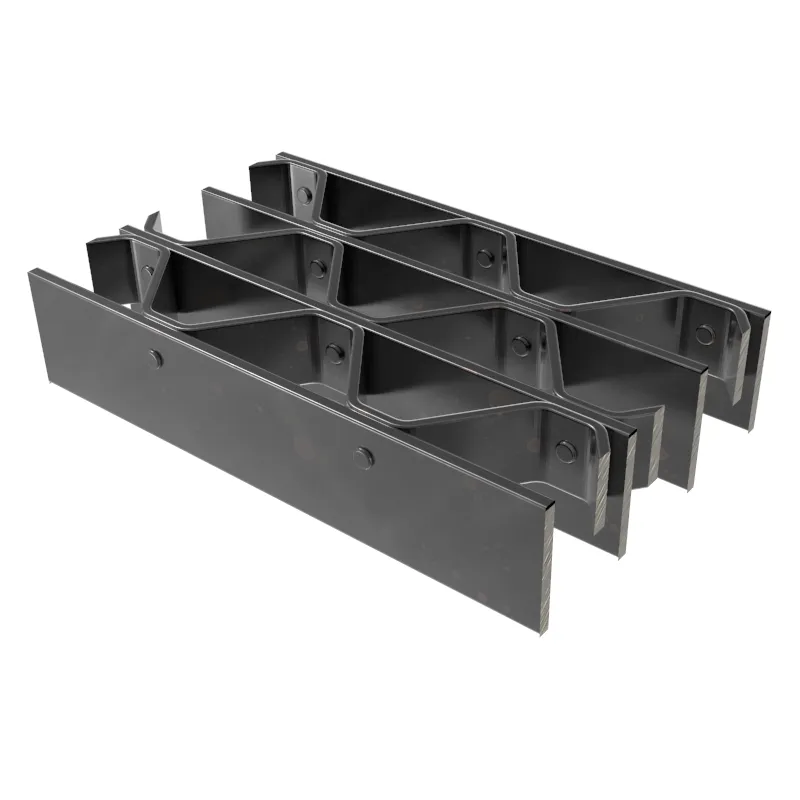
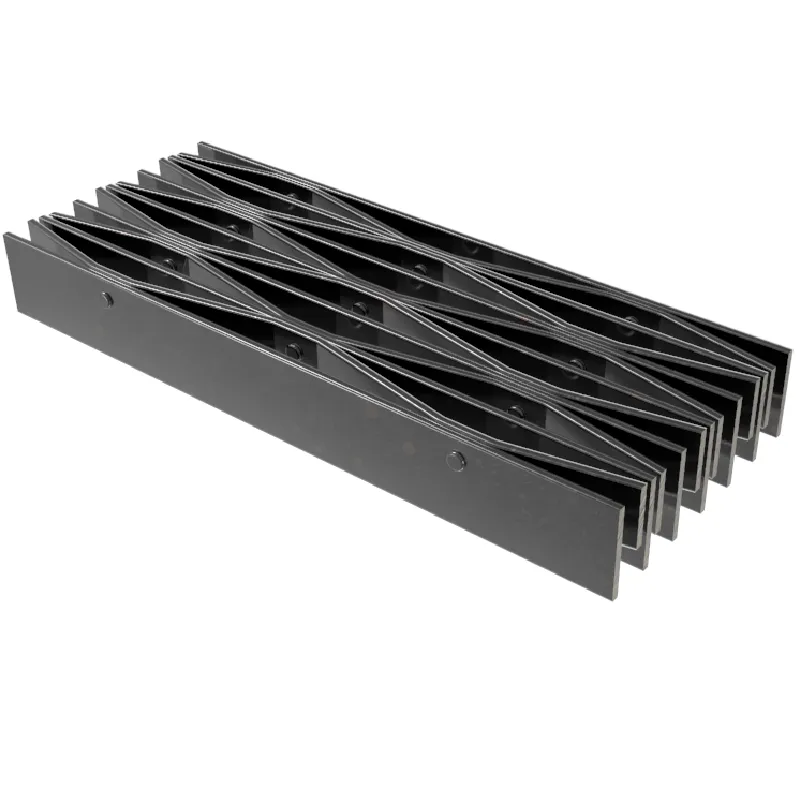
Specifically, our focus on riveted grating underscores its unique construction, where bearing bars and cross bars are joined by a series of rivets. This method provides exceptional resistance to impact and fatigue, making it an ideal solution for areas subjected to heavy dynamic loads or frequent vibrations. Its inherent strength and durability contribute significantly to reducing maintenance requirements and extending service life, factors that are paramount in sectors such as petrochemicals, power generation, and wastewater treatment.
Detailed Manufacturing Process Flow of Riveted Grating
The production of high-quality industrial steel grating, particularly riveted types, involves a meticulous multi-stage process designed to ensure structural integrity, durability, and compliance with stringent industry standards. Here, we outline the key phases of manufacturing:
Process Steps:
- Material Selection and Preparation: High-grade carbon steel (e.g., ASTM A36, Q235) or stainless steel (e.g., SS304, SS316) is chosen based on application requirements, particularly concerning corrosion resistance and load capacity. Flat bearing bars and round cross bars are precisely cut to specified lengths.
- Punching and Notching: Bearing bars undergo a specialized punching process to create accurately spaced holes or notches, preparing them for the insertion of cross bars and rivets. This precision is critical for maintaining consistent bar spacing and structural strength.
- Assembly and Riveting: The cross bars are inserted through the punched bearing bars, forming the desired grating panel configuration. Hot riveting is then employed, where rivets are heated and driven through the aligned holes, then hammered or pressed to form a permanent, secure connection. This forging-like process creates a strong, interlocking structure resistant to loosening under vibration or stress.
- Trimming and Banding: Once riveted, the grating panels are trimmed to the final dimensions. Edge banding, often performed by welding flat bars around the perimeter, reinforces the grating, preventing deformation and enhancing its aesthetic appeal and load distribution capabilities.
- Surface Treatment: The most common surface treatment for industrial steel grating is hot-dip galvanization (per ASTM A123/A153 standards). This process involves immersing the fabricated steel in molten zinc, creating a metallurgically bonded coating that provides superior long-term corrosion resistance, crucial for outdoor and harsh industrial environments. Other treatments may include painting, powder coating, or pickling and passivation for stainless steel.
- Quality Control and Testing: Throughout the entire process, rigorous quality checks are performed. This includes dimensional verification, material composition analysis, weld integrity checks (if banding is welded), and galvanization thickness measurement. Load testing and deflection analysis may also be conducted to ensure compliance with standards such as ANSI/NAAMM MBG 531-09, ISO 9001, and specific client requirements.
- Packaging and Shipping: Finished and inspected grating panels are carefully packaged to prevent damage during transit, typically strapped into bundles or crated for international shipping.
The typical service life of a hot-dip galvanized industrial steel grating is often 20-50 years, depending on the environmental aggressivity. This extended lifespan contributes significantly to operational energy saving by minimizing replacement and maintenance cycles. Target industries for such robust solutions include petrochemical plants, oil and gas refineries, power generation facilities, metallurgical operations, water supply & drainage systems, and heavy manufacturing. In these scenarios, the exceptional corrosion resistance of galvanized steel and the structural stability of the riveted connection ensure reliable performance even under extreme conditions.
Technical Specifications and Performance Parameters
Understanding the precise technical specifications of industrial steel grating is crucial for engineers and procurement specialists to ensure optimal selection for specific project requirements. These parameters directly influence the grating's load-bearing capacity, span capabilities, and suitability for various environmental conditions.
Typical Riveted Grating Specifications (Based on ASTM A36 Steel)
| Parameter | Description / Standard Value |
|---|---|
| Bearing Bar Material | ASTM A36 Carbon Steel, SS304, SS316 |
| Cross Bar Material | ASTM A36 Carbon Steel (round or square bar), SS304, SS316 |
| Bearing Bar Depth | 25mm to 100mm (1" to 4") |
| Bearing Bar Thickness | 3mm to 6mm (1/8" to 1/4") |
| Bearing Bar Pitch | 30mm, 40mm, 60mm (1-3/16", 1-1/2", 2-3/8") or customized |
| Cross Bar Pitch | 50mm, 100mm (2", 4") or customized |
| Surface Treatment | Hot-dip Galvanized (ASTM A123/A153), Painted, Powder Coated |
| Load Capacity | Varies significantly by bar size and span, e.g., 25x5mm bar on 1m span can hold ~50 kN/m² |
| Open Area | Typically 70-85%, allowing for light, air, and liquid passage |
| Slip Resistance | Standard smooth top, serrated options available for enhanced grip |
| Manufacturing Standard | ANSI/NAAMM MBG 531-09 (Metal Bar Grating Manual), BS EN ISO 1461 |
The structural integrity of riveted grating is derived from the positive mechanical lock created by the cold-formed or hot-driven rivets. This robust connection minimizes material fatigue and offers superior resistance to concentrated loads and vibrations compared to other grating types. Its open mesh design provides excellent drainage and ventilation, preventing the accumulation of water, oil, or debris, thereby reducing slip hazards and facilitating maintenance. The high strength-to-weight ratio also contributes to easier handling and installation while ensuring maximum safety.
Industry Trends and Advantages
The market for industrial steel grating is continually evolving, driven by demands for increased safety, sustainability, and efficiency across heavy industries. Key trends include the adoption of advanced corrosion protection methods, the integration of smart monitoring capabilities for structural health, and a growing emphasis on modular, easy-to-install systems.
Key Advantages of Robust Steel Grating:
- Exceptional Corrosion Resistance: For environments like offshore platforms, chemical processing plants, and wastewater treatment facilities, hot-dip steel grating galvanis is indispensable. The zinc coating acts as a sacrificial layer, protecting the underlying steel from rust and chemical degradation, significantly extending the asset's lifespan and reducing maintenance costs.
- Superior Load-Bearing Capacity: Designed to withstand heavy static and dynamic loads, our grating products provide safe and stable walking surfaces and platforms. This is particularly vital in industrial settings where heavy machinery, vehicles, and personnel traffic are common.
- Enhanced Safety Features: The open mesh design ensures excellent light and air penetration, improving visibility and ventilation. Options for serrated bearing bars provide superior slip resistance, crucial in wet or oily conditions, thereby reducing workplace accidents.
- Cost-Effectiveness and Energy Saving: The longevity and low maintenance requirements of galvanized floor steel grating translate into significant lifecycle cost savings. Furthermore, its open design allows natural light and airflow, potentially reducing the need for artificial lighting and ventilation in certain structures, thus contributing to energy efficiency.
- Versatility and Customization: Available in various materials, bar sizes, and finishes, industrial grating can be tailored to meet specific project demands, including unique architectural requirements or specialized functional needs.
Application Scenarios and Target Industries
The versatility and robustness of industrial steel grating make it indispensable across a multitude of heavy-duty industrial and commercial applications. Its design caters to both functional and safety requirements in challenging environments.
Typical Application Areas:
- Petrochemical and Oil & Gas: Used extensively for platforms, walkways, stair treads, and trench covers in refineries, offshore rigs, and chemical processing plants, where corrosion resistance and structural integrity under hazardous conditions are paramount.
- Power Generation: Found in power plants (coal, nuclear, renewable) for boiler access platforms, turbine halls, and cooling tower walkways, providing durable and safe access in high-temperature or corrosive atmospheres.
- Metallurgy and Mining: Employed in smelters, foundries, and mining operations for heavy-duty floor steel grating, providing stable surfaces for workers and equipment, capable of withstanding extreme wear and impact.
- Water Supply & Drainage Systems: Ideal for pump station platforms, filter beds, and drainage trench covers due to its excellent fluid passage capabilities and resistance to constant moisture and chemical exposure.
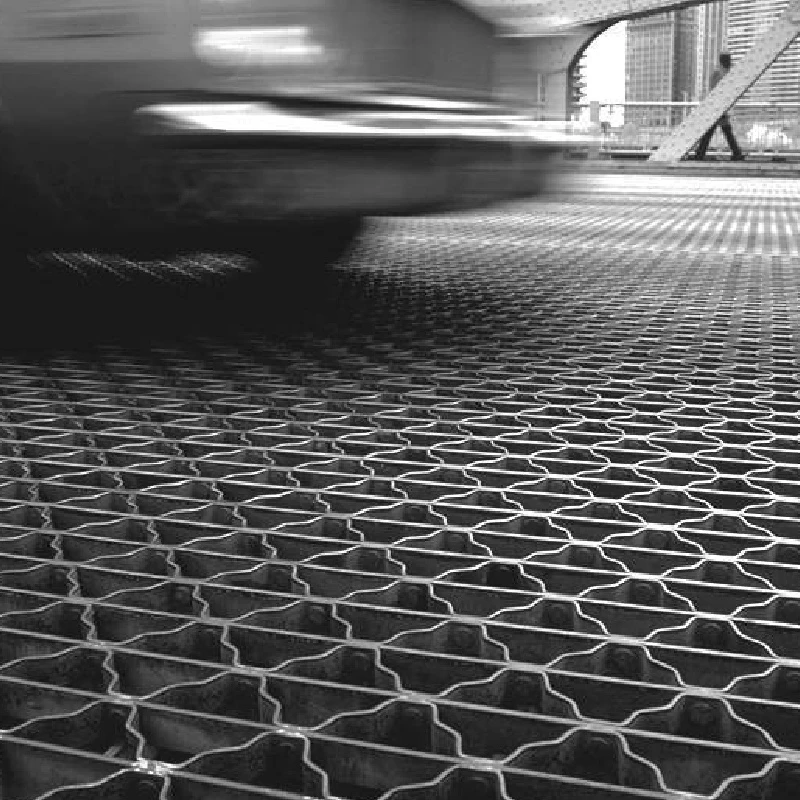
- Manufacturing and Industrial Facilities: Utilized for mezzanine flooring, catwalks, access platforms, and vehicle ramps in automotive, aerospace, and general manufacturing facilities, where heavy loads and high traffic are common.
- Architectural and Commercial: Increasingly adopted for modern architectural elements, such as sun screens, building facades, and high-traffic public walkways, blending aesthetic appeal with robust functionality.
In these diverse settings, the selection of the correct bar grating prices is often a crucial consideration, balancing initial investment with long-term performance and maintenance costs. Our riveted grating, renowned for its robustness, presents an excellent value proposition over its extensive service life.
Vendor Comparison and Grating Types
When selecting industrial steel grating, understanding the differences between major types and what various vendors offer is key to making an informed decision. The primary types of steel grating are welded, riveted, and pressure-locked, each with distinct advantages.
Comparison of Major Steel Grating Types:
| Feature | Welded Grating | Riveted Grating (Our Specialization) | Pressure-Locked Grating |
|---|---|---|---|
| Joining Method | Resistance welding | Hot-driven rivets | Hydraulic pressure insertion |
| Impact/Fatigue Resistance | Good | Excellent (superior for dynamic loads) | Good to Very Good |
| Appearance | Clean, uniform lines | Distinct, classic industrial aesthetic | Very clean, tight mesh |
| Corrosion Resistance (Galvanized) | Very good | Excellent (riveted connections are less prone to weld failure) | Good |
| Recommended Applications | General industrial platforms, walkways, municipal projects | Heavy-duty industrial, power plants, mining, vibrating screens | Architectural, decorative, light to medium industrial |
| Approx. Cost (Relative) | Medium | Higher (due to complex manufacturing) | Medium to High |
While welded grating offers efficiency and a wide range of sizes, its welds can be susceptible to fatigue in high-vibration environments. Pressure-locked grating provides a clean, aesthetic look but might not always match the sheer dynamic load resistance of riveted designs. Our specialization in riveted grating provides a solution optimized for the most demanding applications, offering an unparalleled balance of strength, durability, and resistance to environmental stressors. When comparing bar grating prices, it is crucial to consider the total cost of ownership, including expected lifespan and maintenance, where the robust nature of riveted steel grating often provides superior long-term value.
Customized Solutions
Recognizing that no two industrial projects are exactly alike, we specialize in providing highly customized industrial steel grating solutions. Our engineering team collaborates closely with clients to understand specific site requirements, load conditions, environmental factors, and operational constraints. This ensures that every grating panel is not just a standard product, but a precisely engineered component tailored to its intended application.
Our Customization Capabilities Include:
- Material Selection: Beyond standard carbon steel, we offer stainless steel grades (e.g., SS304, SS316, SS316L) for enhanced chemical resistance in highly corrosive environments, and specialized alloys for extreme temperature applications.
- Dimensions and Configurations: Custom bar depths, thicknesses, and pitches (both bearing and cross bar) to achieve specific load-bearing capacities and deflection limits. We also offer custom panel sizes, cut-outs, and banding for intricate layouts, stair treads, and trench covers.
- Surface Treatments: While hot-dip steel grating galvanis is our standard for superior corrosion protection, we also provide specialized painting, powder coating, or electro-polishing for aesthetic or unique environmental demands.
- Slip Resistance: Options for serrated bearing bars or specialized anti-slip coatings for areas requiring maximum traction, such as oily platforms or icy outdoor walkways.
- Fabrication and Accessories: Integration of toe plates, nosings, lifting handles, and custom clips or fasteners for secure and efficient installation.
Our comprehensive approach ensures that the final product not only meets but exceeds performance expectations, contributing to the overall efficiency and safety of client operations.
Application Case Studies (Experience & Authoritativeness)
Our extensive experience in providing robust industrial steel grating solutions is evidenced by successful installations across various challenging industrial landscapes. These case studies highlight the practical benefits and reliability of our products.
Case Study 1: Offshore Oil & Gas Platform
Challenge: An operator of a North Sea offshore platform required highly durable floor steel grating for various access platforms, walkways, and helipad decking. The environment presented extreme corrosive conditions (saltwater spray, harsh winds) and dynamic loads from equipment and personnel.
Solution: We supplied custom-fabricated, hot-dip galvanized riveted grating with serrated bearing bars (50x6mm @ 30mm pitch, 100mm cross bar pitch). The robust riveted connections ensured fatigue resistance against constant vibrations, while the heavy galvanization provided unparalleled corrosion protection, meeting NORSOK M-501 coating requirements.
Outcome: The grating has performed flawlessly for over 10 years, requiring minimal maintenance. Customer feedback confirmed superior slip resistance and structural stability, significantly enhancing worker safety and operational uptime.
Case Study 2: Wastewater Treatment Plant
Challenge: A major municipal wastewater treatment plant needed replacement grating for their filter beds and clarifier walkways. The environment involved continuous exposure to moisture, corrosive chemicals (chlorine, sulfates), and organic matter.
Solution: We provided SS316 stainless steel riveted grating panels, custom-sized to fit existing structures. The choice of SS316 offered superior resistance to chloride corrosion, while the riveted design provided excellent open area for drainage and ventilation, preventing chemical pooling.
Outcome: The stainless steel grating dramatically improved the facility's lifespan and safety compared to previous materials. The client reported significant reduction in rust formation and increased structural confidence, with projected service life exceeding 30 years.
Certifications, Authoritative References, and Trustworthiness
Our commitment to quality, safety, and reliability in industrial steel grating is underpinned by adherence to global standards and transparent business practices. We prioritize building trust through validated quality and dedicated customer service.
Authoritative Compliance:
- ISO 9001 Certified: Our manufacturing processes and quality management systems are certified to ISO 9001 standards, ensuring consistent product quality and continuous improvement.
-
Industry Standards: All our grating products comply with major international and national specifications, including:
- ANSI/NAAMM MBG 531-09 (Metal Bar Grating Manual for Steel, Stainless Steel, and Aluminum)
- ASTM A123 / A123M (Standard Specification for Zinc (Hot-Dip Galvanized) Coatings on Iron and Steel Products)
- ASTM A36 / A36M (Standard Specification for Carbon Structural Steel)
- BS EN ISO 1461 (Hot dip galvanized coatings on fabricated iron and steel articles – Specifications and test methods)
- Rigorous Testing: We conduct in-house and third-party testing for load capacity, deflection, slip resistance, and coating thickness, providing comprehensive data sheets for client validation.
Trustworthiness & Customer Support:
Frequently Asked Questions (FAQ):
- Q: What is the lead time for custom industrial steel grating orders?
A: Standard orders typically have a lead time of 3-4 weeks from design approval to delivery. Complex or large custom orders may require 6-8 weeks. We always provide a detailed production schedule upon order confirmation. - Q: What warranty is offered on your products?
A: We offer a 5-year limited warranty against manufacturing defects and premature corrosion (for galvanized products under normal use conditions). Detailed warranty terms are available upon request. - Q: How do you ensure product quality and dimensional accuracy?
A: We employ a multi-stage quality control process, including raw material inspection, in-process checks at each manufacturing step, and final inspection of finished products for dimensions, galvanization thickness, and structural integrity, all compliant with ISO 9001. - Q: Can you assist with grating panel layout and design?
A: Yes, our experienced engineering team provides comprehensive design support, including load calculations, deflection analysis, and optimized panel layouts to minimize waste and ensure structural performance for your specific project.
Lead Time and Fulfillment:
Our efficient production scheduling and robust supply chain management enable us to meet demanding project timelines. We communicate lead times transparently and provide regular updates on order status, ensuring timely delivery to your site. Expedited options are available for urgent requirements.
Warranty and After-Sales Support:
Our products come with a robust warranty, reflecting our confidence in their quality and durability. Beyond the sale, our dedicated customer support team is available for any technical queries, installation guidance, or post-delivery assistance, ensuring your continued satisfaction and the long-term performance of our industrial steel grating.
Conclusion
The demand for high-performance industrial steel grating continues to grow across critical infrastructure and heavy industries. Our specialization in riveted grating, backed by meticulous manufacturing, adherence to international standards, and a deep understanding of diverse application needs, positions us as a trusted partner for B2B clients. From customized solutions to unwavering customer support, we are committed to delivering products that ensure safety, longevity, and operational efficiency, proving to be a wise investment in the long run.
References:
- American National Standards Institute (ANSI) / National Association of Architectural Metal Manufacturers (NAAMM). MBG 531-09, Metal Bar Grating Manual.
- ASTM International. ASTM A123/A123M-17, Standard Specification for Zinc (Hot-Dip Galvanized) Coatings on Iron and Steel Products.
- ISO. ISO 9001:2015, Quality management systems – Requirements.
- The Galvanizers Association. "Corrosion Protection in Hot Dip Galvanizing."
-
The Ultimate Guide to Choosing a French Drain Grate CoverNewsApr.16,2026
-
Ultimate Guide to Durable Metal Channel Drain Grates for DrainageNewsApr.09,2026
-
Driveway Channel Drain Grate Systems for Effective Water ManagementNewsApr.07,2026
-
Comprehensive Guide to Durable Cast Iron Trench Drain Covers for Various ApplicationsNewsApr.04,2026
-
Comprehensive Guide to Driveway Storm Drain Grates for Optimal Water ManagementNewsMar.31,2026
-
Comprehensive Guide to Durable Steel Driveway Grates for Enhanced DrainageNewsMar.28,2026