- Industrial zone, South of Anping Town, Hengshui, Hebei, China.
- sales@hfpetromesh.com
- +86-18931809706
Helideck Perimeter Safety Nets: Secure Fall Protection
Introduction to Helideck Perimeter Safety Nets
In the challenging environments of offshore platforms, vessels, and onshore facilities requiring aerial access, the safety of personnel is paramount. Helicopter operations, integral to many industrial sectors, necessitate stringent safety measures. Among the most critical is the installation of robust helideck perimeter safety nets. These specialized netting systems are designed to prevent personnel from falling overboard or off the helideck, providing a crucial last line of defense in high-risk scenarios. Engineered for extreme durability and compliance with international maritime and aviation safety standards, these nets are indispensable for ensuring operational integrity and human safety.
The design and material selection for helideck perimeter safety nets are critical, considering exposure to harsh marine elements, UV radiation, and dynamic operational stresses. Manufacturers like Hfpetromesh focus on delivering solutions that exceed regulatory requirements, offering long-term reliability and minimal maintenance. This article delves into the industry trends, technical specifications, manufacturing processes, application scenarios, and key advantages of these essential safety components, providing a comprehensive overview for B2B decision-makers and engineers.
Industry Trends and Regulatory Landscape
The global demand for helideck perimeter safety nets is experiencing consistent growth, driven by expanding offshore energy exploration, increased maritime transportation, and the ongoing modernization of existing infrastructure. Key trends influencing the market include:
- Stricter Regulatory Compliance: International bodies such as the International Civil Aviation Organization (ICAO) and the Civil Aviation Authority (CAA) consistently update their helideck design and safety standards, pushing manufacturers towards advanced materials and engineering practices. The latest CAP 437 standards, for instance, mandate specific net specifications for offshore helidecks.
- Advanced Materials Science: A shift towards high-performance synthetic fibers, such as high-modulus polyethylene (HMPE) and specialized polyamides, offering superior strength-to-weight ratios, enhanced UV resistance, and improved longevity compared to traditional materials.
- Integrated Safety Systems: The integration of helideck perimeter safety nets with other safety features, such as lighting systems, foam fire suppression, and automated deployment mechanisms, is becoming more prevalent to create holistic safety zones.
- Customization and Modularity: Increasing demand for bespoke solutions tailored to unique helideck geometries and operational requirements, coupled with modular designs that facilitate easier installation, maintenance, and replacement.
- Digitalization in Design and Maintenance: The use of Finite Element Analysis (FEA) for design validation and digital twins for predictive maintenance is optimizing net performance and extending service life.
These trends underscore the critical need for suppliers to not only meet current standards but to innovate continually, providing robust and future-proof safety solutions for industries ranging from petrochemical and maritime to naval defense and search-and-rescue operations.
Manufacturing Process Flow of Perimeter Safety Netting
The production of high-quality perimeter safety netting involves a meticulous, multi-stage process, ensuring the final product meets stringent safety and durability criteria. While traditional metal casting, forging, or CNC machining are typical for rigid components, for netting systems, the emphasis shifts to advanced fiber extrusion, weaving, knotting, and sophisticated fabrication techniques. Below is a detailed process flow:
1. Material Selection and Preparation
- Fiber Sourcing: High-grade synthetic fibers are chosen, typically Polyamide (Nylon) or High-Modulus Polyethylene (HMPE, e.g., Dyneema® or Spectra®). These materials offer superior tensile strength, abrasion resistance, UV stability, and chemical inertness essential for marine and offshore environments. HMPE, for instance, boasts an extremely low specific gravity and exceptional resistance to saltwater corrosion, making it ideal for the demanding application of helideck perimeter safety nets.
- Quality Assurance: Incoming raw materials undergo rigorous testing for fiber diameter, tensile strength, elasticity, and colorfastness, adhering to internal quality protocols and international standards like ISO 1346.
2. Yarn Extrusion and Twisting/Braiding
- Extrusion: Polymer pellets are melted and extruded through spinnerets to form continuous filaments, which are then stretched and cooled to align molecular chains, enhancing strength.
- Twisting/Braiding: Multiple filaments are twisted into yarns or braided into ropes. Braided constructions offer higher strength and better abrasion resistance than twisted strands. This process is precision-controlled to ensure uniform rope diameter and consistent mechanical properties.
3. Net Fabrication (Knotting/Knotless Weaving)
- Machine Knotting: Yarns are machine-knotted to form the net mesh. Knotting machines ensure consistent mesh size and knot integrity, crucial for load distribution and preventing unraveling.
- Knotless Weaving: For superior strength and reduced abrasion, some premium nets are produced using knotless weaving techniques, where strands are interwoven rather than tied, creating a smoother, stronger, and more durable structure. This process is analogous to precise CNC operations in metal fabrication, ensuring high dimensional accuracy and structural integrity.
4. Edge Reinforcement and Finishing
- Border Rope Integration: Heavy-duty border ropes are integrated around the perimeter of the net. These ropes are often spliced or machine-stitched to the net edges, providing structural integrity and attachment points.
- Reinforced Eyelets/Thimbles: Marine-grade stainless steel thimbles or reinforced eyelets are meticulously integrated at strategic points for attachment to the helideck structure. These components are often forged or cast from AISI 316 stainless steel for maximum corrosion resistance, a critical factor in salty marine environments.
- Protective Coatings: Nets may receive specialized coatings for enhanced UV resistance, fire retardancy, or abrasion protection. These coatings prolong the service life and maintain aesthetic quality, similar to how galvanizing or passivation protects metal components.
5. Testing and Certification
- Load Testing: Each net undergoes static and dynamic load testing to verify its strength and energy absorption capabilities, often conforming to standards like ISO 1806, EN 1263-1, and ICAO CAP 437. For example, drop tests with specified weights are performed to simulate impact scenarios.
- Material Property Verification: Tensile strength, elongation, and UV degradation tests are performed on material samples, typically following ASTM or ISO protocols.
- Dimensional Accuracy: Mesh size, overall dimensions, and rope diameters are checked against design specifications.
- Service Life & Warranty: High-quality perimeter safety nets, when properly maintained, can have a service life of 5-10 years, depending on material and environmental conditions. Manufacturers typically offer warranties against manufacturing defects for 1-3 years.
Target industries benefiting from these rigorously manufactured nets include offshore oil and gas, commercial shipping, naval vessels, renewable energy (wind farms), and large industrial complexes with private helipads. Advantages demonstrated in these scenarios include significant energy absorption capabilities during impact (reducing injury severity), exceptional corrosion resistance due to synthetic materials and marine-grade stainless steel fittings, and overall enhanced operational safety.
Technical Specifications and Parameters
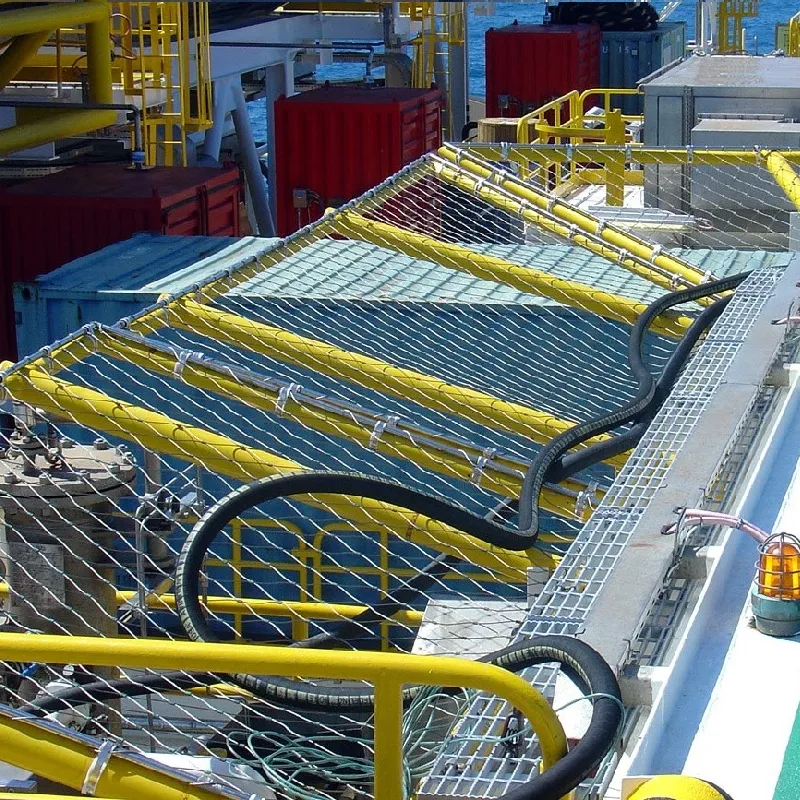
Understanding the precise technical specifications of helideck perimeter safety nets is crucial for procurement and engineering teams. These parameters dictate the net's performance, durability, and suitability for specific environments. Manufacturers adhere to international standards to ensure product reliability.
Key Product Specification Table for Perimeter Safety Netting
| Parameter | Specification/Value | Standard Compliance |
|---|---|---|
| Net Material | High-Modulus Polyethylene (HMPE) or Polyamide (Nylon) | ISO 1346 |
| Mesh Size (Square) | 75mm x 75mm to 100mm x 100mm (3" to 4") | ICAO CAP 437 |
| Net Twine Diameter | 4.0mm to 6.0mm | EN 1263-1 |
| Breaking Strength (Individual Mesh) | > 3.5 kN (approx. 780 lbf) | ISO 1806 |
| Border Rope Material | HMPE or Polypropylene (UV Stabilized) | EN ISO 2307 |
| Border Rope Diameter | 10mm to 16mm | EN ISO 2307 |
| Fitting Material | AISI 316 Marine-Grade Stainless Steel | ASTM A276 |
| UV Resistance | Excellent (Min. 5-year outdoor exposure) | ISO 4892-2 (Accelerated Weathering) |
| Operating Temperature Range | -30°C to +70°C | Internal Standards |
| Expected Service Life | 5-10 years (dependent on environment & maintenance) | Manufacturer's Data |
These specifications are crucial for ensuring that the netting not only meets immediate safety requirements but also withstands the harsh operational conditions, thereby minimizing replacement costs and maximizing safety intervals.
Application Scenarios and Technical Advantages
Helideck perimeter safety nets are indispensable across a range of high-stakes environments where helicopter operations are routine. Their design ensures passive fall protection, a critical element in preventing serious accidents.
Key Application Scenarios:
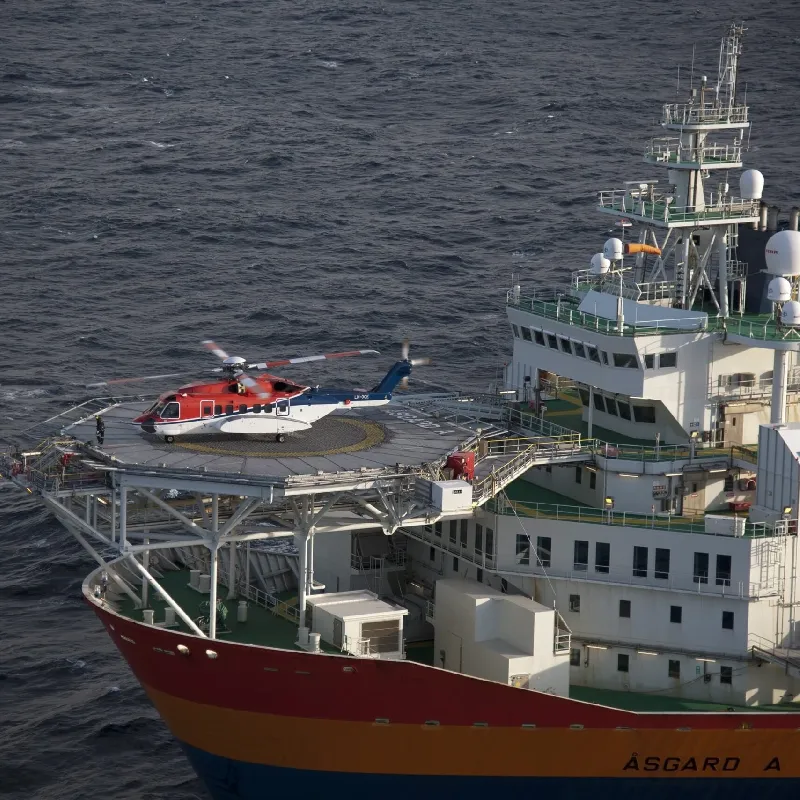
- Offshore Oil & Gas Platforms: Essential for personnel transfer and emergency response on production platforms, drilling rigs, and Floating Production Storage and Offloading (FPSO) units. The nets protect maintenance crews, flight deck officers, and passengers during helicopter landing and takeoff operations.
- Naval Vessels and Coast Guard Ships: Crucial for flight operations on frigates, destroyers, aircraft carriers, and patrol vessels, especially during rough seas or adverse weather conditions, providing safety for aircrews and deck personnel.
- Commercial Ships (Cruise Liners, Cargo Vessels): Helipads on large commercial vessels, particularly those operating in remote areas, rely on these nets for emergency medical evacuations and logistical support.
- Onshore Helipads (Hospitals, Corporate Buildings): While less exposed to marine conditions, urban helipads still require perimeter netting to meet aviation safety standards, especially where helidecks are elevated or near building edges.
- Renewable Energy Installations: Helipads on offshore wind farms and other remote renewable energy structures utilize perimeter nets to ensure the safety of technicians and engineers.
Technical Advantages:
- Superior Corrosion Resistance: Manufactured from HMPE or treated polyamide and equipped with AISI 316 stainless steel fittings, these nets exhibit exceptional resistance to saltwater, harsh chemicals, and atmospheric corrosion, ensuring longevity in marine environments. This is a critical advantage over traditional metallic safety barriers.
- High Energy Absorption: The inherent elasticity and high tensile strength of the synthetic fibers allow the nets to absorb significant impact energy, safely decelerating a falling person without causing secondary injuries. This capability is paramount, distinguishing them from rigid fall protection systems.
- UV Stability: Specialized coatings and material compositions provide long-term UV resistance, preventing degradation and maintaining material integrity even under prolonged exposure to intense sunlight, a common challenge in tropical and equatorial regions.
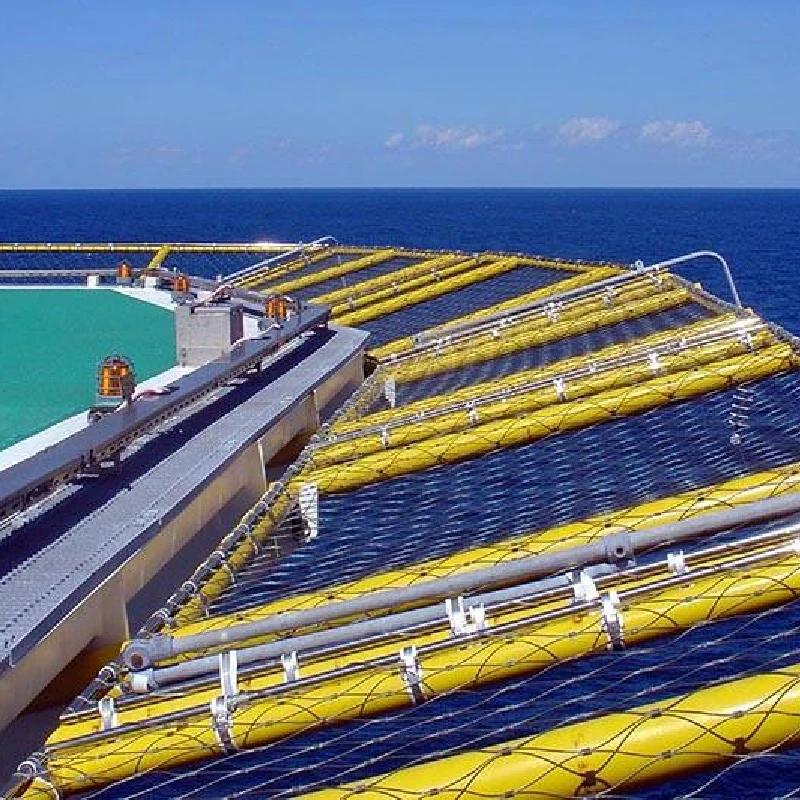
- Lightweight and Easy Installation: Compared to metal railings or fences, perimeter safety nets are significantly lighter, reducing structural load on the helideck. Their flexible nature allows for easier and quicker installation, requiring less specialized equipment and personnel.
- Low Maintenance Requirements: Designed for durability, these nets require minimal maintenance, typically involving periodic visual inspections and cleaning. Their resistance to rust and biological growth reduces the need for frequent painting or repair, contributing to lower operational costs.
- Compliance with International Standards: Adherence to rigorous international standards such as ICAO CAP 437, IMO, and national maritime regulations ensures that these nets provide certified and legally compliant safety solutions for global operations.
Vendor Comparison and Customized Solutions
Selecting the right vendor for helideck perimeter safety nets involves evaluating not only product specifications but also manufacturing capabilities, certifications, and service offerings. A comprehensive vendor comparison helps clients make informed decisions.
Vendor Comparison Table (Illustrative)
| Feature/Attribute | Vendor A (e.g., Hfpetromesh) | Vendor B (Competitor) | Vendor C (Competitor) |
|---|---|---|---|
| Primary Material Options | HMPE, Polyamide (Nylon) | Polyamide, Polyester | Polypropylene, Polyamide |
| Certifications | ISO 9001, ICAO CAP 437, DNV-GL Type Approved | ISO 9001, CE Mark | ISO 9001 |
| Customization Capabilities | High (Bespoke dimensions, attachment systems, colors) | Moderate (Standard sizes, limited modifications) | Low (Off-the-shelf products) |
| Warranty Period | 3 years (Material/Workmanship) | 1 year | Limited 6 months |
| Installation/After-sales Support | Global Technical Support, Installation Guidance | Regional Support | Basic Product Support |
| Lead Time (Standard Product) | 2-4 weeks | 4-6 weeks | 6-8 weeks |
Customized Solutions:
Understanding that no two helidecks are identical, leading manufacturers excel in providing bespoke perimeter safety nets solutions. Customization ensures optimal fit, aesthetics, and functionality, addressing specific client requirements and regulatory nuances. Key aspects of customization include:
- Dimensions and Geometry: Tailoring net dimensions, shapes (e.g., irregular helideck layouts), and cut-outs to perfectly fit the helideck's perimeter, including around access points, refuelling stations, and equipment.
- Attachment Systems: Designing specific attachment hardware and methods, whether it involves custom brackets, tensioning systems, quick-release mechanisms, or integration with existing deck structures.
- Material and Color Options: Offering a choice of high-performance materials (e.g., HMPE for extreme strength and UV resistance, or specialized flame-retardant polyamide) and color options to match vessel aesthetics or regulatory requirements.
- Load and Environmental Specifications: Engineering nets to withstand specific wind loads, wave impacts, and operational temperatures unique to the client's operational region (e.g., Arctic conditions or equatorial heat).
- Modular and Retractable Designs: Developing nets with modular sections for easy replacement or designing fully retractable systems for helidecks requiring flexible configurations.
The ability to provide highly customized solutions, backed by engineering expertise and comprehensive testing, is a hallmark of an authoritative and trustworthy vendor in the specialized field of helideck safety.
Application Case Studies
Real-world applications demonstrate the critical role and effectiveness of helideck perimeter safety nets in diverse operational environments.
Case Study 1: Major Offshore Drilling Rig in the North Sea
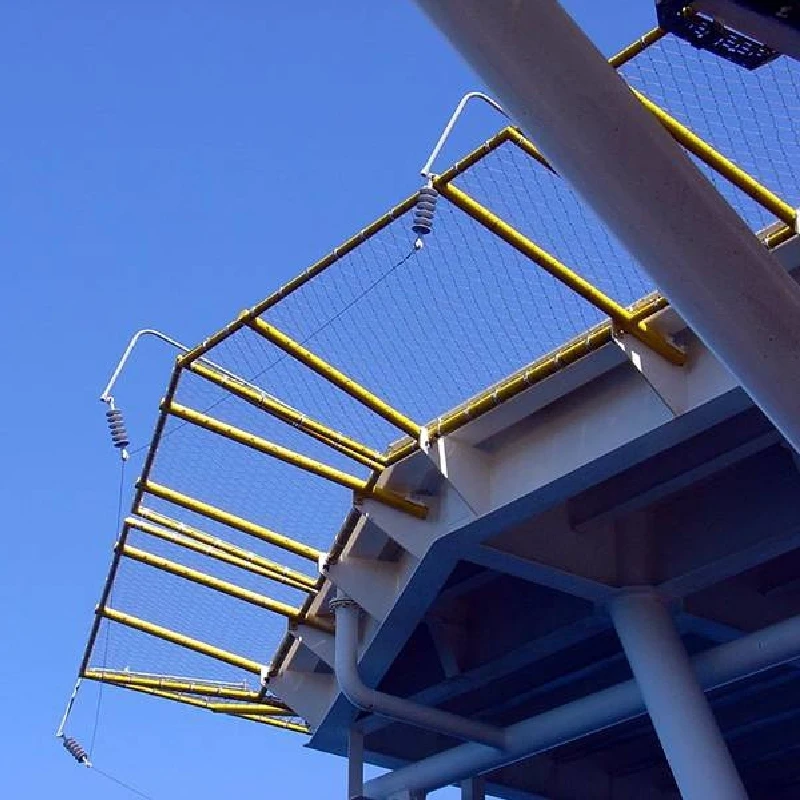
A leading international energy company operating a semi-submersible drilling rig in the harsh conditions of the North Sea faced challenges with maintaining perimeter safety due to extreme weather, constant motion, and corrosive saltwater exposure. Their existing steel railing system required frequent maintenance and repairs due to rust and impact damage. Hfpetromesh provided a customized perimeter safety net solution made from HMPE fibers with AISI 316 stainless steel fittings. The nets were designed for rapid deployment and easy inspection, and were engineered to withstand sustained winds of 100 knots and significant wave heights. Post-installation, the client reported a significant reduction in maintenance costs, enhanced safety compliance with DNV-GL standards, and increased operational efficiency due to the net’s lightweight and robust design, which resisted corrosion and fatigue far better than the previous metallic system. Customer feedback highlighted the exceptional durability and minimal intervention required, even after several severe winter storms.
Case Study 2: Naval Frigate Operating in Tropical Waters
A national navy required an upgrade to the helideck safety system on a class of frigates frequently deployed in hot, humid tropical waters with intense UV radiation. The existing nets were showing signs of premature degradation, requiring frequent replacements. Hfpetromesh engineered a bespoke solution using UV-stabilized polyamide netting, specifically formulated for high UV resistance and anti-fungal properties. The design included a modular attachment system that allowed for quick removal and re-installation during specific naval operations, while maintaining full compliance with IMO SOLAS regulations. This customized approach not only extended the service life of the perimeter safety netting by over 50% compared to previous solutions but also provided the flexibility needed for demanding military operations, ensuring the safety of personnel during critical flight deck activities in challenging climatic conditions.
Ensuring Trust: FAQs, Lead Time, Warranty, and Support
Trustworthiness is built on clear communication, reliable service, and robust product support. Hfpetromesh is committed to transparency and customer satisfaction.
Frequently Asked Questions (FAQ):
- Q: What is the primary material used for Hfpetromesh's helideck perimeter safety nets?
A: Our primary materials are High-Modulus Polyethylene (HMPE) for superior strength and UV resistance, and high-grade Polyamide (Nylon) for excellent elasticity and durability, chosen based on application requirements. All fittings are marine-grade AISI 316 stainless steel. - Q: How do your nets comply with international safety standards?
A: Our helideck perimeter safety nets are designed, manufactured, and tested to meet or exceed international standards, including ICAO Annex 14 Volume II, CAP 437, IMO SOLAS, and EN 1263-1. We hold ISO 9001 certification for quality management. - Q: What is the expected service life of the netting?
A: With proper installation, regular inspection, and maintenance, our nets typically have a service life of 5 to 10 years, depending on environmental conditions and material choice. Regular inspections are crucial to monitor wear and tear. - Q: Can the nets be customized for unique helideck geometries?
A: Absolutely. We specialize in custom-engineered solutions. Our team works closely with clients to design nets that precisely fit unique helideck dimensions, attachment points, and operational requirements. - Q: What is the recommended inspection frequency for perimeter safety nets?
A: ICAO CAP 437 recommends visual inspections before each helicopter operation and detailed inspections every 6 months. For high-wear areas or after severe weather events, more frequent checks are advisable.
Lead Time and Fulfillment:
Our standard lead time for typical helideck perimeter safety nets configurations is generally 2-4 weeks from order confirmation, depending on material availability and production queue. For highly customized or large-volume orders, lead times may vary. We maintain efficient production processes and supply chain management to ensure timely delivery without compromising quality. Expedited manufacturing and shipping options are available upon request for urgent requirements.
Warranty Commitments:
Hfpetromesh stands behind the quality and craftsmanship of our products. We offer a comprehensive 3-year warranty against manufacturing defects in materials and workmanship for our perimeter safety netting solutions. This warranty covers the integrity of the netting and the corrosion resistance of the stainless steel fittings under normal operating conditions. Detailed warranty terms and conditions are provided with each quotation and order.
Customer Support and After-Sales Service:
Our commitment extends beyond delivery. Hfpetromesh provides extensive after-sales support, including technical assistance for installation, guidance on inspection and maintenance protocols, and timely support for any warranty claims. Our team of experienced engineers and customer service professionals is available to address inquiries, provide operational advice, and facilitate spare parts or replacement nets. We aim to build long-term partnerships by ensuring the continued safety and performance of our products throughout their operational life.
Conclusion
The deployment of high-quality helideck perimeter safety nets is a non-negotiable aspect of operational safety across critical industries. As helideck operations become more frequent and diverse, the demand for resilient, compliant, and technologically advanced perimeter safety netting solutions continues to grow. Choosing a trusted vendor like Hfpetromesh, known for its expertise, authoritative certifications, robust manufacturing processes, and comprehensive support, ensures that critical safety infrastructures are upheld to the highest standards. By investing in superior materials and engineering, businesses can mitigate risks, protect personnel, and maintain seamless operations in even the most demanding environments.
References
- International Civil Aviation Organization (ICAO). Annex 14, Aerodromes, Volume II: Heliports.
- Civil Aviation Authority (CAA) UK. CAP 437: Standards for Offshore Helicopter Landing Areas.
- International Maritime Organization (IMO). Safety of Life at Sea (SOLAS) Convention.
- International Organization for Standardization (ISO). ISO 1806: Fishing nets — Measurement of breaking load of netting yarns and of breaking force of netting.
- European Committee for Standardization (CEN). EN 1263-1: Safety nets — Part 1: Safety requirements.
-
The Ultimate Guide to Choosing a French Drain Grate CoverNewsApr.16,2026
-
Ultimate Guide to Durable Metal Channel Drain Grates for DrainageNewsApr.09,2026
-
Driveway Channel Drain Grate Systems for Effective Water ManagementNewsApr.07,2026
-
Comprehensive Guide to Durable Cast Iron Trench Drain Covers for Various ApplicationsNewsApr.04,2026
-
Comprehensive Guide to Driveway Storm Drain Grates for Optimal Water ManagementNewsMar.31,2026
-
Comprehensive Guide to Durable Steel Driveway Grates for Enhanced DrainageNewsMar.28,2026