- Industrial zone, South of Anping Town, Hengshui, Hebei, China.
- sales@hfpetromesh.com
- +86-18931809706
Durable Perimeter Net for Safety & Security | Custom Netting
The Critical Role of perimeter net in Industrial Safety and Infrastructure
In high-stakes industrial environments, particularly those involving elevated structures, aviation, or hazardous materials, the implementation of robust safety measures is non-negotiable. A prime example of such a critical safety component is the perimeter net. These specialized netting systems are engineered to prevent falls, contain debris, and provide a secure barrier around operational zones, most notably helipads, elevated walkways, and hazardous process areas. The design and material selection for these nets are paramount, directly influencing their efficacy, longevity, and compliance with stringent international safety standards. Our focus herein is on providing a comprehensive technical overview, addressing the manufacturing intricacies, application diversity, and the profound technical advantages that position these safety solutions as indispensable assets for modern industrial infrastructure. The increasing complexity of industrial operations and the rising emphasis on occupational safety continue to drive innovation in the development of advanced perimeter net solutions, catering to a broad spectrum of B2B applications from petrochemical facilities to offshore platforms and commercial aviation hubs.
Industry Trends and Market Dynamics for Perimeter Safety Solutions
The global market for industrial safety equipment, including specialized perimeter netting, is experiencing sustained growth, driven by tightening regulatory frameworks, increased capital expenditure in infrastructure, and a heightened awareness of workplace safety across industries. According to recent market analyses, the industrial safety market is projected to reach USD 16.5 billion by 2028, growing at a CAGR of 6.2%. Key drivers include the expansion of oil & gas exploration, construction of smart cities, and modernization of existing industrial plants. There's a notable shift towards materials offering superior corrosion resistance, UV stability, and higher load-bearing capacities, extending the service life of safety installations. Furthermore, integration with smart monitoring systems for structural integrity and real-time alert generation represents an emerging trend, enhancing the predictive maintenance capabilities of these safety barriers. This evolution underscores the demand for meticulously engineered solutions like chain link helipad perimeter safety netting that can withstand extreme environmental conditions while adhering to critical safety mandates.
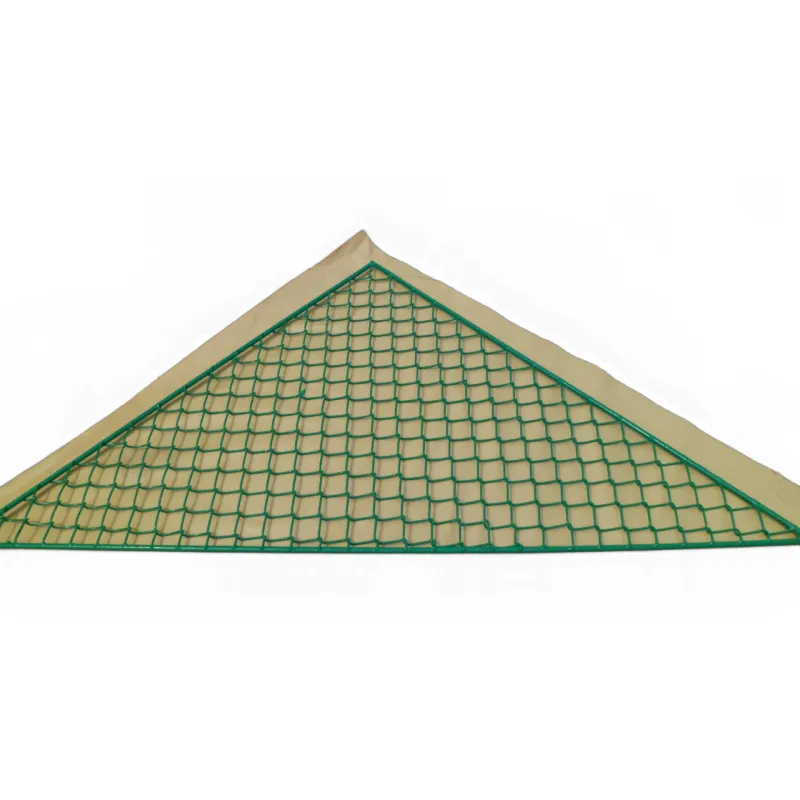
Figure 1: Typical installation of a specialized perimeter net for industrial safety.
Manufacturing Process Flow of Perimeter Netting
The production of high-performance perimeter net systems, particularly those designed for demanding applications such as helipad safety, involves a precise, multi-stage manufacturing process to ensure structural integrity and compliance with safety standards.
Process Step 1: Material Selection and Sourcing
Critical for durability, materials are typically high-grade stainless steel (e.g., SS304, SS316, SS316L) or galvanized steel for the wire mesh components, known for superior corrosion resistance and tensile strength. For mounting hardware and structural supports, alloys like aluminum 6061-T6 or structural steel with hot-dip galvanization are often selected. Materials undergo stringent quality checks, including spectrographic analysis and mechanical property testing, to meet ASTM A276 (stainless steel bars and shapes) or ASTM A653 (galvanized steel sheet) standards.
Process Step 2: Wire Drawing and Mesh Weaving/Knitting
Selected metal raw materials are drawn into wires of specified diameters using precision machinery. For chain link helipad perimeter safety netting, the drawn wires are then fed into automated weaving machines. These machines meticulously interlock wires in a pre-determined pattern (e.g., diamond or square mesh) to form the desired mesh size and density. CNC-controlled weaving ensures uniform mesh aperture and consistent wire tension, crucial for load distribution. This stage adheres to standards such as ASTM A491 (Standard Specification for Aluminum-Alloy Chain-Link Fence Fabric) or equivalent international specifications.
Process Step 3: Frame Fabrication and Edge Reinforcement
The woven mesh panels are then integrated with a robust frame or edge reinforcement system. This often involves welding the mesh to perimeter tubing (often structural steel or aluminum) which has been precision-cut and formed using CNC machining. Edge reinforcement can also involve specialized crimping or stitching techniques for non-metallic meshes. For metal netting, all welding processes are performed under controlled conditions to prevent material degradation, adhering to ISO 3834 (Quality requirements for fusion welding of metallic materials) and AWS D1.1 (Structural Welding Code – Steel).
Process Step 4: Surface Treatment and Coating
To enhance corrosion resistance and aesthetic appeal, the fabricated perimeter safety net undergoes surface treatment. Options include hot-dip galvanization (per ASTM A123/A123M for steel) for superior zinc coating, electro-polishing for stainless steel to improve passivation, or specialized powder coating for color customization and additional environmental protection. These processes extend service life significantly, particularly in marine or industrial atmospheres where exposure to corrosive agents is high.
Process Step 5: Assembly, Testing, and Quality Assurance
Final assembly involves attaching specific mounting brackets, tensioning devices, and connection hardware. Each finished perimeter net system undergoes rigorous testing, including tensile strength tests on mesh and connections, impact resistance tests (simulating human fall or debris impact), and dimensional accuracy checks. Products are tested against international standards such as ISO 180 (Plastics – Determination of Izod impact strength) or specific aviation safety regulations like those from the International Civil Aviation Organization (ICAO) Annex 14, Volume II for helipads. Non-destructive testing (NDT) methods, such as visual inspection and dye penetrant testing, are also employed.
**Target Industries:** Petrochemical, offshore oil & gas, marine, aviation, metallurgy, water supply & drainage, construction, and power generation.
**Service Life:** Typically 15-25 years for stainless steel and galvanized variants, depending on environmental conditions and maintenance.
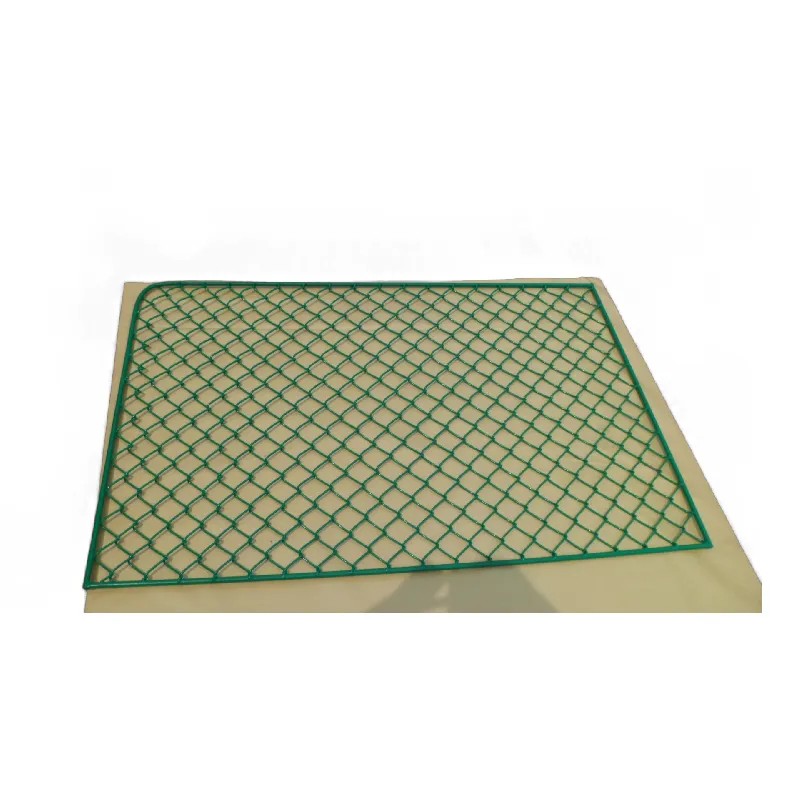
Figure 2: Advanced manufacturing techniques ensure the integrity of perimeter net components.
Technical Specifications and Parameters
Understanding the technical specifications of a perimeter safety net is crucial for ensuring it meets specific project requirements and safety standards. Below is a typical specification table for a high-grade chain link helipad perimeter safety netting system.
Product Specification Table: Chain Link Helipad Perimeter Safety Netting
| Parameter | Specification | Standard/Reference |
|---|---|---|
| Material Grade | Stainless Steel 316L (Marine Grade) | ASTM A276 / EN 10088-3 |
| Wire Diameter | 3.0 mm - 5.0 mm (customizable) | ISO 16124 |
| Mesh Aperture (Opening Size) | 50 mm x 50 mm (standard diamond pattern) | Customizable to local regulations |
| Tensile Strength (Wire) | Min. 550 MPa | ASTM A370 |
| Corrosion Resistance | Excellent (Salt Spray Test > 1500 hrs) | ASTM B117 |
| UV Stability | Integral for SS316L | ISO 4892-3 |
| Temperature Range | -50°C to +300°C | Operational Limits |
| Installation Type | Framed panels, tensioned cable systems | Project Specific |
| Load Bearing Capacity | Static: >5 kN/m; Dynamic: >30 kJ (impact) | EN 1263-1 / BS 8411 |
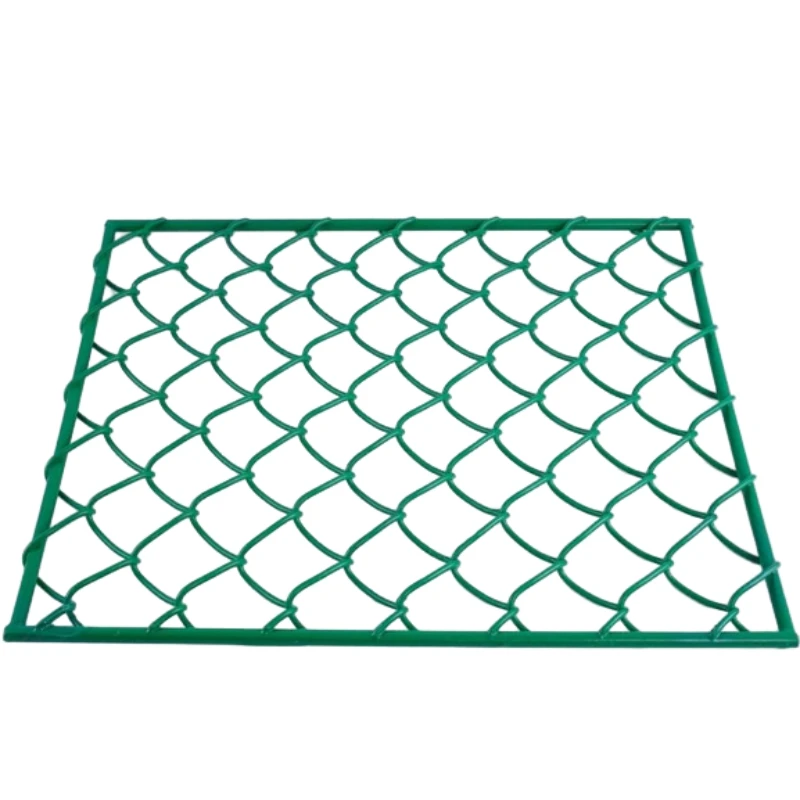
Figure 3: Detailed technical drawing of perimeter safety net components.
Application Scenarios and Technical Advantages
The versatility and robust engineering of perimeter netting make it indispensable across a multitude of high-risk industrial and commercial environments.
-
Helipad Safety: Essential for both ground-level and rooftop helipads on hospitals, offshore platforms, ships, and corporate buildings. A chain link helipad perimeter safety netting system prevents personnel, loose equipment, or debris from falling off the helipad perimeter during take-off, landing, or maintenance operations. Its design must withstand rotor wash and environmental stresses.
- Advantage: Compliance with ICAO Annex 14 standards, crucial for safe aviation operations. High impact absorption capacity (up to 30 kJ) minimizes potential damage from accidental impacts.
-
Offshore Platforms & Marine Vessels: Used around drilling rigs, production platforms, and vessel deck perimeters to safeguard against man overboard incidents and tool drops.
- Advantage: Superior corrosion resistance (SS316L) to withstand harsh saltwater environments, minimizing maintenance costs and ensuring long service life, even in continuous spray zones.
-
Industrial Walkways & Platforms: Securing elevated pathways, mezzanines, and equipment platforms in petrochemical plants, power stations, and manufacturing facilities.
- Advantage: High strength-to-weight ratio allows for robust protection without imposing excessive structural load. Excellent resistance to chemical exposure and extreme temperatures, crucial for energy saving industries.
-
Construction Sites & Demolition Zones: Providing fall protection and debris containment around building perimeters, especially during high-rise construction or demolition.
- Advantage: Modular design facilitates rapid installation and dismantling, improving project efficiency and reducing labor costs.
Vendor Comparison: Key Differentiators for Perimeter Net Suppliers
Selecting the right vendor for perimeter netting is critical. While many suppliers offer similar products, differentiation lies in material quality, manufacturing precision, adherence to certifications, and comprehensive service offerings.
Comparison Table: Leading Perimeter Netting Vendors
| Feature | Vendor A (Typical) | Vendor B (Premium/HFPetroMesh) |
|---|---|---|
| Primary Material | Galvanized Steel, SS304 | SS316L (Marine Grade), High-Tensile Alloys |
| Certifications | ISO 9001 (Basic) | ISO 9001, CE, ASTM, ICAO Annex 14 (Compliance-focused) |
| Customization | Limited (Standard Sizes) | Extensive (Material, Mesh, Dimensions, Coating) |
| Corrosion Warranty | 5-10 Years | 15-25 Years (Subject to Inspection) |
| Engineering Support | Basic Technical Data Sheets | CAD Drawings, Structural Analysis, On-site Consultation |
| Post-Sale Service | Standard Replacements | Maintenance Guides, Repair Kits, Installation Support |
Our offerings prioritize engineering excellence and comprehensive client support, ensuring that each perimeter net solution is perfectly aligned with the operational demands and regulatory landscape of our B2B partners. We hold ISO 9001:2015 certification and rigorously test our products to meet international safety and performance benchmarks. Our client roster includes major players in the energy, maritime, and infrastructure sectors, reflecting decades of trusted service.
Customized Solutions and Application Case Studies
Recognizing that no two industrial applications are identical, we specialize in providing highly customized perimeter netting solutions. This involves collaborating closely with clients from initial design to final installation, addressing unique structural, environmental, and regulatory challenges.
Customization Capabilities:
- Material Selection: From ultra-corrosion-resistant duplex stainless steels for extreme marine environments to specialized coated alloys for chemical process plants.
- Mesh Configuration: Tailored mesh apertures and wire diameters to meet specific fall arrest, debris containment, or wind load requirements.
- Structural Integration: Custom framing systems, tensioning hardware, and mounting brackets designed to seamlessly integrate with existing infrastructure, whether concrete, steel, or composite structures.
- Coating & Finish: Bespoke powder coatings for specific aesthetic requirements or enhanced resistance to UV, abrasion, or chemical agents.
- Modular Design: Pre-fabricated modules for rapid deployment and minimal on-site disruption.
Application Case Study: Offshore Helipad Upgrade
A major energy operator required an upgrade to the existing chain link helipad perimeter safety netting on their North Sea oil platform. The previous system, while compliant, showed accelerated degradation due to extreme weather, constant salt spray, and persistent rotor wash, necessitating frequent repairs.
- Challenge: Design a new perimeter net system with enhanced longevity, minimal maintenance, and superior resistance to harsh marine conditions without increasing overall structural load or impeding operations.
- Solution: We engineered a custom solution utilizing marine-grade Super Duplex Stainless Steel (UNS S32750) for all mesh and frame components. The mesh aperture was precisely calculated to optimize wind permeability while ensuring full debris containment. A specialized tensioning system was designed for quick module replacement.
- Outcome: The new system significantly reduced maintenance cycles, extending the predicted service life by over 100%. The client reported enhanced safety confidence among personnel and a measurable reduction in operational downtime associated with net repairs. Performance tests confirmed compliance with the stricter DNV GL (Det Norske Veritas Germanischer Lloyd) offshore standards.
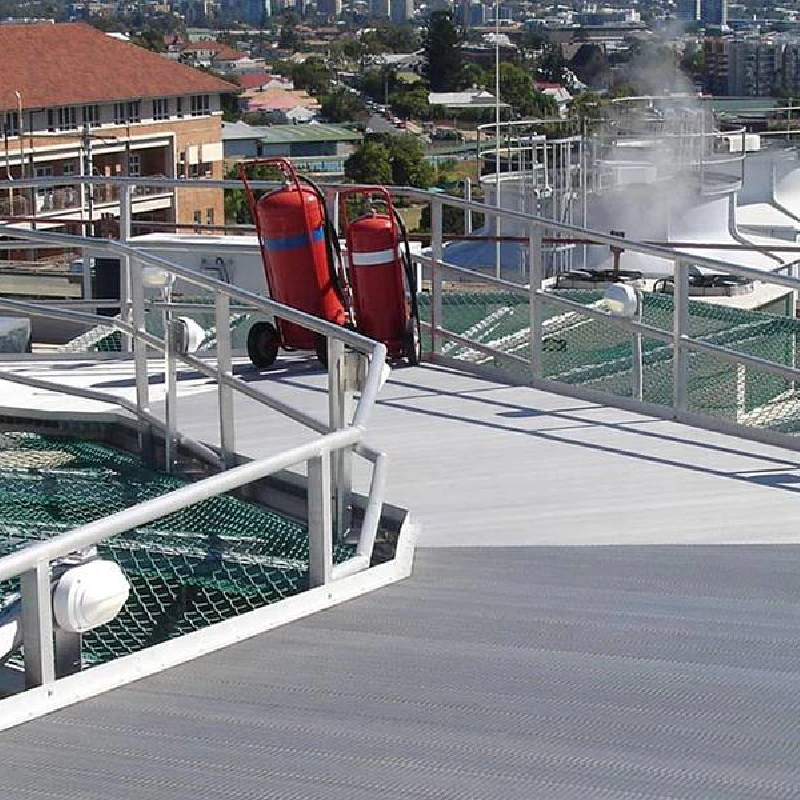
Figure 4: A customized perimeter net solution designed for unique industrial requirements.
Trustworthiness: FAQ, Lead Time, Warranty & Support
Frequently Asked Questions (FAQ)
A: Standard product lead times range from 4-6 weeks from order confirmation. For highly customized solutions or large-scale projects, lead times can extend to 8-12 weeks, depending on material sourcing and complexity. We provide a detailed project schedule upon design approval.
A: We offer a comprehensive material and workmanship warranty of 5 years on galvanized steel products and 15 years on stainless steel products. Specific project warranties may be negotiated based on material selection and environmental exposure. This warranty covers defects in materials and manufacturing under normal use and maintenance conditions.
A: Absolutely. All our perimeter safety net systems are designed, manufactured, and tested in strict accordance with relevant international standards, including ISO 9001:2015 for quality management, ASTM standards for materials, and specific industry regulations such as ICAO Annex 14 for helipad installations. Test certificates and compliance reports are available upon request.
A: While we primarily supply the manufactured netting systems, we offer detailed installation guides, technical drawings, and can provide on-site technical supervision for complex installations to ensure correct and safe deployment of the perimeter net. We also recommend trusted installation partners in various regions.
Lead Time and Fulfillment Details
Our production capabilities are optimized for efficiency without compromising quality. Upon receipt of a confirmed order and technical specifications, material procurement commences. Standard fulfillment ranges from 4 to 12 weeks, depending on the volume and customization. We utilize robust logistics networks to ensure timely and secure delivery worldwide. Expedited options are available for urgent projects, subject to material availability and production scheduling.
Warranty Commitments
Our confidence in the durability and performance of our perimeter net products is reflected in our comprehensive warranty policy. We stand by the integrity of our materials and the precision of our manufacturing processes, offering warranties that are among the longest in the industry. Detailed warranty terms and conditions are provided with every quotation, outlining coverage for materials, craftsmanship, and performance parameters.
Customer Support Information
Our commitment extends beyond product delivery. We provide dedicated after-sales support, including technical assistance for installation and maintenance, access to spare parts, and troubleshooting guidance. Our technical support team is available via phone and email to address any operational queries or concerns, ensuring the continued optimal performance and safety compliance of your perimeter netting system throughout its service life.
References
- International Civil Aviation Organization (ICAO). Annex 14, Aerodromes, Volume II: Heliports. 5th Edition, 2013.
- American Society for Testing and Materials (ASTM). Various standards for steel, stainless steel, and testing methodologies.
- International Organization for Standardization (ISO). ISO 9001:2015 Quality management systems – Requirements.
- DNV GL. Offshore Standards. DNV-OS-C101, Design of Offshore Steel Structures, General – LRFD Method.
- Global Market Insights. Industrial Safety Market Size By Product, By End-use, Industry Analysis Report, Regional Outlook, Application Potential, Price Trends, Competitive Market Share & Forecast, 2022 – 2028.
-
The Ultimate Guide to Choosing a French Drain Grate CoverNewsApr.16,2026
-
Ultimate Guide to Durable Metal Channel Drain Grates for DrainageNewsApr.09,2026
-
Driveway Channel Drain Grate Systems for Effective Water ManagementNewsApr.07,2026
-
Comprehensive Guide to Durable Cast Iron Trench Drain Covers for Various ApplicationsNewsApr.04,2026
-
Comprehensive Guide to Driveway Storm Drain Grates for Optimal Water ManagementNewsMar.31,2026
-
Comprehensive Guide to Durable Steel Driveway Grates for Enhanced DrainageNewsMar.28,2026