- Industrial zone, South of Anping Town, Hengshui, Hebei, China.
- sales@hfpetromesh.com
- +86-18931809706
Concrete Weight Coating for Subsea Pipeline Stability & Protection
Understanding Concrete Weight Coating for Offshore and Subsea Applications
In the demanding realm of subsea infrastructure, ensuring the stability and protection of pipelines is paramount. This is where concrete weight coating emerges as a critical engineering solution. Designed to provide essential negative buoyancy and robust mechanical protection, CWC is indispensable for pipelines traversing diverse underwater environments, from shallow coastal waters to deep-sea trenches. Its application safeguards pipelines against uplift forces, seabed movement, and external damage, thereby extending operational lifespan and ensuring environmental integrity. This comprehensive guide delves into the technical intricacies, industry applications, and strategic advantages of CWC, catering to the needs of B2B decision-makers and engineering professionals.
Industry Trends and Market Dynamics in Pipeline Infrastructure
The global energy landscape is undergoing significant transformation, driving continuous innovation in pipeline infrastructure. Key trends impacting the demand for sophisticated pipeline solutions like concrete weight coating include:
- Deepwater Exploration & Production: As easily accessible onshore and shallow-water reserves deplete, the industry is increasingly moving towards ultra-deepwater fields, demanding pipelines capable of withstanding extreme pressures, temperatures, and dynamic seabed conditions. CWC provides the essential stability required for these complex installations.
- Growth in LNG and Gas Infrastructure: The expanding global demand for natural gas, particularly Liquefied Natural Gas (LNG), is fueling the construction of extensive subsea gas transmission networks, where buoyancy control is critical to prevent pipeline flotation.
- Renewable Energy Integration: The emergence of offshore wind farms, particularly floating wind technology, presents new requirements for subsea cables and ancillary pipelines, where weighted coatings are crucial for stabilization against marine currents.
- Enhanced Environmental Regulations: Stricter environmental protection mandates necessitate pipeline solutions that minimize ecological impact, including robust mechanical protection to prevent leaks and spills, a primary benefit of CWC.
- Integrity Management & Life Extension: With an aging global pipeline network, operators are increasingly investing in technologies that enhance pipeline integrity, offer superior corrosion protection, and extend operational life, which CWC significantly contributes to.
The market for concrete weight coating is thus poised for sustained growth, driven by these macroeconomic and industry-specific factors, emphasizing the need for reliable, high-performance solutions capable of meeting evolving project demands.
The Manufacturing Process of Concrete Weight Coating
The application of concrete weight coating is a sophisticated industrial process designed to create a durable, high-density layer around steel pipelines. This process ensures the pipe achieves the necessary negative buoyancy for subsea installation and provides critical mechanical protection. The typical manufacturing flow involves several precise stages:
Process Flow Schematic:
- Surface Preparation: Before coating, the steel pipe's external surface undergoes thorough cleaning to remove mill scale, rust, oil, and other contaminants. This typically involves grit blasting (Sa 2.5 or higher) to create a profile that enhances adhesion for subsequent layers. An optional anti-corrosion coating (e.g., FBE, 3LPE/3LPP) is often applied as a primary layer directly onto the steel, adhering to standards like ISO 21809 or API RP 5L7.
- Reinforcement Application: To enhance the integrity and structural strength of the concrete, a reinforcement system is applied. This commonly involves wrapping a steel wire mesh, often referred to as concrete weight coating mesh, around the pipe. This mesh, typically galvanized or epoxy-coated, prevents cracking during handling and installation, distributing stress evenly. For larger diameters or specific applications, a rebar cage might be constructed.
- Concrete Application (Impingement or Extrusion):
- Impingement Method: In this widely used technique, a high-density concrete mix (comprising cement, aggregate, water, and often hematite or magnetite for increased density) is mixed and then impinged (sprayed) onto the rotating pipe. Multiple layers are applied to achieve the specified thickness, consolidating each layer for optimal compaction.
- Extrusion Method: For smaller diameter pipes or specific profiles, concrete can be extruded onto the pipe as it passes through a die. This method offers excellent control over thickness and concentricity.
- Curing: After application, the concrete undergoes a controlled curing process to achieve its full compressive strength and minimize shrinkage. This can involve steam curing, water misting, or controlled humidity environments over several days, adhering to standards such as ASTM C31/C39.
- Inspection and Quality Control: Throughout the process, rigorous testing is conducted. This includes checks for coating thickness, density, bond strength, compressive strength (cube/cylinder tests), impact resistance, and holiday detection (for anti-corrosion layer). Standards like API RP 5LW, DNV-RP-F106, and ISO 21809-5 guide these quality assurance procedures, ensuring the final product meets project specifications and service life expectations (typically 25-50 years).
This meticulous process ensures the resulting concrete weight coating provides superior performance, essential for the reliability of subsea infrastructure in target industries such as petrochemical, oil & gas exploration, water supply & drainage, and marine construction. Advantages include enhanced energy saving through minimized scour, exceptional corrosion resistance due to the dense concrete matrix, and unparalleled mechanical protection against external forces.
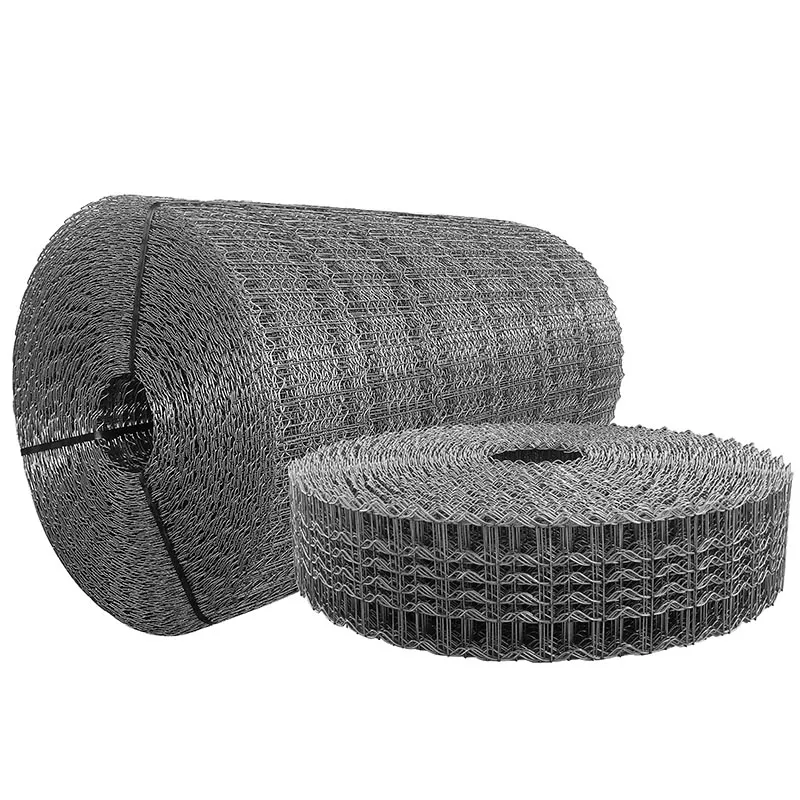
Figure 1: Application of concrete weight coating during pipeline manufacturing.
Technical Specifications and Performance Parameters
The effectiveness of concrete weight coating is defined by a range of critical technical specifications and performance parameters, each carefully engineered to meet the stringent demands of subsea environments. Understanding these parameters is crucial for selecting the appropriate CWC system for a given project.
Key Technical Parameters:
- Coating Density: This is arguably the most critical parameter, determining the negative buoyancy. Densities typically range from 1,900 kg/m³ (lightweight) to 3,200 kg/m³ (high-density, utilizing aggregates like hematite or magnetite). The specific gravity of the coating is carefully calculated to ensure the concrete weight coating pipe achieves the desired submerged weight, counteracting the buoyancy of the fluid media and pipe material.
- Coating Thickness: Ranging from 40 mm to over 150 mm, thickness directly influences the total weight and mechanical protection offered. It is determined by the required submerged weight, pipe diameter, and specific project conditions such as water depth and seabed currents.
- Compressive Strength: Typically specified at 28 days, compressive strength ensures the concrete can withstand handling, installation stresses, and external pressures during operation. Values commonly exceed 20 MPa, with some high-performance coatings reaching over 40 MPa.
- Adhesion Strength: The bond between the concrete and the underlying anti-corrosion coating (if present) is vital. Minimum adhesion values are specified to prevent delamination, typically measured via pull-off tests (e.g., > 1.0 MPa).
- Impact Resistance: CWC must withstand potential impacts from dropped objects, anchors, or fishing gear. This is evaluated through drop tests, simulating real-world scenarios.
- Cathodic Protection Compatibility: The concrete coating must not interfere with the efficacy of the pipeline's cathodic protection system, which prevents corrosion of the steel pipe.
- Abrasion Resistance: Especially important in areas with strong currents or shifting sands, CWC provides a durable barrier against abrasive forces.
Typical Concrete Weight Coating Specifications (Example):
These specifications are rigorously tested and verified throughout the manufacturing and installation phases to ensure compliance with project requirements and industry standards, guaranteeing the long-term integrity and performance of the coated pipeline.
Application Scenarios for Concrete Weight Coating
The versatility of concrete weight coating makes it an indispensable solution across a wide spectrum of pipeline projects, primarily in environments where stability, protection, and negative buoyancy are critical.
Typical Application Environments:
- Offshore and Subsea Pipelines: This is the primary application, encompassing oil and gas transmission lines, water injection lines, and effluent disposal lines. CWC prevents pipelines from floating due to internal product density or external water buoyancy, ensuring they remain firmly on the seabed or in trenches.
- River, Lake, and Canal Crossings: For pipelines laid beneath inland waterways, CWC provides the necessary weight to counteract buoyancy and offers protection against fluvial erosion, ice scour, and potential damage from vessel traffic or dredging operations.
- Marshlands and Swamp Areas: In soft, waterlogged terrains, pipelines require significant negative buoyancy to prevent flotation and maintain their designed alignment. CWC effectively addresses this challenge, ensuring pipeline stability in challenging geological conditions.
- Shore Approaches: The transition zones from land to sea are often dynamic environments with significant wave action and sediment movement. CWC provides essential ballast and mechanical protection for pipelines as they enter and exit the marine environment, safeguarding against scour and impact.
- Pre-Burial/Post-Trenching Operations: When pipelines are to be buried in the seabed, CWC ensures they sink into the trench during installation and remain stable until burial is complete, preventing uplift or shifting before backfilling.
In these diverse scenarios, the advantages of CWC are consistently demonstrated:
- Buoyancy Control: Precisely engineered to achieve target submerged weights, counteracting forces that would otherwise lift the pipeline.
- Mechanical Protection: Forms a robust shield against external impacts, abrasion from seabed movement, and damage during installation (e.g., from lay barges).
- Enhanced Stability: Provides lateral and vertical stability, preventing pipeline movement due to currents, waves, or seismic activity.
The strategic deployment of CWC minimizes operational risks, reduces the need for expensive intervention, and contributes significantly to the long-term reliability of critical infrastructure.
Technical Advantages of Concrete Weight Coating
The deployment of concrete weight coating offers a suite of compelling technical advantages that contribute significantly to the long-term integrity, operational efficiency, and cost-effectiveness of pipeline projects.
- Superior Buoyancy Control: The primary advantage is the ability to precisely control the negative buoyancy of the pipeline. By adjusting the concrete density (through specific aggregate selection like hematite or magnetite) and thickness, pipelines can be accurately weighted to ensure stable placement on the seabed, preventing floatation in both shallow and deep waters. This precision minimizes the need for alternative, often more costly, anchoring solutions.
-
Robust Mechanical Protection: CWC provides an exceptionally durable barrier against external forces. This includes protection from:
- Impact Damage: Resists impacts from dropped objects during construction, anchor dragging, and fishing gear interaction.
- Abrasion Resistance: Shields the pipeline from abrasive forces caused by seabed movement, currents carrying sediment, and rock impingement.
- Scour Prevention: The weight helps to prevent pipelines from being uplifted or shifting due to seabed scour caused by strong currents, enhancing stability.
- Enhanced Pipeline Stability: Beyond buoyancy, the sheer mass of the concrete coating significantly increases the on-bottom stability of the pipeline, making it resistant to lateral movement induced by hydrodynamic forces, seabed liquefaction, or seismic activity. This is critical for maintaining pipeline integrity and reducing free-span development.
- Passive Corrosion Protection: While not a primary anti-corrosion coating, the dense, alkaline concrete matrix offers a degree of passive protection to the underlying steel pipe (or anti-corrosion coating) by minimizing water and oxygen ingress, thereby supporting the effectiveness of the cathodic protection system.
- Proven Longevity and Durability: With a design service life often exceeding 25-50 years, CWC is a highly durable solution. Its inherent resistance to marine degradation, UV radiation, and biological fouling ensures long-term performance in harsh marine environments.
- Cost-Effectiveness: When considering the full lifecycle cost, CWC often presents a more economical solution compared to alternative buoyancy control or protection methods (e.g., continuous trenching, rock dumping, or mechanical clamps), especially for long-distance pipelines. Its robustness reduces the need for costly post-installation remediation or repairs.
These combined advantages underscore why concrete weight coating remains a preferred and trusted solution for pipeline engineers globally, delivering reliability and security for critical energy and infrastructure projects.
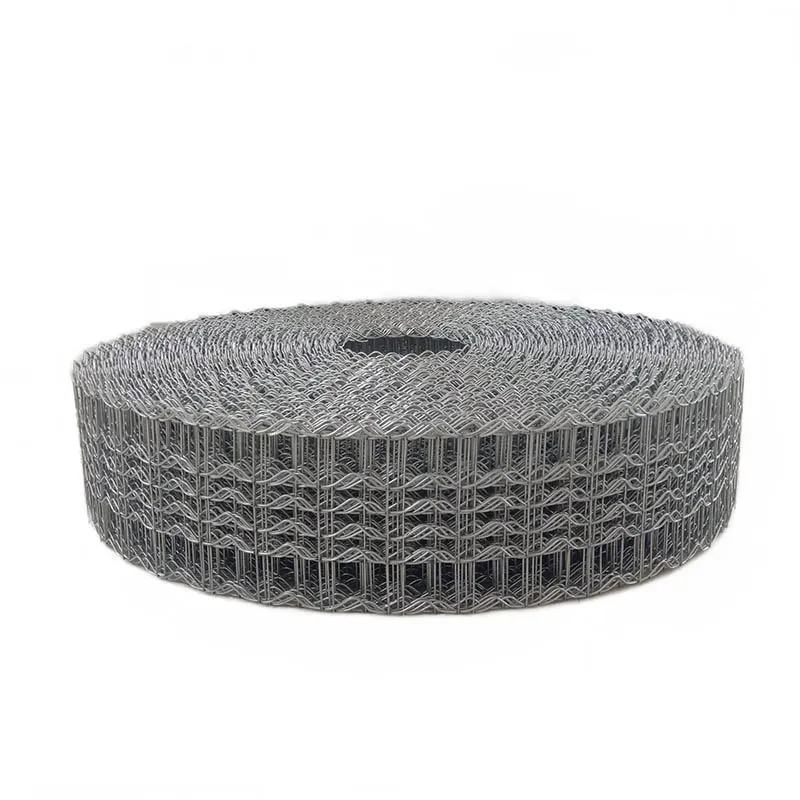
Figure 2: Close-up of concrete weight coating showing texture and reinforcement.
Vendor Comparison and Customized Solutions
Selecting the right vendor for concrete weight coating services is a critical decision that impacts project timelines, budget, and long-term pipeline integrity. A strategic approach involves evaluating suppliers based on a combination of technical capabilities, experience, quality assurance, and flexibility in providing customized solutions.
Key Criteria for Vendor Comparison:
- Experience & Track Record: Look for vendors with a proven history of successful CWC projects, particularly in environments and for pipeline diameters similar to your project. Years of service and a robust portfolio are indicators of reliability.
- Certifications & Quality Systems: Ensure the vendor holds relevant industry certifications (e.g., ISO 9001 for Quality Management, API Q1, DNV GL approvals). Their adherence to international standards for materials, processes, and testing (API RP 5LW, DNV-RP-F106, ISO 21809-5) is paramount.
- Production Capacity & Technology: Assess the vendor's ability to meet your project's volume and timeline. Advanced application technologies (e.g., high-speed impingement lines, automated reinforcement application) can signify efficiency and consistency.
- R&D and Innovation: A vendor engaged in research and development indicates a commitment to improving product performance, exploring new aggregate types for density control, or enhancing reinforcement systems like advanced concrete weight coating pipe mesh designs.
- Geographic Reach & Logistics: Consider their logistics capabilities, including port access, storage facilities, and ability to transport coated pipes efficiently to the project site.
Customized Solutions: Tailoring CWC to Project Needs
Modern CWC solutions are highly customizable, allowing engineers to precisely match coating properties to unique project demands. Key areas of customization include:
- Density & Thickness: Tailoring the specific gravity and thickness of the concrete layer to achieve exact negative buoyancy requirements for varying water depths, pipe contents, and seabed conditions. This is achieved by adjusting the mix design, particularly the type and proportion of heavy aggregates.
- Reinforcement Type & Configuration: Customizing the steel reinforcement (e.g., wire mesh gauge, spacing, or rebar cage design) to provide optimal structural integrity and crack resistance for specific handling stresses and operational loads. The choice between simple concrete weight coating mesh and more robust rebar cages depends on pipe diameter, coating thickness, and anticipated mechanical stresses.
- End-Cut Profiles: Customizing the concrete ends to facilitate field joint coating and welding operations, ensuring smooth transitions and maintaining pipeline integrity. Bevels or specific cutbacks are common.
- Special Aggregates: Utilizing specialized aggregates for enhanced properties beyond just density, such as increased abrasion resistance for areas with high sediment transport.
- Compatibility with Other Coatings: Ensuring seamless integration with the primary anti-corrosion coating (FBE, 3LPE/3LPP), taking into account adhesion, curing temperatures, and overall system performance.
Collaborating with experienced vendors who offer these customized solutions is vital for optimizing project performance, mitigating risks, and achieving superior long-term asset value.
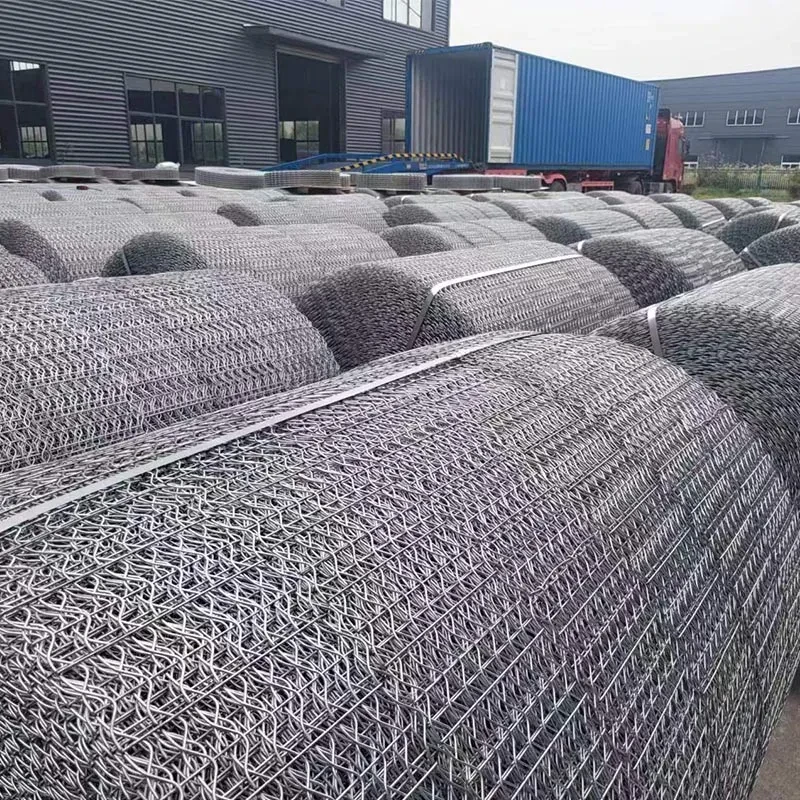
Figure 3: Production line for concrete weight coating application.
Real-World Application Case Studies
The proven efficacy of concrete weight coating is best illustrated through its successful application in various challenging pipeline projects globally. These case studies highlight its role in ensuring pipeline stability, protection, and longevity.
Case Study 1: Deepwater Gas Export Pipeline
- Project Scope: Installation of a 36-inch diameter, 200 km long gas export pipeline in water depths ranging from 500m to 1500m. The pipeline traversed uneven seabed topography and areas prone to strong currents.
- Challenge: Ensuring sufficient negative buoyancy for stable on-bottom placement in deepwater environments where significant uplift forces could lead to free spans or pipeline instability. Mechanical protection against potential impacts during deepwater pipelay and from geological hazards was also critical.
- Solution: The pipeline was coated with high-density concrete (3000 kg/m³) to a thickness of 70mm, incorporating a double-layer steel wire mesh reinforcement. This provided the required submerged weight for stability and robust protection against external damage.
- Outcome: The CWC ensured successful deepwater installation, with the pipeline maintaining its designed configuration on the seabed. Post-lay surveys confirmed excellent on-bottom stability and minimal free-span development, contributing to the project's long-term operational success.
Case Study 2: Major River Crossing for Water Supply
- Project Scope: Installation of a 48-inch diameter freshwater pipeline across a major navigable river, requiring burial beneath the riverbed.
- Challenge: The large diameter pipe would experience significant buoyancy in water. Additionally, it needed protection from potential damage from dredging, anchor drops, and scour in the riverbed.
- Solution: A 100mm thick concrete weight coating with a density of 2400 kg/m³ was applied. This was specifically calculated to achieve negative buoyancy sufficient for controlled sinking into the pre-dredged trench and to resist uplift during potential flood events. The coating also provided a robust protective layer.
- Outcome: The coated pipeline was successfully installed using the pull method, sinking precisely into the trench. The CWC prevented pipeline flotation, providing immediate stability until backfilling could be completed, and continues to offer crucial protection from external interference.
Case Study 3: Shore Approach Pipeline Protection in Dynamic Environment
- Project Scope: Construction of a crude oil pipeline's shore approach section, extending through a surf zone with heavy wave action and shifting sands.
- Challenge: High hydrodynamic forces in the surf zone could lead to pipeline movement, scour, and potential exposure. A robust, stable solution was required to secure the pipeline in this highly dynamic environment.
- Solution: The shore approach pipeline utilized a highly abrasion-resistant concrete weight coating with increased thickness (120mm) and high-strength concrete properties. This was coupled with specialized trenching and burial techniques to further enhance stability.
- Outcome: The CWC effectively ballasted the pipeline, securing it against wave forces and preventing scour. Its mechanical strength proved invaluable against the abrasive action of sand and pebbles in the high-energy environment, ensuring the pipeline's long-term integrity at a critical transition point.
These examples demonstrate the critical and versatile role of concrete weight coating in safeguarding pipeline assets across diverse and challenging environments, consistently delivering on its promise of stability and protection.
Frequently Asked Questions (FAQ) about Concrete Weight Coating
To further enhance understanding and address common inquiries, here is an FAQ module regarding concrete weight coating:
Q1: What is the primary purpose of concrete weight coating?
A1: The primary purpose is to provide negative buoyancy to pipelines, ensuring they remain stable on the seabed or in trenches, countering the buoyant forces of water and internal fluids. It also offers significant mechanical protection against external damage, abrasion, and impacts.
Q2: What materials are used in concrete weight coating?
A2: CWC typically consists of a high-density concrete mix (cement, water, sand, and heavy aggregates like hematite or magnetite to increase density) and steel reinforcement (e.g., welded wire mesh or rebar cages) for structural integrity and crack resistance.
Q3: How is CWC applied to pipelines?
A3: The most common method is impingement, where high-density concrete is sprayed onto a rotating pipeline in multiple layers. Other methods like extrusion may be used for specific applications. Reinforcement mesh is applied prior to concrete application.
Q4: What is the expected service life of concrete weight coating?
A4: When properly designed and applied according to industry standards, concrete weight coating is engineered for a service life of 25 to 50 years or even longer, matching the design life of the pipeline itself.
Q5: Is CWC compatible with other pipeline coatings, such as anti-corrosion coatings?
A5: Yes, CWC is typically applied over a primary anti-corrosion coating (e.g., FBE, 3LPE, 3LPP). The CWC formulation and application process are designed to ensure excellent adhesion and compatibility with these underlying protective layers, forming a robust multi-layer system.
Q6: How does CWC contribute to pipeline integrity management?
A6: By ensuring on-bottom stability, reducing free spans, and providing mechanical protection, CWC significantly reduces the risk of fatigue, buckling, and external damage, thereby directly enhancing the long-term integrity and reliability of the pipeline system.
Logistics, Warranty, and After-Sales Support
Beyond the technical specifications, the operational aspects of a project, including logistics, warranty, and customer support, are crucial for ensuring smooth project execution and long-term asset confidence. Reputable vendors of concrete weight coating solutions excel in these areas.
Lead Time and Fulfillment:
Efficient project planning requires predictable lead times for the fabrication and delivery of coated pipes. Leading CWC providers operate with optimized production schedules, advanced logistics planning, and strategic access to major shipping routes. Typical lead times can vary significantly based on project scale, pipe diameter, coating specifications, and current facility loading, usually ranging from 8 to 20 weeks from material receipt to final dispatch. Customized solutions or highly specialized materials might extend this. We pride ourselves on transparent communication regarding production schedules and timely fulfillment to meet critical project milestones.
Warranty Commitments:
A comprehensive warranty demonstrates a manufacturer's confidence in their product and process. Our concrete weight coating solutions typically come with a robust warranty covering material and workmanship defects for a specified period post-delivery or installation. This warranty is in full compliance with industry standards and project-specific requirements, providing peace of mind to clients regarding the long-term performance and integrity of the coating system. Specific warranty terms and conditions are detailed in project contracts.
Customer Support and Technical Assistance:
Our commitment extends beyond delivery. We offer comprehensive after-sales support and technical assistance throughout the project lifecycle:
- Technical Consultation: Our team of expert engineers and coating specialists is available to provide ongoing technical consultation, addressing any queries related to installation, field joint coating, or operational performance.
- Site Support: For complex projects, we can provide on-site technical support during critical phases such as receiving, handling, and installation of coated pipes, ensuring best practices are followed.
- Documentation & Training: We supply comprehensive documentation and, upon request, provide training sessions for client personnel on the characteristics, handling, and maintenance of our CWC products.
- Responsive Communication: We maintain open and responsive communication channels to quickly address any concerns or unforeseen challenges that may arise.
Our dedication to superior product quality, timely delivery, and unwavering client support forms the cornerstone of our service philosophy, aiming to build lasting partnerships based on trust and performance.
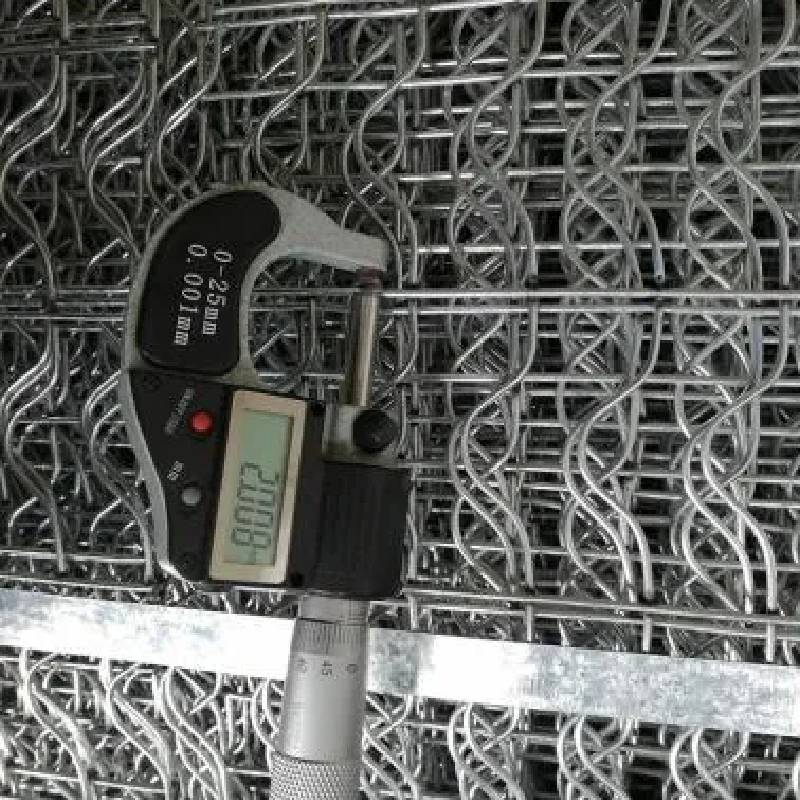
Figure 4: Coated pipelines awaiting shipment, demonstrating logistics capability.
Conclusion
As global energy demands continue to evolve and infrastructure projects become increasingly complex, the role of reliable and robust pipeline protection solutions like concrete weight coating remains more critical than ever. From ensuring stability in deepwater environments to providing unparalleled mechanical protection in dynamic shore approaches, CWC is an indispensable technology. Its technical advantages, combined with rigorous manufacturing processes and the availability of customized solutions, make it a cornerstone for long-term pipeline integrity and operational success. Engaging with experienced and certified vendors who prioritize quality, innovation, and comprehensive client support is paramount for delivering high-performance, cost-effective pipeline projects that stand the test of time.
References
- DNV GL. (2018). DNV-RP-F106: Factory Applied External Concrete Coating for Submarine Pipelines. Det Norske Veritas Germanischer Lloyd.
- International Organization for Standardization. (2013). ISO 21809-5: Petroleum and natural gas industries — External coatings for buried or submerged pipelines used in pipeline transportation systems — Part 5: External concrete coatings.
- American Petroleum Institute. (2018). API RP 5LW: Recommended Practice for Transportation of Line Pipe. Washington, D.C.: API Publishing.
- ASTM International. (2020). ASTM C39 / C39M: Standard Test Method for Compressive Strength of Cylindrical Concrete Specimens. West Conshohocken, PA: ASTM International.
- NACE International. (2019). SP0102: Standard Practice for the Control of External Corrosion on Underground or Submerged Metallic Piping Systems. Houston, TX: NACE International.
-
The Ultimate Guide to Choosing a French Drain Grate CoverNewsApr.16,2026
-
Ultimate Guide to Durable Metal Channel Drain Grates for DrainageNewsApr.09,2026
-
Driveway Channel Drain Grate Systems for Effective Water ManagementNewsApr.07,2026
-
Comprehensive Guide to Durable Cast Iron Trench Drain Covers for Various ApplicationsNewsApr.04,2026
-
Comprehensive Guide to Driveway Storm Drain Grates for Optimal Water ManagementNewsMar.31,2026
-
Comprehensive Guide to Durable Steel Driveway Grates for Enhanced DrainageNewsMar.28,2026