- Industrial zone, South of Anping Town, Hengshui, Hebei, China.
- sales@hfpetromesh.com
- +86-18931809706
Derrick Pyramid Screens: High-Performance Shaker Screens
Introduction to Solids Control and Emerging Trends
In the demanding realm of oil and gas exploration and production, efficient solids control is paramount to operational success, environmental compliance, and cost-effectiveness. The heart of any modern solids control system lies in its shaker screens, which are critical for separating drilling fluid (mud) from drilled cuttings. Over the past decade, advancements in screen technology have significantly improved this process, leading to the development of high-performance solutions designed to maximize fluid recovery and minimize waste.
A key innovation in this field is the evolution of three-dimensional (3D) screen designs. Among these, derrick pyramid screens stand out for their engineered surface area, which dramatically increases processing capacity compared to traditional flat panels. This innovation is driving industry trends towards higher efficiency, reduced drilling fluid losses, and enhanced environmental stewardship. As drilling operations venture into more complex geological formations and demand finer solids separation, the adoption of advanced screen technologies becomes indispensable. The market is increasingly prioritizing screens that offer superior fluid handling, extended operational life, and robust performance under challenging conditions, pushing manufacturers to innovate with advanced materials and intricate designs.
The Manufacturing Process of Derrick Pyramid Screens
The production of high-performance screens, such as derrick pyramid screens, involves a meticulous, multi-stage manufacturing process designed to ensure durability, precision, and optimal performance in harsh operating environments. Adherence to stringent quality control and industry standards like ISO and API RP 13C is fundamental at every step.
1. Material Selection and Preparation
The foundation of a durable screen begins with the selection of premium materials. For the mesh, high-grade stainless steel wire cloth, typically SUS304 or SUS316L, is chosen for its exceptional corrosion resistance, mechanical strength, and ability to withstand abrasive drilling fluids. The mesh count and wire diameter are critical and precisely selected based on API RP 13C specifications. For the support frame, composite materials, known for their lightweight properties, high strength-to-weight ratio, and resistance to corrosion, are often preferred over traditional steel frames. These materials are prepared, cut, and inspected for any imperfections before further processing.
2. Mesh Weaving and Sintering
While traditional woven wire is common, some advanced shale shaker screen designs may incorporate sintered mesh layers for enhanced filtration precision and strength. Multi-layered mesh panels are precisely cut to size, often ranging from two to four layers depending on the desired cut point and fluid conductance. The accurate layering is crucial for effective solids separation and screen life.
3. Frame Fabrication and Assembly
For composite frames, a specialized molding process (e.g., injection molding or compression molding) is employed, ensuring structural integrity and precise dimensions. These frames often feature integrated tensioning mechanisms. The pre-cut stainless steel mesh layers are then carefully bonded to the composite frame using high-strength adhesive, often aided by heat or pressure, to create a secure, leak-proof seal. This bonding process is critical to prevent delamination and premature failure, extending the service life of the derrick shaker screens.
4. Pyramidal Formation (3D Geometry)
This is the distinguishing step for pyramid screens. Unlike flat screens, the mesh panels are formed into a distinctive three-dimensional, corrugated, or pyramid-like structure. This intricate geometry is achieved through specialized tooling and pressing techniques that create the peaks and valleys without compromising the mesh integrity. The precise angle and depth of these pyramids are crucial for maximizing the non-blinding screening area and enhancing fluid throughput.
5. Quality Control and Testing
Every screen undergoes rigorous quality assurance. This includes visual inspection for defects, dimensional checks, and functional tests. Key parameters like API RP 13C conductance, separation efficiency (cut point), and structural integrity are verified. Screens are tested for their ability to withstand vibrations and fluid pressure without deformation or failure. Adherence to international standards like ISO 9001:2015 ensures consistent product quality, while compliance with API RP 13C guarantees performance alignment with industry benchmarks for solids control equipment. Typical service life for well-maintained shale shaker screens can range from 300 to 1000 drilling hours, significantly impacted by drilling conditions and fluid abrasiveness.
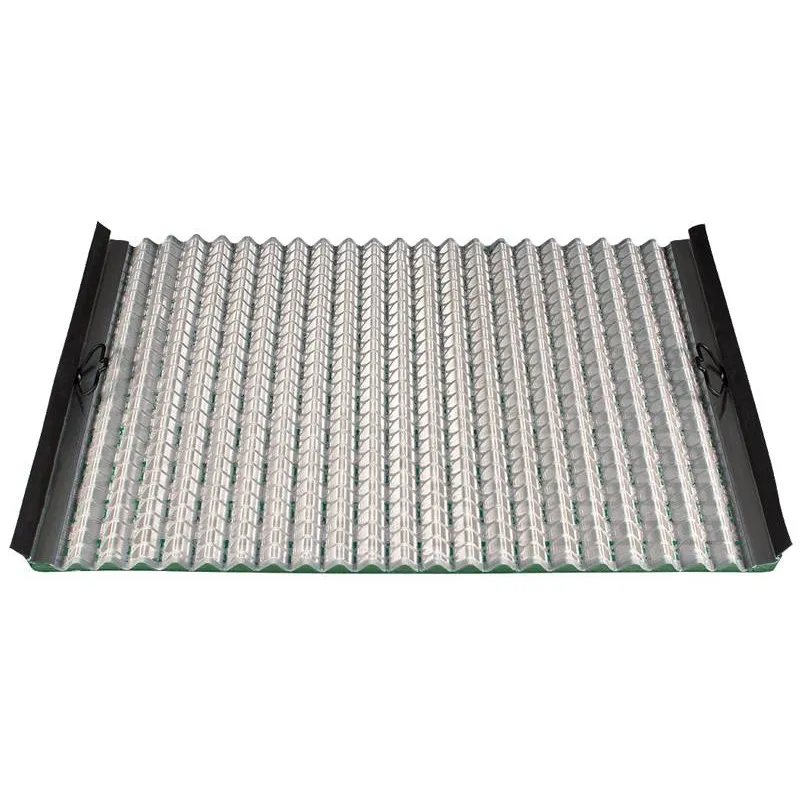
Detailed manufacturing processes ensure the high-quality output of derrick shaker screens.
Technical Specifications and Parameters
Understanding the technical specifications of derrick pyramid screens is crucial for optimal selection and performance in solids control operations. These screens are engineered with precise parameters to meet the rigorous demands of various drilling applications. Key performance indicators are often standardized under API RP 13C (Recommended Practice for Shaker Screen Performance Testing), ensuring comparability and reliability.
Key Technical Features:
- Enhanced Surface Area: The corrugated, pyramid-like structure significantly increases the effective screening area compared to flat screens of the same nominal size. This translates to higher processing capacity and improved fluid handling.
- Multi-Layered Design: Typically composed of two to four layers of stainless steel mesh (often 304 or 316L), supported by a robust composite frame. Each layer plays a specific role in separation and support.
- API RP 13C Compliance: Screens are classified by their API number, which corresponds to the D100 separation point (the size at which 100% of particles larger than this size are retained). This ensures consistent performance metrics across different manufacturers.
- High Conductance: The measure of how easily fluid passes through the screen. Higher conductance means less fluid loss with cuttings, improving drilling fluid recovery.
- Non-Blinding Properties: The unique geometry and sometimes specialized surface treatments help minimize blinding (clogging) of the mesh, maintaining separation efficiency over extended periods.
- Composite Frame Technology: Lightweight, durable frames that resist corrosion and mechanical stress, often designed for easy installation and extended service life.
Typical Product Specification Table (Example for a 3D Shaker Screen)
These specifications highlight the advanced engineering behind modern shale shaker screen technology, allowing operators to precisely tailor their solids control systems to specific drilling fluid properties and desired separation efficiencies.
Application Scenarios and Technical Advantages
Derrick pyramid screens are engineered for peak performance across a variety of demanding applications where efficient solids control is non-negotiable. Their unique design delivers significant technical advantages, directly impacting operational efficiency and cost savings in diverse industries.
Target Industries:
- Oil & Gas Drilling (Onshore & Offshore): The primary application, crucial for separating drilled cuttings from expensive drilling fluids (muds) in both conventional and unconventional wells.
- Horizontal Directional Drilling (HDD) & Trenchless Technology: Used in civil engineering projects to manage drilling mud for pipeline installations and utility crossings.
- Mining and Mineral Processing: For dewatering and classification of slurries in various mineral extraction processes.
- Wastewater Treatment: Primary solids removal in industrial and municipal wastewater treatment plants.
- Shale Gas Exploration: Particularly effective in high-volume, fine solids separation characteristic of shale plays.
Typical Application Scenarios:
- High-Volume Drilling Operations: Where large quantities of drilling fluid need to be processed quickly and efficiently.
- Fine Solids Removal: Excelling at separating micron-sized particles from drilling muds, maintaining fluid integrity.
- Drilling in Reactive Formations: Preventing the buildup of sticky clays and shales on screen surfaces.
- Recycling Expensive Drilling Fluids: Maximizing the recovery of synthetic-based and oil-based muds, leading to substantial cost savings.
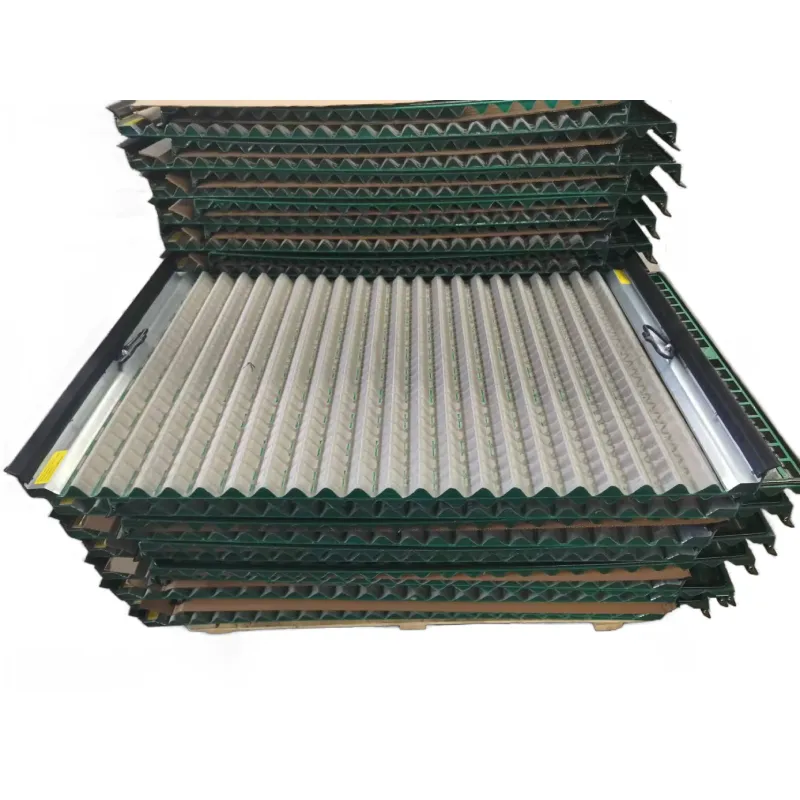
Derrick shaker screens are integral to efficient solids control in demanding drilling environments.
Technical Advantages:
- Energy Saving & Environmental Impact:
- Reduced Drilling Fluid Loss: The high conductance and effective separation minimize the amount of valuable drilling fluid adhered to cuttings, leading to significant material savings. Less fluid loss translates to reduced need for replenishment, lowering energy consumption for fluid mixing and transport.
- Lower Waste Volume: Drier cuttings mean less hazardous waste to dispose of, reducing disposal costs and environmental footprint. This is particularly crucial for offshore operations and in regions with strict environmental regulations.
- Corrosion Resistance & Extended Service Life:
- Utilizing high-grade stainless steel (SUS304/SUS316L) and composite frames ensures exceptional resistance to the corrosive and abrasive nature of drilling fluids and cuttings.
- The robust construction and unique pyramidal design distribute stress more evenly, enhancing durability and prolonging the operational life of the screens, thereby reducing replacement frequency and maintenance downtime.
- Superior Fluid Handling Capacity: The increased effective screening area (often 120-150% more than flat screens) allows for processing higher flow rates of drilling fluid, preventing mud pooling and ensuring continuous, efficient operation of the derrick shaker screens.
- Improved Separation Efficiency: The multi-layered design and precise API cut points deliver superior removal of undesirable fine solids, maintaining the rheological properties of the drilling fluid, protecting downhole equipment, and improving drilling rates.
- Reduced Operating Costs: Beyond fluid recovery and waste reduction, the extended screen life and reduced blinding translate directly into fewer screen changes, less labor, and minimized downtime, significantly lowering the total cost of ownership.
Vendor Comparison and Customized Solutions
Selecting the right shale shaker screen supplier is a critical decision that impacts operational efficiency, cost-effectiveness, and overall project success. The global market for shale shaker screen china manufacturers and suppliers is competitive, necessitating a thorough evaluation based on quality, technical expertise, and service capabilities.
Factors for Vendor Selection:
- Product Quality & Certifications: Look for suppliers adhering to international quality standards (e.g., ISO 9001:2015) and whose screens are API RP 13C compliant. These certifications guarantee consistency and performance.
- Research & Development Capabilities: A reputable shale shaker screen factory will invest in R&D to innovate new designs, materials, and manufacturing processes, ensuring cutting-edge solutions like advanced derrick pyramid screens.
- Global Reach & Support: For international operations, a vendor with a robust global supply chain and local technical support can minimize downtime and logistical challenges.
- Lead Time & Fulfillment: Evaluate the supplier's ability to consistently meet delivery schedules, especially for urgent requirements or custom orders.
- Cost-Effectiveness (Total Cost of Ownership): While initial price is a factor, consider the total cost of ownership, which includes screen life, drilling fluid recovery rates, and waste disposal costs. A higher-quality screen, even with a slightly higher upfront cost, often provides greater long-term savings.
Comparison: Derrick Pyramid Screens vs. Traditional Flat Screens
Customized Solutions:
Leading manufacturers understand that one size does not fit all. They offer tailored solutions to meet specific drilling challenges:
- Tailored Mesh Configurations: Custom mesh layering and API cut points to optimize separation for specific drilling fluid types (WBM, OBM, SBM) and geological formations.
- Specialized Frame Designs: Development of frames to perfectly integrate with non-standard shaker models or to enhance specific features like quick-change mechanisms.
- Material Adaptations: For highly corrosive or extremely abrasive environments, alternative high-performance alloys or specialized composite blends can be utilized.
- Performance Optimization: Working closely with clients to fine-tune screen parameters for optimal drilling fluid recovery, waste reduction, and drilling speed, ensuring maximum value from every shale shaker screen.
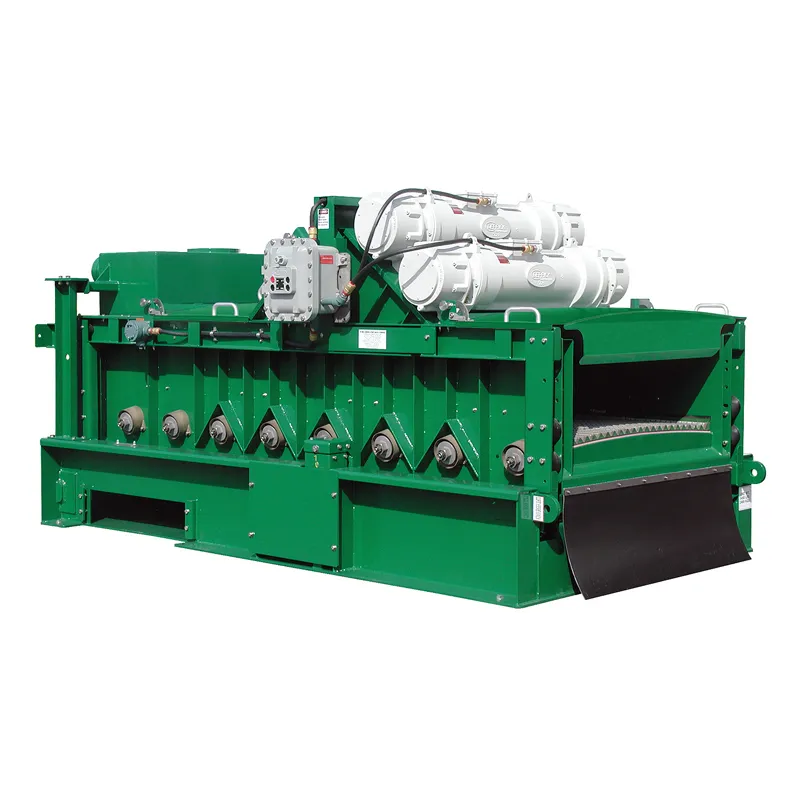
A robust shale shaker screen supplier offers comprehensive customization options to meet unique project demands.
Application Case Studies & Customer Experience
Real-world application demonstrates the tangible benefits of advanced derrick pyramid screens. Our commitment to delivering superior derrick shaker screens is reflected in consistent positive outcomes and long-standing client partnerships.
Case Study 1: Offshore Deepwater Drilling in the Gulf of Mexico
- Challenge: An offshore operator faced significant challenges with high drilling fluid losses and excessive waste volumes in deepwater drilling, leading to increased operational costs and environmental concerns. Traditional flat screens were consistently blinding due to sticky, reactive shales and high flow rates of synthetic-based drilling mud (SBM).
- Solution: Implementation of high-conductance derrick pyramid screens with API 200 mesh. The advanced 3D design and composite frames were chosen for their superior fluid handling and non-blinding characteristics.
- Results:
- Drilling Fluid Recovery: Achieved a 15% increase in SBM recovery, translating to an average saving of $50,000 per well in fluid replacement costs.
- Waste Reduction: Reduced the volume of SBM-contaminated cuttings by 20%, significantly cutting disposal expenses and environmental impact.
- Screen Life: Average screen life extended by 30%, decreasing screen replacement frequency and associated labor.
- NPT Reduction: Minimized screen changes and cleaning interventions led to a notable reduction in non-productive time (NPT).
Case Study 2: Onshore Horizontal Drilling in Permian Basin
- Challenge: A major onshore operator performing multi-well pad drilling encountered difficulties maintaining optimal drilling fluid properties due to insufficient fine solids removal, particularly in extended lateral sections. This led to increased wear on downhole tools and reduced rate of penetration.
- Solution: The operator switched to a comprehensive system incorporating fine mesh API 325 shale shaker screens with our advanced 3D geometry, paired with hydrocyclones and centrifuges.
- Results:
- Solids Removal Efficiency: Achieved an average of 90% removal of solids larger than 40 microns, significantly improving drilling fluid quality.
- Drilling Performance: Enabled a 7% increase in Rate of Penetration (ROP) due to cleaner drilling fluid.
- Equipment Longevity: Reduced wear on mud pumps and other drilling equipment, extending their service intervals and lowering maintenance costs.
- Customer Feedback: "The performance of these pyramid screens has exceeded our expectations. The reduction in fluid losses alone has provided a clear ROI, and the extended screen life means less hassle for our crews." - Senior Drilling Engineer.
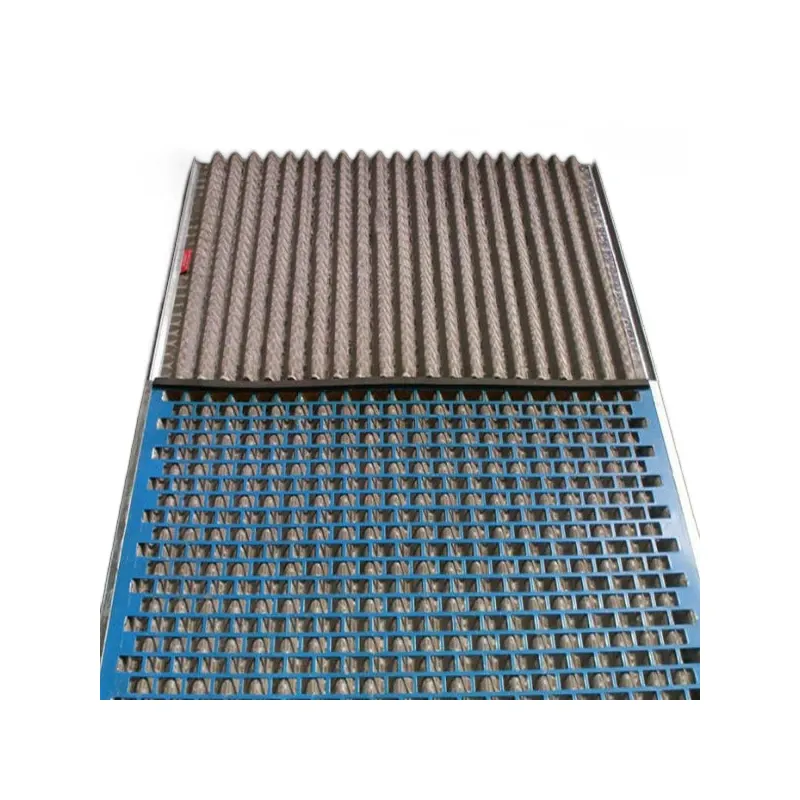
Performance metrics confirm the superior efficiency of derrick pyramid screens in challenging environments.
Trustworthiness & Support
Our commitment extends beyond providing high-quality derrick pyramid screens; we build trust through transparency, reliable logistics, robust warranties, and dedicated customer support. As a trusted shale shaker screen factory and shale shaker screen supplier, we prioritize long-term partnerships with our clients globally.
Authoritativeness & Certifications:
We operate under stringent quality management systems, evidenced by our ISO 9001:2015 certification. Our products, including our entire range of derrick shaker screens, are manufactured to meet or exceed API RP 13C standards, ensuring verifiable performance and compatibility. With over 15 years of industry experience, we have served numerous major drilling contractors and energy companies worldwide, building a reputation for reliability and technical excellence.
Frequently Asked Questions (FAQ):
- Q: How do 3D pyramid screens compare to flat screens in terms of throughput?
A: 3D pyramid screens typically offer 120-150% more effective screening area, leading to significantly higher fluid handling capacity and throughput compared to similarly sized flat screens. - Q: What is the typical service life of your pyramid screens?
A: While highly dependent on drilling conditions, fluid type, and maintenance, our shale shaker screens generally last 30-50% longer than conventional screens due to robust construction and non-blinding features. - Q: Are your screens compatible with all Derrick shaker models?
A: Our screens are designed as direct replacements for popular Derrick models (e.g., FLC 500, FLC 2000 series). We also offer customized solutions for less common models. - Q: How can I select the correct API mesh size for my application?
A: Our technical team can assist you based on your drilling fluid properties, desired cut point, and drilling conditions. We recommend referring to API RP 13C guidelines.
Lead Time and Fulfillment:
We maintain efficient production lines and strategic inventory levels to ensure prompt delivery. Standard orders typically have a lead time of 7-14 business days. For large-volume or customized orders, lead times will be communicated clearly during the quotation process. Our global logistics network ensures reliable shipment to your desired location, minimizing project delays.
Warranty Commitments:
All our derrick shaker screens come with a comprehensive warranty against manufacturing defects and material failures under normal operating conditions. Specific warranty periods and terms are provided with each purchase agreement, reflecting our confidence in product quality and durability.
Customer Support and Technical Assistance:
Our dedicated technical support team is available to provide expert guidance on screen selection, installation, optimization, and troubleshooting. We offer remote assistance, on-site support (where feasible), and training programs to ensure our clients maximize the performance of their solids control equipment. Your operational success is our priority.
Conclusion
The relentless pursuit of efficiency and sustainability in drilling operations has underscored the critical role of advanced solids control technologies. Derrick pyramid screens represent a pinnacle in this evolution, offering unmatched fluid handling capacity, superior separation efficiency, and extended operational life. By integrating these high-performance derrick shaker screens, operators can achieve significant reductions in drilling fluid losses, minimize waste disposal volumes, and enhance overall drilling economics.
As the industry navigates increasingly complex wells and stringent environmental regulations, the strategic adoption of cutting-edge shale shaker screen solutions becomes not just an advantage, but a necessity. Our commitment as a leading shale shaker screen supplier is to empower our clients with the innovative products and expert support required to meet these challenges head-on, ensuring cleaner muds, faster drilling, and a more sustainable future for the energy sector.
References
- API RP 13C, Recommended Practice for Shaker Screen Performance Testing. American Petroleum Institute.
- ISO 9001:2015, Quality Management Systems - Requirements. International Organization for Standardization.
- Schlumberger, "Solids Control," Oilfield Glossary.
- Halliburton, "Drilling Fluids Manual."
-
The Ultimate Guide to Choosing a French Drain Grate CoverNewsApr.16,2026
-
Ultimate Guide to Durable Metal Channel Drain Grates for DrainageNewsApr.09,2026
-
Driveway Channel Drain Grate Systems for Effective Water ManagementNewsApr.07,2026
-
Comprehensive Guide to Durable Cast Iron Trench Drain Covers for Various ApplicationsNewsApr.04,2026
-
Comprehensive Guide to Driveway Storm Drain Grates for Optimal Water ManagementNewsMar.31,2026
-
Comprehensive Guide to Durable Steel Driveway Grates for Enhanced DrainageNewsMar.28,2026