- Industrial zone, South of Anping Town, Hengshui, Hebei, China.
- sales@hfpetromesh.com
- +86-18931809706
Premium Derrick Pyramid Screens | Maximize Shaker Performance
Industry Trends and the Evolution of Solids Control
The global energy landscape, driven by increasingly complex drilling operations and stringent environmental regulations, demands superior efficiency in solids control. As the industry pushes into more challenging geological formations and unconventional reservoirs, the need for advanced screening technologies becomes paramount. Traditional flat `derrick shaker screens` often reach their limits in terms of processing capacity, fluid recovery, and screen life, leading to increased operational costs and environmental impact.
This evolving demand has spurred innovation, culminating in the development of high-performance `shale shaker screen` technologies. Among these, the derrick pyramid screens represent a significant leap forward. These screens are engineered to maximize non-blanked screen area and optimize fluid handling, addressing the critical challenges faced in modern drilling operations. From deepwater exploration to hydraulic fracturing, the ability to efficiently separate drilling solids while minimizing fluid loss is a key differentiator for operational success and profitability.
The focus today is not just on solids removal but on integrated solutions that reduce waste, conserve valuable drilling fluids, and enhance overall drilling performance. Manufacturers are constantly refining designs, materials, and manufacturing processes to deliver screens that offer extended service life, improved conductance, and greater processing capacity, directly contributing to lower non-productive time (NPT) and a reduced environmental footprint.
Technical Specifications and Design Principles of Derrick Pyramid Screens
At the core of the enhanced performance of derrick pyramid screens lies their distinctive three-dimensional design. Unlike conventional flat screens, which offer a limited effective screening area, pyramid screens incorporate a corrugated or peaked structure. This innovative design significantly increases the non-blanked screen area per panel, often by 125% or more, allowing for greater fluid throughput without increasing the physical footprint on the shaker deck.
The primary technical principle is to maximize flow conductance, which is the ability of fluid to pass through the screen. By increasing the screen area, the flow resistance is reduced, leading to more efficient fluid processing at higher flow rates. This also contributes to a sharper cut point, meaning better separation of fine solids from the drilling fluid. The pyramid structure promotes improved solids conveying, reducing screen blinding and extending the operational life of the screen.
Key Design Features and Materials:
- Frame Material: Typically constructed from high-strength steel (e.g., AISI 304/316 for enhanced corrosion resistance) or advanced composite materials. Composite frames offer superior vibration dampening, reduced weight, and improved longevity, especially in highly corrosive environments.
- Mesh Layers: Multi-layered screen mesh, often consisting of two or three layers, is precision-woven to create specific API RP 13C cut points. The mesh layers are bonded to the frame using proprietary processes (e.g., hot pressing, polyurethane bonding) to ensure structural integrity and prevent delamination.
- Pyramid Geometry: The height and spacing of the pyramid peaks are meticulously engineered to optimize fluid drainage and solids transport, preventing solids accumulation and maximizing effective screening time.
- API RP 13C Compliance: All high-quality derrick pyramid screens adhere to API Recommended Practice 13C, ensuring accurate classification of mesh sizes, non-blanked screen area, and conductance for consistent performance across different manufacturers.
Typical Product Specifications (Example: 3D Shaker Screen)
| Parameter | Description | Value/Range |
|---|---|---|
| Screen Type | Pyramid / 3D Shaker Screen | Hookstrip or Pre-tensioned |
| Effective Screen Area | Compared to flat screens of similar dimensions | Up to 125% more |
| API Mesh Designations | Coarse to fine separation capabilities | API 20 to API 400 |
| Frame Material | High-grade for durability and corrosion resistance | Steel or Composite (Polyurethane) |
| Average Service Life | Expected operational duration under normal conditions | Significantly extended (e.g., 20-50% longer) |
| Operating Temperature | Resistance to thermal degradation | -20°C to +100°C |
| Conductance | Fluid flow rate per unit area (API RP 13C) | Optimized, typically higher than flat screens |
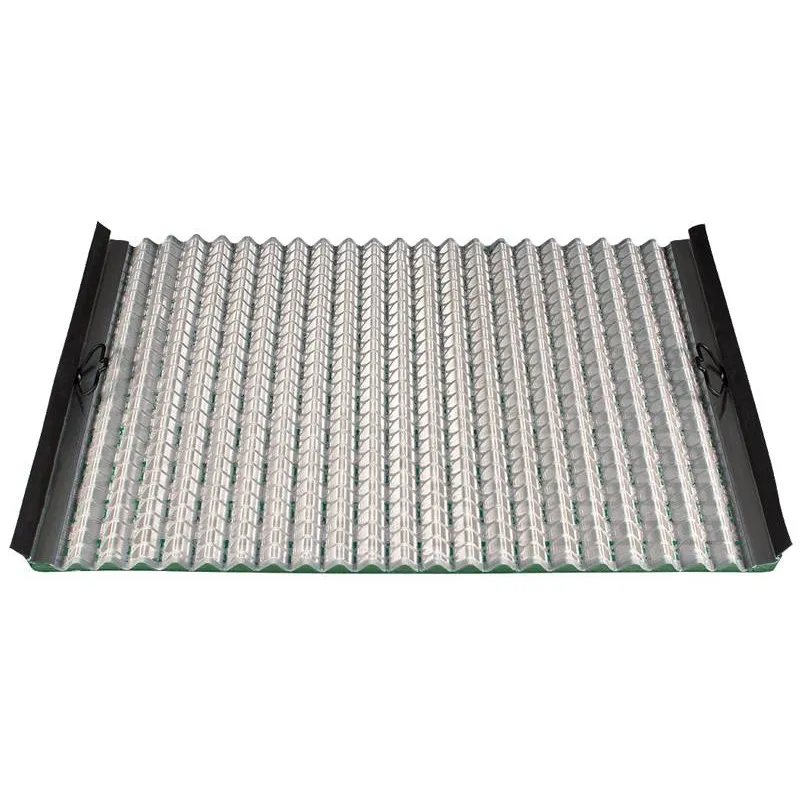
Visual representation of the advanced mesh design in derrick pyramid screens.
The Advanced Manufacturing Process of Derrick Pyramid Screens
The production of high-performance derrick pyramid screens involves a sophisticated, multi-stage manufacturing process that combines precision engineering with stringent quality control. This process ensures that each screen meets the demanding performance requirements of the B2B sector, from the petrochemical industry to metallurgy and water treatment.
Detailed Process Flow:
-
1. Material Sourcing & Selection:
High-grade raw materials are meticulously selected. This includes premium stainless steel wire (e.g., AISI 304, 316) for superior corrosion resistance and durability, along with robust steel alloys or advanced polymers for the frame structure. All materials must meet specific mechanical properties and chemical compositions, often verified by material certification from suppliers to ensure compliance with international standards such as ASTM.
-
2. Frame Fabrication (CNC Machining & Welding):
For steel-framed screens, high-precision CNC machining is used to cut and shape the frame components. Advanced welding techniques, such as TIG or robotic welding, ensure strong, uniform, and defect-free joints. For composite frames, injection molding or specialized bonding processes are utilized to create lightweight yet incredibly strong structures designed for maximum vibration resistance and extended service life. The manufacturing process adheres to strict engineering tolerances, typically within ±0.1 mm.
-
3. Mesh Weaving & Preparation:
Specialized looms weave the stainless steel wire into precise mesh patterns. Multiple layers of mesh with varying openings are prepared, each designed to perform a specific function (e.g., coarser backing mesh for support, finer upper mesh for separation). The mesh is then cut to exact dimensions, and tensioning processes are applied to ensure optimal tautness, crucial for effective separation and preventing premature failure due to fatigue.
-
4. Pyramid Formation & Layer Bonding:
This is a critical stage unique to pyramid screens. The multi-layered mesh assembly is precisely formed into the corrugated 3D structure using advanced stamping or molding techniques. Simultaneously, or in a subsequent step, these layers are meticulously bonded together and to the frame. Techniques include hot pressing with specialized polymer resins that fuse the layers without obstructing the mesh openings, or robust polyurethane bonding for superior chemical resistance and durability. This ensures the structural integrity of the pyramid shape and prevents fluid bypass.
-
5. Quality Control & Performance Testing:
Each screen undergoes rigorous quality assurance. This includes:
- Visual Inspection: Checking for defects, consistent pyramid geometry, and proper bonding.
- Mesh Opening Analysis: Utilizing optical microscopy or advanced image processing to verify API RP 13C D100 cut point and mean screen size (MSS) with high accuracy.
- Tensile Strength Testing: Ensuring the mesh and bond integrity can withstand operational stresses.
- Conductance Testing: Measuring fluid flow rates through the screen to confirm expected performance.
- Vibration Fatigue Testing: Simulating shaker conditions to evaluate screen life and durability.
-
6. Finishing, Packaging & Certification:
Finished screens may undergo surface treatments such as anti-corrosion coatings to enhance longevity. Each screen is then labeled with its specifications, including API designation, and packaged in robust, protective materials suitable for international shipping. Comprehensive documentation, including quality certificates and test reports, accompanies each batch, attesting to its quality and performance.
Target Industries and Advantages:
The rigorous manufacturing process yields derrick pyramid screens with distinct advantages across various target industries:
- Petrochemical (Drilling Fluids Management): Exceptional for processing high-volume drilling fluids, offering superior `shale shaker screen` performance in terms of solids removal and fluid recovery. Their extended service life directly contributes to reduced downtime and lower screen replacement costs.
- Metallurgy & Mining (Slurry Dewatering): Capable of handling abrasive slurries, providing efficient dewatering and classification of fine particles. The robust construction and corrosion resistance ensure reliable operation in harsh mining environments, leading to energy saving through more efficient separation and less re-processing.
- Water Supply & Drainage (Wastewater Treatment): Effective in municipal and industrial wastewater pre-treatment, separating suspended solids to protect downstream equipment. The `derrick pyramid screens` contribute to better effluent quality and reduced maintenance on pumps and filters.
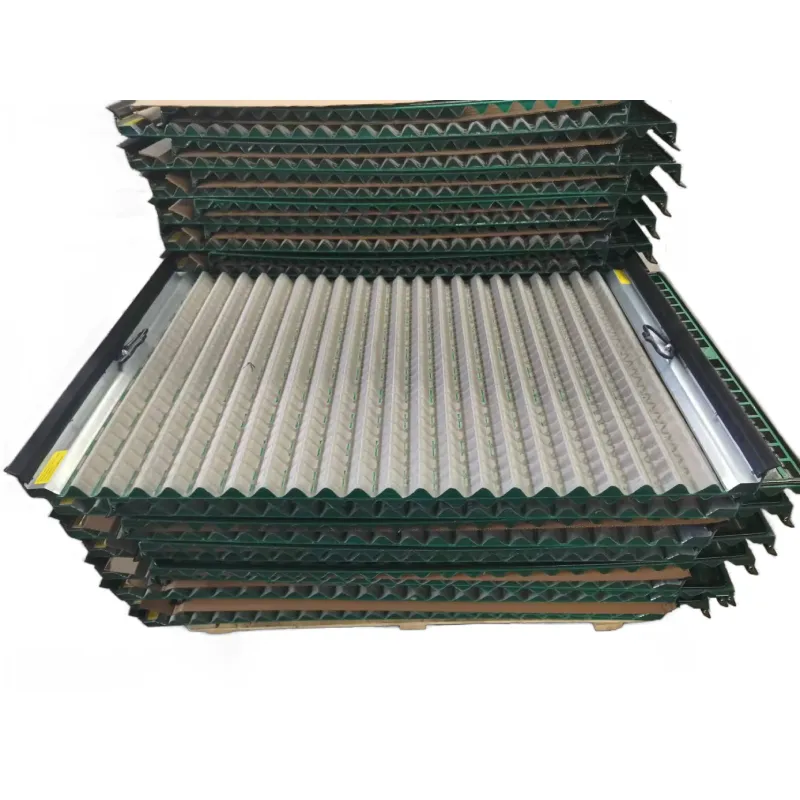
A close-up of the multi-layered mesh construction, showcasing precision bonding.
Application Scenarios and Technical Advantages
The unique architecture of derrick pyramid screens translates into substantial operational and economic advantages across a wide array of demanding industrial applications. Their enhanced performance makes them ideal for scenarios where conventional screens fall short.
Primary Application Scenarios:
- Oil and Gas Drilling: Essential for solids control in conventional, unconventional (shale gas, tight oil), and deepwater drilling. They excel in processing high-viscosity drilling muds, particularly in horizontal drilling where cuttings loads are significant. Their ability to handle high flow rates reduces bypass and ensures cleaner fluid returns.
- Directional and Extended Reach Drilling: In these complex operations, maintaining mud properties is critical. Derrick pyramid screens provide superior filtration, preserving the integrity and performance of expensive drilling fluids.
- Mining Operations: Used for dewatering mineral slurries, classification of fines, and waste management. Their robust construction handles abrasive materials, and the increased capacity improves throughput in demanding processing plants.
- Industrial Wastewater Treatment: For pre-treatment of industrial effluents, particularly those with high solid content. The screens efficiently remove larger particles, protecting downstream filtration systems and reducing maintenance.
- Trenchless Technology & Construction: Utilized in bentonite recovery systems for trenchless construction (e.g., HDD - Horizontal Directional Drilling) and piling, effectively separating excavated solids from drilling fluids for reuse.
Key Technical Advantages:
- Significantly Increased Capacity: The corrugated design provides up to 125% more effective non-blanked screen area than flat screens of the same footprint. This allows operators to process higher volumes of drilling fluid, sometimes enabling a reduction in the number of shakers required or running existing shakers at lower speeds, leading to energy saving and reduced wear.
- Enhanced Solids Removal Efficiency: With a greater effective screening area and optimized fluid distribution, `derrick pyramid screens` achieve a sharper cut point and more efficient separation of drilling solids, minimizing undesirable fine solids in the drilling mud. This directly improves drilling performance and reduces wear on downhole tools.
- Extended Service Life: The larger surface area distributes solids more effectively, reducing localized wear and blinding. Combined with high-strength frame materials and robust bonding, this extends the screen's operational life, leading to fewer screen changes, reduced labor, and significant cost savings. Studies have shown an average increase of 20-50% in screen life compared to flat screens.
- Superior Fluid Recovery: The improved conductance and drainage characteristics mean more valuable drilling fluid is recovered and returned to the system, reducing fluid consumption and disposal costs. This is particularly crucial for expensive synthetic oil-based muds (SBM).
- Corrosion Resistance: Utilizing high-grade stainless steel mesh and corrosion-resistant frame materials (especially composite frames), these screens withstand aggressive drilling fluids, including those with high salinity or acidic components, ensuring consistent performance in challenging chemical environments.
- Reduced Operational Costs: The combination of increased capacity, extended life, and improved fluid recovery translates into substantial cost reductions related to screen replacement, drilling fluid losses, and waste disposal. Furthermore, potential energy saving from optimized shaker operation further enhances economic benefits.
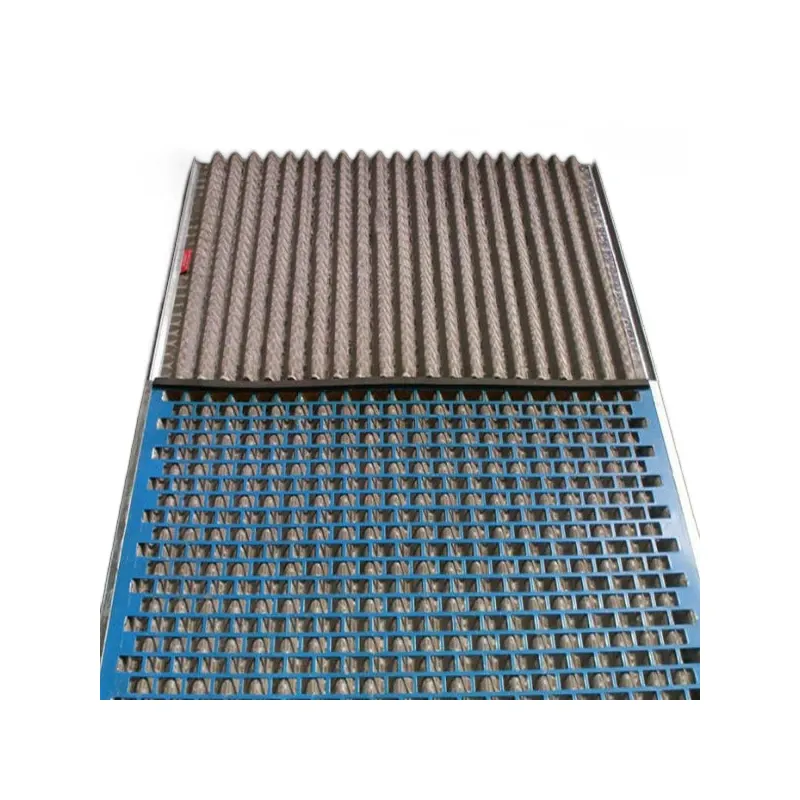
Illustrating the superior solids handling and fluid flow dynamics of pyramid screens.
Vendor Comparison and Customized Solutions for Shale Shaker Screens
Selecting the right `shale shaker screen supplier` or `shale shaker screen factory` is a critical decision that impacts operational efficiency, cost-effectiveness, and environmental compliance. While many suppliers offer `derrick shaker screens`, the quality and performance of derrick pyramid screens can vary significantly.
Key Factors for Vendor Comparison:
- Quality and Certifications: Look for manufacturers with ISO 9001:2015 certification and adherence to API RP 13C. Reputable `shale shaker screen china` factories often achieve these international benchmarks.
- R&D Capabilities: A strong R&D department indicates innovation, leading to superior screen designs and materials, such as advanced composite frames or optimized pyramid geometries.
- Manufacturing Expertise: Experience in precision manufacturing processes (CNC, robotic welding, specialized bonding) directly translates to consistent product quality and durability.
- Technical Support: Availability of experienced technical personnel for consultation, troubleshooting, and optimization recommendations.
- Lead Time and Logistics: Efficient production schedules and global logistics capabilities are crucial for timely delivery and reducing inventory holding costs for B2B clients.
- Customer Feedback and Track Record: Proven performance with major operators and a history of reliable service are strong indicators of trustworthiness.
Comparison: Standard Flat Screen vs. Pyramid Screen (Example)
| Feature | Standard Flat Screen | Derrick Pyramid Screens |
|---|---|---|
| Effective Screen Area | Baseline (e.g., 0.6 m²) | Up to 1.5 - 2.0x of flat screen |
| Fluid Throughput | Moderate | High (Reduced shaker load) |
| Screen Life | Standard | Extended (20-50% longer) |
| Solids Conveyance | Prone to pooling/blinding | Excellent (Reduced blinding) |
| Drilling Fluid Loss | Higher potential | Minimized |
| Overall Cost-Effectiveness | Good | Superior (Lower TCO) |
Customized Solutions: Tailoring to Specific Needs
Recognizing that every drilling project or industrial process has unique requirements, leading manufacturers offer highly customized `shale shaker screen` solutions. This bespoke approach ensures optimal performance in diverse operating conditions:
- Mesh Size Configuration: Tailoring API mesh designations (e.g., specific API 100, API 120, API 140 combinations) to match drilling fluid rheology, expected solids content, and desired cut points. This can be crucial for maximizing drilling rate of penetration (ROP) while maintaining mud properties.
- Frame Material Optimization: Offering options between high-strength steel for general applications and advanced composite frames for extreme durability, corrosion resistance, and reduced weight in specific, highly aggressive chemical or high-vibration environments.
- Panel Dimensions and Mounting: Customizing screen panel dimensions and hookstrip/pre-tensioned mounting configurations to fit various shaker models from different OEMs, ensuring seamless integration and optimal fit.
- Environmental & Operational Adaptations: Designing screens for specific temperature ranges, pH levels of fluids, or abrasive particle types encountered in particular fields or mining operations.
A truly authoritative `shale shaker screen factory` or `shale shaker screen supplier` collaborates closely with clients to understand their specific challenges and engineer solutions that deliver measurable improvements in operational efficiency and cost savings.
Application Case Studies: Real-World Impact
The theoretical advantages of derrick pyramid screens are consistently validated by their performance in real-world application scenarios, demonstrating tangible benefits for operators in diverse sectors.
Case Study 1: Enhanced Drilling Efficiency in the Permian Basin (Oil & Gas)
A major E&P company operating in the challenging shale formations of the Permian Basin faced issues with high non-productive time (NPT) due to frequent `derrick shaker screens` changes and excessive drilling fluid losses. Their existing flat screens struggled with the high solids loading from fast drilling rates. Upon switching to advanced derrick pyramid screens from a reputable `shale shaker screen supplier`, the operator observed significant improvements:
- Reduced Screen Consumption: Screen life increased by an average of 35%, leading to a 25% reduction in screen replacement costs over a six-month period.
- Improved Fluid Recovery: Drilling fluid carryover with solids decreased by 18%, resulting in substantial savings on expensive oil-based mud (OBM) and reduced disposal volumes.
- Increased Drilling Rate: The enhanced solids removal efficiency allowed for more aggressive drilling parameters, contributing to a 10% increase in average rate of penetration (ROP) and ultimately shorter well completion times.
Case Study 2: Optimized Dewatering in an Iron Ore Processing Plant (Mining)
A large iron ore mine encountered bottlenecks in its dewatering circuit, with conventional screens struggling to handle the high volume and abrasive nature of fine iron ore slurries. This led to inefficient dewatering, higher moisture content in concentrates, and increased energy consumption for subsequent drying. Implementing specialized derrick pyramid screens tailored for high-abrasion applications yielded the following results:
- Throughput Increase: The processing capacity of the shaker units increased by 20%, significantly alleviating the dewatering bottleneck.
- Moisture Reduction: The moisture content in the dewatered iron ore concentrate was reduced by an average of 3 percentage points, directly impacting the quality of the final product and reducing energy costs associated with thermal drying by 15%.
- Extended Screen Durability: Despite the abrasive conditions, the robust construction of the pyramid screens resulted in a 40% longer service life compared to previous screens, minimizing maintenance downtime.
Case Study 3: Wastewater Solids Removal in an Industrial Facility (Environmental)
An industrial facility discharging process wastewater containing a high load of suspended organic and inorganic solids sought to improve its pre-treatment efficiency to meet increasingly strict discharge limits and protect its advanced biological treatment systems. By integrating fine-mesh derrick pyramid screens into their primary solids removal stage, they achieved notable improvements:
- Enhanced TSS Removal: Total Suspended Solids (TSS) removal efficiency increased by 25%, significantly reducing the load on downstream biological reactors and filters.
- Reduced Chemical Usage: With better mechanical separation, the need for coagulants and flocculants in subsequent treatment steps was reduced by 10-15%, leading to chemical cost savings.
- Lower Maintenance for Downstream Equipment: Less solids accumulation meant reduced clogging and wear on pumps, piping, and fine filtration systems, resulting in lower maintenance costs and longer equipment lifespan.
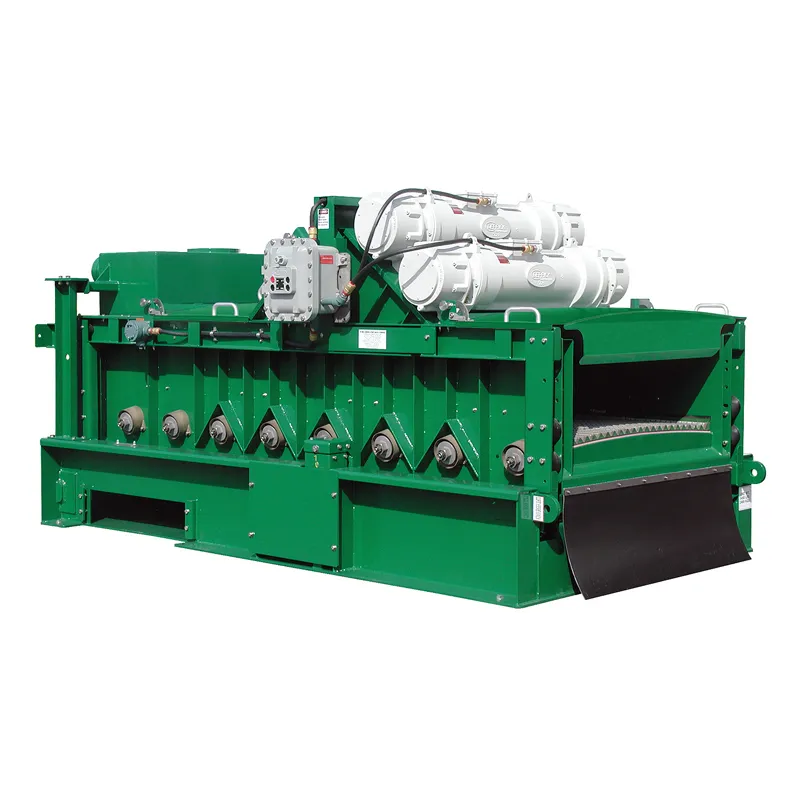
An installation of derrick pyramid screens on a high-capacity shale shaker.
Ensuring Trust and Reliability: Certifications, Support, and Warranty
In the B2B sector, trust and reliability are paramount. Partnering with a supplier that demonstrates authoritativeness through certifications, robust support, and clear commitments is essential for long-term operational success. For critical components like derrick pyramid screens, these factors directly impact project timelines and profitability.
Certifications and Industry Standards:
A leading `shale shaker screen factory` or `shale shaker screen supplier` will possess comprehensive certifications and adhere to international standards, providing verifiable assurance of product quality and manufacturing excellence.
- ISO 9001:2015: Certification for Quality Management Systems, indicating a commitment to consistent quality and continuous improvement throughout the manufacturing process.
- API Recommended Practice 13C: Adherence to this standard for evaluating shale shaker screen performance ensures accurate and comparable data on mesh separation, conductance, and non-blanked screen area.
- Material Certifications: Provision of material traceability and certificates (e.g., from steel mills) for frame and mesh materials, confirming their compliance with specified grades and chemical compositions.
- Years of Service & Client Portfolio: A long-standing presence in the market and a robust portfolio of major international clients (oil & gas operators, drilling contractors, mining companies) underscore proven reliability and industry acceptance.
Frequently Asked Questions (FAQ):
- Q1: Are derrick pyramid screens compatible with all shaker models?
- A1: While designed for Derrick shakers, many manufacturers offer custom sizes and hookstrip/frame configurations to fit various popular shaker models. It's crucial to confirm compatibility with your specific shaker model before purchase. Suppliers should provide detailed specification sheets for fitment.
- Q2: How does the pyramid design extend screen life?
- A2: The increased surface area of the pyramid design allows drilling fluids and solids to spread out more efficiently, reducing localized abrasion and preventing solids from 'blinding' or clogging the screen prematurely. This distribution of wear and efficient fluid drainage contributes significantly to extended operational life.
- Q3: What lead time can I expect for a bulk order?
- A3: Standard lead times typically range from 2-4 weeks for common mesh sizes and quantities. For large bulk orders or highly customized specifications, lead times may extend to 6-8 weeks. Reputable suppliers offer expedited manufacturing and global logistics services to meet urgent requirements, usually for an additional fee. Clients are encouraged to discuss their specific fulfillment needs at the time of inquiry.
- Q4: What warranty is provided for these screens?
- A4: Most high-quality derrick pyramid screens come with a manufacturer's warranty covering defects in material and workmanship. The typical warranty period is 3-6 months from the date of purchase or installation, depending on usage conditions. It's important to review the specific warranty terms provided by the supplier.
Lead Time, Fulfillment, and Customer Support:
- Fulfillment Details: Efficient order processing, robust inventory management for standard products, and streamlined logistics networks (air, sea, land freight) ensure timely delivery globally. Documentation for international shipping, including customs clearance support, is often provided.
- Warranty Commitments: A clear, transparent warranty policy protects clients against manufacturing defects. Detailed terms and conditions for claims and replacements are provided upfront.
- After-Sales Support: Comprehensive customer support includes technical assistance for installation and optimization, troubleshooting guides, and access to a dedicated team for ongoing product support. Availability of spare parts and replacement components is also crucial for long-term operational continuity.
Choosing a partner that excels in these areas instills confidence, reduces risk, and ensures optimal performance from your solids control equipment.
Conclusion
In the demanding world of oil and gas, mining, and industrial processing, efficient solids control is not merely an operational necessity but a strategic advantage. Derrick pyramid screens represent the pinnacle of modern `derrick shaker screens` technology, offering an unparalleled combination of increased capacity, extended service life, and superior fluid recovery. Their innovative design and advanced manufacturing processes directly translate into significant operational cost savings, reduced environmental impact, and enhanced overall project performance.
As industries continue to evolve, the demand for high-performance, reliable, and customizable solutions will only grow. Investing in premium derrick pyramid screens from an authoritative and trustworthy `shale shaker screen supplier` is a critical step towards achieving sustainable efficiency and maintaining a competitive edge in today's global marketplace.
References
- American Petroleum Institute. API Recommended Practice 13C: Recommended Practice for Drilling Fluid Processing Systems Evaluation. 5th Edition. Washington D.C.: API Publishing, 2017.
- SPE Drilling & Completion Journal. "Advancements in Shale Shaker Screen Technology for Enhanced Solids Control." Society of Petroleum Engineers, various issues.
- International Organization for Standardization. ISO 9001:2015: Quality Management Systems – Requirements. Geneva, Switzerland: ISO, 2015.
- Journal of Environmental Chemical Engineering. "High-Efficiency Screening for Industrial Wastewater Pre-treatment." Elsevier, various issues.
- "Solids Control Handbook: Drilling Fluid Processing." Baker Hughes Company Publications, various editions.
-
The Ultimate Guide to Choosing a French Drain Grate CoverNewsApr.16,2026
-
Ultimate Guide to Durable Metal Channel Drain Grates for DrainageNewsApr.09,2026
-
Driveway Channel Drain Grate Systems for Effective Water ManagementNewsApr.07,2026
-
Comprehensive Guide to Durable Cast Iron Trench Drain Covers for Various ApplicationsNewsApr.04,2026
-
Comprehensive Guide to Driveway Storm Drain Grates for Optimal Water ManagementNewsMar.31,2026
-
Comprehensive Guide to Durable Steel Driveway Grates for Enhanced DrainageNewsMar.28,2026