- Industrial zone, South of Anping Town, Hengshui, Hebei, China.
- sales@hfpetromesh.com
- +86-18931809706
Comprehensive Guide to Durable Metal Grates for Stairs and Staircase Safety
Metal Grates for Stairs: A Comprehensive Guide
When designing or renovating staircases, safety and durability are paramount. Metal grates for stairs provide a robust and aesthetically pleasing solution. This article delves into the benefits, types, applications, and considerations when selecting metal stair grates, offering a comprehensive overview for architects, contractors, and homeowners. Choosing the right grating ensures long-lasting safety and enhances the overall design of your staircase.
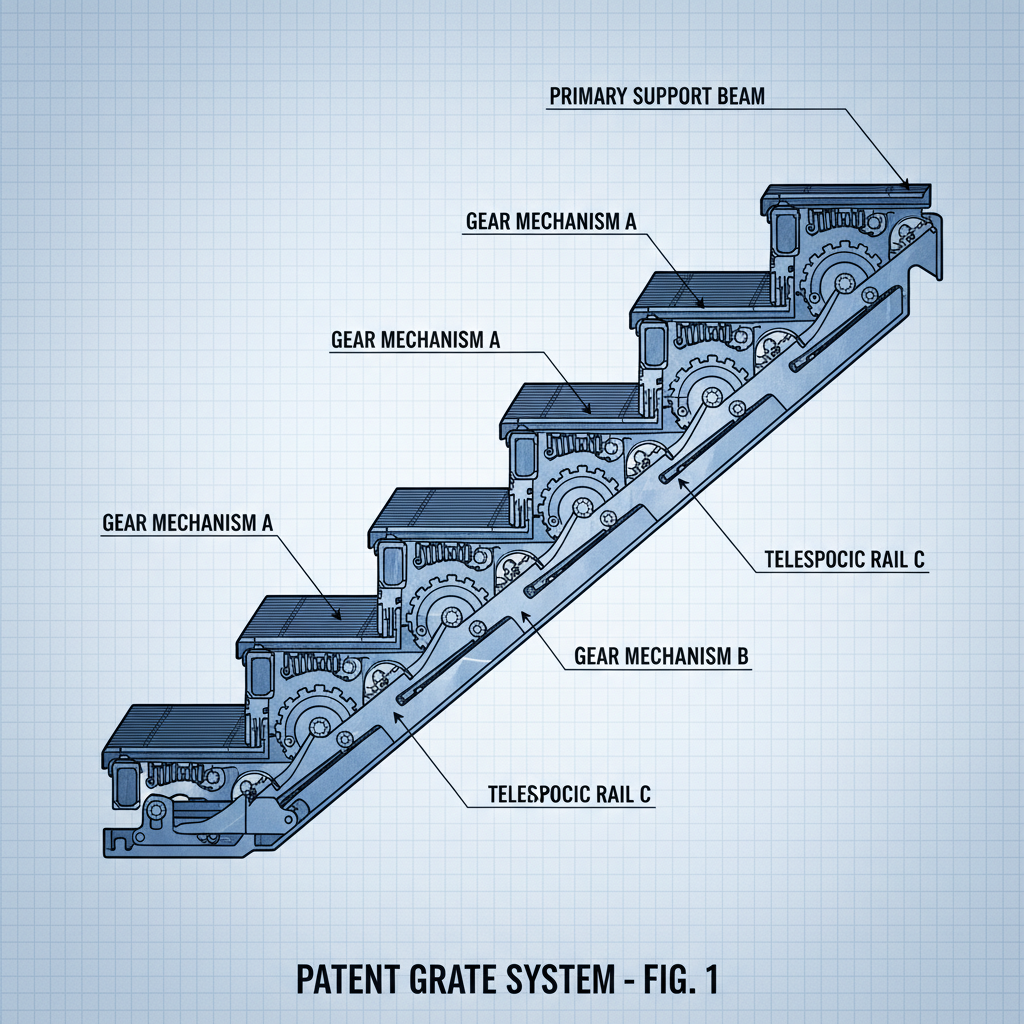
Understanding the Benefits of Metal Stair Grates
Metal stair grates offer several advantages over traditional stair materials like wood or concrete. Firstly, they boast exceptional strength and durability, capable of withstanding heavy foot traffic and harsh environmental conditions. Secondly, their open design allows for excellent drainage and ventilation, reducing the risk of slips and falls, especially in outdoor settings. Furthermore, metal grates require minimal maintenance compared to wood, which is susceptible to rot and decay. HF PetroMesh specializes in producing high-quality metal grates designed for a variety of applications, ensuring both safety and longevity.
Key Highlights: Exceptional strength and durability, Excellent drainage and ventilation, Minimal maintenance, Increased safety.
Types of Metal Grates for Stairs
Several types of metal grates are commonly used for stair construction, each offering unique characteristics. Welded steel grates are known for their high load-bearing capacity and are ideal for industrial applications. Swaged grates, constructed by press-locking cross bars into the bearing bars, provide a smooth, secure surface and are often used in architectural settings. Riveted grates offer a cost-effective solution for lighter loads. The choice depends on factors like load requirements, aesthetic preferences, and budget considerations. HF PetroMesh offers a diverse range of grating types to meet specific project needs.
Grating Type Comparison:
• Welded Steel Grates: High load capacity, Industrial applications.
• Swaged Grates: Smooth surface, Architectural applications.
• Riveted Grates: Cost-effective, Lighter loads.
Metal Grates for Stairs: Material Selection and Corrosion Resistance
The material used for metal stair grates significantly impacts their durability and longevity. Carbon steel is a common choice due to its strength and affordability, but it's susceptible to corrosion. Stainless steel offers excellent corrosion resistance, making it ideal for outdoor or marine environments. Aluminum is lightweight and naturally corrosion-resistant, but it has a lower load-bearing capacity than steel. Protective coatings, such as galvanizing or powder coating, can enhance the corrosion resistance of carbon steel. HF PetroMesh provides grates in various materials and coatings to suit different environments.
Applications of Metal Stair Grates
Metal stair grates are utilized across a diverse range of applications. Industrial facilities benefit from their durability and safety features. Commercial buildings utilize them for their aesthetic appeal and low maintenance. Residential projects often incorporate them for outdoor staircases, decks, and walkways. They are frequently found in platforms, walkways, and cat-walks in factories, refineries, and oil & gas industries. HF PetroMesh can provide custom grating solutions tailored to any project’s specific requirements.
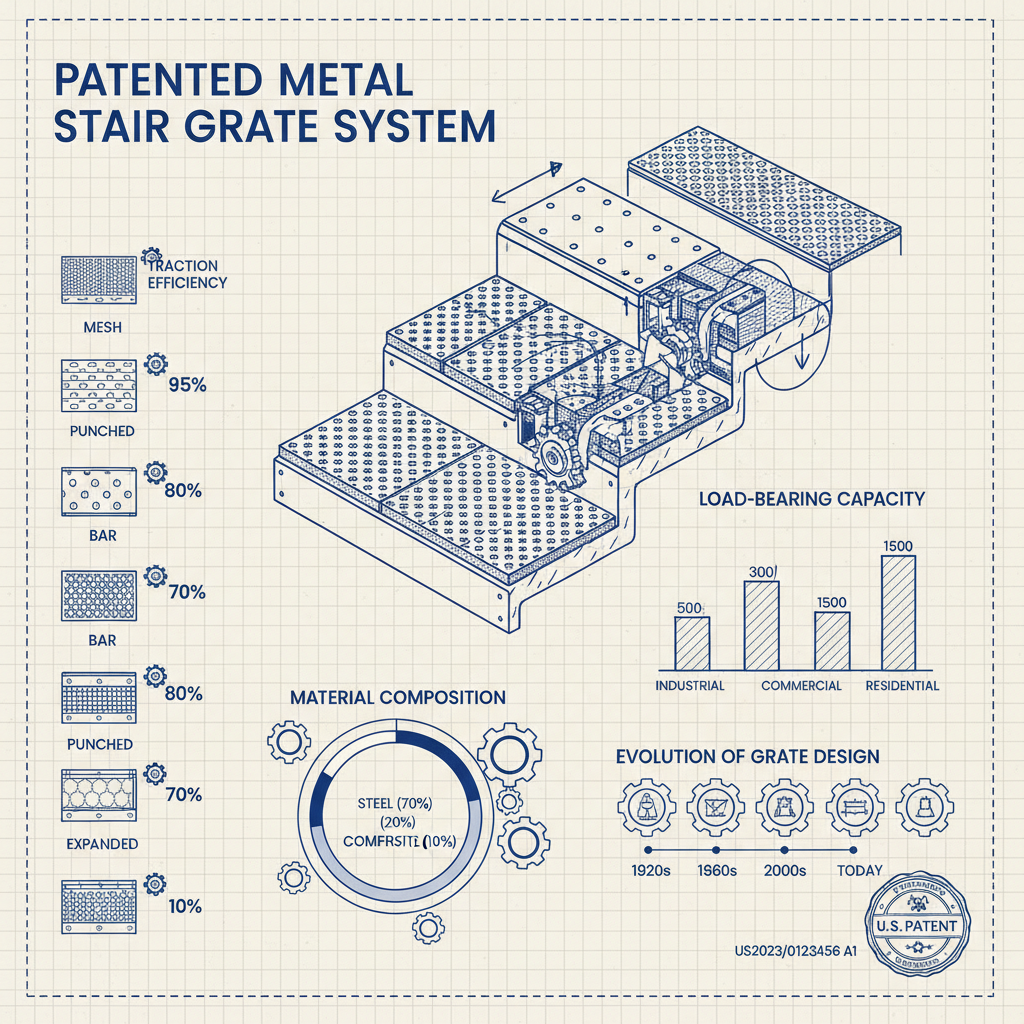
Selecting the Right Metal Grates for Your Project
Choosing the right metal stair grates involves careful consideration of several factors. Load capacity, environmental conditions, aesthetic preferences, and budget constraints all play a role. It's essential to consult with a qualified engineer or supplier to ensure the chosen grating meets all relevant safety standards and regulations. Proper installation is also crucial for ensuring the longevity and safety of the staircase. HF PetroMesh offers expert guidance and support throughout the selection and installation process.
Conclusion: Investing in Quality Metal Stair Grates
Investing in high-quality metal grates for stairs is a smart decision that ensures safety, durability, and aesthetic appeal. By carefully considering the material, type, and application, you can select the perfect grating solution for your project. HF PetroMesh is your trusted partner for all your metal grating needs.
Frequently Asked Questions (FAQs)
What is the typical lifespan of metal stair grates?
The lifespan of metal stair grates depends on several factors, including the material used, the environment they are exposed to, and the maintenance they receive. With proper maintenance, such as regular cleaning and protective coatings, well-constructed metal grates can last for several decades. Stainless steel grates typically have a longer lifespan than carbon steel grates due to their superior corrosion resistance. Regular inspections for signs of wear and tear are recommended to ensure continued safety and performance.
What maintenance is required for metal stair grates?
Metal stair grates require relatively low maintenance. Regular cleaning to remove dirt, debris, and corrosive substances is essential. For carbon steel grates, periodic reapplication of protective coatings, such as paint or galvanizing, may be necessary to prevent corrosion. Inspect the grates regularly for any signs of damage, such as cracks or loose fasteners, and address these issues promptly. Avoid using abrasive cleaning agents that could damage the protective coatings.
Are metal stair grates slippery when wet?
Metal stair grates can become slippery when wet, especially if they have a smooth surface. However, there are several ways to mitigate this risk. Using grates with a textured surface or adding anti-slip coatings can significantly improve traction. Proper drainage is also crucial to prevent water from accumulating on the grates. Consider the environment when selecting the grating material and finish, and choose options designed for wet or slippery conditions.
Can metal stair grates be customized?
Yes, metal stair grates can often be customized to meet specific project requirements. HF PetroMesh offers custom fabrication services, allowing you to specify the size, shape, material, and finish of the grates. Customization options include cutouts for pipes or other obstructions, special coatings for enhanced corrosion resistance, and different grating patterns to achieve a desired aesthetic look.
-
The Ultimate Guide to Choosing a French Drain Grate CoverNewsApr.16,2026
-
Ultimate Guide to Durable Metal Channel Drain Grates for DrainageNewsApr.09,2026
-
Driveway Channel Drain Grate Systems for Effective Water ManagementNewsApr.07,2026
-
Comprehensive Guide to Durable Cast Iron Trench Drain Covers for Various ApplicationsNewsApr.04,2026
-
Comprehensive Guide to Driveway Storm Drain Grates for Optimal Water ManagementNewsMar.31,2026
-
Comprehensive Guide to Durable Steel Driveway Grates for Enhanced DrainageNewsMar.28,2026