- Industrial zone, South of Anping Town, Hengshui, Hebei, China.
- sales@hfpetromesh.com
- +86-18931809706
Shale Shaker Screen Factory: Premium Quality Screens Direct
The Core of Drilling Efficiency: Understanding the shale shaker screen factory
In the demanding world of oil and gas exploration, efficient solids control is paramount. At the heart of this process lies the shale shaker, a critical piece of equipment responsible for separating drill cuttings from drilling fluid (mud). The performance of a shale shaker is directly dependent on the quality and design of its screens. This deep dive explores the intricacies of the shale shaker screen factory, from manufacturing precision to advanced material science, ensuring optimal performance in the field. Our focus is on the Composite Frame Shaker Screen, a product engineered for superior durability and efficiency.
As a leading shale shaker screen supplier, we understand the evolving demands of the industry. Modern drilling operations require screens that can withstand aggressive conditions, offer extended service life, and maximize fluid recovery. Our commitment to innovation ensures that our screens stand at the forefront of this technology, providing tangible benefits to drilling contractors looking for high-performance shale shaker screens for sale.
Industry Trends in Shale Shaker Screen Technology
The solids control sector is constantly innovating to meet the challenges of deeper wells, more complex geological formations, and stricter environmental regulations. Key trends shaping the shale shaker screen factory landscape include:
- Composite Frame Development: The shift from traditional steel frames to advanced composite materials offers significant advantages in weight reduction, superior corrosion resistance, and significantly extended screen life. This is a primary focus for advanced shale shaker screen suppliers, aiming to minimize fatigue and enhance durability.
- Higher Conductance Screens: The drive for faster drilling rates necessitates screens with increased processing capacities without compromising separation efficiency. This involves innovative multi-layer mesh designs and optimized mesh openings to maximize fluid throughput while retaining fine solids.
- Improved Wear Resistance: Abrasive drilling fluids and hard cuttings demand screen materials and designs that can withstand extreme wear. Innovations in shale shaker screen material and construction, such as reinforced bonding techniques, are crucial for reducing replacement frequency and operational downtime.
- Standardization and Interchangeability: Operators increasingly prefer screens that are easily interchangeable across different shaker models and brands, simplifying inventory management and procurement processes for those seeking shale shaker screens for sale.
- Environmental Focus: Reducing waste generation, minimizing hazardous material handling, and achieving more efficient fluid recovery are becoming critical performance indicators, influencing screen design to minimize mud loss and support sustainable drilling practices.
These trends directly influence the R&D and manufacturing processes within a sophisticated shale shaker screen factory, pushing the boundaries of material science and mechanical engineering to deliver superior products that meet evolving industry demands.
The Manufacturing Process at a Modern Shale Shaker Screen Factory
The creation of a high-performance Composite Frame Shaker Screen is a meticulous process, combining advanced engineering with precision manufacturing. Here’s a detailed look at the typical process flow within a state-of-the-art shale shaker screen factory:
Phase 1: Material Selection and Preparation
- Mesh Material: High-strength stainless steel wire cloth is typically used, with grades like AISI 304, 316L, or specialized alloys chosen for enhanced corrosion and abrasion resistance. Critical specifications include wire diameter, weave pattern (e.g., plain, twill, Dutch), and mesh count (API RP 13C designation). Our screens utilize multi-layer composite mesh, often with a fine top layer for precise separation, a coarser layer for robust support, and a heavy-duty backing screen for structural integrity.
- Frame Material: For composite screens, this involves high-performance polymer resins, such as polypropylene or polyurethane, often reinforced with fiberglass or other composite fibers. These materials are chosen for their excellent strength-to-weight ratio, superior vibration dampening characteristics, and exceptional chemical resistance, making them an ideal shale shaker screen material.
- Adhesives/Sealants: Specialized epoxy resins or urethane-based adhesives are carefully selected for their strong bonding properties, chemical resilience, and ability to withstand the high temperatures and continuous vibration experienced during drilling operations.
Phase 2: Frame Manufacturing (Injection Molding/Casting)
Unlike traditional steel frames, which often involve welding or forging, composite frames are typically produced via precision injection molding or casting processes:
- Mold Design & Preparation: Precision molds, often designed using CAD and manufactured with CNC machining, are created based on the specific shaker model's dimensions to ensure perfect fit and interchangeability.
- Material Heating & Injection: Granulated polymer material is heated to a molten state and injected under high pressure into the meticulously prepared mold cavity. For reinforced composites, fibers are often blended or introduced during this stage to enhance mechanical properties.
- Cooling & Ejection: The molten material cools and solidifies within the mold under controlled conditions. Once solidified and dimensionally stable, the composite frame is precisely ejected.
- Trimming & Finishing: Excess material (flash) is carefully trimmed, and the frame undergoes thorough visual inspection and minor finishing to ensure smooth edges, precise dimensions, and structural integrity.
Phase 3: Mesh Integration and Assembly
- Mesh Cutting: Large rolls of high-quality stainless steel wire cloth are precisely cut to the required dimensions using automated cutting machines, such as laser or plasma cutters, ensuring exceptional accuracy and preventing fraying.
- Layering: Multiple layers of mesh (e.g., filter screen, support screen, backing screen) are carefully stacked and precisely tensioned to create the desired filtration characteristics and structural integrity, maximizing non-blanked screen area.
- Bonding: The layered mesh is then securely bonded to the composite frame. This typically involves a specialized process where high-performance adhesive is applied, and the mesh is either heat-bonded, ultrasonically welded, or pressed into the frame under controlled pressure, creating an integrated, high-tension system. This step is critical for preventing delamination, mud bypass, and ensuring uniform tension across the entire screen surface.
- Curing: The assembled screen undergoes a precise curing process, often in controlled temperature and humidity environments, to ensure the adhesive achieves maximum strength, durability, and chemical resistance.
Phase 4: Quality Control & Testing
Rigorous testing is fundamental at every stage to meet international standards like ISO 9001:2015 for quality management systems and ANSI/API RP 13C standards for wire cloth and screen performance. Key tests include:
- Visual Inspection: Comprehensive checking for any manufacturing defects, loose wires, proper bonding, and overall frame integrity.
- Mesh Pore Size Analysis: Utilizing advanced optical or laser diffraction methods to precisely verify mesh opening sizes and ensure consistent particle separation performance, adhering to API RP 13C specifications.
- Tension Testing: Ensuring the mesh is uniformly tensioned across the frame to prevent sagging, premature wear, and maximize effective screening area. Typical tension values can exceed 700 N/cm.
- Pressure/Flow Rate Testing: Simulating operational conditions to verify fluid conductance and screening efficiency under realistic load, ensuring optimal performance.
- Dimensional Accuracy: Verifying that the screen dimensions precisely match the specifications for specific shaker models, guaranteeing seamless interchangeability.
- Corrosion Resistance Testing: For critical applications, materials may undergo accelerated salt spray or chemical immersion tests to confirm durability in aggressive drilling environments.
Only screens that pass all stringent quality checks are approved for dispatch, upholding the reputation of the shale shaker screen factory for reliability and consistent performance.
Schematic Process Flow for Composite Frame Shaker Screens
1. Material Procurement
Mesh & Composite Frame Stock
2. Frame Molding
Precision Injection/Casting
3. Mesh Cutting & Layering
Automated Sizing & Stacking
4. Assembly & Bonding
Integrated High-Tension System
5. Quality Control
Rigorous Testing to API & ISO
Service Life and Target Industries
The service life of a premium composite shaker screen can range from 300 to over 1000 drilling hours, significantly outperforming conventional metal screens depending on drilling conditions, mud properties, and operational practices. Our screens are designed for durability across a spectrum of challenging environments, making them suitable for various demanding industries:
- Oil & Gas (Petrochemical): The primary application in solids control for drilling fluids, ensuring mud purity and well integrity in both onshore and offshore operations.
- Mining: Critical for separation of slurries and fines in mineral processing, enhancing recovery rates and reducing waste.
- Environmental & Waste Management: Essential for dewatering of industrial waste, municipal sludge, and other particulate-laden liquids, aiding in environmental compliance.
- Water Supply & Drainage: Used in various filtration stages in water treatment plants and industrial effluent processing to remove suspended solids.
- Construction & Civil Engineering: Applied in the separation of aggregates and fine particles in processes like tunneling, foundation work, and slurry treatment.
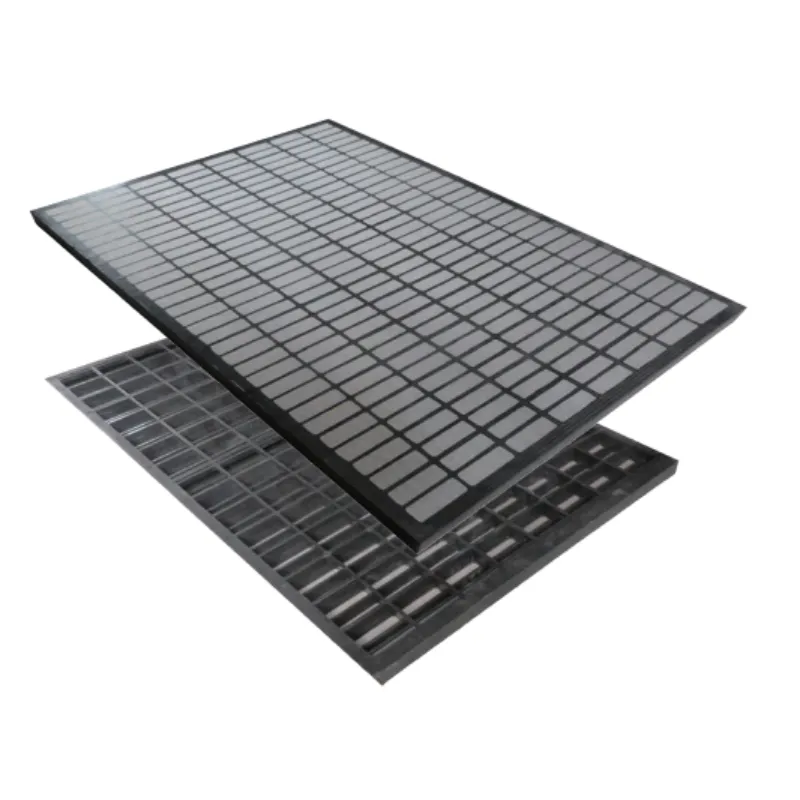
Technical Specifications: Composite Frame Shaker Screen
Understanding the technical parameters is crucial for selecting the right screen for specific drilling applications. Our Composite Frame Shaker Screens are engineered for superior performance. Below are typical specifications for screens produced by a reputable shale shaker screen factory:
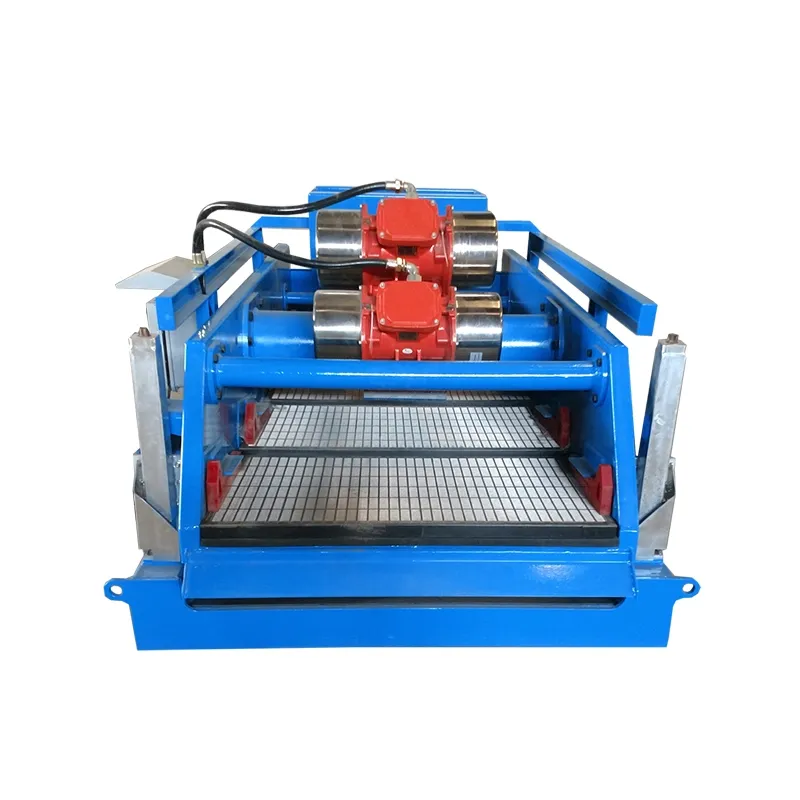
Application Scenarios and Technical Advantages
The versatility and robust design of composite frame shaker screens make them indispensable across various drilling operations. Their technical advantages translate directly into significant operational benefits, ensuring that clients receive maximum value from their investment in quality shale shaker screens for sale.
Typical Application Scenarios:
- Horizontal and Directional Drilling: These high-volume operations often produce large quantities of fine cuttings. Composite screens with high conductance manage this effectively, maintaining optimal mud properties and enhancing ROP (Rate of Penetration).
- Deepwater and Ultra-Deepwater Drilling: Where environmental regulations are stringent, logistical costs are high, and operational reliability is paramount, the extended service life and efficient fluid recovery of these screens significantly reduce waste and operational expenditures.
- High-Temperature/High-Pressure (HTHP) Wells: The superior thermal and chemical stability of composite materials ensures reliable performance under extreme downhole conditions reflected in the returning drilling fluid, preventing screen degradation.
- Workover and Completion Fluids: Precision separation ensures clean fluids for well completion, preventing formation damage and maximizing well productivity.
- Brine and Specialty Fluid Applications: The enhanced chemical resistance of the composite frame and high-grade stainless steel mesh makes these screens ideal for separating solids from corrosive brine or other specialized drilling fluids.
Technical Advantages:
- Enhanced Solids Separation Efficiency: Multi-layer mesh designs provide precise cut points (e.g., D100, D50), effectively removing finer particles and ultrafines while minimizing useful drilling fluid loss. This leads to cleaner drilling mud, improving drilling performance, extending the life of downhole tools, and reducing the need for dilution.
- Extended Service Life: The combination of durable composite frames and high-quality, pre-tensioned stainless steel mesh significantly prolongs screen life compared to traditional steel-framed screens. This is a direct benefit from advanced manufacturing at a leading shale shaker screen factory, leading to reduced replacement costs and less downtime.
- Superior Corrosion and Chemical Resistance: Composite materials are largely impervious to most drilling chemicals, including those found in water-based and oil-based muds, and highly resistant to corrosive elements like H2S and chlorides. This extends screen life in aggressive environments where steel frames would quickly degrade.
- Reduced Blinding and Plugging: Optimized mesh patterns and higher conductance, along with the flexible nature of composite frames, help prevent solids from accumulating and plugging the screen surface (blinding), maintaining consistent fluid throughput and reducing the need for manual cleaning or screen washing.
- Lower Operating Noise and Vibration: The inherent vibration-dampening properties of composite frames contribute to a quieter operation and reduced mechanical stress on the shale shaker itself, prolonging equipment life and improving working conditions.
- Energy Saving and Cost Efficiency: More efficient solids-liquid separation means less energy is spent reconditioning mud, and improved fluid recovery reduces the need for fresh mud additives. This leads to overall operational cost reductions, energy savings, and a smaller environmental footprint.
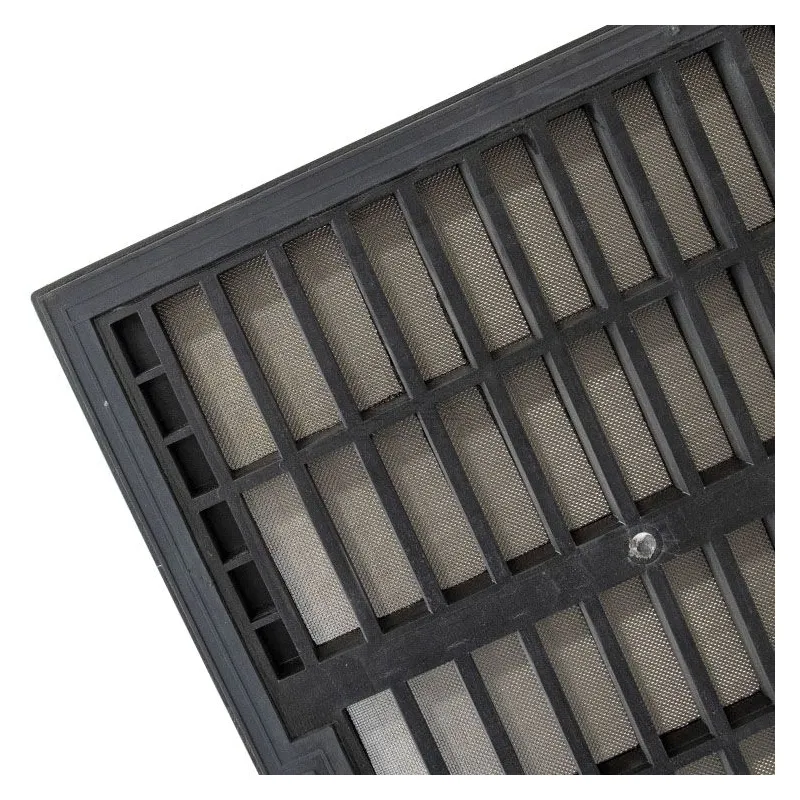
Vendor Comparison: Choosing Your Shale Shaker Screen Supplier
When sourcing shale shaker screens for sale, selecting the right shale shaker screen supplier is as critical as the product itself. The market offers a range of options, but discerning buyers focus on value, reliability, and robust support. Here's a comparative overview of what to look for when evaluating potential partners:
Choosing a reputable shale shaker screen factory that emphasizes R&D, stringent quality control, and customer-centric solutions translates to significant long-term savings, enhanced operational efficiency, and a competitive edge for drilling contractors.
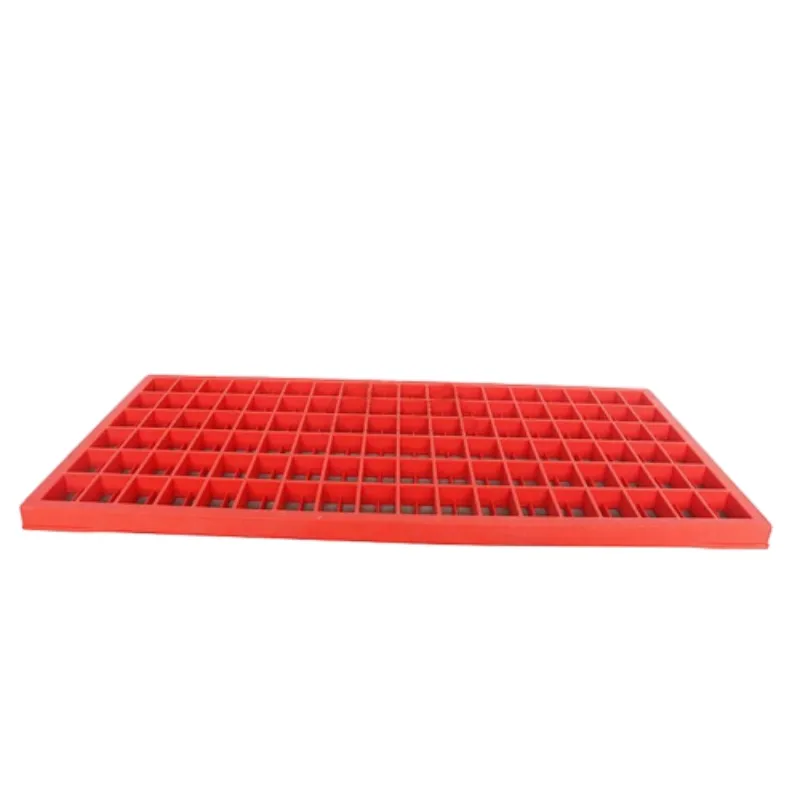
Customized Solutions and Application Case Studies
The dynamic nature of drilling operations often demands more than off-the-shelf products. A leading shale shaker screen factory offers bespoke solutions tailored to unique geological challenges, drilling fluid chemistries, and specific shaker equipment types, ensuring optimal performance in every scenario.
Customization Capabilities:
- Specific Shaker Compatibility: Designing and manufacturing screens to perfectly fit a wide array of shaker models from major OEMs (e.g., Brandt, Derrick, MI Swaco, NOV) and even older or specialized units, ensuring maximum effective screening area.
- Optimized Mesh Selection: Tailoring mesh combinations (number of layers, specific API numbers, weave patterns) to achieve precise cut points and optimal fluid recovery rates for specific drilling programs, mud systems (WBM, OBM, SBM), or formation types.
- Material Enhancements: Utilizing specialized steel alloys (e.g., duplex stainless steel) or custom composite formulations for extreme temperature resistance, enhanced corrosion resistance, or superior abrasion performance based on anticipated well conditions. This extends the life of the shale shaker screen material in harsh environments.
- Operational Environment Adaptations: Providing screens specifically designed for arctic conditions (enhanced cold resistance and flexibility) or tropical environments (superior anti-blinding properties for sticky clays and humid conditions).
Application Case Studies: Experience in Action
Case Study 1: Enhanced Solids Control in Unconventional Shale Play
Client: Major independent oil and gas operator in the Permian Basin, known for extensive horizontal drilling programs.
Challenge: High drilling rates in abrasive shale formations led to rapid screen wear (average 250 hours service life) and excessive drilling fluid loss with conventional steel-framed screens. Frequent downtime for screen changes was significantly impacting operational efficiency and mud costs.
Solution: Collaborated with the client to deploy customized Composite Frame Shaker Screens (API 120, 3-layer design) directly from our shale shaker screen factory. The screens featured an advanced polyurethane composite frame and optimized mesh tensioning to withstand high G-forces and abrasive cuttings.
Results: Screen service life increased by an average of 65% (from 250 operating hours to over 410 hours), drastically reducing replacement frequency. A verifiable mud loss reduction of 15% was observed, leading to substantial savings on drilling fluid costs (estimated $50,000 per well). The client reported a 10% improvement in overall drilling efficiency due to reduced screen changes and consistently better mud properties, demonstrating the value of high-quality shale shaker screens for sale.
Case Study 2: Deepwater Exploration in West Africa
Client: International drilling contractor operating a semi-submersible rig in a remote deepwater basin.
Challenge: Extremely corrosive deepwater drilling fluids (high salinity, H2S presence) and the high cost and logistical complexity of screen replacements in a remote offshore location. Needed screens with exceptional chemical resistance and extended durability.
Solution: Supplied custom-engineered Composite Frame Shaker Screens utilizing AISI 316L stainless steel mesh for enhanced corrosion resistance and a specialized, chemically inert composite polymer frame, designed specifically to withstand the harsh chemical environment. This was a custom order directly from our shale shaker screen factory after thorough material compatibility testing.
Results: Achieved a 40% reduction in screen consumption over a 6-month drilling campaign compared to previous suppliers. The screens demonstrated superior integrity and operational life in the corrosive environment, significantly extending intervals between change-outs and reducing logistics overhead by nearly 20% (over $100,000 in saved transportation and handling costs). This case exemplifies the long-term cost benefits of a premium shale shaker screen supplier.
These case studies highlight the tangible benefits of partnering with a sophisticated shale shaker screen factory capable of delivering both high-quality standard products and precisely engineered customized solutions that solve real-world drilling challenges.
Ensuring Trust: Certifications, Warranty, and Support
Building trust in the B2B sector requires demonstrable quality, transparent processes, and unwavering support. As a professional shale shaker screen factory, we prioritize these aspects to provide complete peace of mind to our global clients.
Authoritative Certifications & Partnerships:
- ISO 9001:2015 Certified: Our entire manufacturing operation adheres to the highest international standards for quality management systems, ensuring consistent product excellence and continuous improvement.
- API RP 13C Compliant: All our screens are meticulously manufactured and rigorously tested in accordance with the American Petroleum Institute's Recommended Practice 13C (6th Edition) for shaker screen testing, ensuring accurate and verifiable API designations (e.g., API 100, API 200) for screen performance.
- Strategic Partnerships: We engage in active collaborations with leading drilling contractors and equipment manufacturers for co-development, extensive field testing, and product validation, ensuring our screens perform optimally under the most challenging real-world conditions. Our long-standing relationships with global energy companies (e.g., over 15 years of continuous service to key clients in the Middle East, North America, and Southeast Asia) attest to our reliability and proven track record.
Lead Time & Fulfillment:
Understanding the critical nature and urgency of drilling operations, we maintain highly efficient production and logistics chains. Standard orders for common API sizes typically have a lead time of 7-14 business days from order confirmation. Customized solutions or large-volume orders may require 3-4 weeks, subject to specific material availability and complex design requirements. We offer global shipping capabilities and partner with trusted, experienced freight forwarders to ensure timely, secure, and cost-effective delivery to your operational sites worldwide.
Warranty Commitments:
We stand firmly behind the quality and craftsmanship of every screen leaving our shale shaker screen factory. Our Composite Frame Shaker Screens come with a standard 6-month warranty against manufacturing defects and premature failure under normal operating conditions. This warranty period is a testament to our confidence in our product's durability and superior performance. Detailed warranty terms and conditions are transparently provided with every quotation and order confirmation, outlining our commitment to customer satisfaction.
Customer Support & After-Sales Service:
Our commitment extends well beyond the point of delivery. We provide comprehensive, responsive after-sales support, which includes:
- Technical Consultation: Our dedicated team of experienced engineers is available 24/7 to advise on optimal screen selection, troubleshoot operational challenges, and assist in fine-tuning solids control systems for maximum efficiency.
- On-Site Support: For major projects, complex installations, or persistent performance issues, we can dispatch highly qualified technical personnel to provide on-site assistance, training for rig crews, and detailed performance analysis.
- Performance Monitoring & Optimization: We assist clients in establishing robust systems for monitoring screen performance, tracking wear rates, and analyzing fluid characteristics to identify areas for continuous improvement and operational optimization.
- Continuous Feedback Loop: We actively solicit and value customer feedback, integrating insights and field data into our R&D process to continuously improve our products and services, ensuring our offerings remain at the cutting edge of solids control technology.
Frequently Asked Questions (FAQ)
Q1: What is the primary advantage of a composite frame shaker screen over a steel frame?
A1: Composite frames are significantly lighter, inherently more resistant to corrosion and chemical degradation, and offer superior vibration dampening. This translates to extended service life, reduced operational noise, and less mechanical stress on the shale shaker itself, ultimately lowering overall drilling costs and reducing screen inventory for any discerning shale shaker screen supplier.
Q2: How do your screens comply with API RP 13C?
A2: All our screens undergo rigorous testing in accordance with API RP 13C standards for mesh separation. This includes precise measurement of D100 and D50 cut points, as well as non-blanked screen area, ensuring accurate API designations and predictable solids control performance. Our shale shaker screen factory maintains strict adherence to these industry benchmarks, providing verifiable test data upon request.
Q3: Can these screens be used with any shale shaker model?
A3: We offer a comprehensive range of screens designed to be fully interchangeable with most major shale shaker models, including Brandt, Derrick, MI Swaco, and NOV. We also provide customized solutions for specific or older shaker units. When inquiring about shale shaker screens for sale, please provide your shaker make and model for precise compatibility information and recommendations.
Q4: What's the typical lead time for a large order of composite shaker screens?
A4: For large volume or highly customized orders, the typical lead time is 3-4 weeks. However, we always encourage direct communication with our sales and logistics team to get an exact timeline tailored to your specific requirements and our current production schedule, ensuring efficient planning for your operations.
Q5: How do your screens contribute to environmental sustainability?
A5: Our screens contribute to environmental sustainability by maximizing drilling fluid recovery (reducing waste volume by up to 20%). Their significantly extended service life also means fewer screens are consumed and disposed of, minimizing landfill burden and the carbon footprint associated with manufacturing and transport. The durability of our shale shaker screens for sale directly translates to a smaller environmental impact for drilling operations.
Partner with a Leader in Solids Control Technology
Choosing the right shale shaker screen supplier is a strategic decision that profoundly impacts operational efficiency, cost management, and environmental compliance. Our unwavering commitment to advanced manufacturing, rigorous quality control, and unparalleled customer support positions us as a trusted partner for your most demanding drilling needs. We invite you to explore our comprehensive range of Composite Frame Shaker Screens and discover the profound difference precision engineering and dedicated service can make for your operations.
References
- 1. American Petroleum Institute. (2019). API Recommended Practice 13C: Recommended Practice on Drilling Fluid Processing Equipment Evaluation. 6th Edition.
- 2. ISO (International Organization for Standardization). (2015). ISO 9001:2015: Quality management systems – Requirements.
- 3. Cuttings Management: Understanding the Lifecycle of Drill Solids. (2021). Journal of Petroleum Technology, Society of Petroleum Engineers.
- 4. Advances in Polymer Composites for Harsh Environment Applications. (2020). Materials Science and Engineering Journal.
- 5. Environmental Impact of Drilling Fluids and Solids Control Optimization. (2022). Environmental Science & Technology.
-
The Ultimate Guide to Choosing a French Drain Grate CoverNewsApr.16,2026
-
Ultimate Guide to Durable Metal Channel Drain Grates for DrainageNewsApr.09,2026
-
Driveway Channel Drain Grate Systems for Effective Water ManagementNewsApr.07,2026
-
Comprehensive Guide to Durable Cast Iron Trench Drain Covers for Various ApplicationsNewsApr.04,2026
-
Comprehensive Guide to Driveway Storm Drain Grates for Optimal Water ManagementNewsMar.31,2026
-
Comprehensive Guide to Durable Steel Driveway Grates for Enhanced DrainageNewsMar.28,2026