- Industrial zone, South of Anping Town, Hengshui, Hebei, China.
- sales@hfpetromesh.com
- +86-18931809706
High-Quality Metal Grating For Sale - Various Steel Types
Strategic Procurement of High-Performance Industrial Grating
In industrial and commercial infrastructure projects, the selection of appropriate flooring, walkways, and platforms is critical for operational efficiency, safety, and longevity. The market for specialized metal grating for sale demands rigorous evaluation of material properties, manufacturing processes, and adherence to international performance standards. This comprehensive guide is tailored for B2B decision-makers and engineers seeking advanced grating solutions that withstand harsh environments and heavy-duty applications.
The increasing complexity of industrial facilities across sectors like petrochemical, energy, mining, and water treatment necessitates robust, durable, and safe access systems. Therefore, organizations looking to buy steel grating must consider factors beyond initial cost, focusing on attributes such as load-bearing capacity, corrosion resistance, slip resistance, and ease of maintenance. Understanding the various types of steel grating available, and specifically the technical advantages of advanced fabrication methods, is paramount to making an informed investment. We aim to provide detailed insights into Swage-Locked Steel Grating, a superior choice for critical applications.
Current Industry Trends and Market Evolution
The global industrial grating market is evolving rapidly, driven by technological advancements, stricter safety regulations, and a demand for more sustainable and efficient materials. Key trends influencing the demand for metal grating for sale include a pronounced shift towards high-strength, lightweight materials that reduce structural load without compromising performance. Innovations in anti-corrosion treatments, such as advanced galvanization techniques and specialized coatings, are extending product lifespans in aggressive environments.
Furthermore, the integration of automation and precision engineering in manufacturing processes, including CNC laser cutting and robotic welding (though less relevant for swage-locked, it reflects general industry advancement), ensures greater dimensional accuracy and consistency. There is also a significant trend towards modular and customized grating systems, allowing for faster installation and reduced on-site fabrication. This focus on bespoke solutions, coupled with comprehensive engineering support, is becoming a hallmark of leading suppliers in the industrial grating sector, catering to the unique requirements of complex projects and optimizing overall project lifecycle costs.
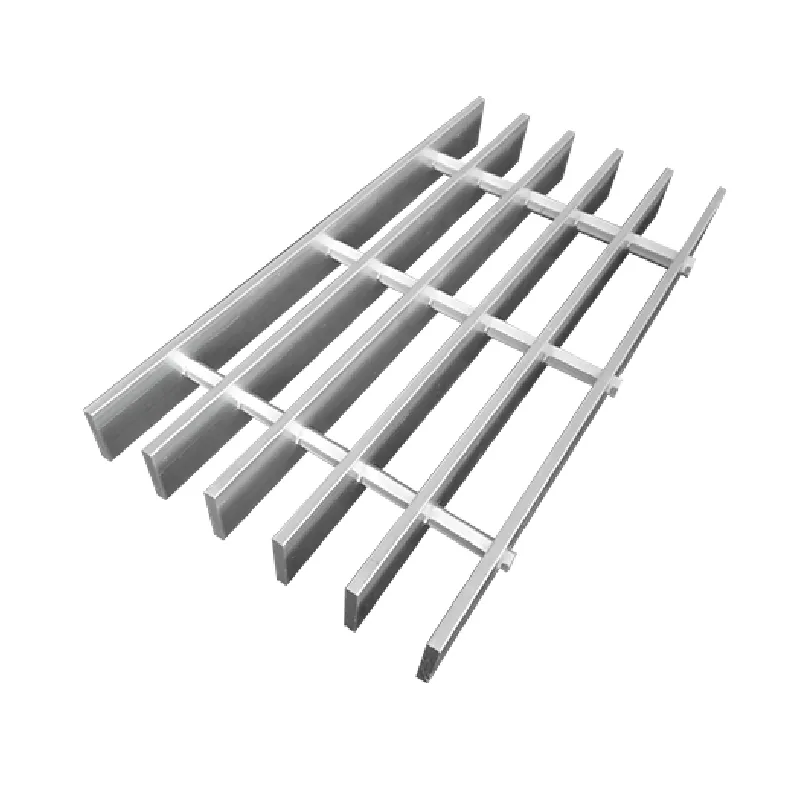
Detailed Manufacturing Process of Swage-Locked Steel Grating
The production of Swage-Locked Steel Grating is a testament to precision engineering, designed to create a product of exceptional strength and durability. Unlike welded or press-locked grating, the swage-locking method mechanically fuses the bearing bars and cross rods, resulting in a monolithic structure highly resistant to vibration and fatigue. Below is a detailed breakdown of this advanced manufacturing process.
1. Raw Material Sourcing and Inspection
The process begins with the selection of high-grade raw materials. For carbon steel grating, typically ASTM A36 or Q235/Q345 structural steel is sourced from certified mills, ensuring consistent metallurgical properties, yield strength, and tensile strength. Stainless steel (AISI 304, 316, 316L) is chosen for applications requiring superior corrosion and chemical resistance. All incoming materials undergo stringent inspection for dimensional accuracy, chemical composition, and mechanical properties to meet or exceed industry standards like ASTM, JIS, or EN.
2. Bearing Bar Preparation and Slotting
Bearing bars, which carry the primary load, are precisely cut to length. Subsequently, uniform slots are mechanically punched or cut into the top edge of these bearing bars at predefined intervals. This step is critical, as the precision of these slots directly impacts the alignment and locking mechanism of the cross rods, ensuring the uniform mesh pattern and structural integrity of the final grating panel. Advanced CNC machinery is employed to guarantee minimal tolerance and consistent slot geometry.
3. Cross Rod Insertion and Cold Swaging
Twisted square cross rods, pre-cut to specific lengths, are then inserted into the slots of the bearing bars. The defining step of swage-locking involves a high-pressure cold-forming process where specialized dies hydraulically press and deform the bearing bars around the twisted cross rods. This mechanical interlock creates a permanent, non-welded joint that eliminates the potential for weld-related stress concentrations or failures. The twisted profile of the cross rods further enhances the grip and overall rigidity, contributing significantly to slip resistance. This method ensures exceptional dimensional stability and uniform load transfer.
Simplified process steps are as follows:
- Material Acquisition: High-grade steel (ASTM A36/Q235) for bearing bars and twisted cross rods.
- Precision Cutting: Bearing bars and cross rods cut to required dimensions.
- Slotting: Bearing bars are precisely slotted using CNC equipment.
- Rod Insertion: Twisted cross rods are manually or automatically inserted into slots.
- Hydraulic Swaging: High-pressure cold deformation locks cross rods into bearing bars.
- Panel Fabrication: Large panels are cut to customer-specified sizes, edge bands welded if needed.
- Surface Treatment: Hot-dip galvanization (ASTM A123) or other protective coatings applied.
- Final Quality Control: Comprehensive inspection and testing for load, dimensions, and coating.
4. Finishing Operations: Cutting, Edging, and Notching
After the swaging process, large grating sheets are custom-cut to the precise dimensions specified in project drawings. This involves plasma cutting or abrasive saw cutting. Where required, edge banding is applied by welding flat bars to the perimeter of the cut panels, providing additional rigidity, improving aesthetics, and enhancing safety. Any specific notching or cut-outs for pipes, columns, or equipment are performed at this stage with high accuracy.
5. Surface Treatment for Enhanced Performance
For metal grating for sale, particularly those made from carbon steel, surface protection is paramount for extending service life in corrosive industrial environments. Hot-dip galvanization is the industry standard, adhering to ASTM A123/A123M or ISO 1461. This process involves thoroughly cleaning the steel and immersing it in a bath of molten zinc at approximately 450°C. A metallurgical bond forms between the steel and zinc, creating a durable, sacrificial coating that offers superior long-term corrosion resistance. For stainless steel grating, treatments may include pickling and passivation for optimal performance.
6. Rigorous Quality Assurance and Testing
Throughout all stages, stringent quality control protocols are implemented. Final product testing includes:
- Load-Deflection Testing: Panels are subjected to specified static and dynamic loads to verify compliance with design load tables (e.g., ANSI/NAAMM MBG 531, BS 4592).
- Dimensional Verification: Using precision measuring tools to ensure all critical dimensions, bar spacing, and panel squareness meet specifications.
- Coating Thickness Measurement: For galvanized grating, non-destructive testing (NDT) methods like magnetic induction are used to confirm zinc coating thickness, ensuring full compliance with ASTM A123.
- Visual Inspection: Thorough checks for surface defects, proper finish, and overall craftsmanship.
This meticulous manufacturing and testing regimen ensures a service life of 25-30 years or more under typical industrial conditions for hot-dip galvanized swage-locked grating, providing excellent value for target industries such as petrochemical, metallurgy, power generation, and water supply & drainage. The robust design offers advantages in energy saving through natural light penetration and ventilation, and superior corrosion resistance.
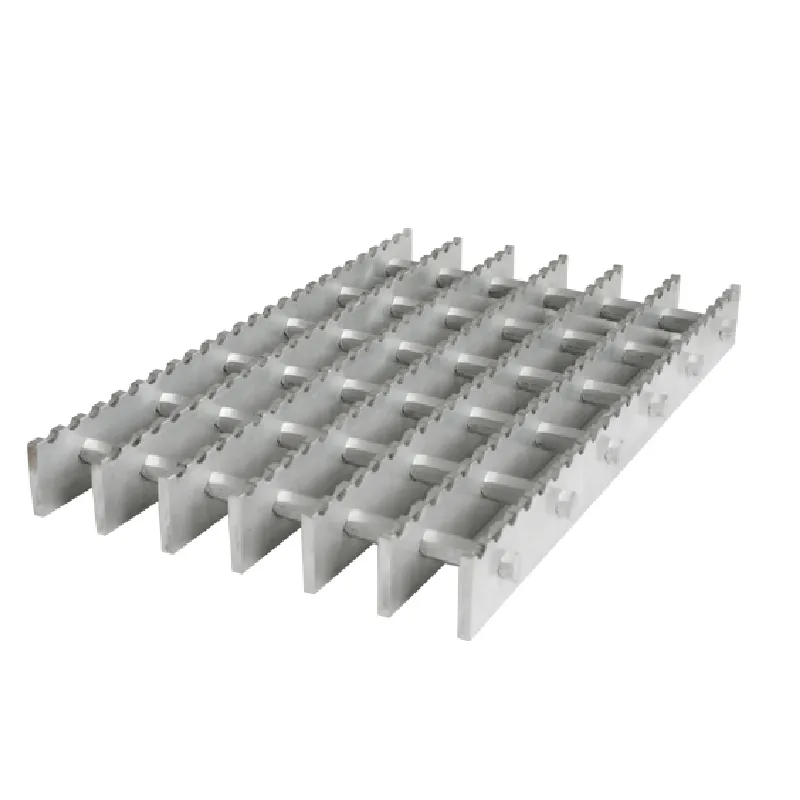
Technical Specifications and Performance Parameters
For engineers and procurement specialists, understanding the precise technical specifications of industrial grating is fundamental to ensuring structural integrity, operational safety, and compliance with project standards. Swage-locked steel grating is engineered to offer superior performance characteristics, making it suitable for high-demand applications.
Critical Technical Parameters:
- Material Composition: Specifies the grade of steel used, such as ASTM A36 for structural carbon steel, or AISI 304/316 for stainless steel, defining mechanical properties and corrosion resistance.
- Bearing Bar Dimensions (Height x Thickness): Directly influences the grating's load-bearing capacity and span capabilities. Common dimensions range from 25x3mm up to 100x10mm.
- Bearing Bar Pitch: The center-to-center distance between adjacent bearing bars (e.g., 30mm, 40mm, 60mm). This affects load distribution, open area, and small object fall-through prevention.
- Cross Rod Pitch: The center-to-center distance between cross rods (e.g., 50mm, 100mm). This parameter impacts lateral stability and load transfer.
- Surface Configuration: Options include plain (smooth) for general applications or serrated for enhanced slip resistance in wet, oily, or icy conditions, adhering to standards like AS 1657.
- Surface Treatment: Specifies the protective coating, predominantly hot-dip galvanization (ASTM A123), offering a durable zinc layer for corrosion protection. Other options include mill finish (for stainless steel), painting, or specialized coatings.
- Panel Dimensions: Available in standard manufacturing sizes (e.g., 6000x1000mm) or precision-fabricated to custom project requirements.
- Load Rating: The maximum uniform or concentrated load the grating can support over a given span, calculated according to standards such as ANSI/NAAMM MBG 531.
Illustrative Product Specifications: Swage-Locked Carbon Steel Grating (Hot-Dip Galvanized)
| Parameter | Description | Standard Values/Range | Compliance Standard |
|---|---|---|---|
| Material | Structural Carbon Steel | ASTM A36, Q235, Q345 | ASTM A36/A36M, GB/T 700 |
| Bearing Bar Height | Depth of the load-carrying bar | 25mm - 150mm (1" - 6") | ANSI/NAAMM MBG 531 |
| Bearing Bar Thickness | Width of the load-carrying bar | 3mm - 12mm (1/8" - 1/2") | ANSI/NAAMM MBG 531 |
| Bearing Bar Pitch | Spacing of bearing bars (center-to-center) | 30mm, 40mm, 60mm (1-3/16", 1-1/2", 2-3/8") | ANSI/NAAMM MBG 531 |
| Cross Rod Pitch | Spacing of cross rods (center-to-center) | 50mm, 100mm (2", 4") | ANSI/NAAMM MBG 531 |
| Surface Type | Top surface profile for traction | Plain (smooth) or Serrated (anti-slip) | AS 1657 (for slip resistance) |
| Surface Treatment | Corrosion protection method | Hot-dip Galvanized | ASTM A123/A123M, ISO 1461 |
| Max Load Capacity | Maximum allowable uniform load (dependent on span) | Up to 200 kN/m² for heavy-duty (e.g., 60x5mm, 1.0m span) | BS 4592, OSHA |
These specifications are crucial when selecting metal grating for sale to ensure the product meets structural demands, environmental conditions, and safety regulations of any given project.
Versatile Application Scenarios and Target Industries
The inherent strength, safety features, and durability of swage-locked steel grating make it an indispensable component across a broad spectrum of industrial and public infrastructure projects. Its adaptability allows for effective deployment in environments ranging from highly corrosive chemical plants to high-traffic public areas.
Primary Target Industries:
- Petrochemical and Oil & Gas: Critical for walkways, platforms, and stair treads on offshore drilling rigs, refineries, chemical processing units, and pipeline access points. The corrosion resistance of galvanized or stainless steel grating is vital in these chemically aggressive and often maritime environments.
- Power Generation: Used extensively in thermal, nuclear, and hydroelectric power plants for boiler access, turbine hall flooring, cooling tower maintenance platforms, and general service walkways, providing robust and safe access over machinery.
- Metallurgy and Mining: In smelters, foundries, mineral processing plants, and mining operations, heavy-duty carbon steel grating provides durable flooring for heavy equipment access, conveyor systems, and areas with abrasive materials, where high impact resistance is required.
- Water and Wastewater Treatment: Essential for filtration beds, clarifier platforms, trench covers, and pedestrian walkways within municipal water treatment plants and sewage facilities. The open mesh design facilitates drainage and ventilation while resisting corrosion from constant moisture and chemicals.
- Manufacturing and Automotive: Utilized for elevated work platforms, mezzanines, gangways, and equipment service areas in heavy manufacturing plants, automotive assembly lines, and general industrial facilities, providing safe and robust working surfaces.
- Marine and Shipbuilding: Ideal for ship decks, engine room platforms, dock walkways, and port facilities due to its high load capacity and excellent resistance to saltwater corrosion when specified as galvanized or stainless steel.
Typical Application Scenarios:
- Industrial Walkways and Platforms: Providing safe and durable pathways and elevated work zones for personnel access and light equipment movement.
- Stair Treads: Fabricated with non-slip nosings and robust end plates, ensuring secure footing on industrial staircases.
- Trench and Gully Covers: Protecting underground utilities and drainage systems while allowing easy inspection and maintenance.
- Mezzanine Flooring: Creating additional usable space within warehouses and industrial buildings, optimizing facility layouts.
- Catwalks and Access Bridges: Connecting different sections of large industrial complexes or providing access over hazardous areas.
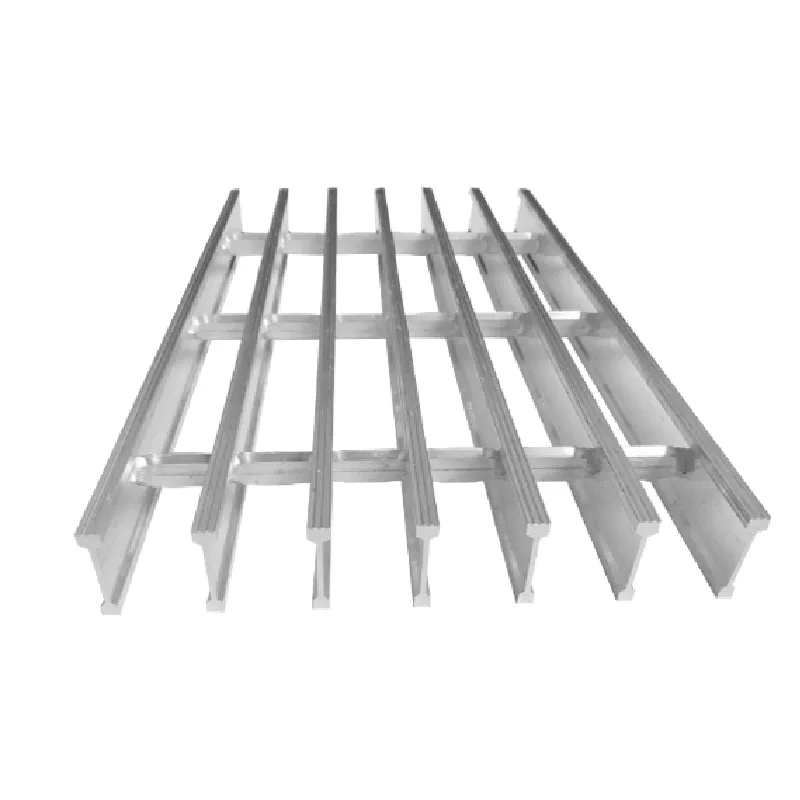
The comprehensive range of customization options, from material selection to bar configurations and finishes, allows swage-locked grating to be tailored precisely to the unique demands of each application, ensuring optimal performance and safety standards are met.
Technical Advantages and Performance Benefits
Choosing swage-locked steel grating provides a distinctive array of technical advantages that translate into significant long-term benefits for industrial projects. These advantages address critical concerns such as structural integrity, safety, and maintenance costs, making it a superior choice among types of steel grating.
- High Strength-to-Weight Ratio: The mechanical interlock created by the swaging process results in an incredibly rigid and strong panel structure without excessive weight. This allows for lighter supporting structures and easier installation, reducing overall project costs.
- Enhanced Load Distribution: The permanent mechanical bond between the bearing bars and cross rods ensures that concentrated loads are efficiently distributed across a wider area of the grating panel. This minimizes localized stress and enhances the overall load-bearing capacity and resilience of the system.
- Superior Corrosion Resistance: When hot-dip galvanized, swage-locked carbon steel grating offers unparalleled protection against rust and environmental degradation. The absence of welding means no heat-affected zones that could compromise the integrity of the base metal, ensuring a uniform and highly effective zinc coating that significantly extends the product's service life.
- Exceptional Slip Resistance: Especially with serrated bearing bars and the twisted profile of the cross rods, swage-locked grating provides an optimal coefficient of friction. This makes it an ideal solution for areas prone to wetness, oil spills, or icy conditions, drastically reducing the risk of slips and falls in critical industrial environments.
- Optimized Drainage and Ventilation: The open mesh design facilitates rapid drainage of liquids, preventing standing water and debris accumulation. It also allows for excellent airflow and light penetration, contributing to better ventilation and natural illumination within industrial facilities, which can indirectly lead to energy savings by reducing reliance on artificial lighting and mechanical ventilation.
- Minimal Welding Distortion: As the primary connection is mechanical, the problems associated with heat-induced distortion common in welded gratings are virtually eliminated. This results in flatter, more consistent panels with superior aesthetic appeal and easier, more precise installation.
- Long-Term Durability and Low Maintenance: The robust construction and effective corrosion protection ensure that swage-locked grating withstands continuous heavy traffic, impact, and harsh chemical exposures over several decades, significantly reducing the need for frequent maintenance or replacement.
These cumulative advantages make swage-locked grating a highly cost-effective and safety-conscious investment for any industrial application demanding the highest levels of performance and reliability.
Vendor Comparison and Selection Criteria for Metal Grating
The process of acquiring industrial grating necessitates a thorough evaluation of potential vendors. Selecting the right supplier for metal grating for sale is not merely about competitive pricing, but about securing a partner who can deliver consistent quality, technical expertise, and reliable service. This section outlines key factors for effective vendor comparison.
Key Evaluation Criteria for Grating Suppliers:
- Proven Experience and Reputation: Prioritize manufacturers with extensive experience (e.g., over 20 years) in the grating industry, demonstrating a track record of successful projects and client satisfaction.
- Quality Certifications and Compliance: Ensure the vendor adheres to international quality management standards (e.g., ISO 9001) and product-specific standards like ANSI/NAAMM MBG 531 for grating and ASTM A123/A123M for hot-dip galvanization.
- Material Traceability: The ability to trace raw materials back to their origin provides assurance of quality and compliance, especially for critical applications involving carbon steel grating or stainless steel.
- Engineering and Customization Capabilities: A leading vendor should offer robust engineering support, including load calculations, design optimization, and the flexibility to provide custom sizes, shapes, and finishes tailored to unique project specifications.
- Manufacturing Capacity and Lead Times: Evaluate the manufacturer's ability to handle the required volume and deliver within project timelines, with transparent lead time commitments.
- Logistics and Global Reach: Assess their capability for efficient, secure, and cost-effective shipping to your project location, whether domestic or international.
- After-Sales Support and Warranty: A strong warranty program and responsive customer service are indicators of a manufacturer's commitment to their product and client success.
Comparison of Swage-Locked vs. Other Common Grating Types
| Feature | Swage-Locked Grating | Welded Grating | Press-Locked Grating |
|---|---|---|---|
| Joint Construction | Cold-formed mechanical interlock | Resistance welding at intersections | High-pressure friction-fit (no welding) |
| Rigidity & Strength | Exceptional; excellent load distribution | Very good; strong weld points | Good; more suitable for lighter loads or aesthetics |
| Dimensional Accuracy | High; minimal distortion from manufacturing | Good; potential for minor weld distortion | Very high; precise bar alignment |
| Corrosion Vulnerability | Very low; no heat-affected zones to compromise galvanization | Low; weld areas may require extra attention for coating integrity | Very low; no welds |
| Aesthetic Appeal | Clean, uniform, superior finish | Functional, visible weld points | Excellent, smooth, clean lines |
| Typical Applications | Heavy-duty industrial, high traffic, corrosive environments | General industrial, commercial, cost-effective standard uses | Architectural, light-duty, aesthetic-driven projects |
This comparison highlights why swage-locked grating often represents the optimal balance of strength, durability, and corrosion resistance for demanding industrial applications, offering superior performance where safety and longevity are paramount.
Customized Solutions and Expert Engineering Support
The complexity of modern industrial projects often requires more than off-the-shelf solutions. Leading manufacturers of metal grating for sale provide extensive customization options and dedicated engineering support to ensure that every grating system is precisely tailored to the unique demands of each application. This bespoke approach maximizes operational efficiency, enhances safety, and integrates seamlessly with existing infrastructure.
Our Customization Capabilities Include:
- Precision Fabrication: Production of panels in any specified length, width, and shape, including intricate cut-outs for pipe penetrations, access points, column wraps, and non-standard geometries.
- Tailored Load Capacities: Engineering and design of grating systems to meet specific static and dynamic load requirements, accounting for foot traffic, heavy equipment, and vehicular loads. This involves optimizing bearing bar dimensions and spacing.
- Material and Finish Optimization: Expert guidance on selecting the most appropriate material (e.g., specific grades of carbon steel grating, stainless steel, or aluminum) and surface treatment (e.g., hot-dip galvanized, painted, electro-polished) to combat corrosive environments, extreme temperatures, or unique aesthetic requirements.
- Integrated Safety Features: Custom integration of kick plates (toe plates), specialized nosings for stair treads, hinged panels for access, and robust fixing clips to meet specific safety regulations and operational needs.
- Design and Consulting Services: Our experienced engineering team works collaboratively with clients, utilizing advanced CAD/CAM software to develop detailed shop drawings, perform structural analysis, and provide expert recommendations from the initial concept phase through to final installation. This ensures optimal design and seamless integration.
This commitment to customized solutions and comprehensive engineering support differentiates a mere supplier from a strategic partner, ensuring that your investment in grating solutions yields maximum performance and long-term value.
Application Case Studies: Proving Reliability in Practice
The true measure of any industrial product lies in its performance in real-world scenarios. Our swage-locked steel grating has been deployed in numerous demanding projects globally, demonstrating exceptional durability and reliability. These case studies highlight the practical benefits and successful implementation of our high-quality grating solutions.
Case Study 1: Major Refinery Expansion Project, Southeast Asia
A large-scale refinery expansion in a challenging coastal environment required extensive elevated walkways, access platforms, and stairways. The project demanded grating with superior corrosion resistance against saline air and petrochemical exposure, coupled with exceptional load-bearing capacity for heavy maintenance traffic and equipment. We supplied over 20,000 square meters of hot-dip galvanized carbon steel grating (ASTM A36, 40x5mm bearing bars, 30mm pitch, serrated surface). Our engineering team collaborated closely with the client to design custom panel layouts with integral toe plates and precise cut-outs for complex pipe runs. The serrated surface significantly enhanced safety on potentially oily and wet surfaces. Feedback indicated that the high precision of the custom panels drastically reduced on-site modification time, contributing to an overall 10% reduction in installation labor costs, and the robust galvanization ensured long-term structural integrity against the harsh environment.
Case Study 2: Offshore Wind Farm Substation Platforms, North Sea
For an offshore substation serving a new wind farm in the North Sea, the primary requirement was for grating that could withstand extreme weather, constant salt spray, and heavy live loads from maintenance personnel and equipment. Stainless steel (AISI 316L) swage-locked grating with a plain finish was specified for all platforms and access ways. The inherently corrosion-resistant properties of 316L, combined with the structural rigidity of swage-locking, provided an ideal solution. Custom-engineered panels were designed to integrate seamlessly with the substation's structural steel framework, including specific lifting points for ease of installation in challenging marine conditions. The project reported zero structural failures or corrosion issues after two years of operation, validating the choice of high-grade stainless steel and robust fabrication method for such critical infrastructure.
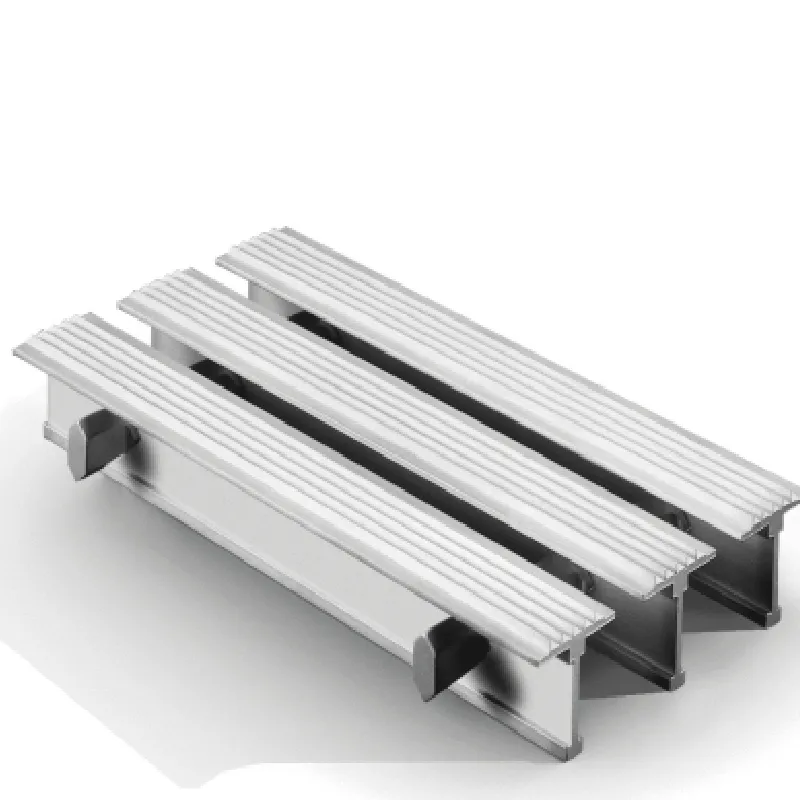
These examples underscore the critical role of expertly manufactured and precisely engineered grating solutions in delivering safe, durable, and cost-effective infrastructure for the world's most demanding industrial environments.
Frequently Asked Questions (FAQ) Regarding Industrial Grating
Q1: What are the primary advantages of swage-locked grating over welded grating?
A1: Swage-locked grating offers superior rigidity and load distribution due to its mechanical interlock, which eliminates potential weaknesses associated with weld points. It also results in flatter, more aesthetically pleasing panels with less distortion and better corrosion resistance after galvanization, as there are no heat-affected zones from welding to compromise the coating.
Q2: How do I select the right material for my grating application?
A2: Material selection depends on the environment. Carbon steel grating, typically hot-dip galvanized, is suitable for most industrial applications requiring high strength and good corrosion resistance. Stainless steel (AISI 304 or 316) is recommended for highly corrosive environments (e.g., chemical processing, marine) or where hygiene is critical. Aluminum offers lightweight properties for applications where weight reduction is crucial.
Q3: What is the expected service life of hot-dip galvanized steel grating?
A3: The service life of hot-dip galvanized steel grating can range from 25 to 50 years or more, depending on the thickness of the zinc coating (typically specified by ASTM A123) and the severity of the atmospheric or chemical exposure. Proper maintenance can further extend its longevity.
Q4: Are custom sizes and shapes for grating panels available?
A4: Yes, custom fabrication is a standard offering from professional grating manufacturers. We can produce panels in bespoke lengths, widths, and complex shapes, including specific cut-outs and notching, to perfectly fit your project's unique architectural or engineering requirements. Detailed CAD drawings are typically required for such custom orders.
Lead Time, Warranty, and Dedicated Customer Support
Lead Time and Order Fulfillment
Our commitment to efficient project delivery is reflected in our streamlined production and logistics. Standard lead times for custom orders of metal grating for sale typically range from 4 to 8 weeks, contingent on order volume, material availability, and current production schedules. For projects with critical deadlines, expedited manufacturing and express shipping options are available upon consultation. We manage a robust global logistics network to ensure reliable, on-time delivery to diverse project locations, providing real-time tracking and comprehensive documentation.
Warranty Commitments
We stand by the superior quality and craftsmanship of our Swage-Locked Steel Grating. All products are backed by a comprehensive 10-year warranty against manufacturing defects and structural integrity failures under normal operating conditions, provided installation and maintenance adhere to industry best practices and our guidelines. This warranty underscores our confidence in the durability and longevity of our grating solutions, offering clients unparalleled peace of mind and protection for their investment.
Dedicated Customer Support and Technical Assistance
Our experienced customer support team and engineering specialists are readily available to provide comprehensive assistance throughout your project lifecycle. From initial product selection and detailed technical specifications to complex load calculations and post-installation inquiries, we offer expert guidance. We provide extensive technical documentation, installation manuals, and responsive communication channels to ensure a smooth and successful experience for every client seeking to buy steel grating solutions that meet the highest industrial standards.
Authoritative References
- ANSI/NAAMM MBG 531-09. (2009). Metal Bar Grating Manual for Steel, Stainless Steel, and Aluminum Grating. National Association of Architectural Metal Manufacturers.
- ASTM A123/A123M-17. (2017). Standard Specification for Zinc (Hot-Dip Galvanized) Coatings on Iron and Steel Products. ASTM International.
- ASTM A36/A36M-19. (2019). Standard Specification for Carbon Structural Steel. ASTM International.
- BS 4592-0:2006+A1:2012. (2012). Flooring, stair treads and handrails for industrial use. Part 0: General arrangements for design, manufacture and installation. British Standards Institution.
- ISO 1461:2022. (2022). Hot-dip galvanized coatings on fabricated iron and steel articles — Specifications and test methods. International Organization for Standardization.
-
The Ultimate Guide to Choosing a French Drain Grate CoverNewsApr.16,2026
-
Ultimate Guide to Durable Metal Channel Drain Grates for DrainageNewsApr.09,2026
-
Driveway Channel Drain Grate Systems for Effective Water ManagementNewsApr.07,2026
-
Comprehensive Guide to Durable Cast Iron Trench Drain Covers for Various ApplicationsNewsApr.04,2026
-
Comprehensive Guide to Driveway Storm Drain Grates for Optimal Water ManagementNewsMar.31,2026
-
Comprehensive Guide to Durable Steel Driveway Grates for Enhanced DrainageNewsMar.28,2026