- Industrial zone, South of Anping Town, Hengshui, Hebei, China.
- sales@hfpetromesh.com
- +86-18931809706
Understanding Channel Drain Grate Cover Types Materials and Applications
Understanding Channel Drain Grate Covers
Effective water drainage is crucial for any property, and a key component of a successful drainage system is the channel drain grate cover. These covers protect the drain while allowing water to flow freely, preventing debris buildup and potential blockages. This article explores the various types, materials, applications, and factors to consider when selecting the right channel drain grate cover for your needs. Investing in a high-quality grate cover ensures long-term drainage system efficiency and minimizes maintenance costs.
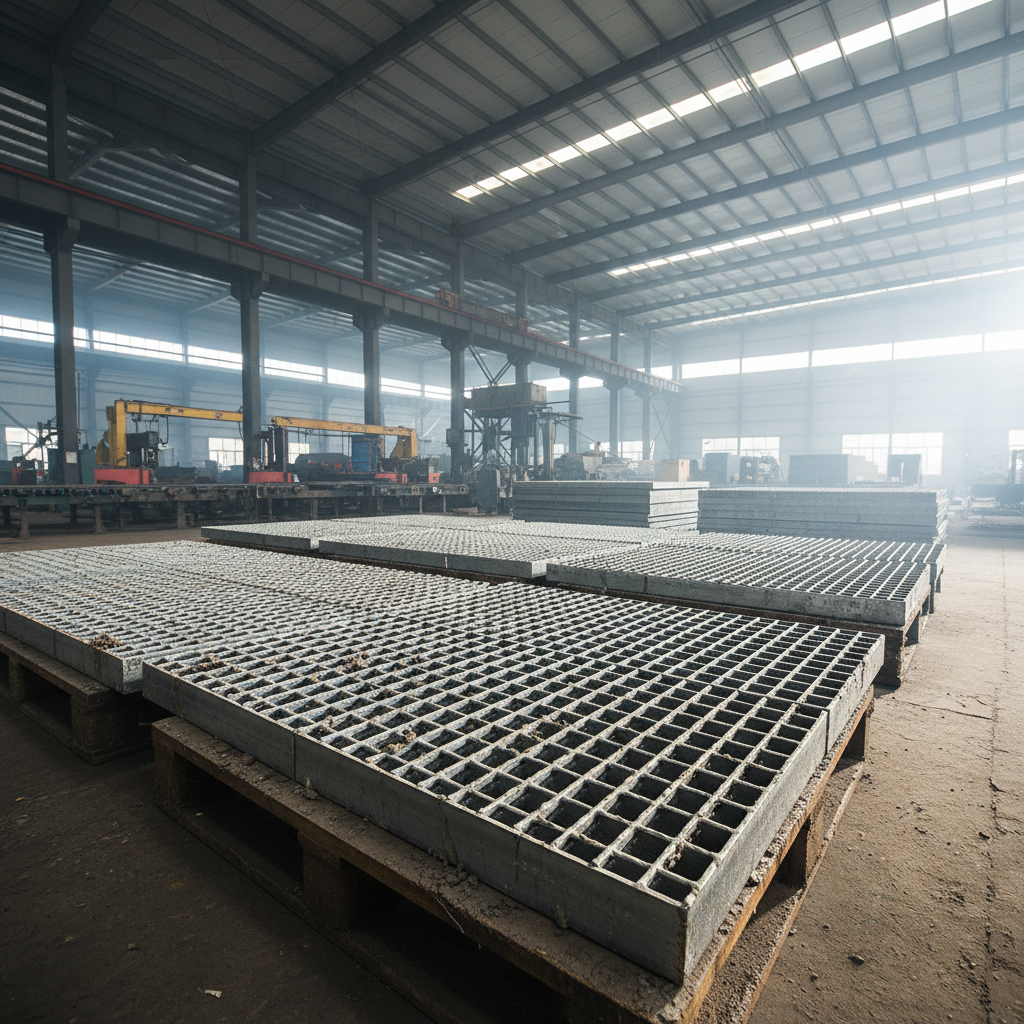
Types of Channel Drain Grate Covers
Channel drain grate covers come in a variety of designs, each suited to different load-bearing requirements and aesthetic preferences. Common types include:
- Slotted Grates: Offer high water flow rates and are ideal for areas with heavy rainfall.
- Mesa Grates: Provide a clean, modern look and offer good drainage capacity.
- Heelproof Grates: Designed with narrow openings to prevent heels from sinking, enhancing pedestrian safety.
- Decorative Grates: Available in various patterns and materials for aesthetic appeal.
Key Takeaway: Selecting the right grate type is pivotal for efficient water flow and ensuring safety based on the environment.
Material Options for Channel Drain Grate Covers
The material of a channel drain grate cover significantly impacts its durability, corrosion resistance, and cost. Common materials include:
- Cast Iron: Strong and durable, suitable for heavy-duty applications.
- Steel: Offers high strength but is prone to corrosion if not properly treated.
- Stainless Steel: Provides excellent corrosion resistance and a sleek appearance.
- Plastic (Polypropylene): Lightweight, cost-effective, and resistant to many chemicals.
- Fiberglass: Strong, lightweight, and corrosion-resistant.
Material Comparison:
• Cast Iron: High strength, good durability.
• Stainless Steel: Excellent corrosion resistance.
• Plastic: Lightweight, cost-effective.
• Fiberglass: Strong, corrosion-resistant, lightweight.
Load-Bearing Capacity and Standards
Channel drain grate covers are rated based on their load-bearing capacity, which is crucial for ensuring safety and preventing damage. Load classes range from A15 (pedestrian traffic) to D400 (heavy vehicle traffic). Selecting a grate cover with the appropriate load class is essential for the intended application. Standards such as EN 1433 govern the testing and classification of these covers. Always verify that the grate cover meets relevant safety standards before installation.
Applications of Channel Drain Grate Covers
Channel drain grate covers are versatile and used in various settings, including:
- Residential Driveways and Patios: Prevent water buildup and protect foundations.
- Commercial Parking Lots: Manage stormwater runoff and maintain safe driving surfaces.
- Swimming Pool Surrounds: Provide effective drainage and enhance safety.
- Landscaping: Prevent erosion and direct water flow in gardens and pathways.
- Industrial Facilities: Handle heavy water volumes and resist corrosion.
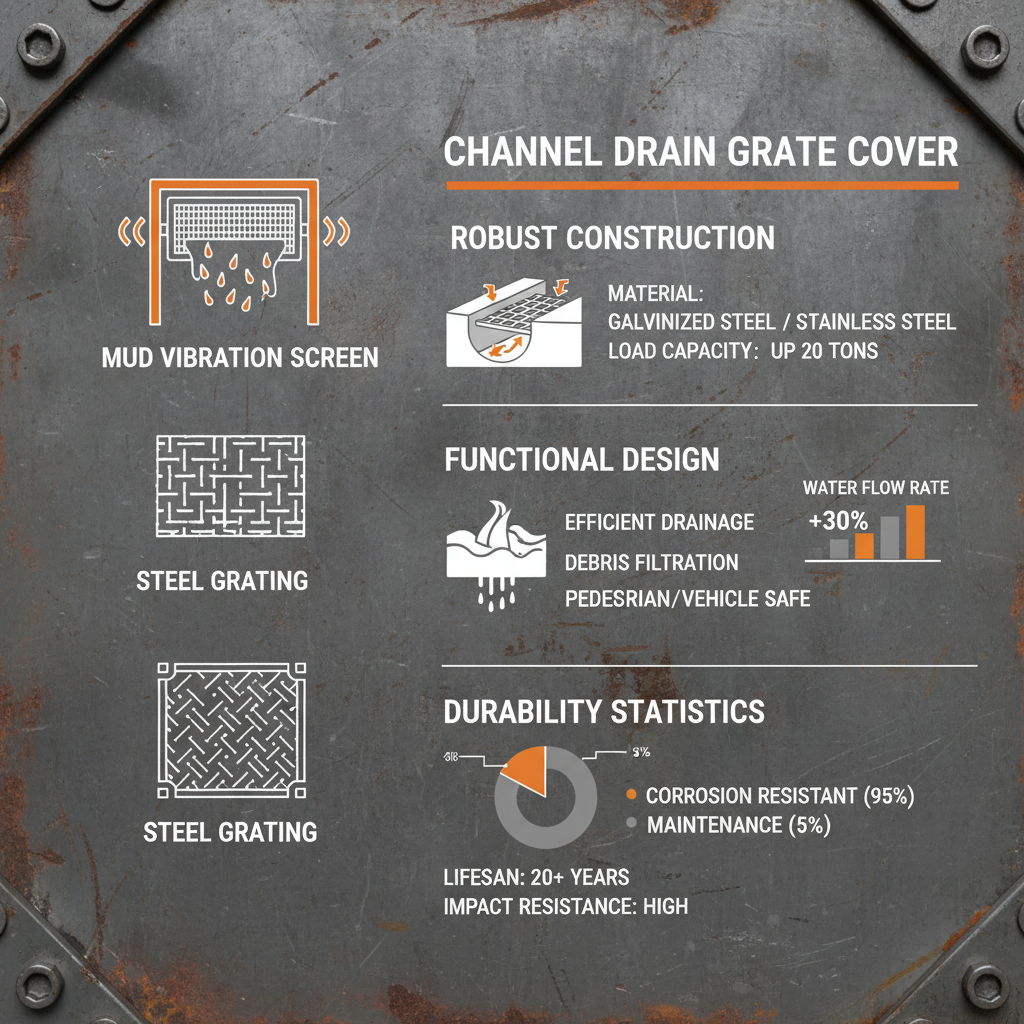
Factors to Consider When Choosing a Channel Drain Grate Cover
Selecting the ideal channel drain grate cover requires careful consideration of several factors. Key aspects to evaluate include load-bearing capacity, material compatibility, drainage efficiency, aesthetic preferences, and adherence to relevant safety standards. HF PetroMesh offers a wide range of high-quality channel drain grate covers to meet diverse application requirements.
Conclusion
Investing in a quality channel drain grate cover is essential for maintaining effective water drainage and preventing costly damage. By carefully considering the factors outlined in this article and selecting a product from a reputable supplier like HF PetroMesh, you can ensure long-term performance and reliability.
Frequently Asked Questions (FAQs)
What is the best material for a channel drain grate cover in a coastal environment?
In coastal environments, corrosion is a significant concern. Therefore, stainless steel or fiberglass grate covers are the best choices. Stainless steel offers excellent corrosion resistance and durability, while fiberglass is lightweight and also highly resistant to saltwater damage. Avoid using cast iron or steel unless they are specifically coated with a corrosion-resistant finish. Regular inspection and cleaning are still recommended, even with these materials, to prolong their lifespan.
How do I determine the correct load class for my application?
To determine the correct load class, assess the expected traffic and weight loads on the drain. If the drain will only be subjected to pedestrian traffic, an A15 load class is sufficient. For car parks, a B125 load class is typically required. If the drain will bear heavier vehicles, such as trucks or buses, a C250 or D400 load class is necessary. Consult with a qualified engineer or drainage specialist if you are unsure.
What maintenance is required for channel drain grate covers?
Regular maintenance is crucial for ensuring the long-term performance of channel drain grate covers. This includes removing debris such as leaves, dirt, and gravel that can block the drain. Inspect the covers periodically for signs of damage, such as cracks or corrosion. Clean the covers with a mild detergent and water. Depending on the material, consider applying a protective coating to prevent corrosion.
Are there any safety concerns when installing channel drain grate covers?
Yes, safety is paramount during installation. Always wear appropriate personal protective equipment (PPE), including gloves, safety glasses, and steel-toe boots. Ensure the surrounding area is clear of obstacles and hazards. Lift and handle the covers carefully to avoid injuries. If you are unfamiliar with drainage installation procedures, it’s recommended to hire a qualified professional.
-
The Ultimate Guide to Choosing a French Drain Grate CoverNewsApr.16,2026
-
Ultimate Guide to Durable Metal Channel Drain Grates for DrainageNewsApr.09,2026
-
Driveway Channel Drain Grate Systems for Effective Water ManagementNewsApr.07,2026
-
Comprehensive Guide to Durable Cast Iron Trench Drain Covers for Various ApplicationsNewsApr.04,2026
-
Comprehensive Guide to Driveway Storm Drain Grates for Optimal Water ManagementNewsMar.31,2026
-
Comprehensive Guide to Durable Steel Driveway Grates for Enhanced DrainageNewsMar.28,2026