Introduction to Shale Shaker Screens
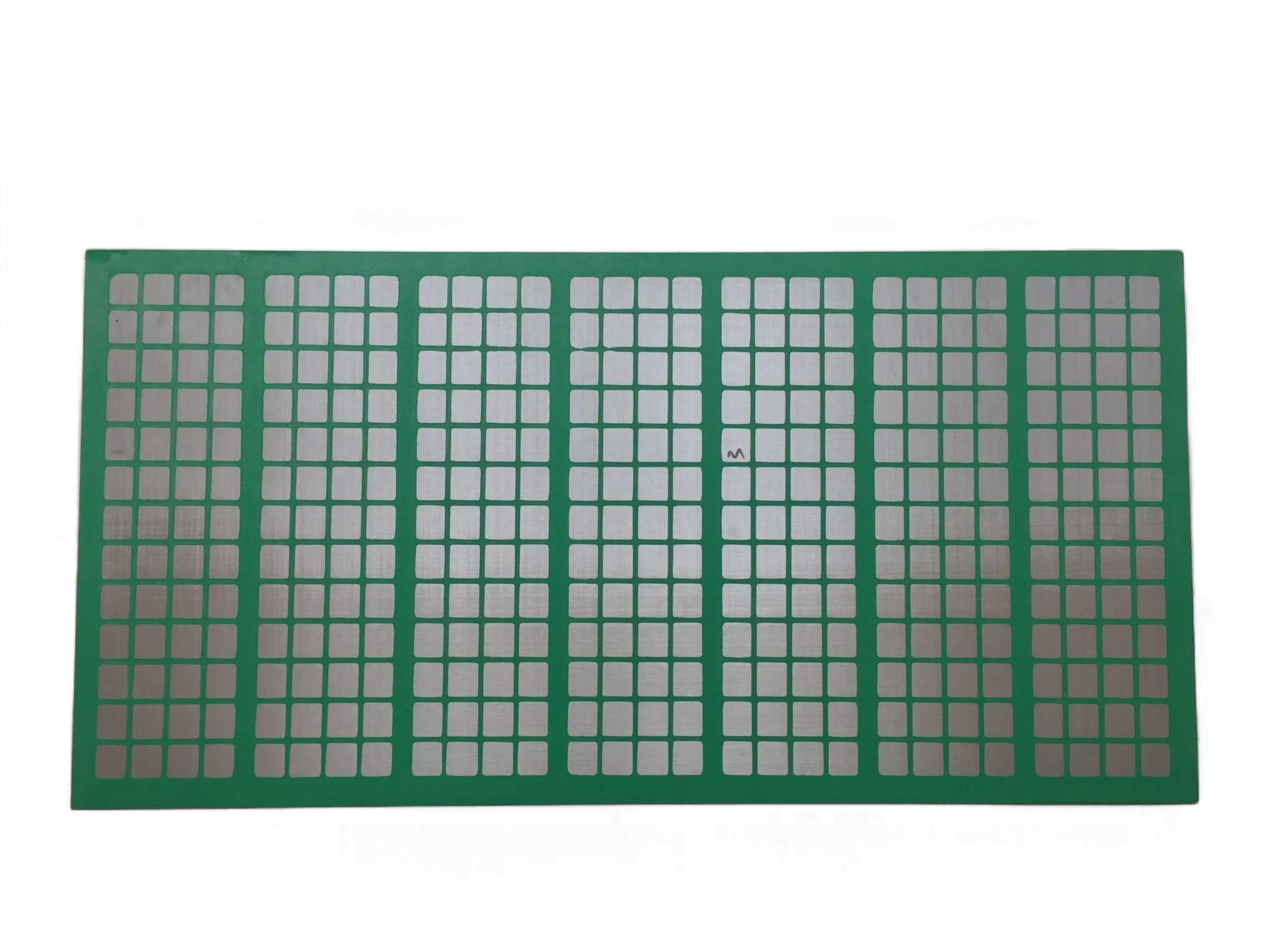
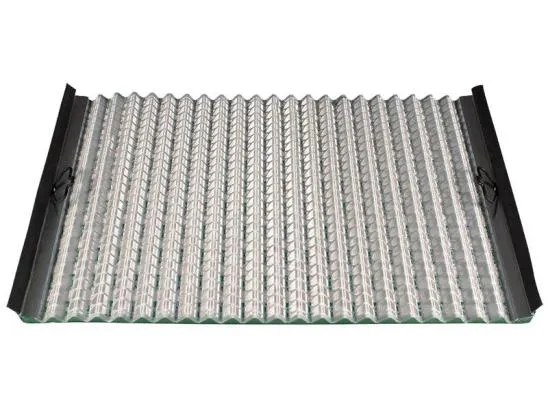
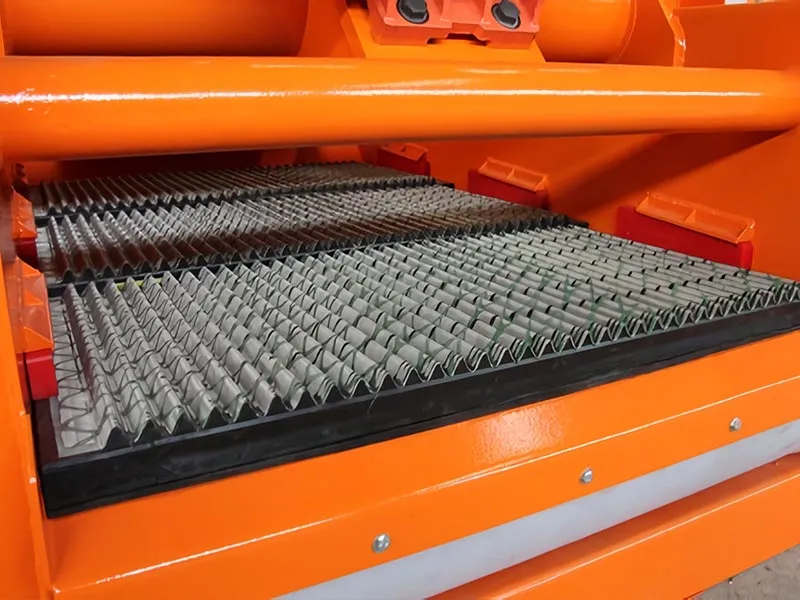
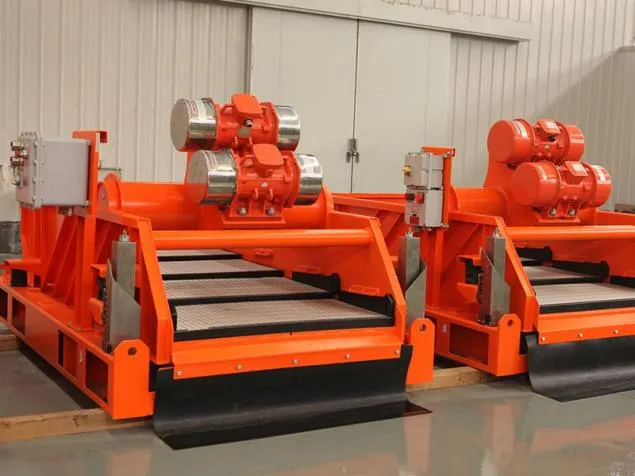
The Shale Shaker Screen is a critical component in drilling operations, designed to filter and separate solid cuttings from drilling fluids. These screens are typically made of stainless steel wire cloths and are engineered with multiple layers (dual or triple) to ensure precise filtration. By capturing solid particles while allowing excess mud to drain back into the tank, Shale Shaker Screens play a vital role in maintaining the efficiency of drilling processes. For more details, visit the product page.
Key Features of Shale Shaker Screens
- High Strength and Load Capacity: Engineered to withstand heavy drilling fluid weights, ensuring durability in demanding environments.
- Excellent Filtration Accuracy: Multi-layered construction allows for precise separation of solids, improving overall drilling efficiency.
- Wear and Corrosion Resistance: High-quality materials like stainless steel ensure longevity, even in harsh conditions.
- Flexibility and Adaptability: Designed to fit various shale shaker models, offering versatility for different drilling scenarios.
- Easy Installation and Maintenance: User-friendly design reduces downtime and simplifies upkeep.
Product Specifications
| Material | Stainless steel, carbon steel |
|---|---|
| Surface Treatment | Coating |
| Production Process | Weaving and perforating |
| Color Options | Black, green, blue (customizable) |
| Types | Steel frame, composite frame, hook strip, wave screen |
| Standards | ISO 13501, API RP 13C, GBT 11648, GBT 11650 |
Types of Shale Shaker Screens
There are several types of Shale Shaker Screens, each tailored to specific drilling needs:
- Steel Frame Screen: Offers high load-bearing capacity, ideal for heavy-duty applications.
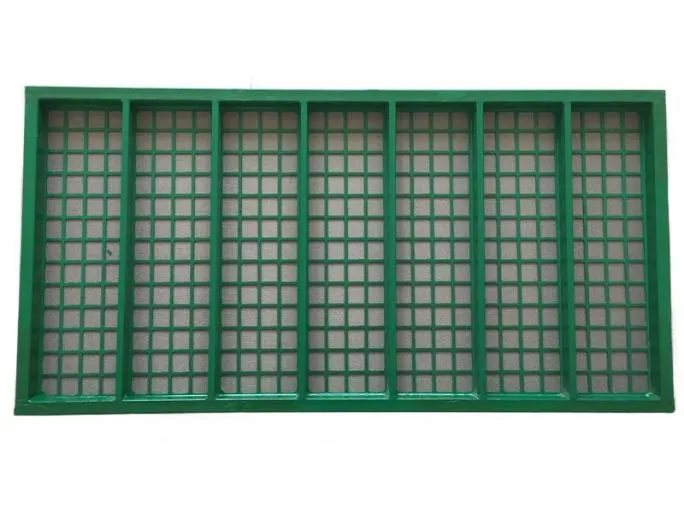
- Composite Frame Screen: Combines strength with lightweight design, suitable for diverse drilling environments.
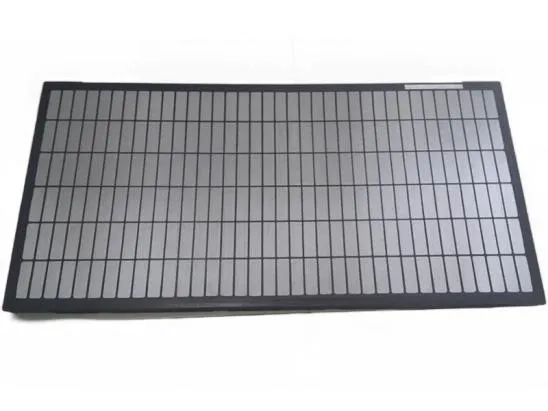
- Wave Screen: Provides optimal processing efficiency, reducing clogging and enhancing fluid flow.
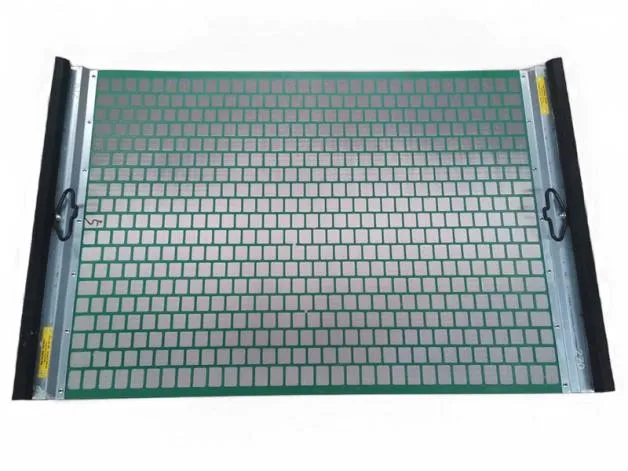
- Hook Strip Screen: Designed for easy installation and maintenance, ensuring minimal downtime.
Applications of Shale Shaker Screens
Shale Shaker Screens are widely used across multiple industries, including:
- Oil Drilling: Essential for separating cuttings from drilling mud in oil extraction processes.
- Coal Bed Methane Drilling: Ensures efficient mud purification in unconventional gas extraction.
- Shale Gas Drilling: Critical for maintaining fluid clarity and operational efficiency.
- Environmental Protection: Used in sludge treatment and river sediment management to minimize environmental impact.
- Non-Excavation Horizontal Directional Drilling: Facilitates precise soil separation without extensive excavation.
About Anping County Hangshun Wire Mesh Manufacture Co., Ltd
Anping County Hangshun Wire Mesh Manufacture Co., Ltd is a leading manufacturer of industrial filtration solutions, specializing in Shale Shaker Screens and related products. With over a decade of experience, the company adheres to international standards such as ISO 13501 and API RP 13C to ensure high-quality, durable products. Their commitment to innovation and customer satisfaction has positioned them as a trusted supplier in the global market. Learn more about their company profile.
Why Choose Anping Hangshun?
Choosing Anping Hangshun for your Shale Shaker Screen needs offers several advantages:
- Customization: Tailored solutions to meet specific drilling requirements.
- Quality Assurance: Rigorous testing and adherence to global standards.
- Cost-Effectiveness: Competitive pricing without compromising on quality.
- Global Reach: Reliable shipping and support for international clients.
Authoritative Citations and Standards
The Shale Shaker Screens produced by Anping Hangshun comply with industry standards such as ISO 13501 and API RP 13C, which are critical for ensuring safety and performance in drilling operations. According to the National Institute of Standards and Technology (NIST), adherence to these standards is essential for maintaining the reliability of industrial equipment. For further information on NIST standards, visit the NIST website.