- Industrial zone, South of Anping Town, Hengshui, Hebei, China.
- sales@hfpetromesh.com
- +86-18931809706
Need Industrial Steel Grating—Anti-Slip, Galvanized, Fast?
Riveted Grating: the workhorse of modern infrastructure
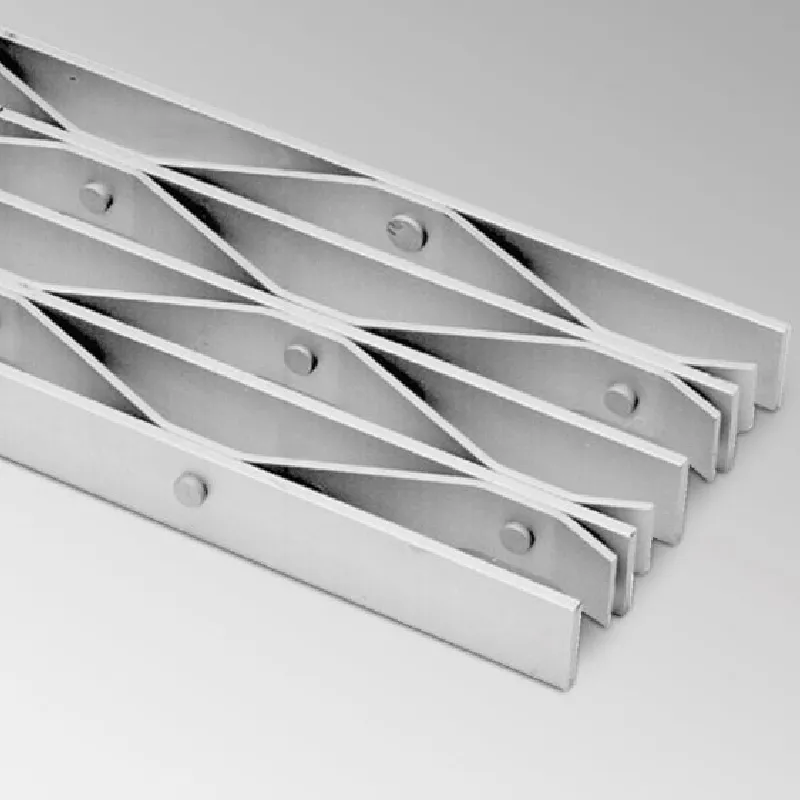
If you’ve ever walked a bridge catwalk in the rain and felt steady underfoot, there’s a good chance you were standing on industrial steel grating. Riveted grating has been around for ages—still relevant, still tough. To be honest, the reason it refuses to go out of style is simple: it resists wheel load abuse, drains fast, and keeps people upright when everything else is slick.
What’s trending (and what isn’t)
Across bridge construction, refinery walkways, and utility trench covers, specifiers are swinging back to industrial steel grating with riveted joints. Why? Fatigue resistance under cyclical wheel loads and surprisingly good anti-slip in real sites (mud, ice, you name it). Many customers say riveted panels “feel quieter” under forklifts versus some welded grids—subjective, yes, but I’ve heard it more than once.
Product snapshot: Riveted Grating
Origin: Industrial zone, South of Anping Town, Hengshui, Hebei, China. Intended for bridge decks, wheeled equipment lanes, anti-slip walkways, and drain-friendly covers. In fact, it’s a neat fit for ports and wastewater plants where grit and water are constant.
| Parameter | Riveted Grating (typical) |
|---|---|
| Material | Carbon steel ASTM A36 / Q235 (others on request) |
| Bearing bar | Width ≈ 32–65 mm; thickness ≈ 3–6 mm |
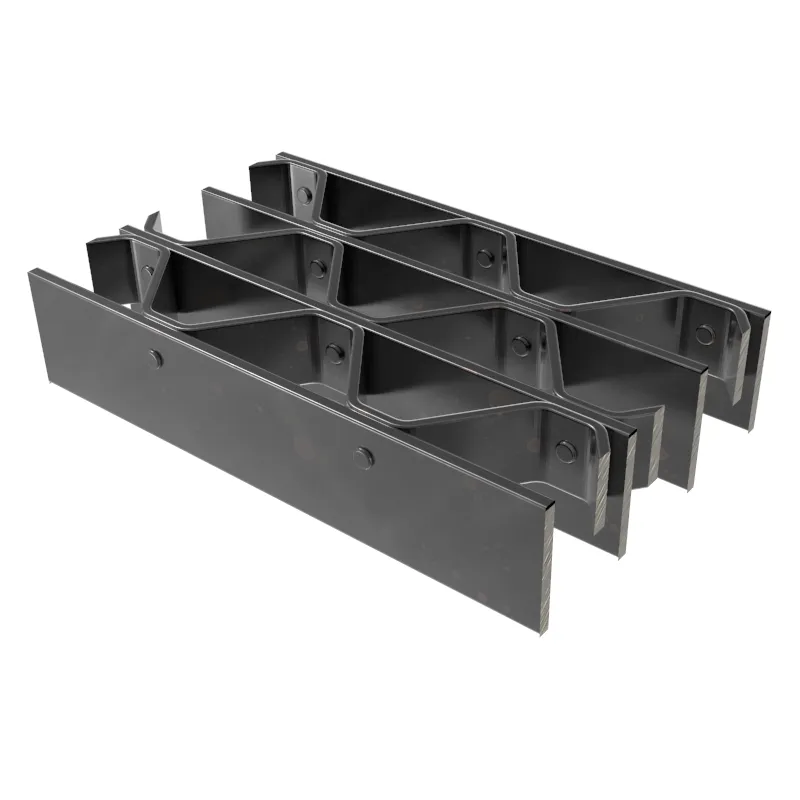
| Cross member | Riveted strap; pressure-locked |
| Spacing | Bearing 30–40 mm; cross 100 mm (customizable) |
| Finish | Hot-dip galvanized (ASTM A123 / ISO 1461) |
| Panel size | ≈ 1000×6000 mm max; cut-to-fit available |
| Load rating | Uniform load ≈ 5–12 kN/m² at L/200 span deflection (varies) |
| Slip resistance | PTV (pendulum) dry ≈ 60–70; wet ≈ 40–50 (real-world may vary) |
| Service life | Galv. life ≈ 15–25 yrs in C3; 5–12 yrs in C4 (ISO 14713 guidance) |
Process flow (how it’s made)
- Materials: coil/plate steel (A36/Q235), mill certs reviewed
- Cutting & edge prep: shearing, deburring; bar alignment jigs
- Riveting: hot-driven or hydraulic pressure-locked rivets for shear transfer
- Welded edge binding, drilling for clamps (if needed)
- Hot-dip galvanizing to ASTM A123 / ISO 1461; thickness checks (μm)
- Testing: load/deflection sampling, coating thickness, salt spray (ASTM B117), slip testing (pendulum or ramp)
- Packing: strapped bundles, edge protectors; traceable labeling
Field notes: internal lab runs showed 720 h salt-spray with no red rust on intact galvanizing and wet PTV ≈ 46 on grit-contaminated samples. Not lab-perfect, but that’s the point—real-world grit, real-world results.
Where it shines
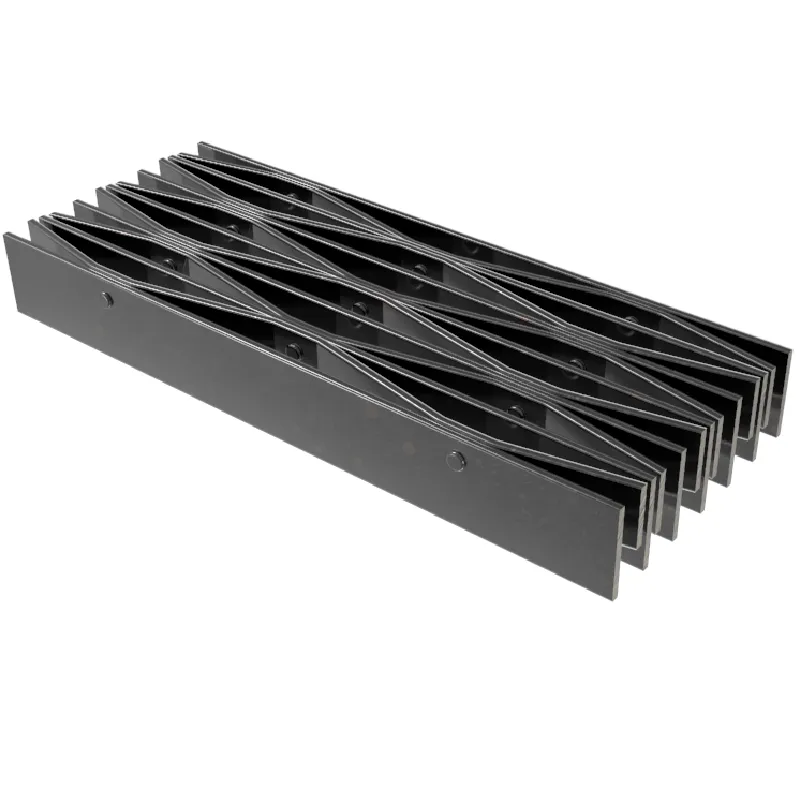
- Bridge maintenance walkways and utility trenches (fast drainage)
- Refinery and chemical plant platforms (OSHA/EN walkway compliance)
- Ports, wastewater, and mining—muddy, wet, and wheel-load heavy
- Food & beverage mezzanines (choose stainless if chemicals are nasty)
Vendor comparison (quick, honest look)
| Vendor | Process & Finish | Certifications | Lead Time | Customization |
|---|---|---|---|---|
| HF Petro Mesh (Anping) | Riveted + HDG to ASTM A123 | ISO 9001; EN 1090 (on request) | ≈ 2–4 weeks | Bar sizes, spacings, cut-outs |
| Vendor A (Regional) | Riveted; painted or HDG | ISO 9001 | ≈ 3–5 weeks | Standard panels; limited custom |
| Vendor B (Global) | Welded & riveted; HDG | ISO 9001; CE EN 1090 | ≈ 4–7 weeks | Full engineering support |
Customization & case notes
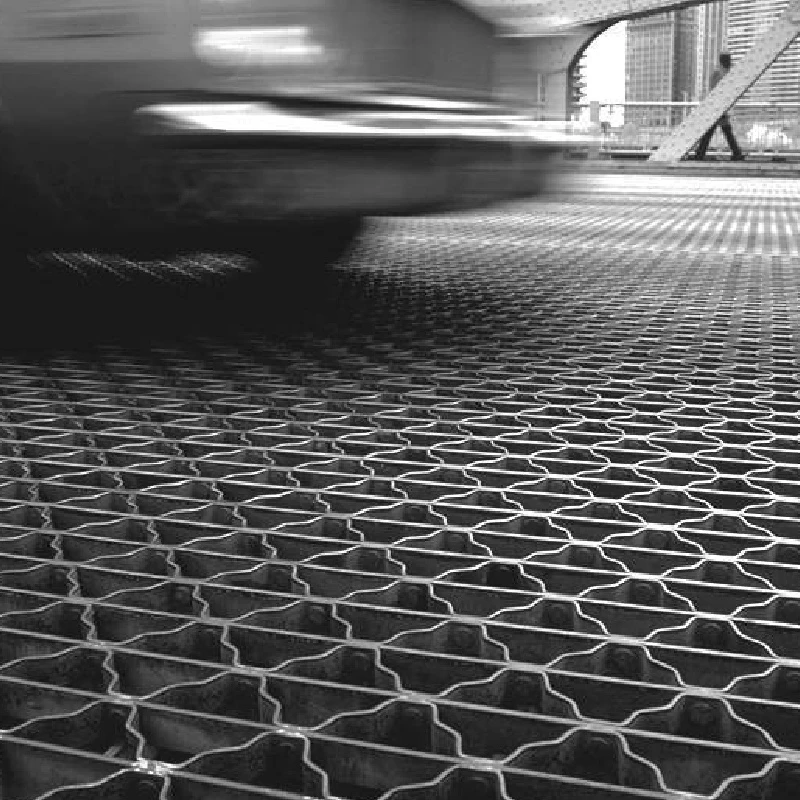
Custom cut-outs around pipe racks, serrated edges for extra grip, toe plates, and clamp kits are common requests. One recent bridge retrofit in Southeast Asia swapped slippery plates for industrial steel grating; maintenance crews reported fewer slips during monsoon season. Another client in a beverage plant moved to stainless riveted grating over caustic wash zones—more expensive, but downtime dropped.
Specs that matter when you buy
- Ask for span tables at your exact spacing—L/200 or L/240 deflection criteria.
- Confirm galvanizing standard (ASTM A123/ISO 1461) and min. coating thickness.
- Check slip test method (pendulum, ramp, or ASTM E303) and environment.
- Site handling: keep edges protected; install with clamps to avoid welding heat zones.
References
-
The Ultimate Guide to Choosing a French Drain Grate CoverNewsApr.16,2026
-
Ultimate Guide to Durable Metal Channel Drain Grates for DrainageNewsApr.09,2026
-
Driveway Channel Drain Grate Systems for Effective Water ManagementNewsApr.07,2026
-
Comprehensive Guide to Durable Cast Iron Trench Drain Covers for Various ApplicationsNewsApr.04,2026
-
Comprehensive Guide to Driveway Storm Drain Grates for Optimal Water ManagementNewsMar.31,2026
-
Comprehensive Guide to Durable Steel Driveway Grates for Enhanced DrainageNewsMar.28,2026