- Industrial zone, South of Anping Town, Hengshui, Hebei, China.
- sales@hfpetromesh.com
- +86-18931809706
Serrated Steel Grating: Non-Slip & Heavy Duty Solutions
Understanding Serrated Steel Grating: A B2B Technical Overview
In industrial environments where safety and performance are paramount, the choice of flooring and access platforms is critical. Serrated steel grating stands out as a superior solution, engineered specifically for areas requiring enhanced slip resistance. This press-locked steel grating variant offers exceptional structural integrity and durability, making it an indispensable component across various heavy industries. Its design, featuring serrated bearing bars, provides superior traction under challenging conditions, from oily platforms to icy walkways, significantly reducing accident risks.
The demand for robust and safe industrial flooring is consistently high, driven by stringent safety regulations and the need for operational efficiency. Industries such as petrochemical, power generation, water treatment, and mining rely heavily on materials that can withstand extreme loads, corrosive environments, and constant pedestrian or vehicular traffic. This article delves into the technical specifications, manufacturing processes, critical applications, and competitive advantages of this specialized grating, providing insights essential for B2B decision-makers and engineering procurement specialists.
Industry Trends and Market Dynamics
The global market for industrial gratings is experiencing steady growth, propelled by infrastructure development, expansion in oil & gas, chemicals, and manufacturing sectors, and an increasing focus on workplace safety. Key trends include the rising adoption of materials like serrated steel grating for their anti-slip properties, a shift towards lightweight yet high-strength solutions, and an emphasis on ease of installation and maintenance.
- Safety-Driven Demand: Regulatory bodies worldwide are implementing stricter safety standards for industrial facilities, driving the adoption of anti-slip products like serrated steel grating.
- Durability in Extreme Environments: Growing investments in offshore platforms, chemical processing plants, and mining operations necessitate gratings capable of enduring corrosive agents, extreme temperatures, and heavy loads.
- Customization and Modularity: There is a strong trend towards custom-fabricated grating solutions that integrate seamlessly with complex industrial designs, minimizing on-site modifications and installation time.
- Sustainability Focus: Manufacturers are exploring more sustainable production processes and materials, although the primary focus remains on performance and longevity for steel gratings.
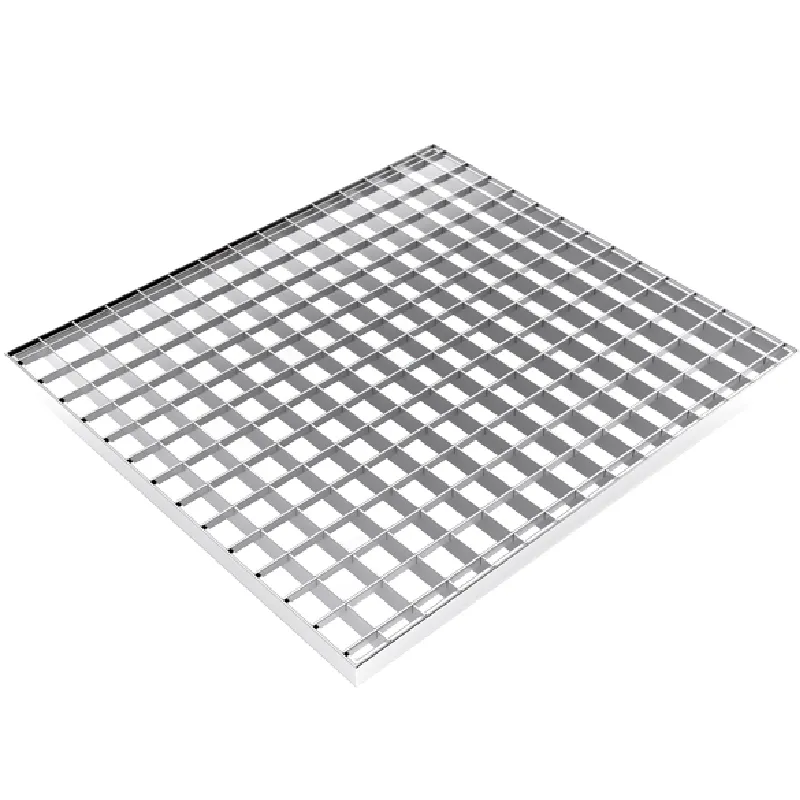
Manufacturing Process: Press-Locked Serrated Steel Grating
The production of high-quality serrated steel grating involves a meticulous process, ensuring each panel meets rigorous performance and safety standards. Our press-locked steel grating manufacturing emphasizes precision and material integrity.
Process Flow Overview:
- Material Selection: The foundation of durable grating is quality material. We primarily utilize high-grade mild steel grating (ASTM A36, Q235, or equivalent) for its excellent strength-to-weight ratio and weldability. For applications demanding superior load-bearing capacity and resilience, heavy duty mild steel grating is selected. Stainless steel (304, 316) is used for highly corrosive environments.
- Serrated Bearing Bar Preparation: Flat bar stock is precisely cut to length. A specialized machine then cold-forms or stamps serrations onto the top edge of these bars, creating the anti-slip profile unique to serrated steel grating.
- Cross Bar Preparation: Cross bars, typically twisted square bars or round bars, are also cut to precise dimensions. Notches are sometimes introduced to facilitate the press-locking mechanism.
- Press-Locking Integration: This is the defining stage for press-locked grating. The prepared bearing bars are slotted, and the cross bars are hydraulically pressed into these slots. The immense pressure creates a permanent, high-strength mechanical interlock without welding. This method ensures uniform load distribution and superior rigidity.
- Edge Banding (Optional): For enhanced structural stability and aesthetic finish, perimeter banding may be applied, especially for custom shapes or panels subjected to dynamic loads.
- Finishing:
- Hot-Dip Galvanization: The most common and effective finish for steel grating, conforming to standards like ISO 1461/ASTM A123. This process immerses the fabricated grating in molten zinc, creating a metallurgical bond that provides exceptional corrosion resistance and extends service life significantly.
- Paint/Powder Coating: Used for specific aesthetic requirements or additional corrosion protection in milder environments.
- Quality Control & Testing: Each batch undergoes rigorous inspection.
- Dimensional Accuracy: Verification of panel dimensions, bearing bar spacing, and cross bar pitch.
- Load Testing: Sample panels are subjected to static and dynamic load tests to ensure compliance with industry standards (e.g., ANSI/NAAMM MBG 531, AS 1657).
- Galvanization Thickness: Non-destructive testing to confirm zinc coating thickness per ISO/ASTM standards.
- Visual Inspection: Checking for surface defects, proper serration formation, and overall finish quality.
The typical service life of hot-dip galvanized serrated steel grating can exceed 20-30 years in many industrial environments, particularly when properly maintained. This extended lifespan contributes to significant energy saving through reduced replacement and maintenance cycles.
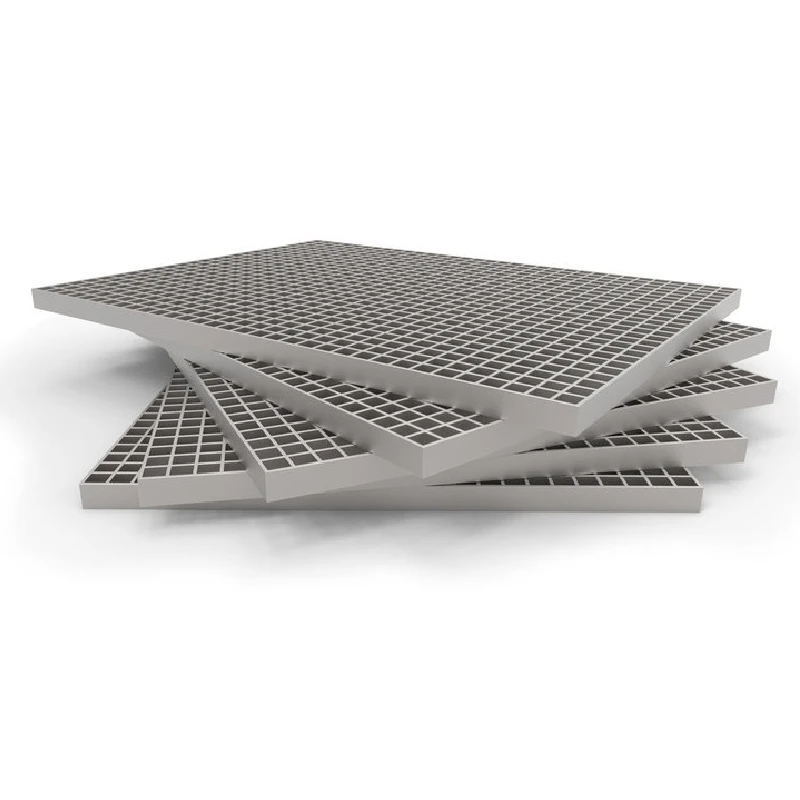
Technical Specifications and Parameters
Understanding the technical parameters of serrated steel grating is crucial for proper specification and safe application. Our press-locked gratings are designed and manufactured to meet various international standards, ensuring optimal performance.
Key Technical Parameters:
- Bearing Bar Size: Ranges from 20x3mm to 100x10mm (Height x Thickness), determining the load-bearing capacity.
- Bearing Bar Spacing: Typically 30mm, 40mm, 60mm, 90mm, 100mm. Wider spacing reduces weight, while narrower spacing offers greater support for smaller objects and enhanced safety.
- Cross Bar Spacing: Commonly 50mm or 100mm. Influences lateral stability and overall rigidity.
- Material Grades: Q235 (mild steel), SS304, SS316.
- Surface Treatment: Hot-dip galvanized (standard), painted, or untreated.
- Load Capacity: Varies significantly with bearing bar size and span. Our heavy duty steel grating options can support extremely high point and uniform loads.
- Deflection: Must comply with safety standards (e.g., maximum L/200 for pedestrian traffic, L/300 for vehicular).
Typical Product Specification Table (Hot-Dip Galvanized Mild Steel Grating)
| Bearing Bar (HxT mm) | Bearing Bar Spacing (mm) | Cross Bar Spacing (mm) | Unit Weight (kg/m²) | Typical Max Span (m) for 4.8kN/m² |
|---|---|---|---|---|
| 25x3 | 30 | 100 | 20.8 | 1.2 |
| 32x5 | 30 | 100 | 40.2 | 1.8 |
| 40x5 | 30 | 100 | 49.6 | 2.1 |
| 50x5 | 40 | 100 | 53.2 | 2.5 |
Note: Values are approximate and depend on specific manufacturing tolerances and material properties. Consult engineering drawings for precise load tables.
Application Scenarios and Technical Advantages
The distinct anti-slip characteristics of serrated steel grating make it indispensable in numerous challenging industrial environments. Its robust construction ensures reliable performance where safety is non-negotiable.
Target Industries & Typical Scenarios:
- Petrochemical and Oil & Gas: Platforms, walkways, and stair treads on offshore rigs, refineries, and chemical plants where oil, grease, and chemicals create hazardous slip conditions. The corrosion resistance of galvanized grating is crucial here.
- Metallurgy & Mining: Processing plants, smelters, and mining operations often involve wet, muddy, or dusty conditions. Heavy duty steel grating with serrated surfaces provides necessary traction for personnel and equipment.
- Water Supply & Drainage: Water treatment plants, pump stations, and marine environments benefit from the anti-slip and corrosion resistance of galvanized serrated steel grating.
- Power Generation: Boiler platforms, turbine decks, and access ways in power plants where steam, lubricants, or coal dust can create slippery surfaces.
- Manufacturing Facilities: Production lines, machinery access, and maintenance walkways, especially in sectors with fluid spill risks.
Technical Advantages:
- Superior Slip Resistance: The primary advantage. Serrated bearing bars provide excellent grip even in the presence of water, oil, snow, or ice, significantly enhancing worker safety.
- High Load-Bearing Capacity: Thanks to the robust press-locked construction and high-grade steel, these gratings can handle substantial static and dynamic loads, suitable for heavy duty steel grating applications.
- Exceptional Durability and Longevity: Hot-dip galvanization provides a resilient protective coating against rust and corrosion, extending the product's lifespan and reducing maintenance costs. This also leads to an energy saving through less material replacement.
- Excellent Drainage and Ventilation: The open mesh design allows for efficient drainage of liquids and debris, and promotes airflow, crucial for preventing heat buildup and maintaining air quality.
- Ease of Installation and Fabrication: Modular design facilitates straightforward installation. Custom fabrication capabilities ensure precise fit for diverse structural requirements.
Vendor Comparison: Selecting the Right Partner
Choosing a supplier for serrated steel grating involves more than just price; it demands a partner who offers technical expertise, product quality, and reliable service. When evaluating vendors, consider the following:
Key Comparison Criteria:
- Manufacturing Capability and Technology: Does the vendor utilize advanced press-locking machinery and quality control processes to ensure structural integrity and dimensional accuracy?
- Certifications and Compliance: Verify adherence to international standards (e.g., ISO 9001 for quality management, ISO 1461 for galvanization, ANSI/NAAMM for grating standards). Our facility holds ISO 9001 certification, underscoring our commitment to consistent quality.
- Material Traceability: A reputable vendor provides full traceability of raw materials, ensuring the use of certified mild steel grating or stainless steel.
- Customization & Engineering Support: Ability to provide tailored solutions for complex projects, including detailed CAD drawings and load calculations.
- Lead Time and Logistics: Efficient production capacity and reliable shipping logistics are crucial for project timelines, especially for large-scale heavy duty steel grating orders.
- After-Sales Support & Warranty: Comprehensive support and clear warranty commitments are indicators of a trustworthy partner.
Value vs. Cost: Understanding Heavy Duty Steel Grating Price
While initial heavy duty steel grating price might seem higher for premium products, the total cost of ownership (TCO) often favors higher-quality, durable solutions. Factors influencing TCO include:
- Lifespan: Hot-dip galvanized products last significantly longer, reducing replacement costs.
- Maintenance: Superior corrosion resistance means less frequent maintenance and repair.
- Safety: Reduced slip accidents translate to fewer liabilities and improved worker morale.
- Performance: Reliable load-bearing capacity prevents structural failures and operational downtime.
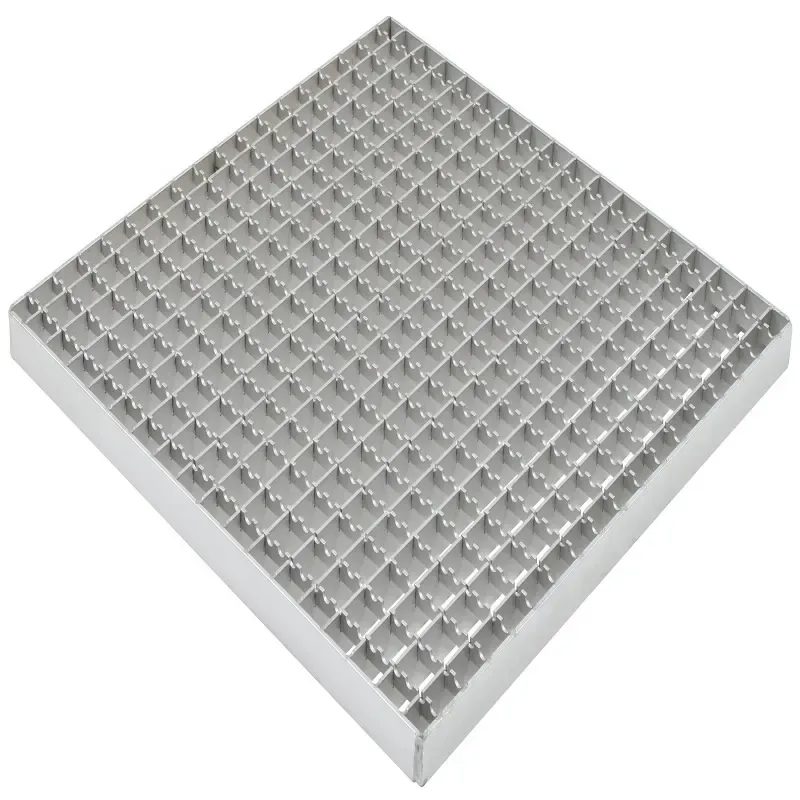
Customized Solutions and Case Studies
Our expertise extends beyond standard products, offering comprehensive customized solutions for unique project requirements. We partner with clients to design and fabricate bespoke serrated steel grating systems.
Customization Capabilities:
- Dimensions and Shapes: Fabrication to exact panel dimensions, including circular, curved, or irregular shapes to fit complex architectural or structural designs.
- Material Grades: Beyond standard mild steel grating, we offer options in various stainless steel grades (304, 316) for extreme chemical resistance.
- Bearing Bar and Cross Bar Spacing: Custom configurations to meet specific load requirements or pedestrian safety criteria (e.g., ADA compliance).
- Surface Treatments: Specialized coatings or finishes for aesthetic integration or enhanced chemical resistance.
- Cut-outs and Reinforcements: Precision cutting for pipework, columns, or machinery, along with customized toe plates and nosings for stair treads.
Application Case Study: Offshore Platform Walkways
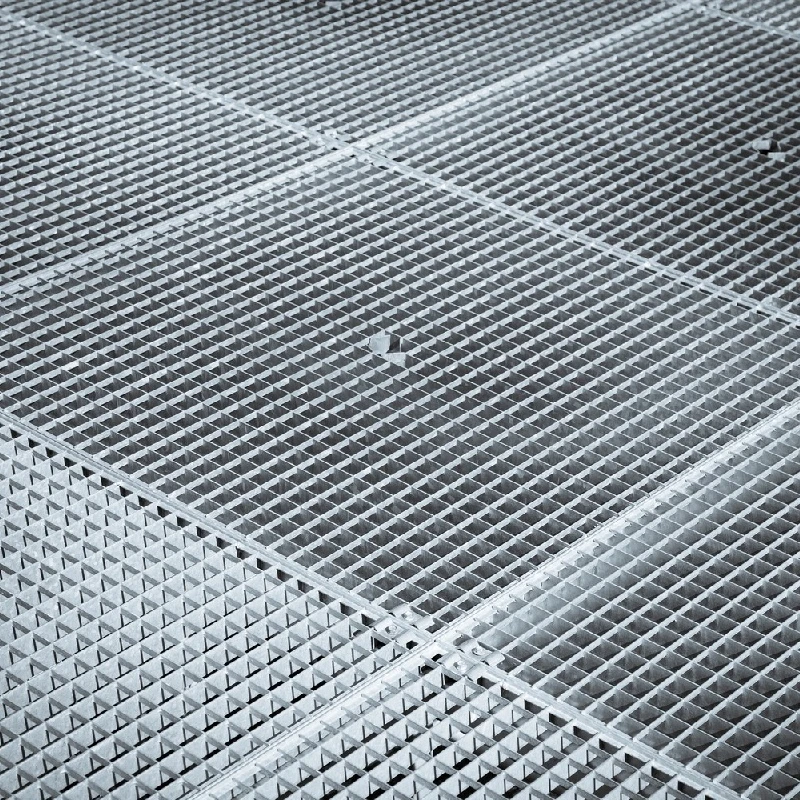
A leading international oil & gas exploration company required a robust, anti-slip flooring solution for their new offshore platform in a harsh North Sea environment. The challenge involved extreme weather conditions, constant exposure to saltwater and hydrocarbons, and the critical need for maximum slip resistance to ensure worker safety.
Our solution involved supplying over 5,000 square meters of custom-fabricated heavy duty mild steel grating with serrated surfaces, hot-dip galvanized to ISO 1461 standards. The grating panels were engineered with specific load capacities to accommodate heavy equipment and personnel traffic. The press-locked construction provided superior stability against dynamic loads and vibrations common on offshore structures. Post-installation feedback from the client highlighted a significant improvement in safety, with zero reported slip incidents on the new grating, and excellent corrosion resistance observed after two years of service.
Ensuring Trustworthiness: FAQ, Lead Time & Warranty
Frequently Asked Questions (FAQ)
- Q: What makes serrated steel grating different from plain grating?
A: The primary difference is the top surface of the bearing bars. Serrated grating has notches or teeth stamped into the top edge, providing significantly enhanced slip resistance, especially in wet, oily, or icy conditions, compared to smooth (plain) grating. - Q: Can your grating withstand corrosive chemicals?
A: While hot-dip galvanized mild steel grating offers excellent general corrosion resistance, for environments with specific aggressive chemicals, we recommend using stainless steel serrated steel grating (SS304 or SS316) for superior performance. - Q: What is the typical lead time for a custom order?
A: Lead times vary based on project complexity, volume, and material availability. For standard orders, lead time is generally 2-4 weeks after drawing approval. Custom or large-volume heavy duty steel grating projects may require 4-8 weeks. We always provide a clear timeline during the quotation process. - Q: How do I calculate the load capacity needed for my application?
A: Load capacity depends on the bearing bar size, spacing, material, and the span length. We provide detailed load tables and offer engineering support to help clients calculate the appropriate specifications for their specific project requirements, ensuring compliance with relevant industry standards.
Lead Time & Fulfillment Details
Our streamlined production process and robust supply chain enable efficient fulfillment of orders. We maintain stock of common mild steel grating sizes and materials to expedite smaller projects. For large-scale or custom projects, a dedicated project manager ensures clear communication from design approval to delivery. Standard shipping options are available, with expedited services offered for urgent requirements.
Warranty Commitments
We stand behind the quality of our serrated steel grating products. All products are supplied with a standard warranty covering manufacturing defects and material integrity. Specific warranty terms, especially concerning corrosion resistance for galvanized products, are provided upon request and are based on industry-recognized performance expectations. Our commitment ensures that products meet or exceed the specified standards at the time of delivery.
Customer Support
Our expert technical support team is available to assist with product selection, technical specifications, installation guidance, and any post-sales inquiries. We believe in building long-term partnerships through responsive and knowledgeable customer service, ensuring our clients receive optimal solutions and continuous support throughout the product lifecycle.
References
- ISO 1461: Hot-dip galvanized coatings on fabricated iron and steel articles — Specifications and test methods.
- ASTM A123/A123M: Standard Specification for Zinc (Hot-Dip Galvanized) Coatings on Iron and Steel Products.
- ANSI/NAAMM MBG 531: Metal Bar Grating Manual.
- AS 1657: Fixed platforms, walkways, stairways and ladders – Design, construction and installation.
-
The Ultimate Guide to Choosing a French Drain Grate CoverNewsApr.16,2026
-
Ultimate Guide to Durable Metal Channel Drain Grates for DrainageNewsApr.09,2026
-
Driveway Channel Drain Grate Systems for Effective Water ManagementNewsApr.07,2026
-
Comprehensive Guide to Durable Cast Iron Trench Drain Covers for Various ApplicationsNewsApr.04,2026
-
Comprehensive Guide to Driveway Storm Drain Grates for Optimal Water ManagementNewsMar.31,2026
-
Comprehensive Guide to Durable Steel Driveway Grates for Enhanced DrainageNewsMar.28,2026