- Industrial zone, South of Anping Town, Hengshui, Hebei, China.
- sales@hfpetromesh.com
- +86-18931809706
Durable and Reliable Cast Iron Trench Drain Grates for Effective Drainage
Understanding Cast Iron Trench Drain Grates
Cast iron trench drain grates are a robust and reliable solution for surface water management in various applications, from industrial facilities to public roadways. Their durability and ability to withstand heavy loads make them a preferred choice for environments demanding long-lasting performance. This article will explore the benefits, applications, materials, and considerations when selecting cast iron trench drain grates, providing insights for professionals and those seeking effective drainage solutions. Choosing the right grate is vital for preventing water accumulation and ensuring safety.
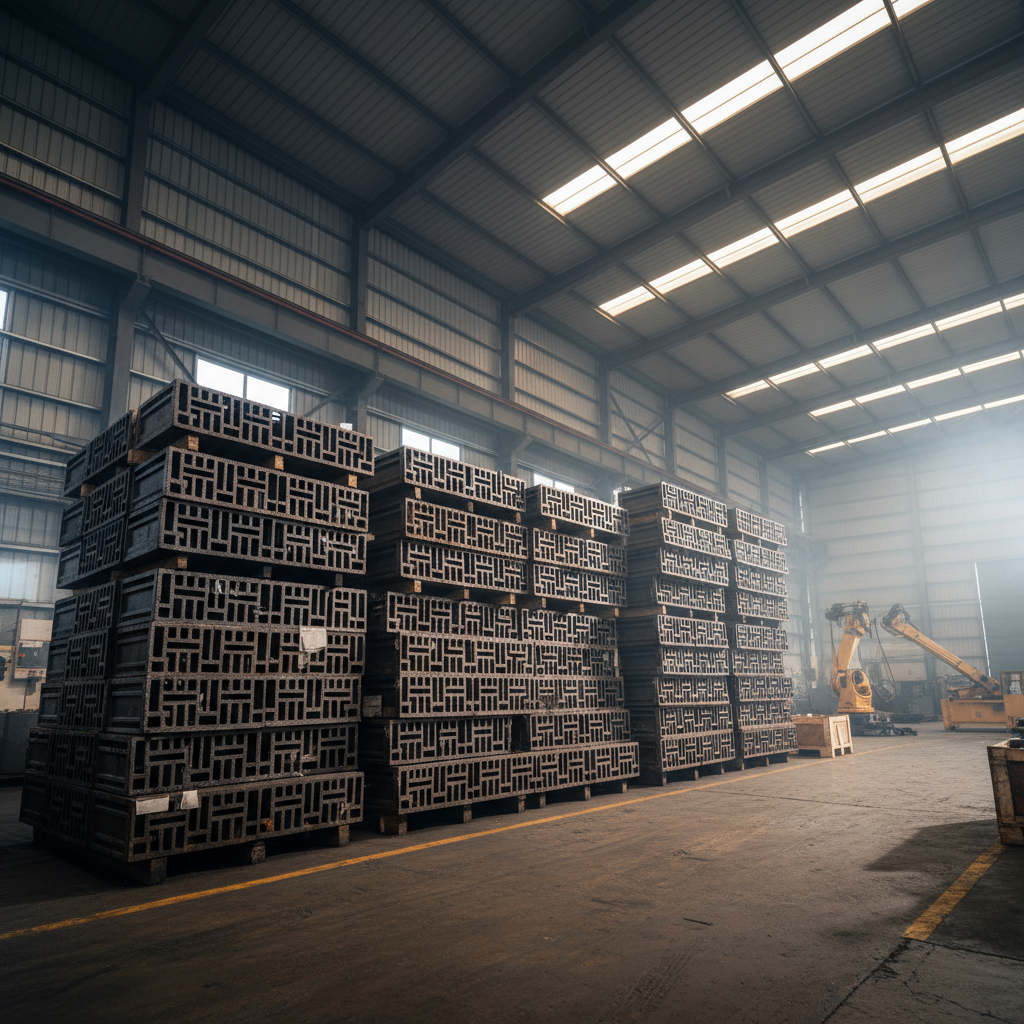
Benefits of Choosing Cast Iron Trench Drain Grates
Cast iron offers several advantages over other materials commonly used for drain grates. First and foremost is its exceptional strength and durability. Cast iron can withstand significant weight and impact, making it ideal for areas with vehicular traffic or heavy machinery. It's also highly resistant to corrosion, ensuring a long service life even in harsh environments. Furthermore, cast iron is a relatively low-maintenance material, requiring minimal upkeep to maintain its functionality. The inherent stability of cast iron also contributes to reduced noise levels compared to lighter materials. This makes it a suitable option for noise-sensitive areas.
Common Applications for Cast Iron Trench Drain Systems
Cast iron trench drains find widespread use across numerous sectors. In industrial settings, they efficiently manage wastewater, oil, and other liquids. Parking lots benefit from their ability to handle vehicle weight while effectively draining rainwater. Public roadways utilize these grates to prevent flooding and ensure safe driving conditions. Additionally, they are commonly found in landscaping applications, such as around swimming pools and patios, to prevent water accumulation. The versatility of cast iron trench drain grates makes them adaptable to diverse drainage needs.
Key Highlights: Exceptional strength and durability, resistance to corrosion, low-maintenance, and suitability for heavy-load applications.
Cast Iron vs. Other Materials: A Comparative Overview
While several materials are available for trench drain grates, cast iron distinguishes itself in key areas. Compared to plastic, cast iron offers far superior strength and durability. Although stainless steel provides excellent corrosion resistance, it typically comes at a significantly higher cost. Ductile iron, a variation of cast iron, offers enhanced strength and impact resistance, making it suitable for particularly demanding applications. The best material choice depends on specific project requirements, budget considerations, and environmental factors.
Selecting the Right Cast Iron Trench Drain Grate
When choosing a cast iron trench drain grate, consider several factors. Load capacity is crucial, particularly in areas with vehicular traffic. The grate’s pattern (e.g., linear, square) should be selected based on aesthetic preferences and debris management needs. The depth and width of the trench channel will determine the appropriate grate size. It’s also important to check for relevant industry certifications to ensure the grate meets safety and quality standards. At HF PetroMesh, we offer a comprehensive range of cast iron trench drain grates to meet diverse project requirements.
Maintenance and Longevity
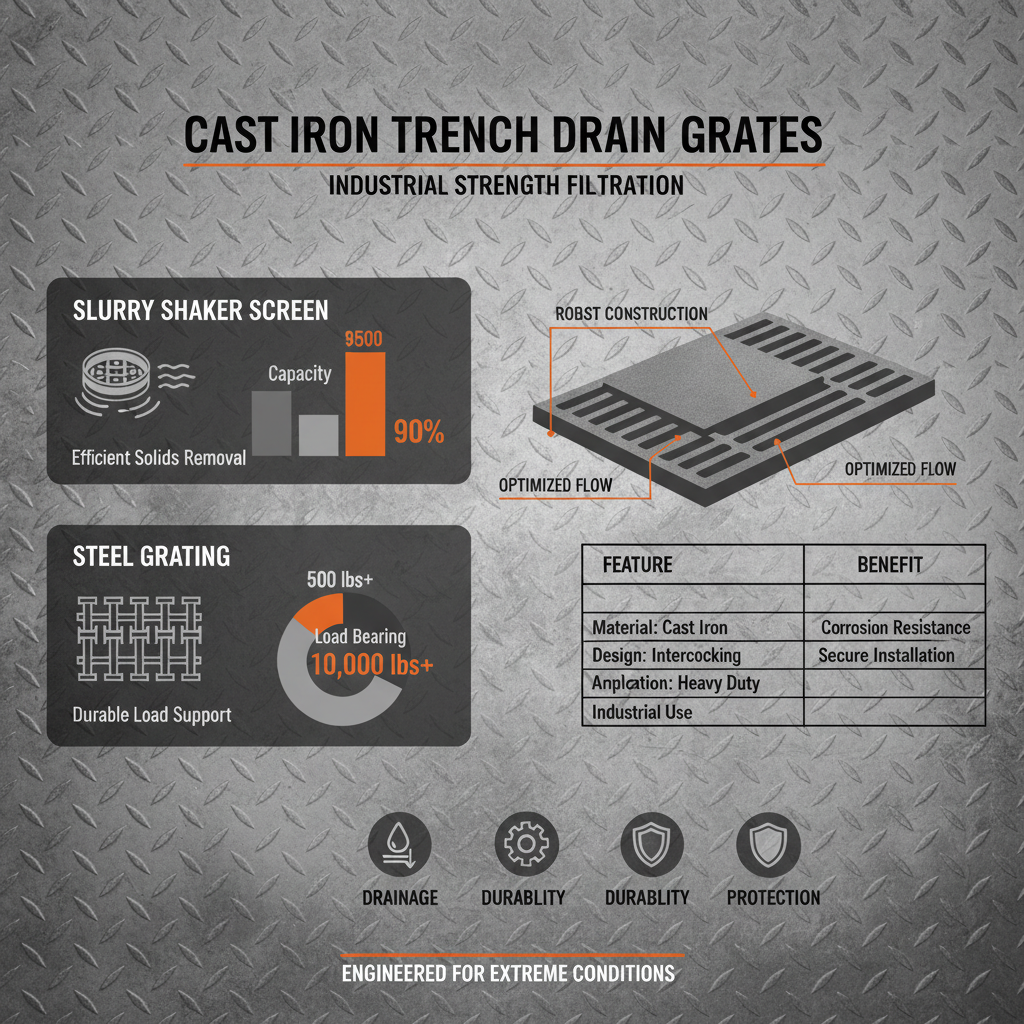
Cast iron trench drain grates are inherently low-maintenance. Regular inspection and cleaning to remove debris are the primary upkeep requirements. In areas prone to corrosion, applying a protective coating can extend the grate’s lifespan. Promptly addressing any cracks or damage will prevent further deterioration. With proper care, a cast iron trench drain grate can provide decades of reliable performance.
Conclusion: Investing in Durable Drainage Solutions
Investing in cast iron trench drain grates offers a long-term, reliable solution for effective water management. Their durability, strength, and low-maintenance requirements make them a cost-effective choice for various applications. Choosing the right grate, tailored to your specific needs, will ensure optimal performance and protection against water damage.
Frequently Asked Questions (FAQs)
What load capacity do cast iron trench drain grates offer?
Cast iron trench drain grates are known for their high load-bearing capacity. The specific capacity varies depending on the grate's design and the underlying trench structure. However, they can typically withstand substantial weight, including vehicular traffic. At HF PetroMesh, we offer grates designed to meet various load class requirements, ensuring safety and durability even in high-traffic areas. It’s crucial to select a grate with a load capacity appropriate for its intended use.
Are cast iron trench drains susceptible to corrosion?
While cast iron is generally corrosion-resistant, it can corrode over time, especially in harsh environments with high salt content or exposure to acidic substances. However, protective coatings, such as epoxy or galvanization, can significantly enhance corrosion resistance. Regular inspection and maintenance, including cleaning and reapplication of coatings as needed, will help extend the grate’s lifespan and prevent corrosion-related issues.
What grate patterns are available for cast iron trench drains?
Cast iron trench drain grates are available in a variety of patterns, including linear (slot), square, and decorative designs. Linear grates offer efficient water flow and a sleek appearance. Square grates provide a more traditional look and are often used in industrial settings. Decorative grates can be customized to blend seamlessly with the surrounding landscape. The best pattern depends on aesthetic preferences, drainage requirements, and the intended application.
-
The Ultimate Guide to Choosing a French Drain Grate CoverNewsApr.16,2026
-
Ultimate Guide to Durable Metal Channel Drain Grates for DrainageNewsApr.09,2026
-
Driveway Channel Drain Grate Systems for Effective Water ManagementNewsApr.07,2026
-
Comprehensive Guide to Durable Cast Iron Trench Drain Covers for Various ApplicationsNewsApr.04,2026
-
Comprehensive Guide to Driveway Storm Drain Grates for Optimal Water ManagementNewsMar.31,2026
-
Comprehensive Guide to Durable Steel Driveway Grates for Enhanced DrainageNewsMar.28,2026