- Industrial zone, South of Anping Town, Hengshui, Hebei, China.
- sales@hfpetromesh.com
- +86-18931809706
Comprehensive Guide to 12 Wide Trench Drain Grate Systems and Applications
Understanding 12 Wide Trench Drain Grate Systems
Effective water management is crucial for any infrastructure project, from residential driveways to large-scale industrial sites. A key component of this is a robust and reliable drainage system, and that’s where 12 wide trench drain grates play a vital role. These grates offer a high-capacity solution for surface water runoff, preventing flooding and protecting the integrity of paved areas. This article delves into the benefits, applications, materials, and installation considerations of these essential drainage components. Choosing the right grate system can significantly impact the longevity and performance of your drainage infrastructure.
Why Choose a 12-Inch Wide Trench Drain Grate?
The 12-inch width is a popular choice for several reasons. Firstly, it provides a substantial open surface area for water intake, making it ideal for areas with high rainfall or significant runoff. Secondly, the larger opening reduces the likelihood of clogging from debris like leaves and sediment, minimizing maintenance requirements. Compared to narrower grates, a 12-inch width offers increased hydraulic capacity, handling larger volumes of water more efficiently. This makes them particularly suitable for commercial properties, parking lots, and roadways. They are also a cost-effective solution when considering long-term maintenance savings.
Key Advantages: High hydraulic capacity, reduced clogging, cost-effective, suitable for high-runoff areas.
Materials Used in 12 Wide Trench Drain Grate Construction
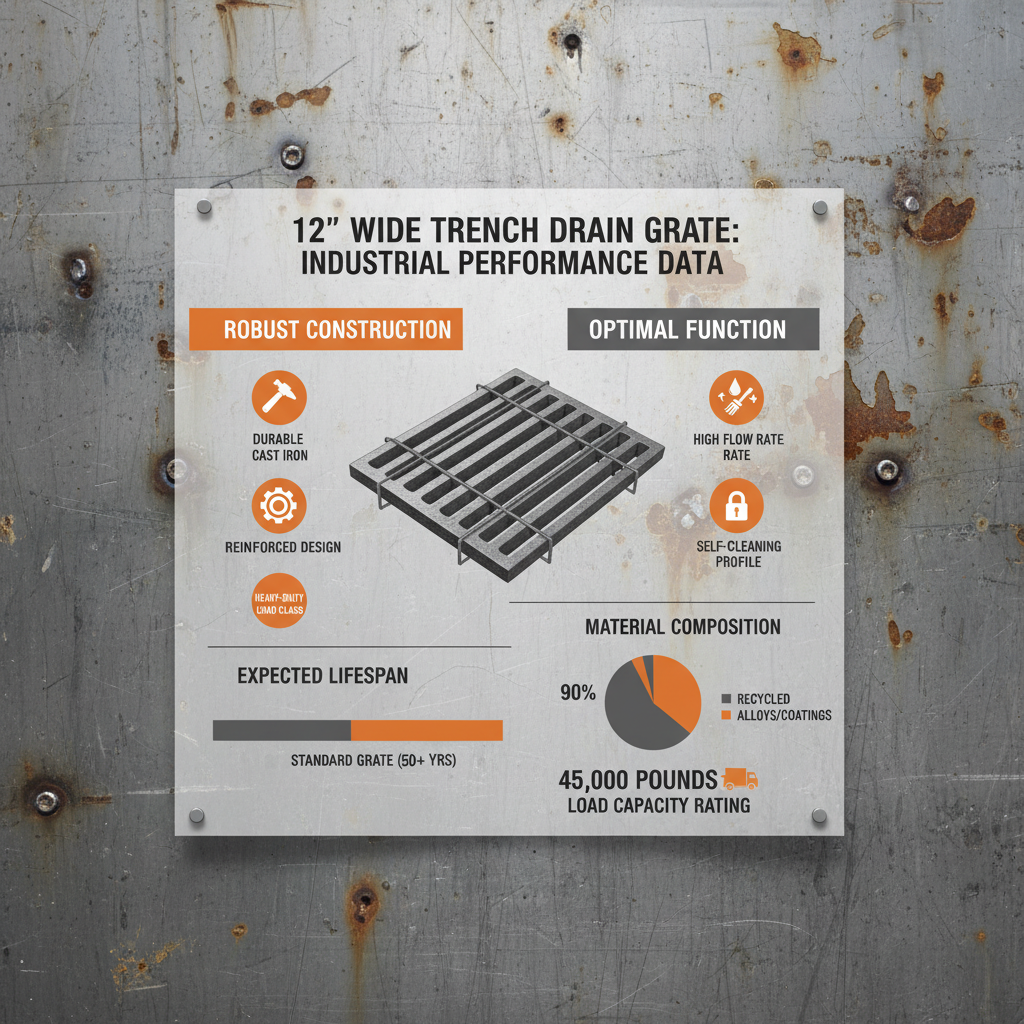
The material of the grate is critical for its durability and longevity. Common materials include cast iron, ductile iron, steel, and polymer concrete. Cast iron is known for its strength and resistance to corrosion, while ductile iron offers even greater toughness and impact resistance. Steel grates are often galvanized to prevent rust, and polymer concrete provides a lightweight, corrosion-resistant option. The best material depends on the specific application and environmental conditions. For example, in areas with heavy traffic or potential for impacts, ductile iron is preferred. For coastal environments, polymer concrete offers superior corrosion resistance.
Material Comparison:
• Cast Iron: Strength, corrosion resistance, cost-effective.
• Ductile Iron: Superior toughness, impact resistance.
• Steel (Galvanized): High strength, requires galvanization for corrosion protection.
• Polymer Concrete: Lightweight, corrosion-resistant, ideal for coastal areas.
12 Wide Trench Drain Grate Applications: Where are they used?
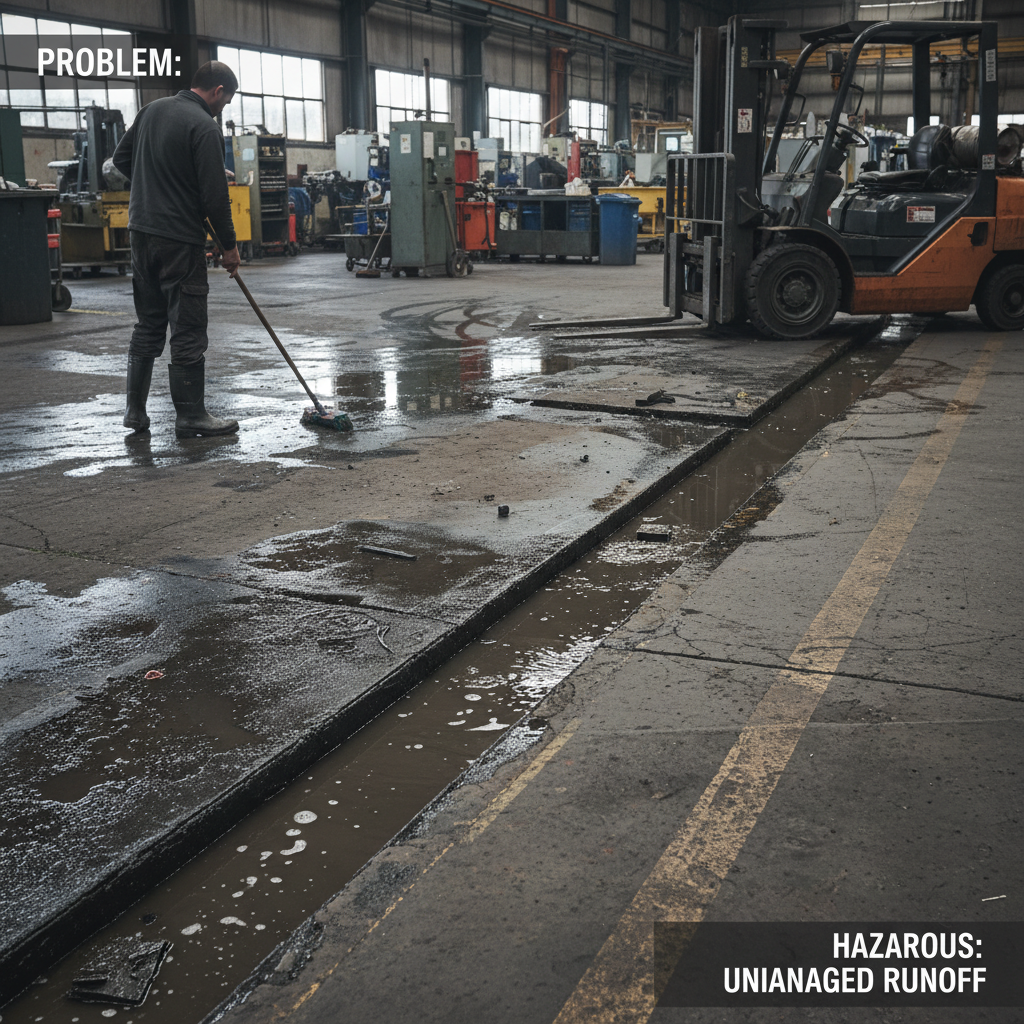
These grates are incredibly versatile and can be found in a wide variety of applications. Common uses include parking lots, driveways, roadways, sidewalks, airports, industrial facilities, and loading docks. They effectively manage stormwater runoff, preventing pooling water and potential hazards. In industrial settings, they can handle chemical runoff and wastewater. Their robust construction makes them suitable for heavy vehicle traffic. A well-designed drainage system with appropriate grates ensures the safety and functionality of these areas.
Installation Considerations for 12 Wide Trench Drain Grates
Proper installation is crucial for the long-term performance of the drainage system. This includes ensuring the correct slope for effective water flow, securely anchoring the trench drain channel, and properly seating the grates. It’s important to follow the manufacturer’s instructions carefully. Using the appropriate bedding material and backfill is also essential to provide support and prevent movement. A professional installation is highly recommended to guarantee a reliable and long-lasting drainage solution. Visit HFPetromesh for quality trench drain products and expert advice.
Conclusion: Investing in Effective Drainage
Investing in a high-quality 12 wide trench drain grate system is a proactive step towards protecting your property and infrastructure. These systems offer superior water management, reduce maintenance, and enhance safety. By choosing the right materials and ensuring professional installation, you can create a durable and reliable drainage solution that will provide years of dependable performance.
Frequently Asked Questions (FAQs)
What is the recommended slope for a trench drain system?
A minimum slope of 1% (1/4 inch per foot) is generally recommended for trench drain systems to ensure efficient water flow. However, the ideal slope may vary depending on the length of the drain run, the volume of water expected, and local building codes. Steeper slopes can increase flow velocity but may also contribute to erosion or noise. It’s crucial to consult with a drainage specialist to determine the optimal slope for your specific application. Proper slope guarantees gravity does the work of efficiently moving the water away.
How do I prevent clogging in my trench drain system?
Regular maintenance is key to preventing clogging. This includes periodic cleaning to remove debris like leaves, sediment, and oil. Installing a debris filter or catch basin upstream of the drain can help capture larger particles. Avoid allowing excessive amounts of sand or gravel to enter the system. Consider a professional cleaning service for more thorough maintenance, especially in high-traffic areas. Choosing a grate with a wider opening, like a 12-inch grate, also reduces the likelihood of clogging.
Are 12-inch trench drain grates suitable for heavy vehicle traffic?
Yes, when constructed from ductile iron or reinforced steel, 12-inch trench drain grates can be designed to withstand heavy vehicle traffic. The grate's load-bearing capacity is critical in these applications. It’s essential to select a grate with a load rating that exceeds the expected vehicle weight. Proper installation and anchoring are also crucial to ensure the grate remains securely in place under heavy loads. Always consult with a drainage specialist to ensure the chosen grate meets the specific requirements of your application.
What is the difference between cast iron and ductile iron grates?
While both are strong and durable, ductile iron is significantly tougher and more impact-resistant than cast iron. Ductile iron contains magnesium, which alters the iron’s microstructure, making it more resilient to cracking and breaking. This makes ductile iron the preferred choice for applications where the grate is likely to be subjected to heavy loads, impacts, or vibrations. Cast iron is more cost-effective but may be more prone to cracking under stress.
-
The Ultimate Guide to Choosing a French Drain Grate CoverNewsApr.16,2026
-
Ultimate Guide to Durable Metal Channel Drain Grates for DrainageNewsApr.09,2026
-
Driveway Channel Drain Grate Systems for Effective Water ManagementNewsApr.07,2026
-
Comprehensive Guide to Durable Cast Iron Trench Drain Covers for Various ApplicationsNewsApr.04,2026
-
Comprehensive Guide to Driveway Storm Drain Grates for Optimal Water ManagementNewsMar.31,2026
-
Comprehensive Guide to Durable Steel Driveway Grates for Enhanced DrainageNewsMar.28,2026