- Industrial zone, South of Anping Town, Hengshui, Hebei, China.
- sales@hfpetromesh.com
- +86-18931809706
Comprehensive Guide to Selecting Durable Cast Iron Trench Grates for Drainage Systems
Understanding and Choosing the Right Cast Iron Trench Grates
When designing effective drainage systems, the selection of components like cast iron trench grates is crucial. These grates play a vital role in channeling water away from roads, sidewalks, and industrial areas, preventing flooding and ensuring public safety. This article delves into the key aspects of cast iron trench grates, including their benefits, applications, specifications, and factors to consider when making a purchase. We’ll examine why choosing a quality grate from a reputable supplier like HF Petro Mesh is a smart investment.
The Benefits of Using Cast Iron Trench Grates
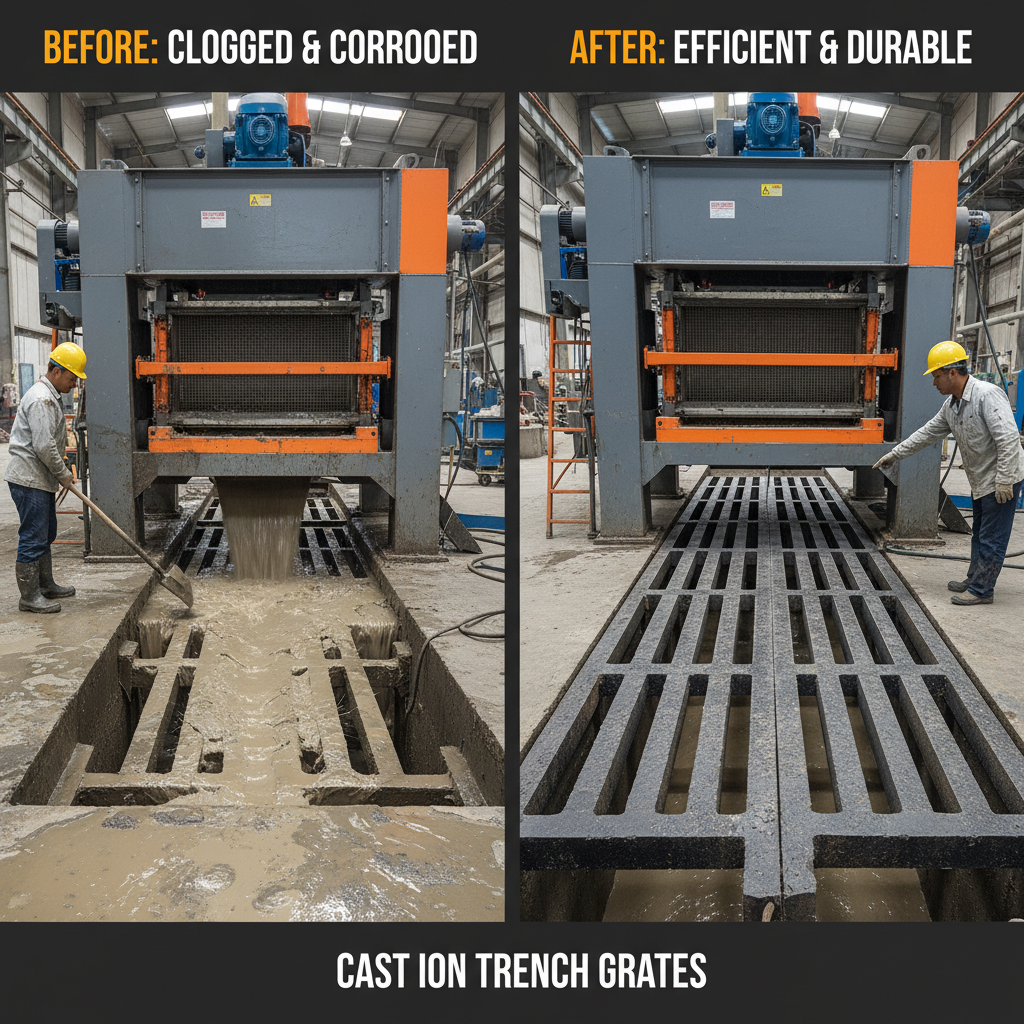
Cast iron trench grates offer several advantages over other materials. Their inherent strength and durability make them capable of withstanding heavy loads, including vehicular traffic. Furthermore, cast iron is highly resistant to corrosion, ensuring a long service life even in harsh environmental conditions. This durability translates to lower maintenance costs and reduced replacement frequency. Compared to plastic or composite grates, cast iron provides a superior level of security, deterring theft and vandalism. The longevity and resilience of cast iron trench grates make them a cost-effective solution in the long run.
Key Advantages: Exceptional strength, corrosion resistance, long lifespan, high security, and ability to withstand heavy loads.
Applications of Cast Iron Trench Grates Across Industries
Cast iron trench grates are employed in a wide array of applications across various industries. They are commonly used in road construction to manage stormwater runoff, preventing flooding and ensuring safe driving conditions. In landscaping, they facilitate drainage around gardens, patios, and walkways. Industrial facilities rely on them to handle wastewater and prevent the accumulation of hazardous materials. Furthermore, they find use in parking lots, pedestrian zones, and railway infrastructure. HF Petro Mesh supplies grates suitable for a diverse range of these applications.
Common Application Areas:
• Roadways & Highways
• Landscaping & Garden Drainage
• Industrial Plants & Facilities
• Parking Lots & Pedestrian Walkways
Comparing Cast Iron with Alternative Materials for Trench Grates
While other materials like plastic, fiberglass, and steel are used for trench grates, cast iron remains a preferred choice in many scenarios. Plastic grates are less expensive but lack the strength and durability of cast iron. Fiberglass grates offer good corrosion resistance but can be brittle and susceptible to damage. Steel grates are strong, but prone to rust and require regular maintenance. Cast iron strikes an optimal balance of strength, durability, and corrosion resistance.
Factors to Consider When Selecting Cast Iron Trench Grates
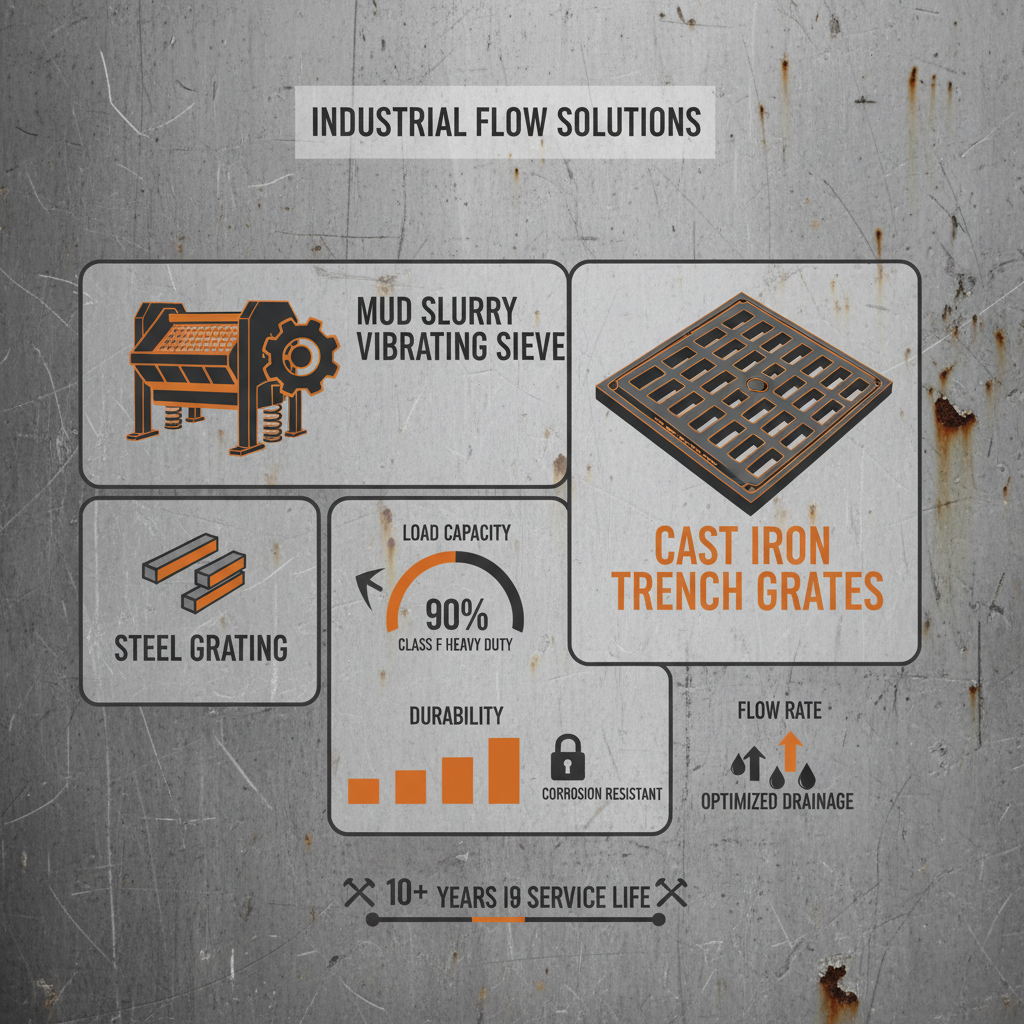
Several factors should guide your decision when purchasing cast iron trench grates. Load capacity is paramount, ensuring the grates can handle the expected traffic. The grate's dimensions must match the trench's width and depth. The pattern of the grate (e.g., flat, ribbed, or with specific openings) should be appropriate for the intended application. Finally, verify that the grates meet relevant industry standards and regulations. HF Petro Mesh offers a range of options to suit diverse needs.
Conclusion: Investing in Quality Drainage with Cast Iron
Choosing the right cast iron trench grates is a critical investment in the longevity and efficiency of your drainage systems. Their durability, strength, and corrosion resistance make them a superior choice compared to alternative materials. By partnering with a reputable supplier like HF Petro Mesh, you can ensure you receive high-quality products that meet your specific needs and industry standards.
Frequently Asked Questions (FAQs)
What is the typical lifespan of cast iron trench grates?
Cast iron trench grates are renowned for their longevity. With proper installation and minimal maintenance, they can easily last for several decades – often 50 years or more. Their inherent resistance to corrosion and the robust nature of cast iron contribute to this extended lifespan. Factors like exposure to harsh chemicals or extreme loads can affect lifespan, but generally, they offer a significantly longer service life than grates made from other materials.
How are cast iron trench grates manufactured?
Cast iron trench grates are typically manufactured using sand casting. Molten iron is poured into a mold created from sand, which is shaped to the desired grate pattern. Once the iron cools and solidifies, the sand mold is removed, and the grate is cleaned and finished. Modern manufacturing processes often involve automated techniques to ensure precision and consistency in the final product.
What load capacity should I look for in a cast iron trench grate?
The required load capacity depends on the expected traffic. For pedestrian areas, a lower load capacity may suffice. However, for areas subject to vehicular traffic, you’ll need grates rated to withstand the weight of cars, trucks, or other vehicles. It’s crucial to consult local regulations and engineering specifications to determine the appropriate load capacity for your application. HF Petro Mesh can advise on selecting grates with the correct load rating.
Are cast iron trench grates susceptible to theft?
While more secure than plastic or composite grates, cast iron grates can be targeted by metal thieves. To mitigate this risk, consider using grates with locking mechanisms or security features. Additionally, incorporating security cameras and adequate lighting in the area can deter theft.
-
The Ultimate Guide to Choosing a French Drain Grate CoverNewsApr.16,2026
-
Ultimate Guide to Durable Metal Channel Drain Grates for DrainageNewsApr.09,2026
-
Driveway Channel Drain Grate Systems for Effective Water ManagementNewsApr.07,2026
-
Comprehensive Guide to Durable Cast Iron Trench Drain Covers for Various ApplicationsNewsApr.04,2026
-
Comprehensive Guide to Driveway Storm Drain Grates for Optimal Water ManagementNewsMar.31,2026
-
Comprehensive Guide to Durable Steel Driveway Grates for Enhanced DrainageNewsMar.28,2026