- Industrial zone, South of Anping Town, Hengshui, Hebei, China.
- sales@hfpetromesh.com
- +86-18931809706
Comprehensive Guide to Durable and Efficient Plastic Trench Drain Grates
Plastic Trench Drain Grates: A Comprehensive Guide
Plastic trench drain grates are essential components of effective stormwater management systems. They provide a safe and efficient way to channel water away from surfaces, preventing flooding and potential damage. This article will explore the benefits, applications, materials, and factors to consider when choosing plastic trench drain grates. We will also delve into their advantages over traditional materials like cast iron and steel. Investing in the right drainage system can safeguard your property and infrastructure.
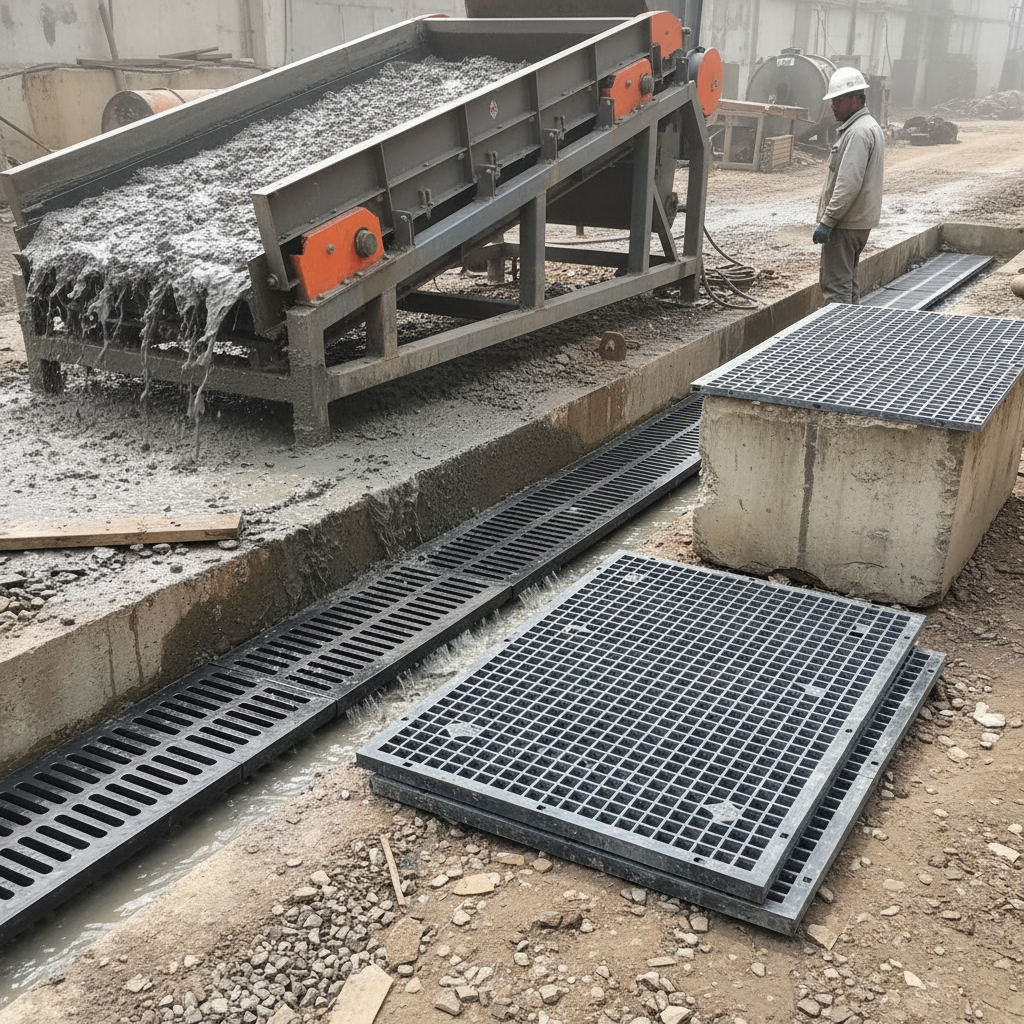
Understanding the Benefits of Plastic Trench Drain Grates
Plastic trench drain grates offer a multitude of advantages over conventional materials. One of the most significant is their lightweight nature, making installation and maintenance considerably easier and less costly. Unlike heavy cast iron or steel grates, plastic options don’t require specialized lifting equipment. Furthermore, plastic is inherently corrosion-resistant, extending the lifespan of the system and reducing the need for frequent replacements. They also offer excellent chemical resistance, making them suitable for industrial environments. The non-conductive properties of plastic provide an added safety benefit, reducing the risk of electrical hazards.
Key Advantages: Lightweight, corrosion-resistant, chemical-resistant, non-conductive, cost-effective, easy installation.
Types of Plastic Used in Trench Drain Grates
Several types of plastic are commonly used in the manufacture of trench drain grates, each offering unique properties. Polypropylene (PP) is a popular choice due to its excellent chemical resistance and low cost. Polyethylene (PE) offers good impact resistance and flexibility, making it suitable for areas with heavy traffic. Polyvinyl Chloride (PVC) is known for its durability and resistance to weathering. High-Density Polyethylene (HDPE) is increasingly preferred for its exceptional strength and long-term performance. The selection of the appropriate plastic depends on the specific application and environmental conditions.
Plastic Material Comparison:
• Polypropylene (PP): Excellent chemical resistance, low cost.
• Polyethylene (PE): Good impact resistance, flexibility.
• Polyvinyl Chloride (PVC): Durability, weathering resistance.
• High-Density Polyethylene (HDPE): Exceptional strength, long-term performance.
Plastic Trench Drain Grates vs. Traditional Materials
Compared to cast iron and steel, plastic trench drain grates offer significant advantages. Cast iron is heavy and prone to corrosion, requiring regular maintenance and eventual replacement. Steel also corrodes and can be expensive. Plastic grates are lighter, corrosion-resistant, and often more cost-effective. Furthermore, the non-conductive nature of plastic provides a safety benefit that metal grates cannot offer. While metal grates may offer higher load-bearing capacity in some cases, modern plastic formulations are engineered to withstand substantial loads, making them suitable for a wide range of applications.
Applications of Plastic Trench Drain Grates
Plastic trench drain grates find applications in a variety of settings, including residential driveways, parking lots, sidewalks, landscaping, industrial facilities, and commercial properties. They are particularly well-suited for areas exposed to harsh chemicals, saltwater, or de-icing salts. In swimming pool areas, their non-corrosive properties prevent damage and staining. Their ability to efficiently manage stormwater runoff helps prevent erosion, property damage, and potential safety hazards. Choosing the right grate design – whether it's a heel-proof grate for pedestrian areas or a heavy-duty grate for vehicular traffic – is crucial for optimal performance and safety.
Selecting the Right Plastic Trench Drain Grate
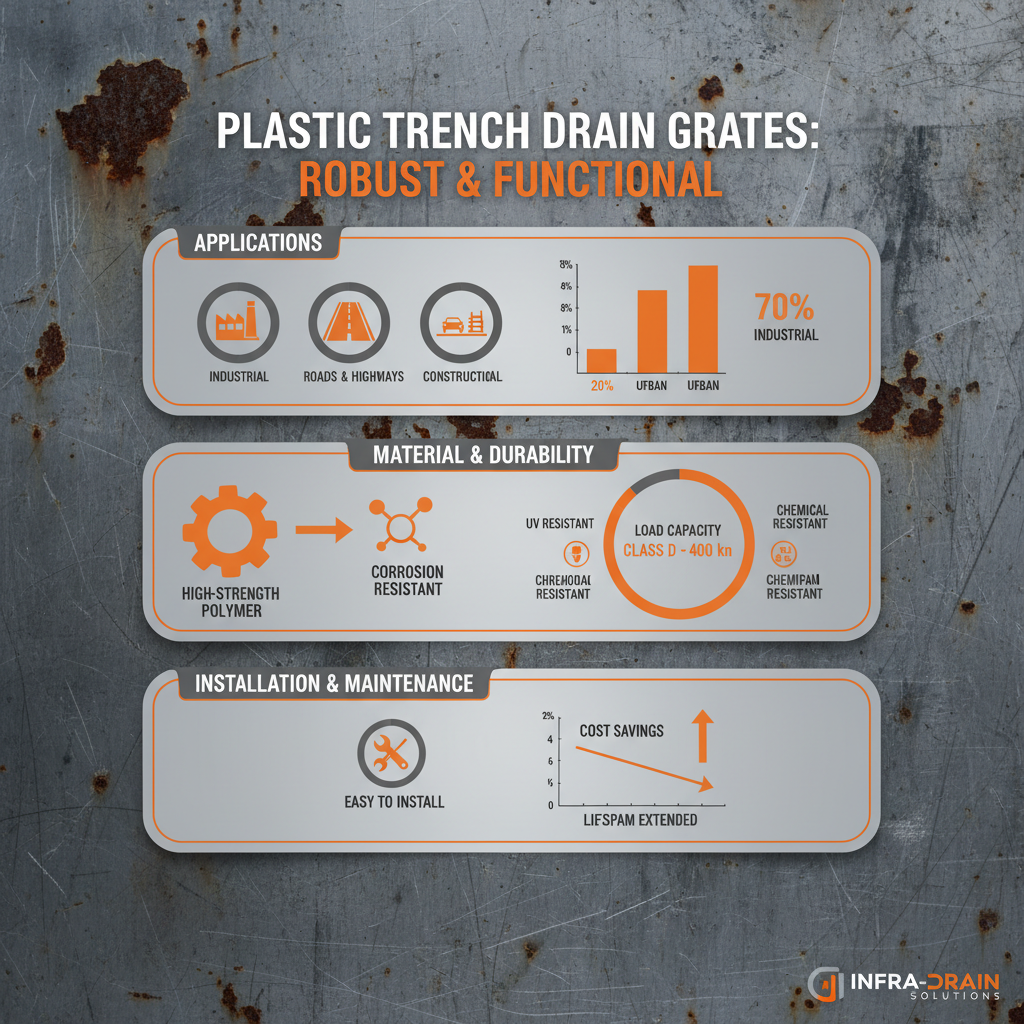
When choosing plastic trench drain grates, consider several factors. First, assess the load-bearing requirements – will the grate be subjected to pedestrian or vehicular traffic? Second, evaluate the chemical environment – will the grate be exposed to corrosive substances? Third, consider the drainage capacity needed to effectively manage stormwater runoff. Finally, choose a reputable supplier like HF PetroMesh, who offers high-quality products and expert guidance. Proper selection and installation will ensure a long-lasting and effective drainage solution.
Conclusion: The Smart Choice for Drainage
Investing in plastic trench drain grates is a smart decision for effective and long-lasting stormwater management. Their lightweight nature, corrosion resistance, and cost-effectiveness make them a superior alternative to traditional materials. By carefully considering your specific needs and selecting a reliable supplier, you can ensure a drainage solution that protects your property and infrastructure for years to come.
Frequently Asked Questions (FAQs)
What is the load-bearing capacity of plastic trench drain grates?
The load-bearing capacity varies depending on the material, design, and support structure of the grate. HDPE grates generally offer the highest load capacity, capable of withstanding significant vehicular traffic. However, even PP and PVC grates can be engineered to meet specific load requirements. It’s crucial to consult the manufacturer's specifications and select a grate designed for the intended application. Proper installation, including adequate support along the trench length, is also essential to maximize load-bearing capacity. Always choose grates that meet or exceed relevant safety standards for your region.
Are plastic trench drain grates suitable for use in freezing temperatures?
Yes, most plastic trench drain grates are suitable for use in freezing temperatures. Plastics generally don't become brittle in cold weather like some metals do. However, it's important to note that water freezing within the trench system can cause expansion and potentially damage the grates or surrounding structure. Proper installation with appropriate fall and outflow is vital to prevent water accumulation and freezing. Choosing a material like HDPE, which has excellent impact resistance even at low temperatures, is also recommended for regions with harsh winters.
How do I clean and maintain plastic trench drain grates?
Cleaning plastic trench drain grates is relatively straightforward. Regular removal of debris like leaves, dirt, and sediment will prevent blockages and maintain optimal drainage. A simple brush or hose can usually remove most debris. For stubborn buildup, a mild detergent and water solution can be used. Avoid using abrasive cleaners or harsh chemicals that could damage the plastic. Periodic inspection of the grates and surrounding trench for cracks or damage is also recommended to ensure continued performance.
Where can I purchase high-quality plastic trench drain grates?
You can purchase high-quality plastic trench drain grates directly from HF PetroMesh. We offer a wide selection of grates in various materials, sizes, and load-bearing capacities. Our experienced team can provide expert guidance to help you choose the right grate for your specific application. We are committed to providing reliable products and exceptional customer service.
-
The Ultimate Guide to Choosing a French Drain Grate CoverNewsApr.16,2026
-
Ultimate Guide to Durable Metal Channel Drain Grates for DrainageNewsApr.09,2026
-
Driveway Channel Drain Grate Systems for Effective Water ManagementNewsApr.07,2026
-
Comprehensive Guide to Durable Cast Iron Trench Drain Covers for Various ApplicationsNewsApr.04,2026
-
Comprehensive Guide to Driveway Storm Drain Grates for Optimal Water ManagementNewsMar.31,2026
-
Comprehensive Guide to Durable Steel Driveway Grates for Enhanced DrainageNewsMar.28,2026