- Industrial zone, South of Anping Town, Hengshui, Hebei, China.
- sales@hfpetromesh.com
- +86-18931809706
Comprehensive Guide to Choosing the Right Driveway Trench Drain Grate Systems
Choosing the Right Driveway Trench Drain Grate: A Comprehensive Guide
Maintaining a properly drained driveway is crucial for preventing water damage and ensuring its longevity. A key component of an effective drainage system is the driveway trench drain grate. This article will explore the different types of trench drain grates available, factors to consider when selecting one, installation tips, and maintenance advice. We'll cover materials, load capacities, and how to choose the best grate for your specific needs, ensuring your driveway remains protected from the elements.
Understanding Driveway Trench Drain Grates
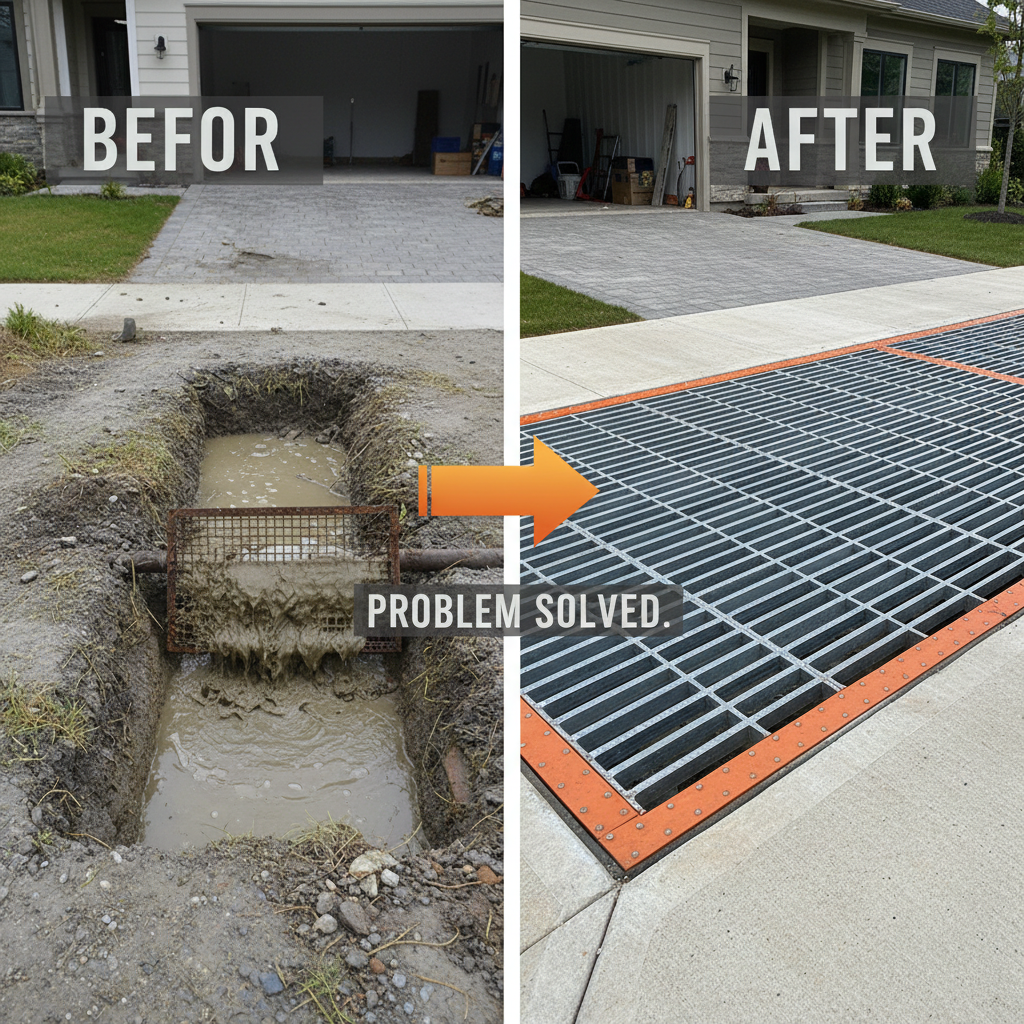
A driveway trench drain grate sits atop a channel system designed to collect and redirect water away from your driveway’s surface. This prevents pooling, which can lead to cracking, erosion, and even structural damage. Grates come in various materials and designs, each with its own advantages and disadvantages. Choosing the right grate depends on factors like the amount of traffic your driveway receives, the climate you live in, and your aesthetic preferences. Properly installed driveway trench drain grates are a long-term investment in preserving the integrity of your property.
Key Benefits: Effective water drainage, prevention of driveway damage, increased longevity of your driveway, reduced risk of slip and fall accidents.
Common Materials for Driveway Trench Drain Grates
Driveway trench drain grates are commonly made from several different materials, each offering unique benefits. The most popular choices include cast iron, galvanized steel, plastic (polypropylene), and stainless steel. Cast iron is known for its durability and high load-bearing capacity, but it's also heavy and susceptible to rust. Galvanized steel offers a good balance of strength and corrosion resistance at a lower cost. Plastic grates are lightweight, affordable, and won’t rust, but they have a lower load capacity and can become brittle in cold weather. Stainless steel provides exceptional corrosion resistance and strength, making it a premium, long-lasting option.
Material Comparison:
• Cast Iron: High strength, heavy, prone to rust.
• Galvanized Steel: Good strength, corrosion resistant, cost-effective.
• Plastic (Polypropylene): Lightweight, affordable, lower load capacity.
• Stainless Steel: Excellent corrosion resistance, high strength, premium price.
Load Capacity and Grate Design Considerations
The load capacity of a driveway trench drain grate is a critical factor, especially if your driveway will be subjected to heavy vehicles like trucks or RVs. Grates are typically rated based on the maximum weight they can withstand. Different grate designs also impact performance and safety. Slotted grates allow for high flow rates, while heel-proof grates have smaller openings to prevent injuries. Decorative grates offer aesthetic appeal but may have lower flow rates. Consider the overall design of your driveway and choose a grate that complements its appearance.
Installation and Maintenance Tips
Proper installation is essential for the effective functioning of your trench drain system. Ensure the channel is sloped correctly to facilitate water flow. Securely fasten the grate to the channel using appropriate hardware. Regular maintenance, such as removing debris like leaves and dirt, will prevent clogging and maintain optimal drainage. Inspect the grate periodically for damage and replace it if necessary. Consult a professional for complex installations or if you're unsure about any aspect of the process. HF Petromesh offers high-quality trench drain grates and can provide guidance on installation and maintenance.
Selecting the Best Grate for Your Needs
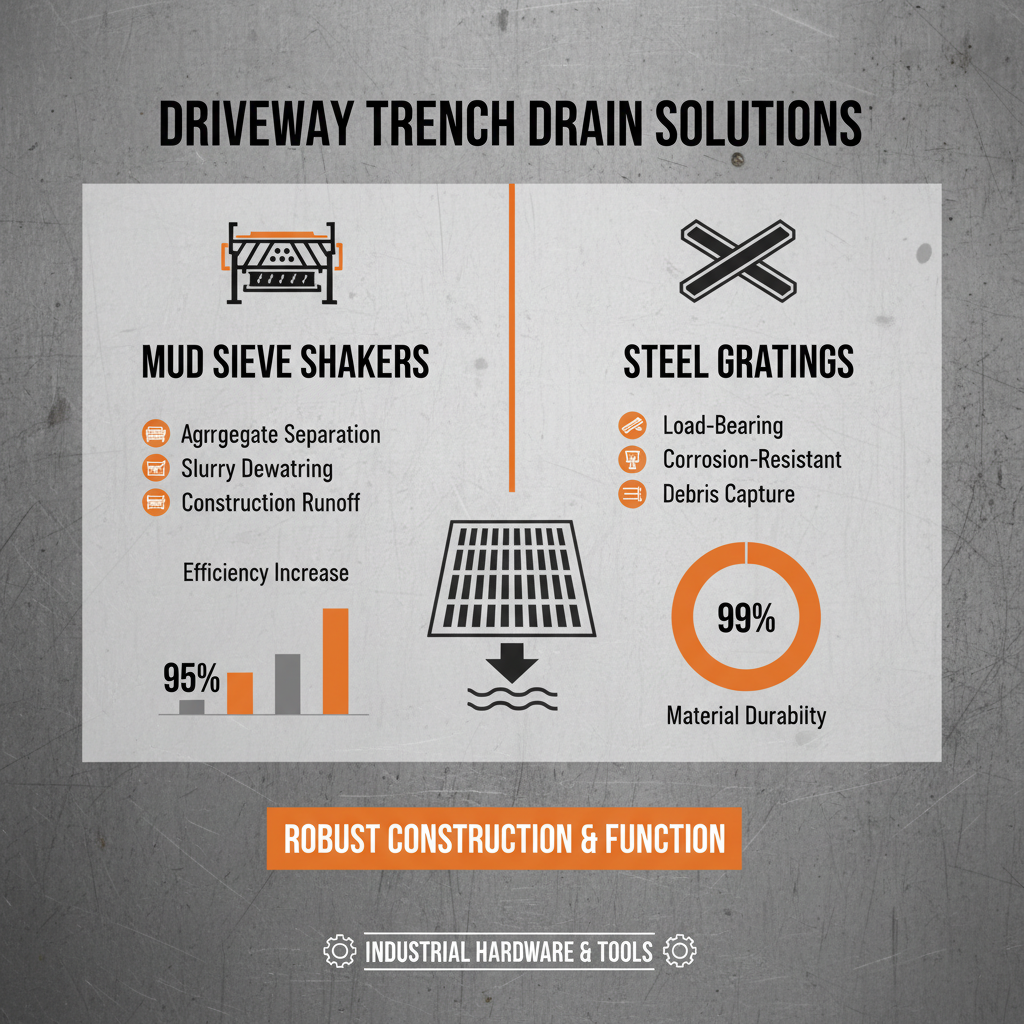
Ultimately, the best driveway trench drain grate for your needs depends on a variety of factors. Consider your budget, the amount of traffic your driveway receives, the climate you live in, and your aesthetic preferences. If you prioritize durability and strength, cast iron or stainless steel are excellent choices. If cost is a major concern, galvanized steel or plastic may be more suitable. Always choose a grate with a sufficient load capacity for your vehicles and ensure it meets relevant safety standards. Explore the wide selection of high-quality driveway trench drain grates available at HF Petromesh to find the perfect solution for your driveway.
Conclusion: Protecting Your Driveway with the Right Drain Grate
Investing in a quality driveway trench drain grate is a proactive step towards preserving the integrity and longevity of your driveway. By carefully considering the factors discussed in this guide – material, load capacity, design, and maintenance – you can select a grate that effectively manages water runoff, prevents damage, and enhances the overall appearance of your property. Don’t compromise on quality – choose a reliable solution for lasting protection.
Frequently Asked Questions (FAQs)
What size trench drain grate do I need?
The size of the trench drain grate depends on the volume of water you need to manage and the dimensions of your driveway. It’s crucial to accurately assess the area that contributes to runoff. Consider the pitch of your driveway and the average rainfall in your region. Larger grates and channels will handle greater volumes of water. If you're unsure, consulting with a drainage specialist is recommended. They can help you determine the appropriate size and spacing for your specific needs. HF Petromesh can assist with sizing recommendations based on your project details.
How often should I clean my trench drain?
The frequency of cleaning depends on the environment. If your driveway is surrounded by trees, you'll likely need to clean it more often to remove leaves and debris. As a general guideline, inspect and clean your trench drain at least twice a year – in the spring and fall. Regular cleaning prevents clogs and ensures optimal drainage. You can use a leaf blower, a hose, or a specialized drain cleaning tool to remove debris.
Can I install a trench drain myself?
While some homeowners may be comfortable installing a trench drain themselves, it's often best to hire a professional. Proper installation requires careful planning, accurate sloping, and secure connections. Incorrect installation can lead to ineffective drainage or even structural damage. A professional can ensure the job is done correctly and efficiently, saving you time and potential headaches.
What is the difference between a trench drain and a French drain?
While both trench drains and French drains are designed to manage water runoff, they differ in their construction and application. A trench drain utilizes a surface grate to capture water and channel it away, typically through a pipe. A French drain, on the other hand, is a subsurface drainage system consisting of a gravel-filled trench with a perforated pipe. French drains are often used to address groundwater issues and redirect water away from foundations. Trench drains are more suited for managing surface runoff from driveways and paved areas.
-
The Ultimate Guide to Choosing a French Drain Grate CoverNewsApr.16,2026
-
Ultimate Guide to Durable Metal Channel Drain Grates for DrainageNewsApr.09,2026
-
Driveway Channel Drain Grate Systems for Effective Water ManagementNewsApr.07,2026
-
Comprehensive Guide to Durable Cast Iron Trench Drain Covers for Various ApplicationsNewsApr.04,2026
-
Comprehensive Guide to Driveway Storm Drain Grates for Optimal Water ManagementNewsMar.31,2026
-
Comprehensive Guide to Durable Steel Driveway Grates for Enhanced DrainageNewsMar.28,2026